


On our day and multi-day trips around Halkidiki, safety is simple and practical. The sea here is usually kind, but we still run the boat like professionals, with proper equipment, checks, and clear rules on board. A relaxed trip is a safer trip, so it helps when everyone knows what to expect.
If you are planning a family outing, a couples cruise, or a group day on a motor yacht or sailboat, just ask us anything before we depart. We would rather answer the same question twice than have you worry while we are underway.
Not sure where to start? Contact our local travel agency for friendly, personalised advice, seasonal offers and travel options.
Safety on board in Halkidiki
Life jackets
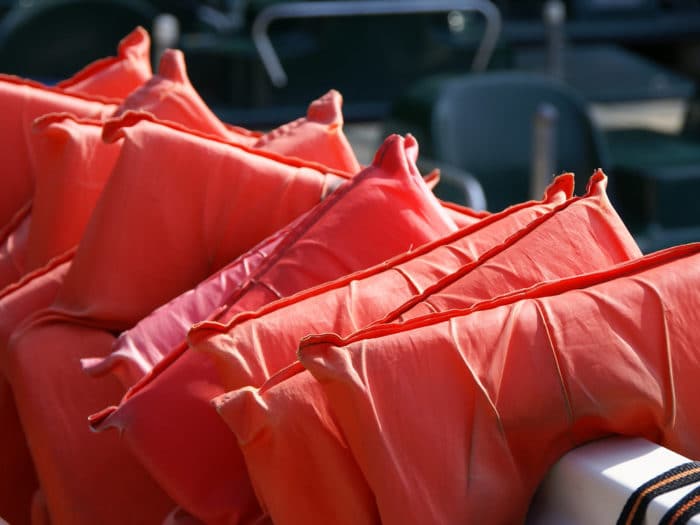
We do not put on life jackets before departing; there is really no need, it is not required by law, and it is not part of the long-standing Greek maritime tradition. The reason is that we don’t have strong tides or currents in our area like those found in many Western European waters, so it is quite safe without them. If you have an older teenager who cannot swim, they should bring their own personal flotation device (PFD) or life vest, as we cannot provide one of that size. If you have an exceptionally active child and would feel safer with them wearing a life vest, please ask the skipper or captain to put one on them.
Locally, most of our routes are inside calmer waters, often along the lee side of the peninsulas. Around Sithonia and the Toroneos Gulf, you will usually notice short wind waves rather than long ocean swell. That said, afternoons can pick up with the typical summer breeze, so we always brief you before we cast off, especially if we have kids on board.
A few practical tips that make a big diffrence with children and non-swimmers:
- Tell the skipper early if someone cannot swim, even if they are an adult. We will seat them in the safest spot and explain how we handle swim stops.
- For swim stops, we choose bays with good holding and clear water, and we keep a close eye on boat traffic. In peak season, some popular coves get busy.
- If you want a child to wear a vest while moving around the deck, ask. We are happy to help, and we will show you how it should sit.
- When we are underway, kids stay seated. Running on deck is how most small bumps happen, not big dramatic accidents.
If you are the type who likes to do a little homework, the Hellenic Coast Guard has useful official information about maritime safety and regulations in Greece. Rules can change, and it is always good to check the source.
Fire extinguishers
On a charter boat, most fire risk comes from the same places as on land. Cooking, electrical loads, and engine spaces. We keep the galley and engine area tidy, we do routine checks, and we show you where the extinguishers are during the safety briefing. You do not need to memorize anything, just know they exist and that we have a plan.
Small onboard habits help too. Please avoid charging too many devices from one socket, and do not leave power banks in direct sun. In July and August the deck surfaces can get hot, and electronics do not love it.
Other safety equipment
This is one point I repeat every season. The red buttons and protected switches are not toys, and the radio microphone is not a karaoke mic. If a child is curious, tell them to ask me. I will happily explain what it does, without anyone touching it.
Where we sail in Halkidiki and what conditions feel like
Halkidiki sits in Northern Greece, southeast of Thessaloniki, with three distinct peninsulas. Kassandra to the west, Sithonia in the middle, and the Athos coast to the east. Most charter itineraries start from the more accessible areas on Kassandra or Sithonia, depending on where you are staying and the boat base.
Sea conditions vary by side. The western sides can feel more open when the wind is up, while the gulfs offer more shelter. In summer, mornings are often calm and glassy, and then the breeze builds later. In May, June, and September, the water is usually very clear and the bays are less crowded, which makes swim stops calmer for families.
For official weather, we always recommend checking meteo.gr before your travel day. We also check marine forecasts and local observations, because the wind in Halkidiki can change quickly around headlands.
How to reach the departure area
Most visitors arrive via Thessaloniki and then drive down to their resort area on Kassandra or Sithonia. Roads are straightforward, but in July and August you should expect traffic at bottlenecks and slower parking near busy beaches and marinas. If you are staying in Central Halkidiki, the drive to either peninsula is usually manageable, but give yourself extra time on weekends.
Once your booking is confirmed, we share the exact meeting point and the best place to park nearby, plus what to bring. Start times can shift slightly due to weather, port traffic, and fueling schedules.
Timetables, opening hours and routes can change without notice. Always double-check locally before you travel.
What to do during the trip (and why it matters for safety)
A good Halkidiki boat day is a mix of cruising, swimming, and slow time in a bay. We normally plan a few swim stops in clear water, with easy ladder access. If the group wants snorkeling, we pick spots where the visibility is best and the seabed is interesting, not just the closest cove.
If you want to add diving or proper guided snorkeling, have a look at portoscuba.com for local options and info. Even if you are not diving, it gives you a feel for what the underwater conditions are like around Sithonia.
Food is part of the day, and it affects comfort. Light meals work best on the boat, especially if someone gets motion sensitive. Hydration matters more than people think, because the sun plus sea breeze dries you out quietly. If you are prone to seasickness, tell us before we leave so we can choose the smoothest route and timing.
Seasonal feel: crowds, winds, and water clarity
June has that sweet spot energy. Warm days, fewer crowds, and excellent water clarity. July and August are lively, with more boats in the popular bays, and higher temperatures on deck. September is calmer again, and the sea stays warm, which couples and older travelers usually love.
Wind-wise, we plan conservatively. If it is a windy day, we do not try to “fight it” with an ambitious route. We choose sheltered sides, shorten crossings, and focus on comfort. That is how you get a great day even when the forecast is not perfect.
Who these trips suit
Families with young kids do very well on a stable motor yacht day, with short hops and long swim stops. Couples often prefer a quieter sail, sunset timing, and fewer stops. Groups of friends usually want a mix of music, swimming, and a beach taverna stop where possible. Nature lovers enjoy the clearer-water bays and slower cruising along the coastline, especially outside peak season.
If you tell us your group style, we will suggest the right boat and route, rather than pushing a one-size plan.
If you’d like to explore the coast, ask us about day trips at sea and sailing boat options.
Onboard rules that keep things smooth
Nothing strict, just common sense that keeps everyone safe and the boat in good shape. Shoes depend on the boat, sometimes we go barefoot on deck. Glass is limited on some boats. And the skipper has the final say if the weather changes.
- Hold on when moving. One hand for you, one hand for the boat.
- Open hatches and lockers only if you are shown which ones are ok for guests.
- Do not sit on the bow while docking or leaving the berth.
- At anchor, wait for the skipper before jumping in, every time.
Sea and outdoor activities depend on the weather and your own fitness level. Always follow local safety advice and skipper instructions.
Local crew and why it matters
In Halkidiki, local knowledge is not a nice extra. It is the difference between a crowded, choppy bay and a calm, clear one just around the corner. We watch the wind lines, we know where the holding is good, and we know which areas get busy at what time. That is how you get the relaxed Greek sea day you came for.
Our local team of skippers, travel agents and scuba instructors with over 20 years of experience in Halkidiki is here to help you.
Questions before you book
If you are unsure about life jackets for teens, the best route for kids, or whether a motor yacht or sailboat is better for your group, message us and we will guide you. It takes two minutes and saves a lot of stress on the day.
call us: +306980700070
send a message via WhatsApp
call or text us on Viber
send a message via Messenger
Don’t forget to mention:
- Number of persons, possible dates
- The hotel you’ll be staying
- The activity you are interested in