Skip to content

A great way for groups larger than 10 people to go sailing in 2026!
Safety and Greek regulations

Due to Greek yachting regulations, licensing a yacht for more than 12 people in total is much more complicated business-wise than for fewer. Although the yachts may be quite large and could easily accommodate more people, their licence is usually for around 10 to 12 people, skipper and crew included (the same number for which there are enough places in the life raft and life jackets on board). So it is all about safety regulations, and we take safety at sea very seriously at charterAyacht.

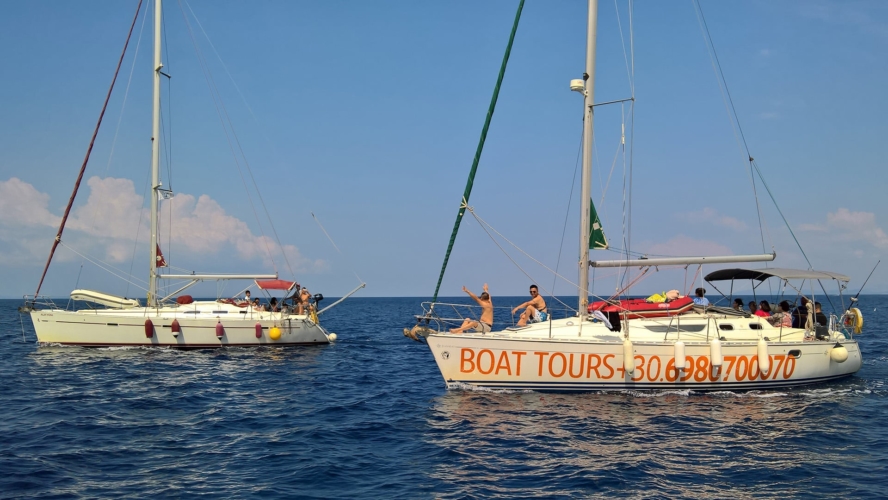
So for larger groups, we offer the possibility to book a second (or third) sailing yacht for a day trip in Halkidiki.

Yes, but we want to be together?

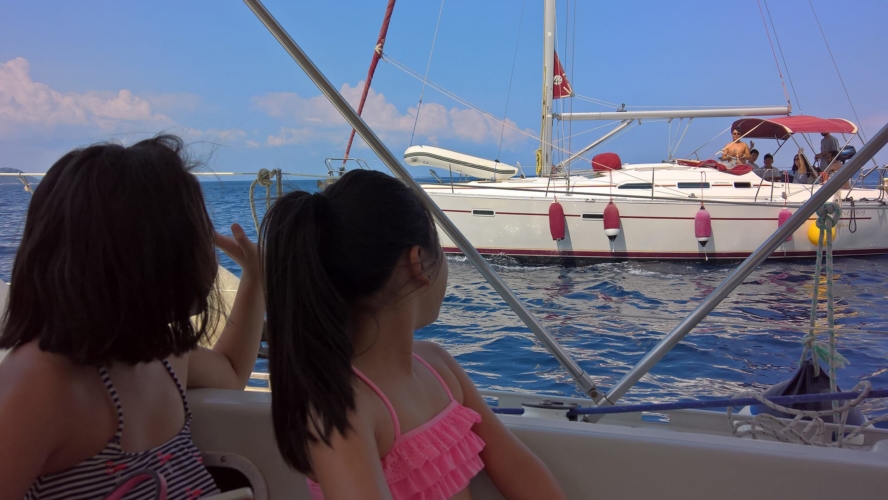
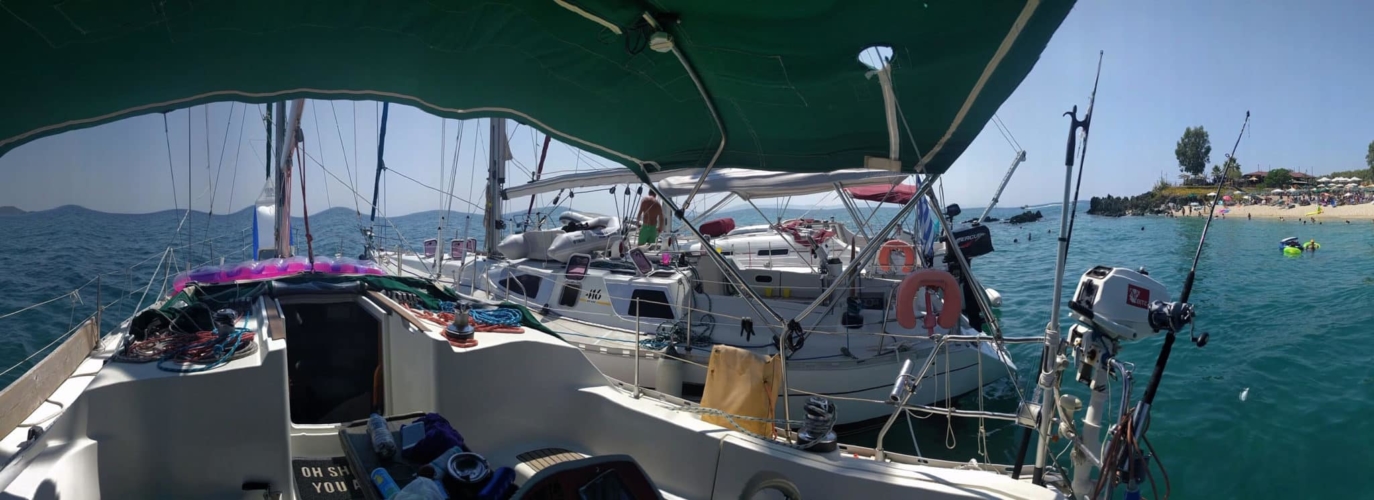
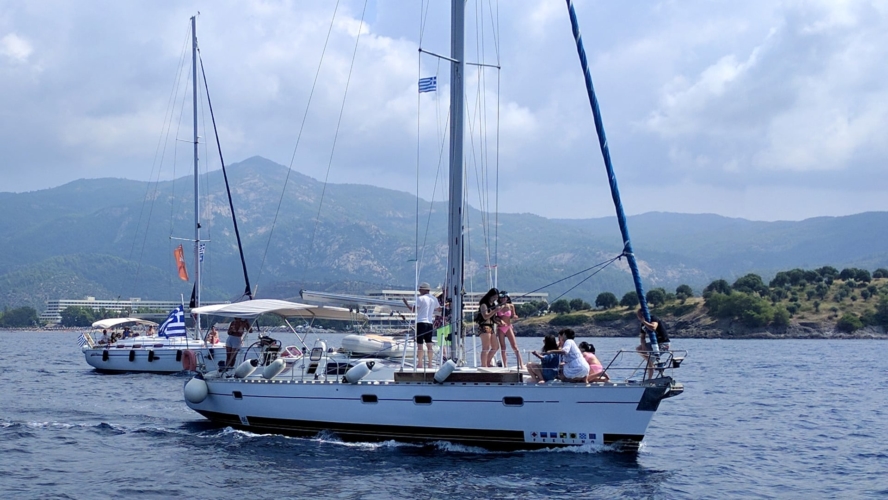
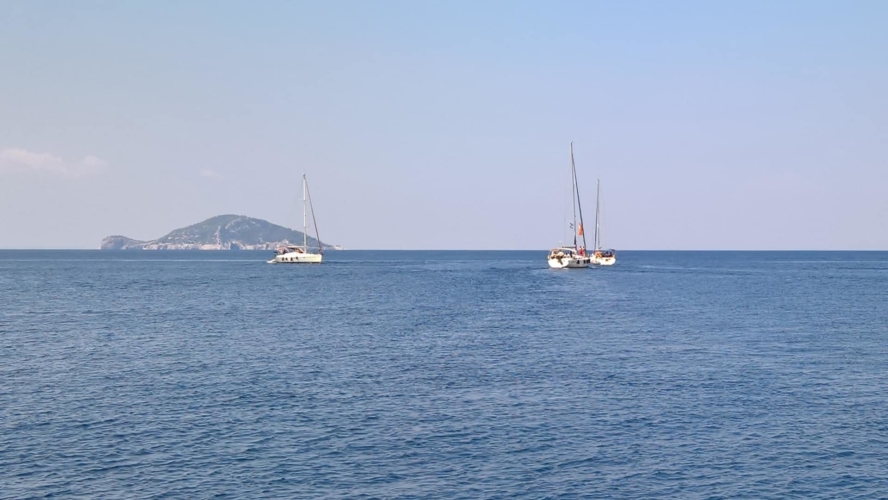
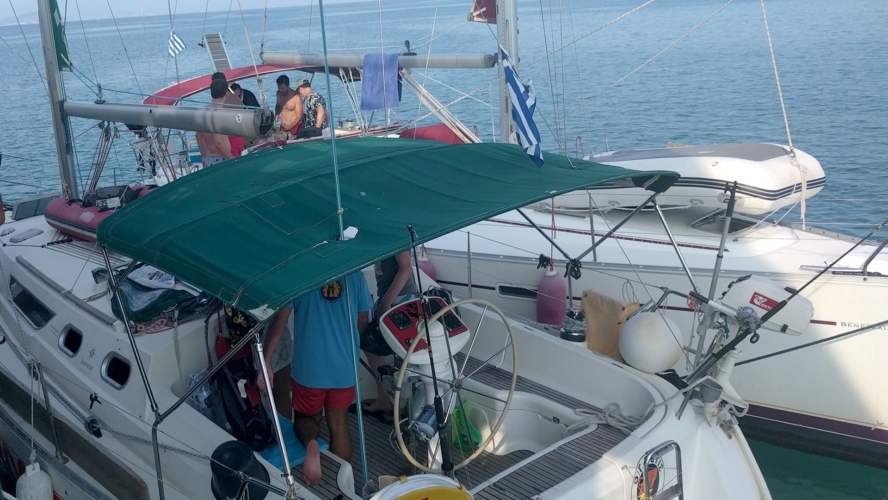
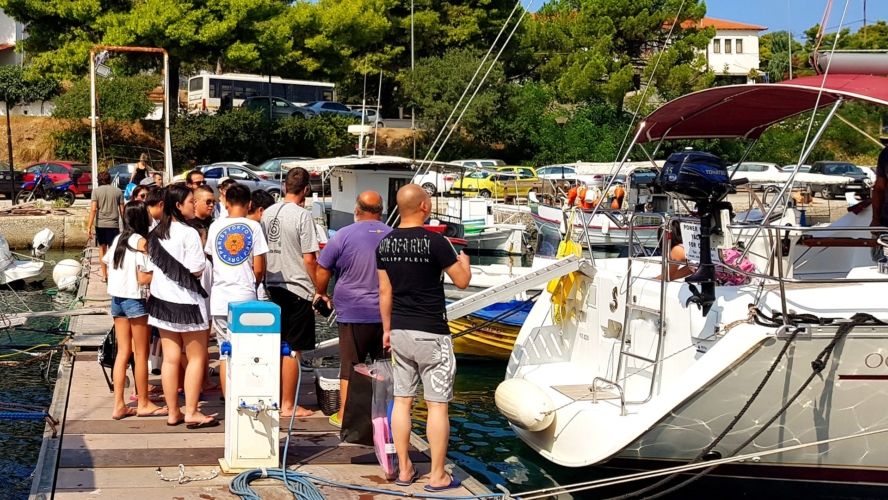
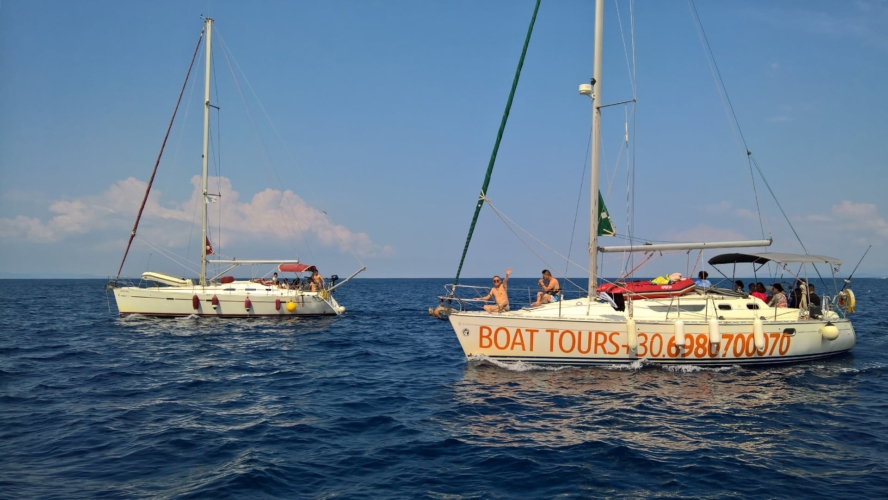
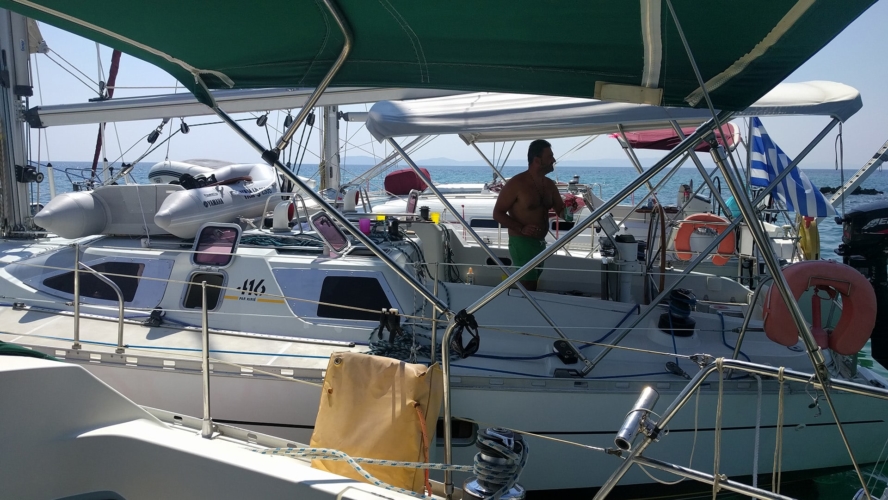
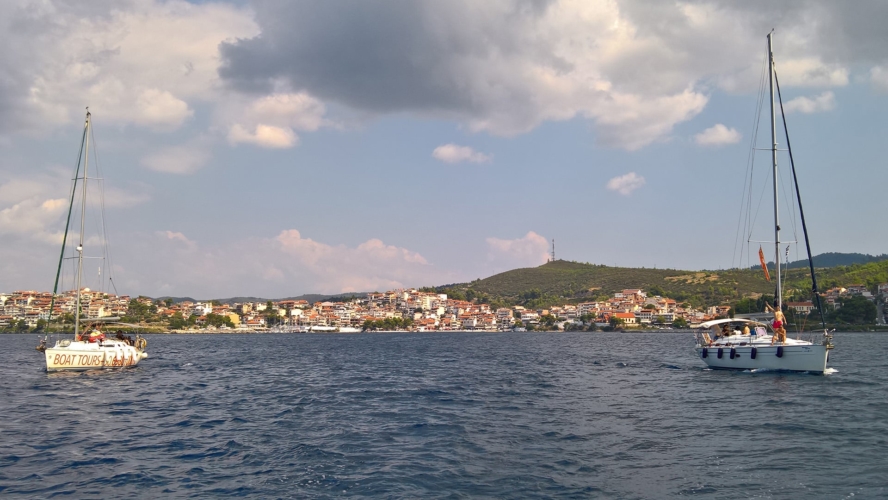
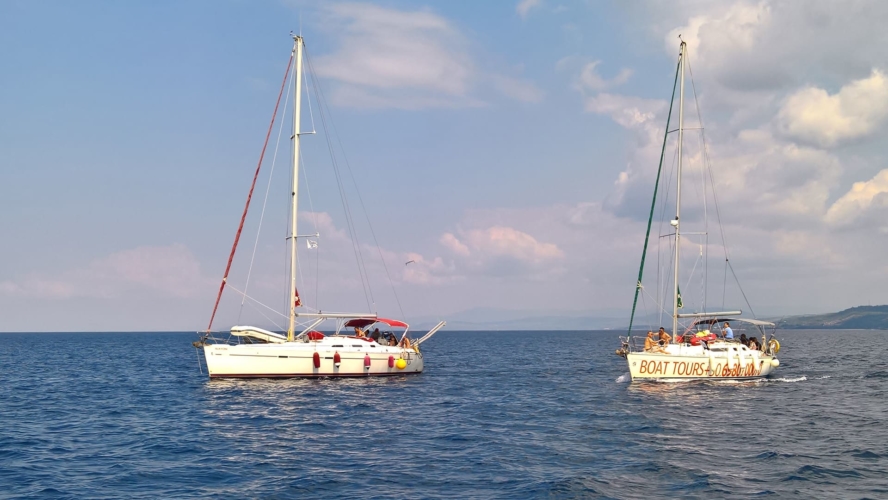
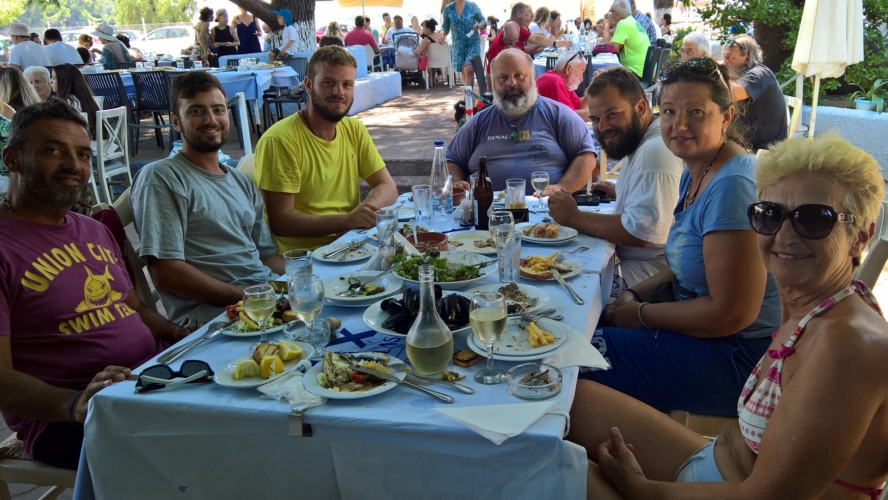
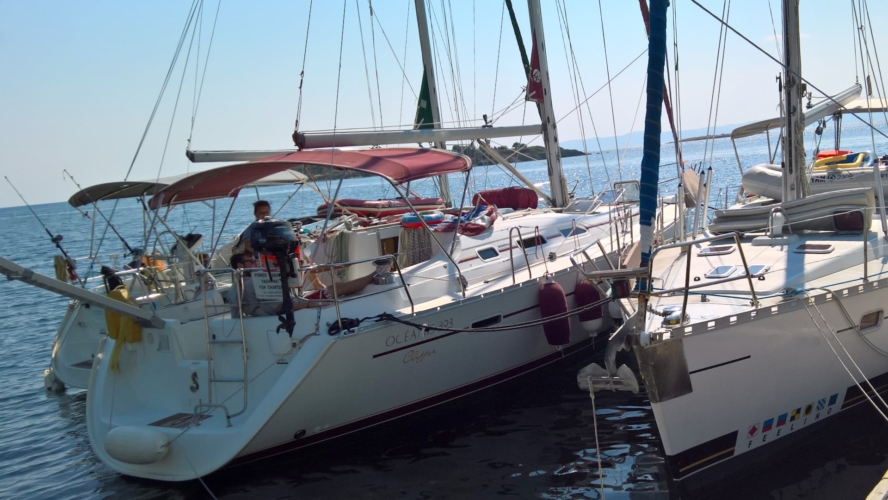
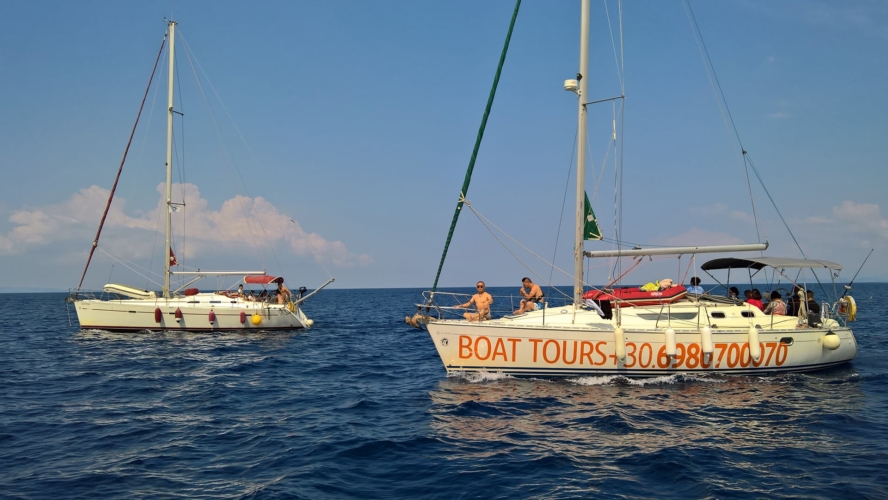
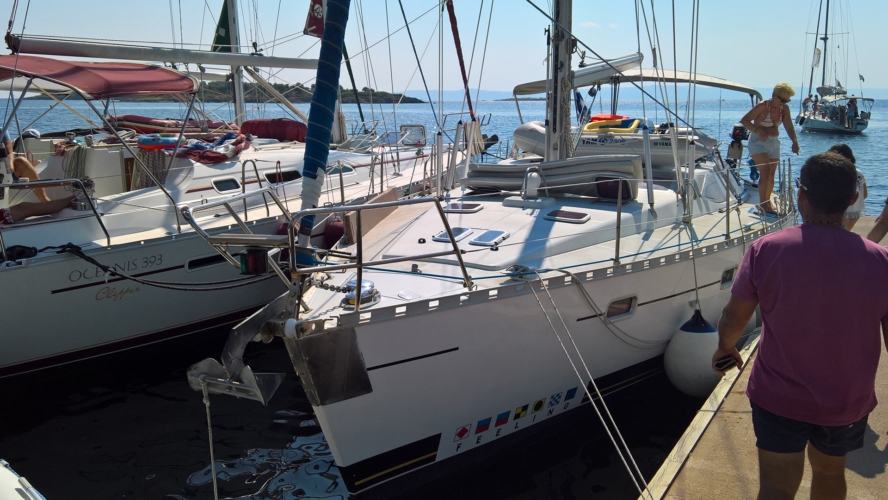
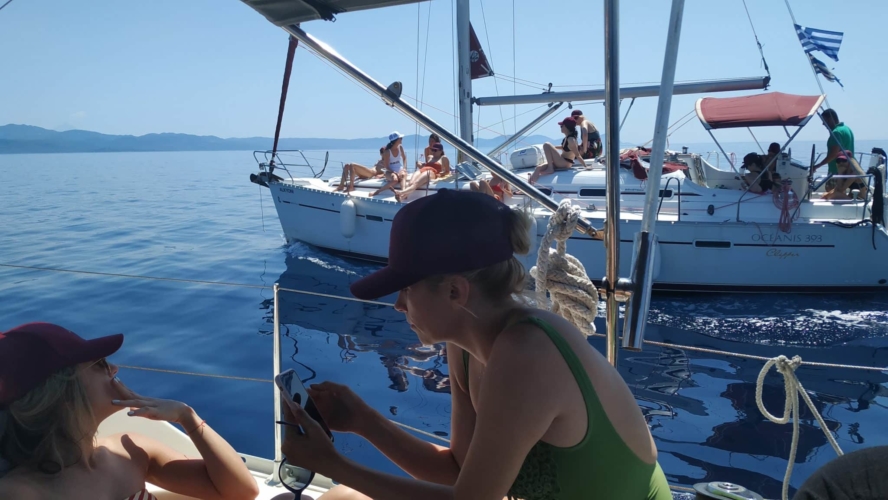
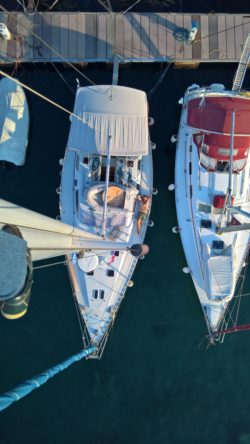
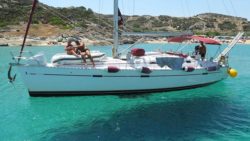
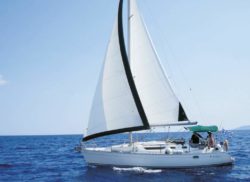
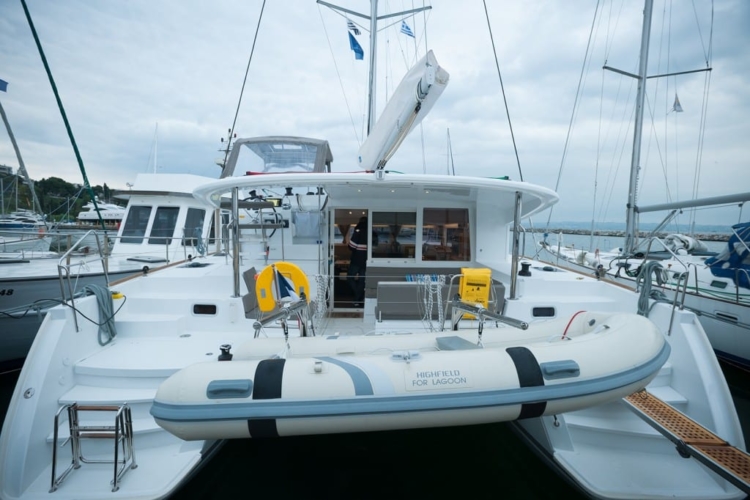
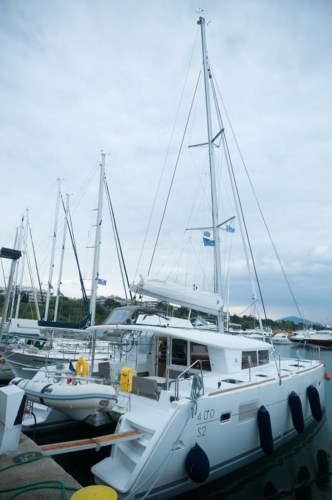
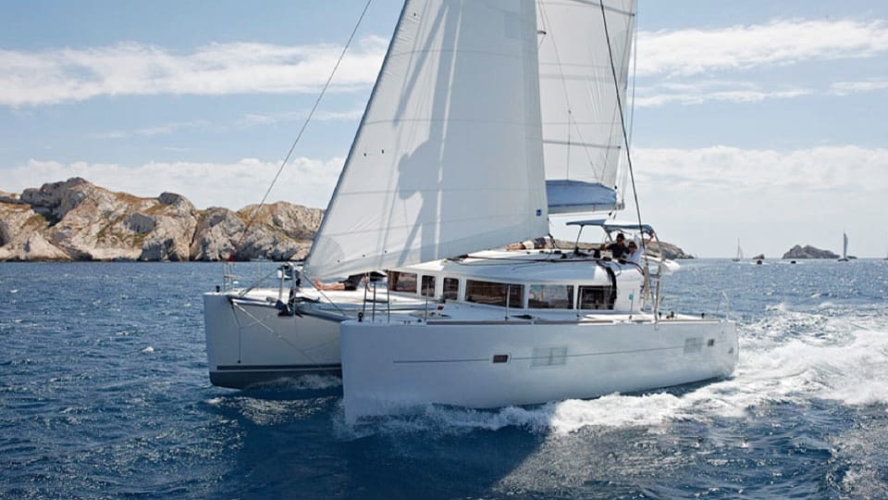
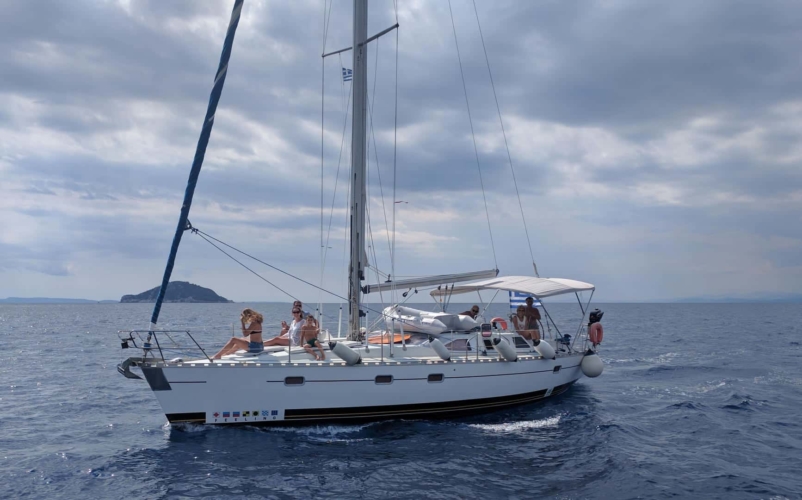
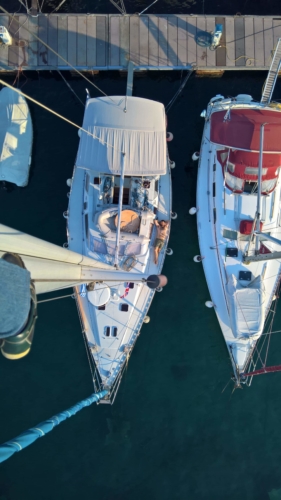
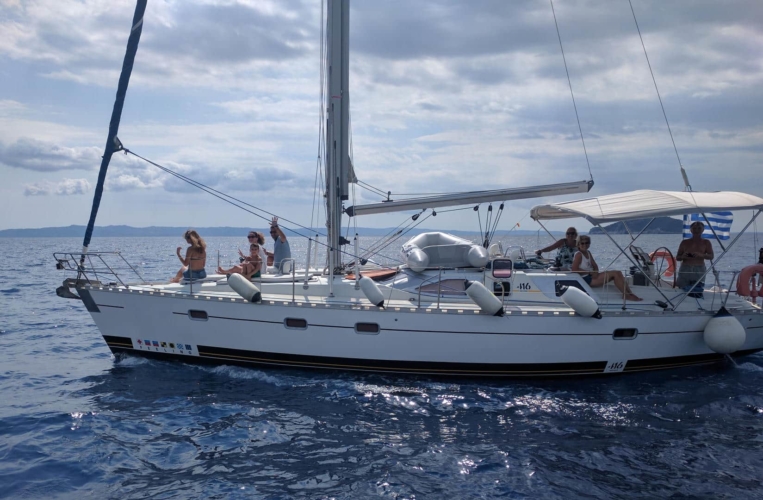
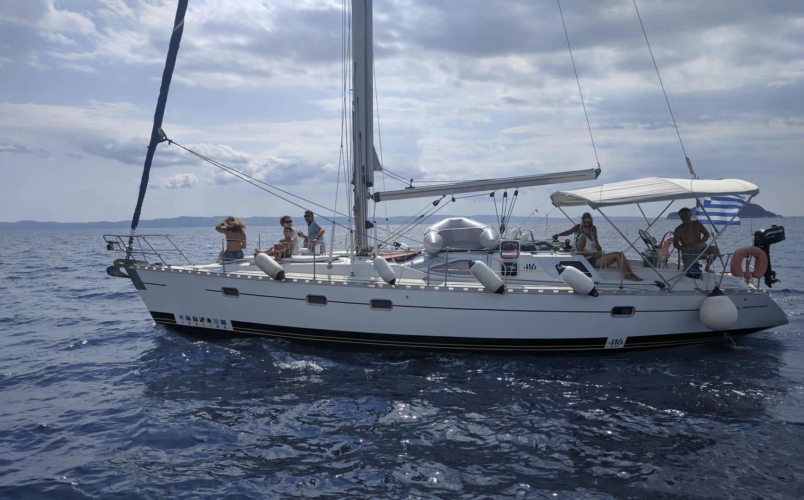
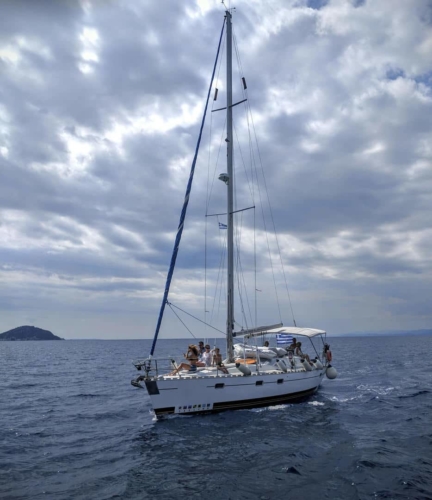
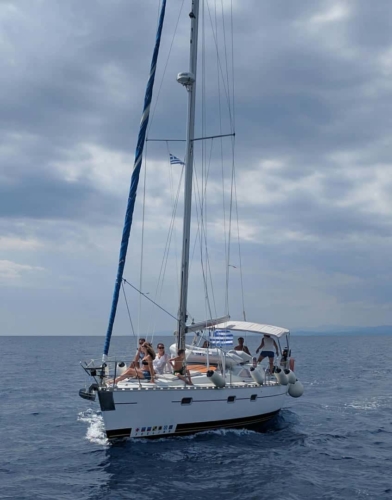
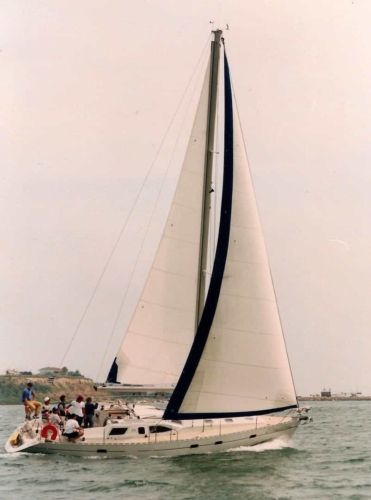
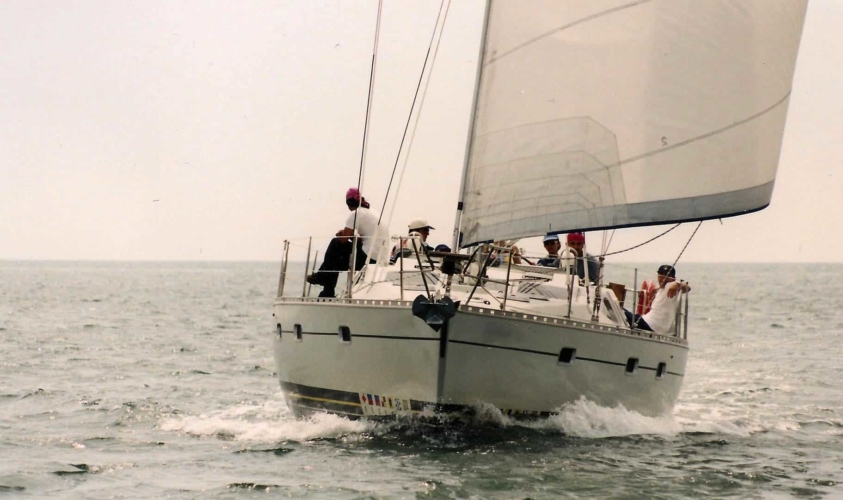
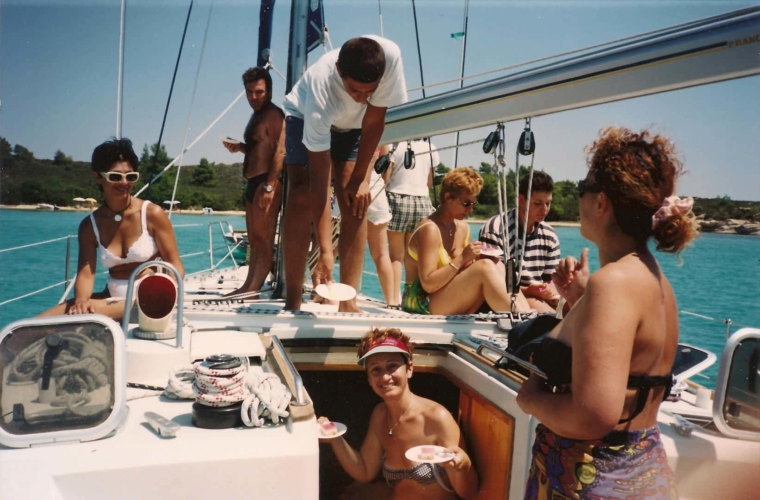
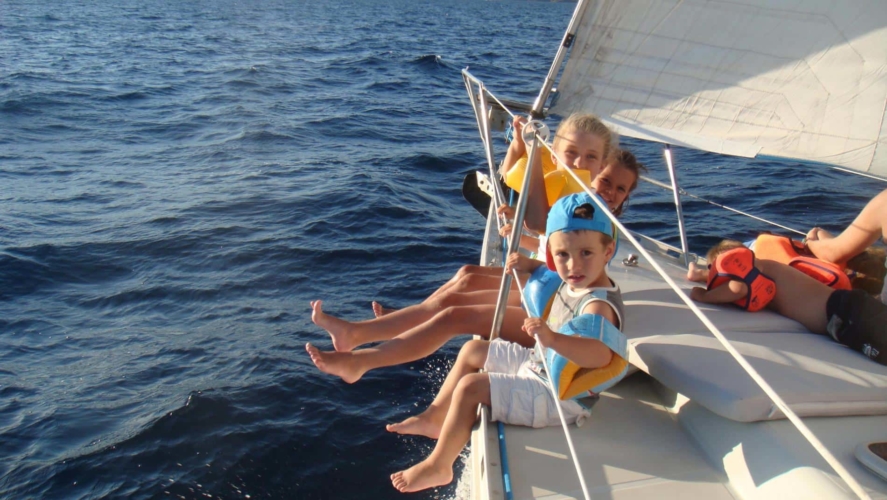
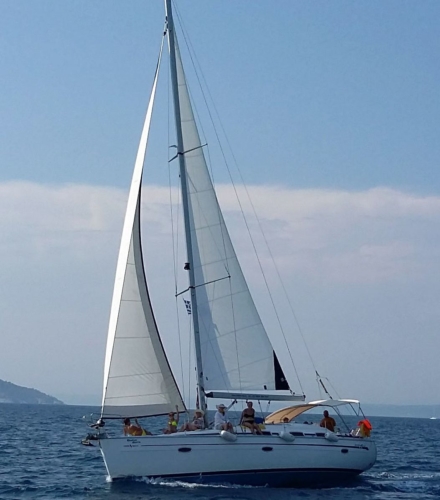
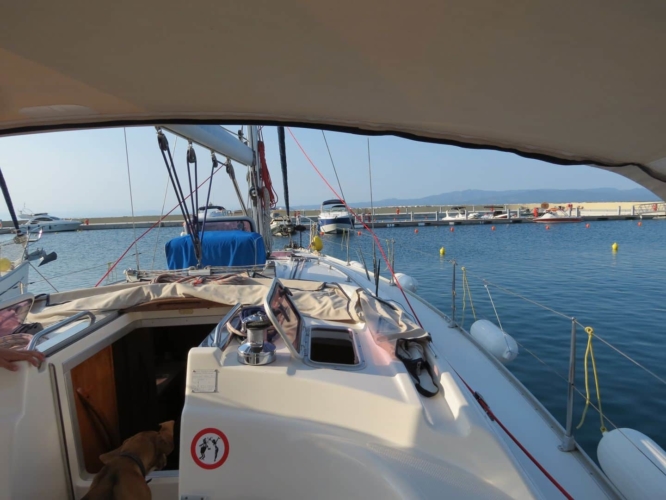
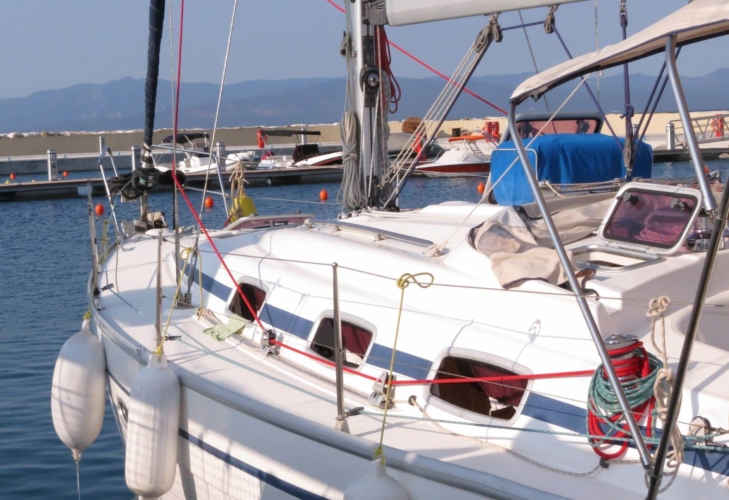
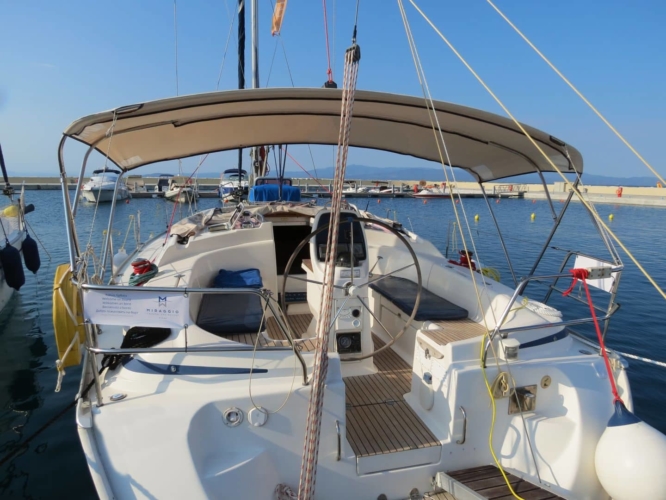
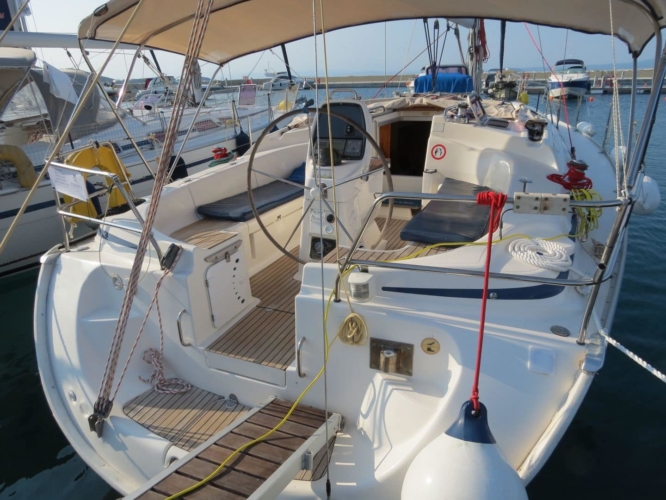
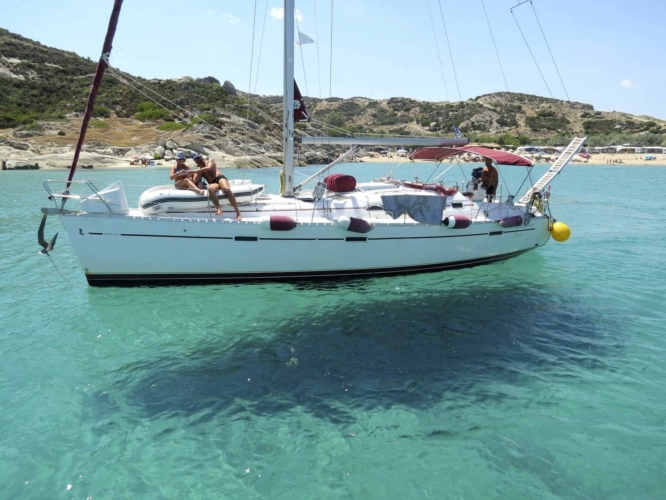
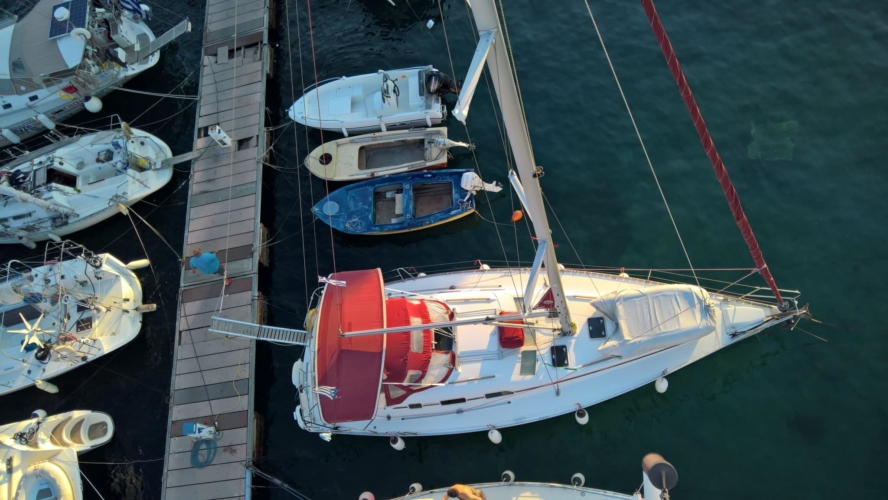
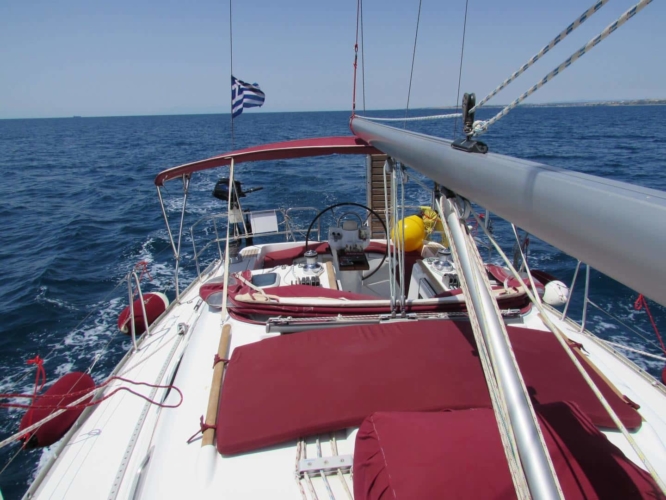
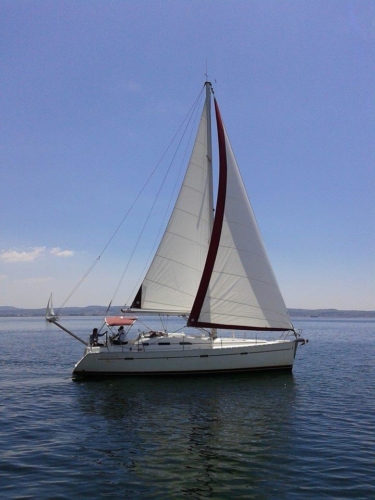
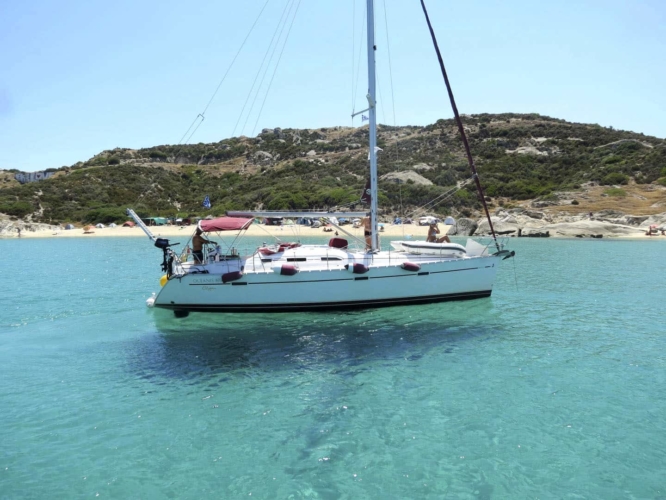
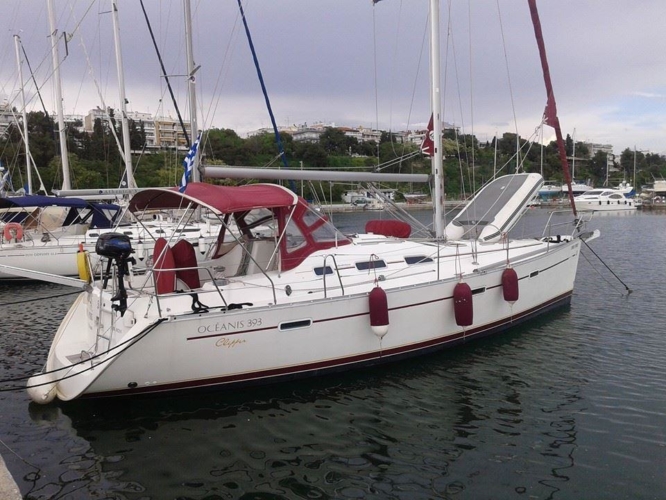
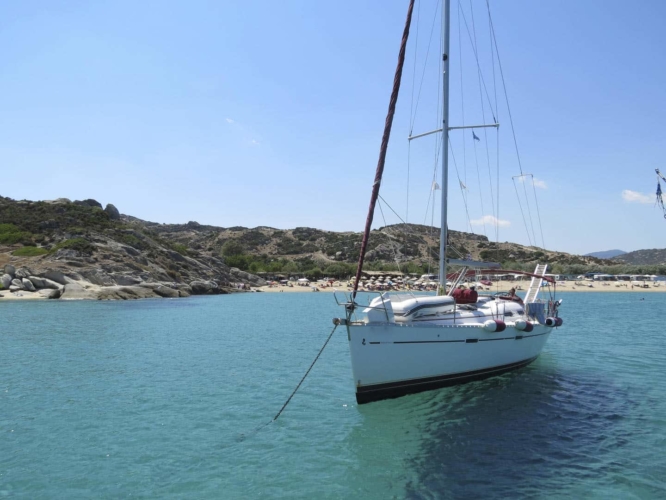
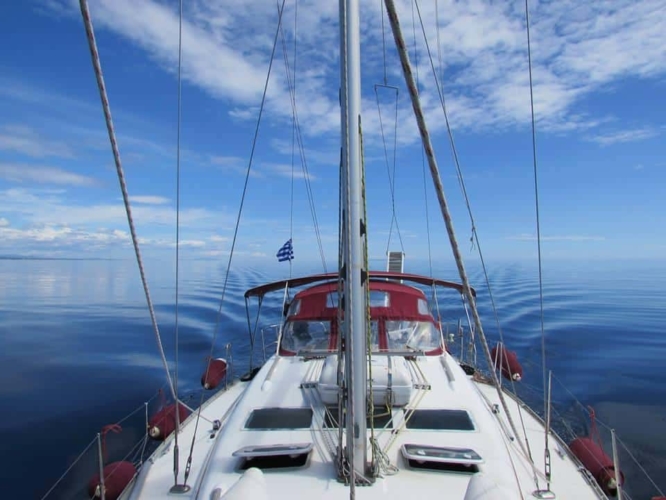
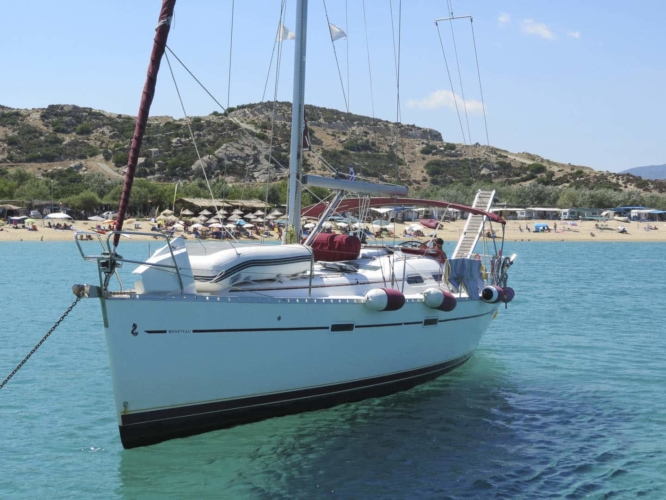
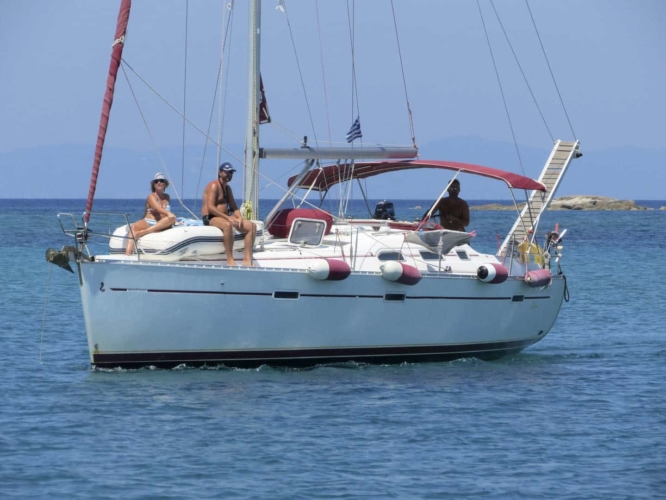
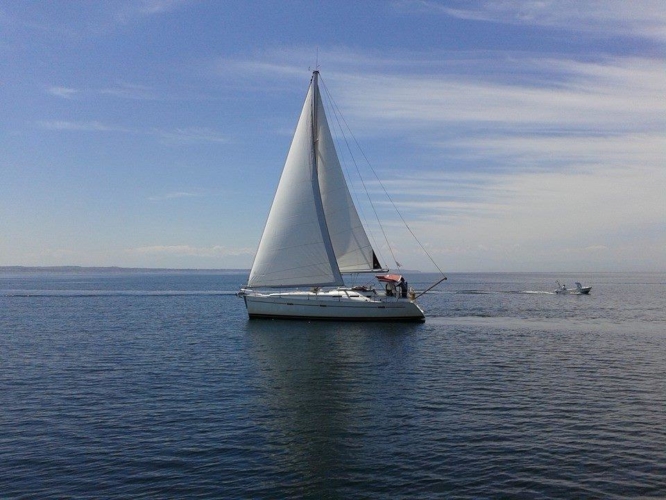
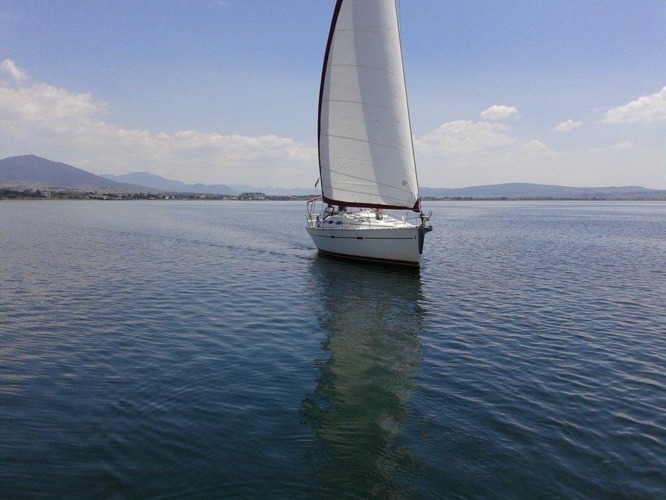
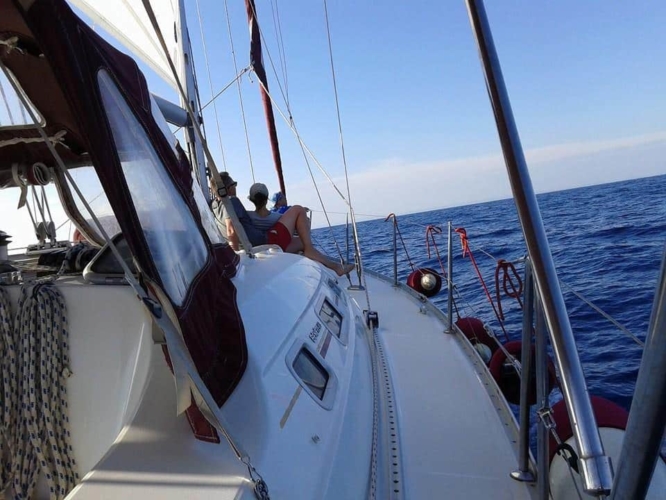
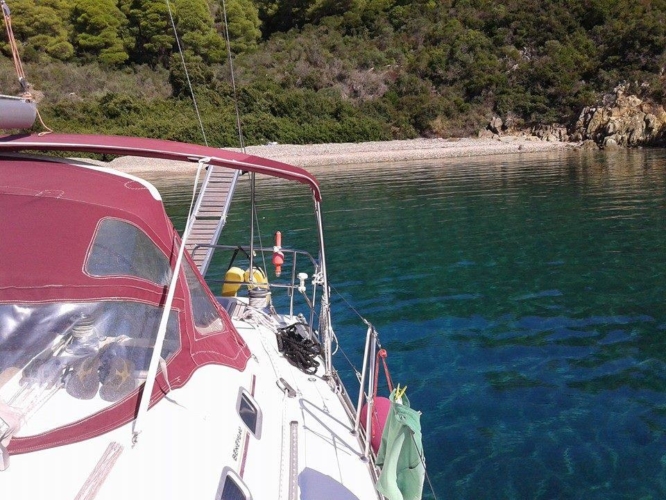
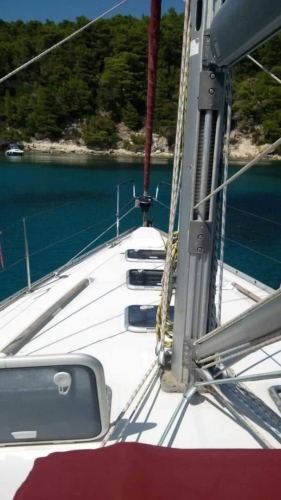
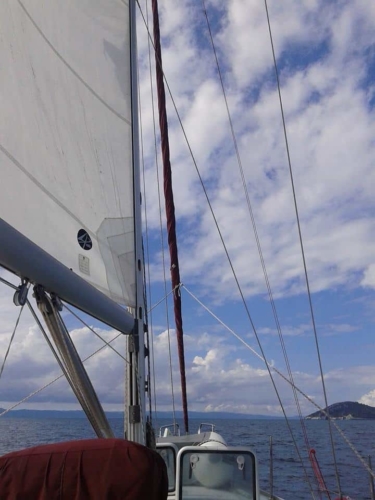
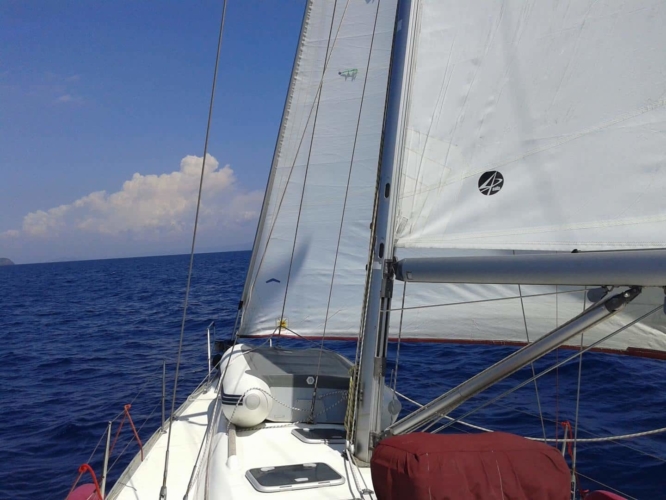
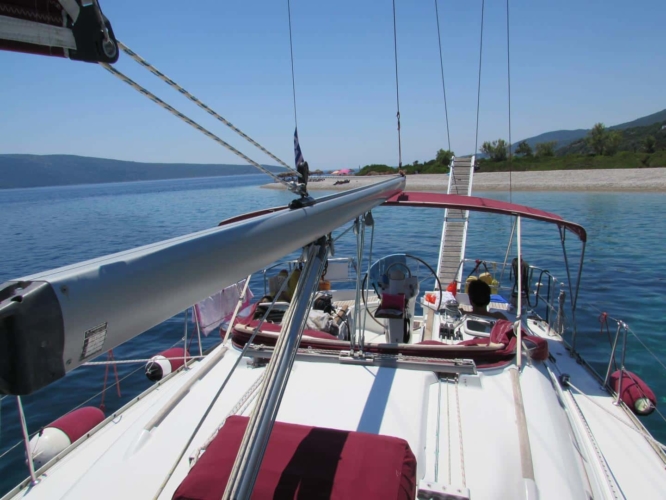
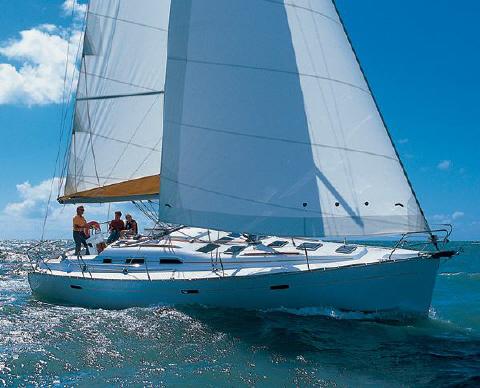
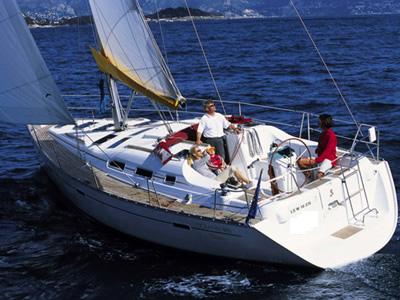
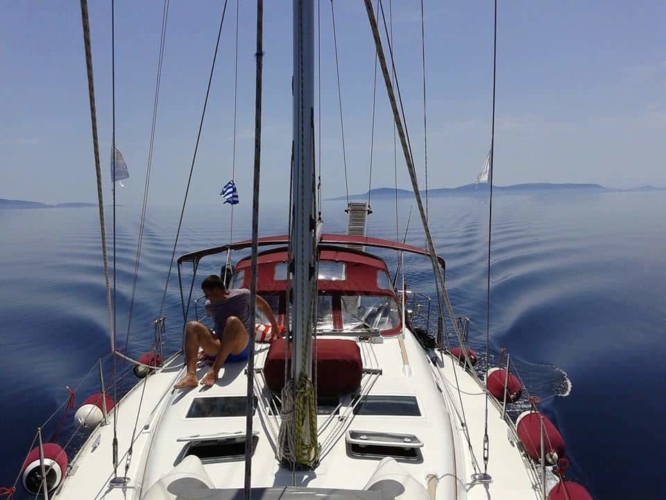
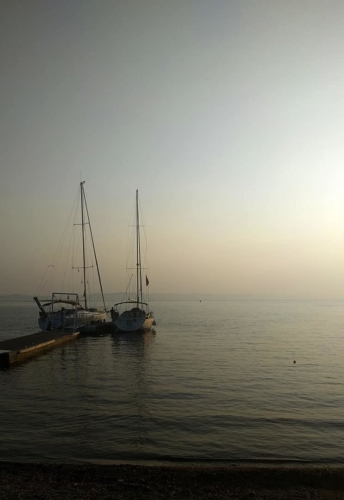
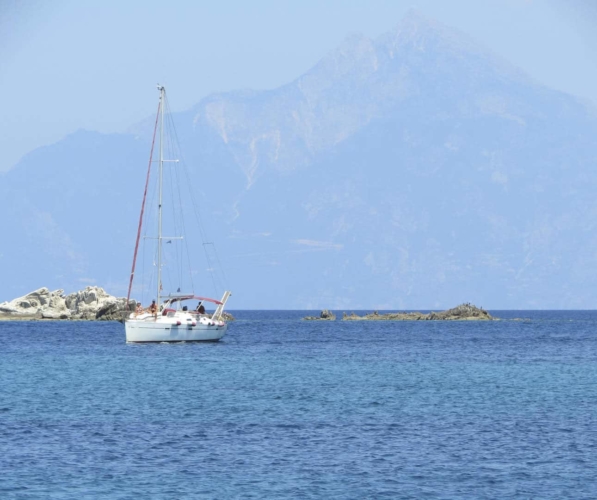
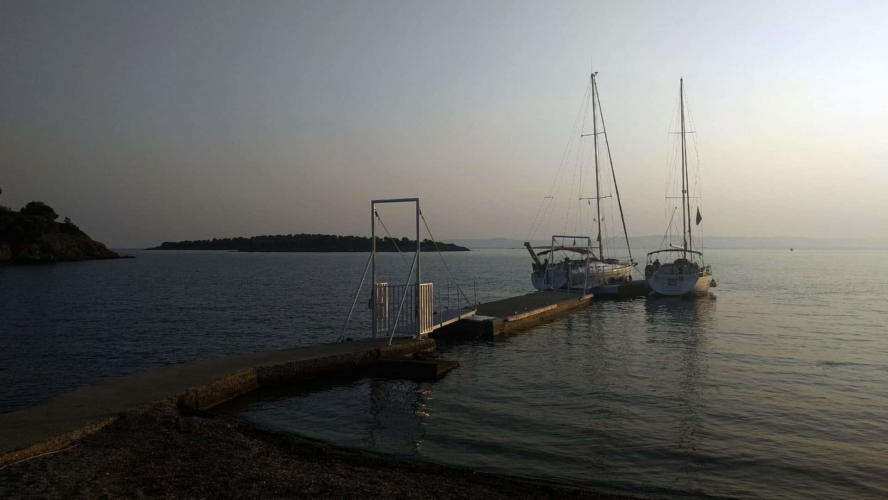
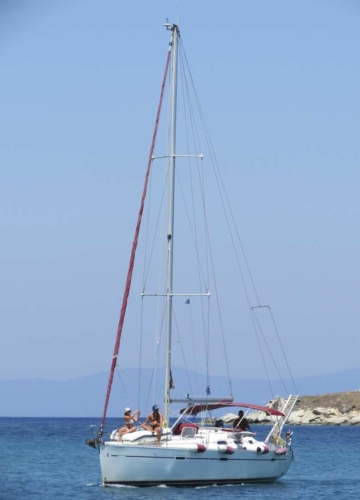
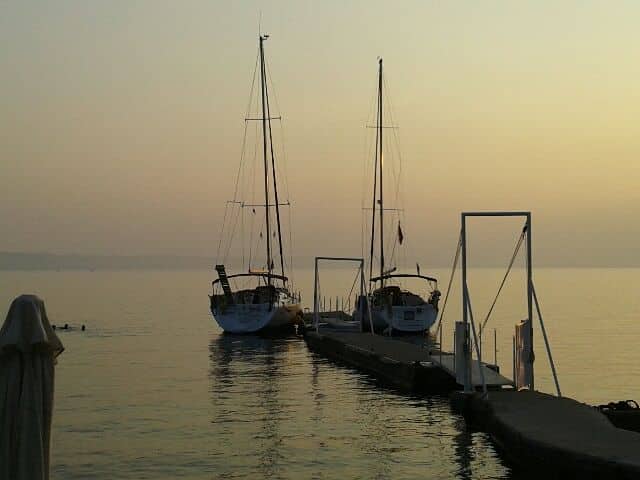
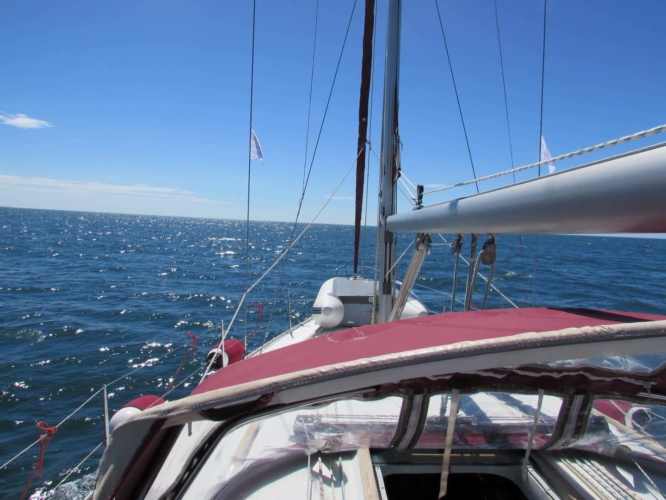
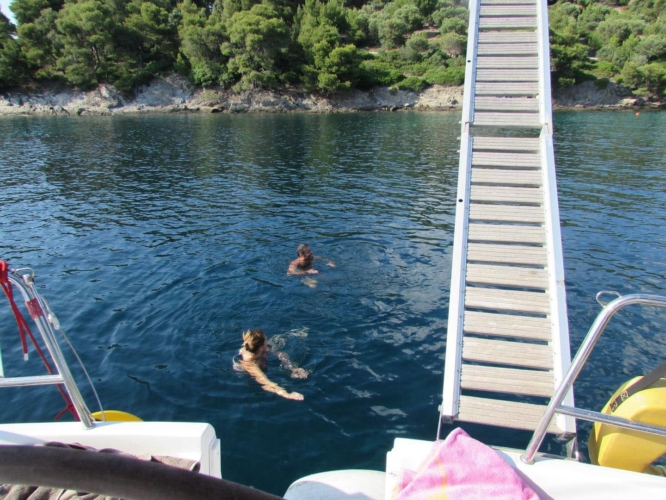
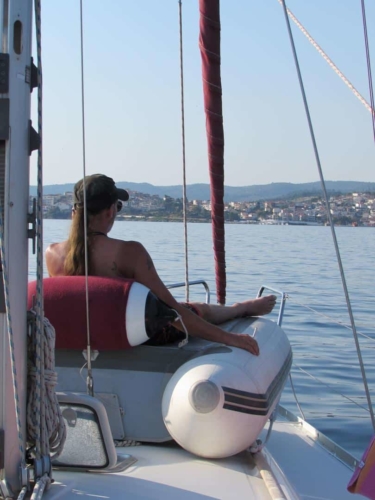
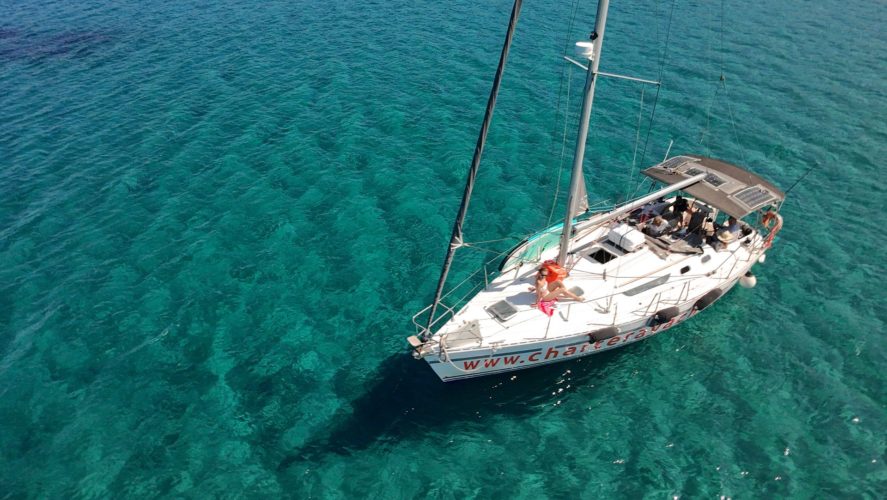
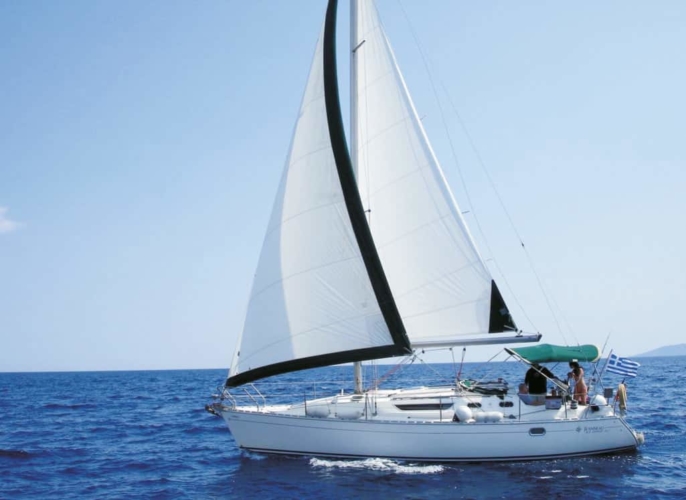
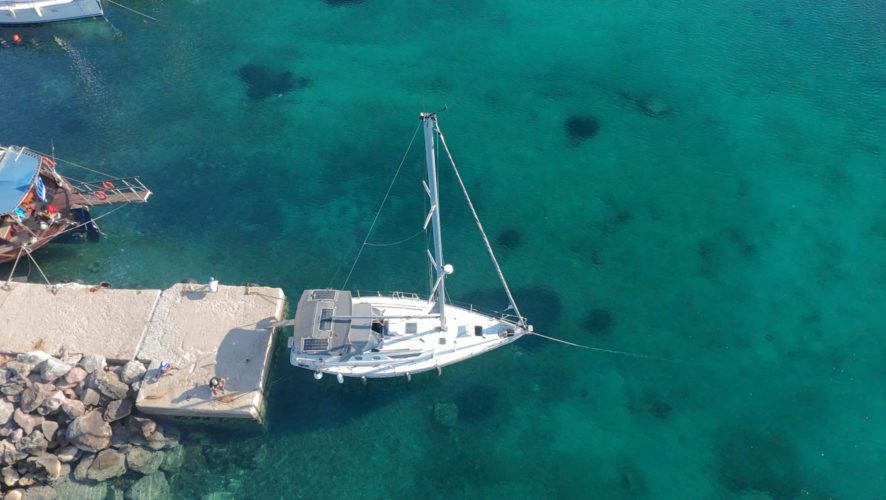
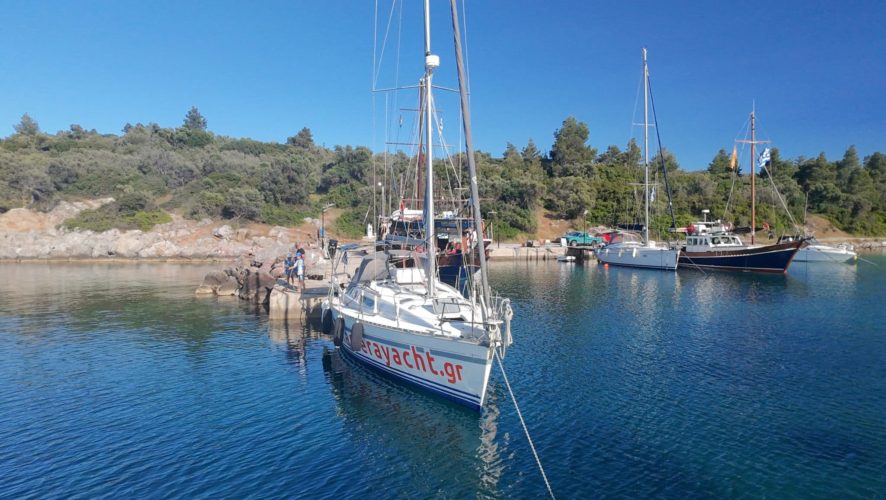
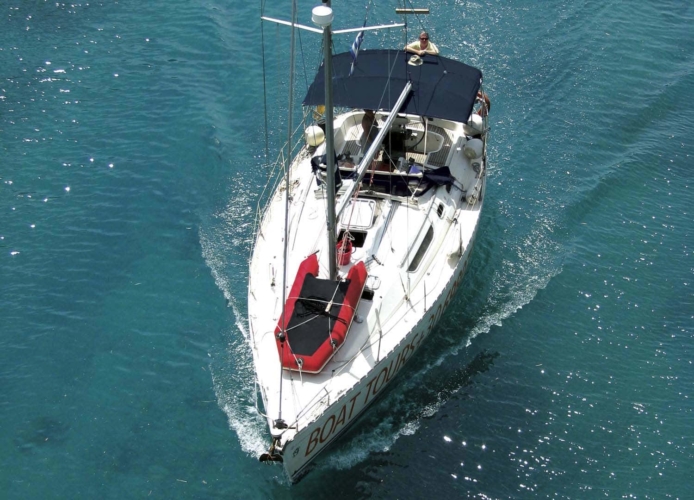
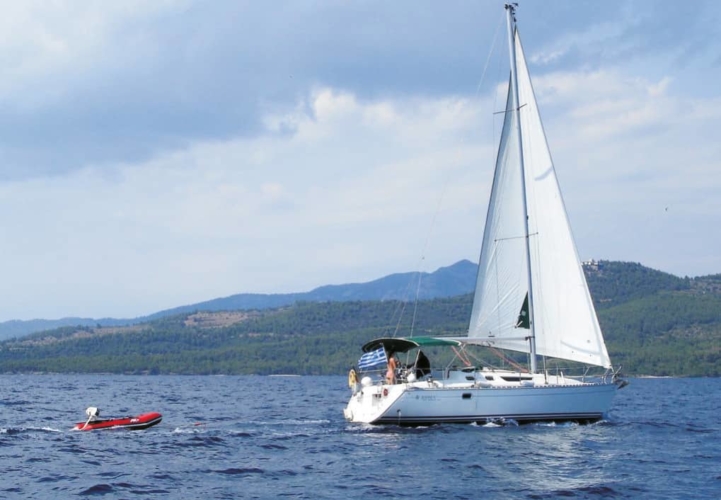
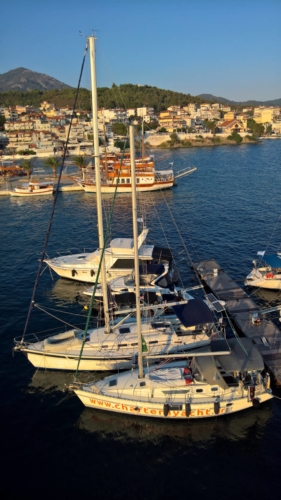
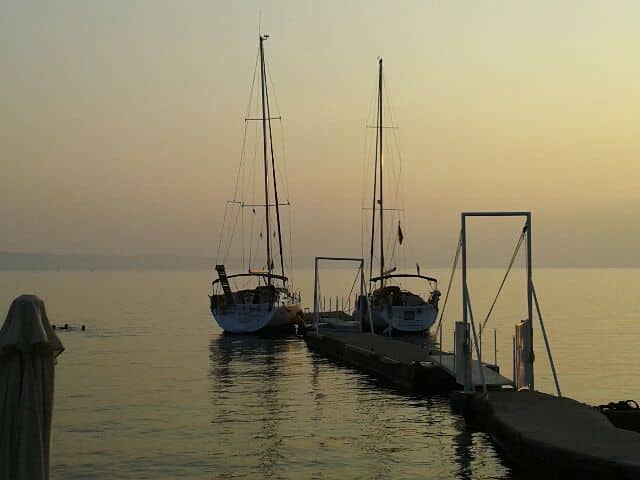
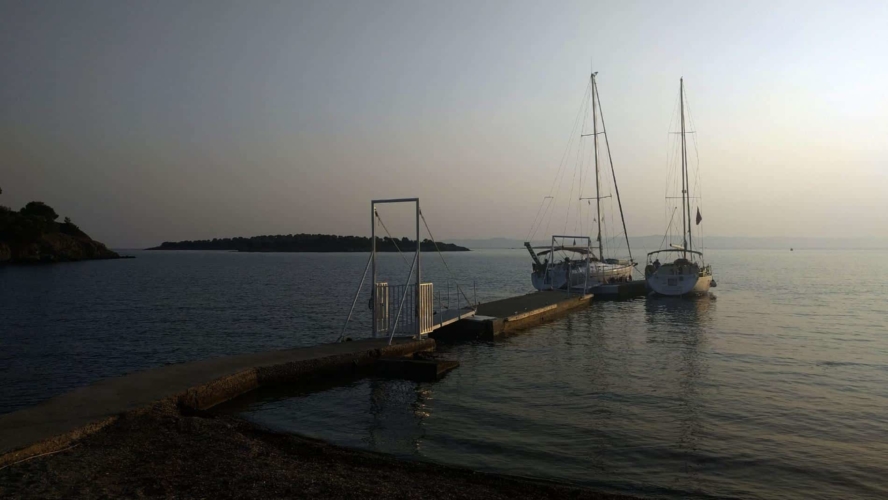
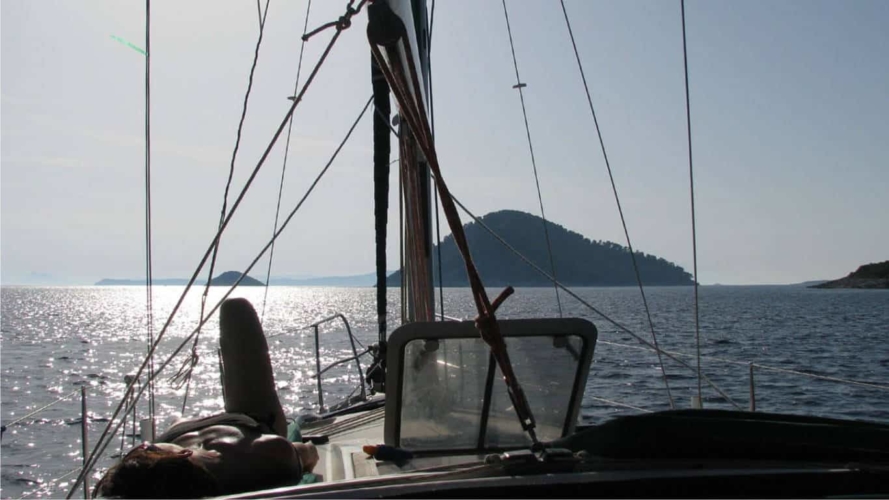
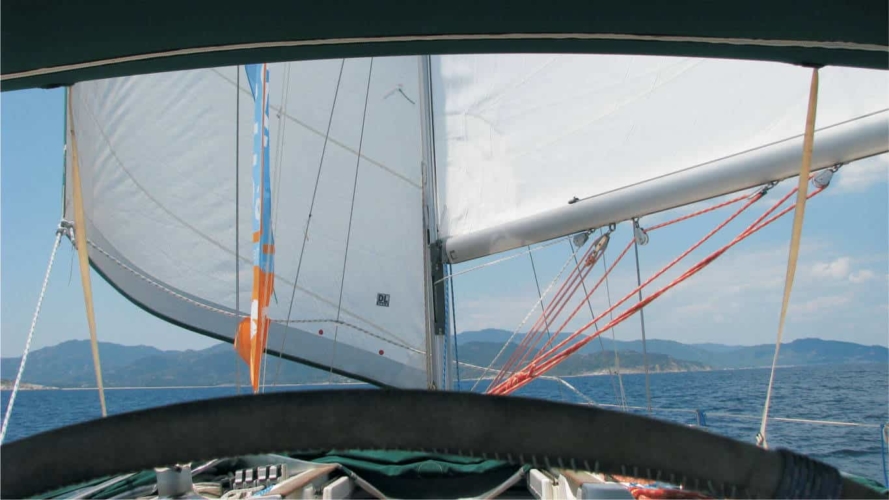
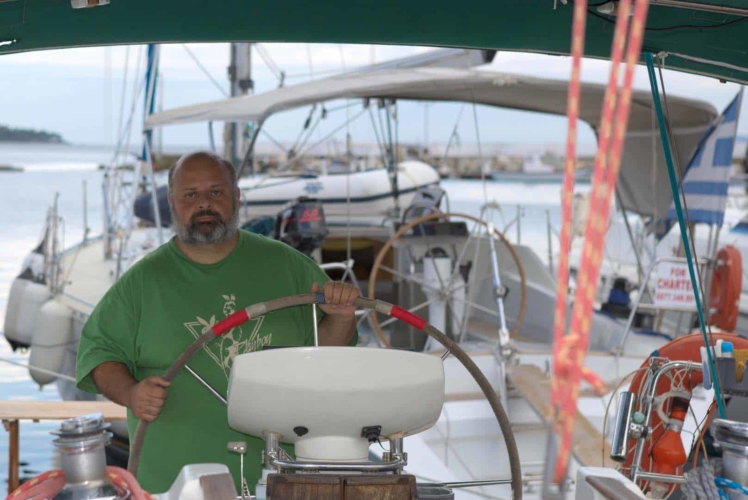
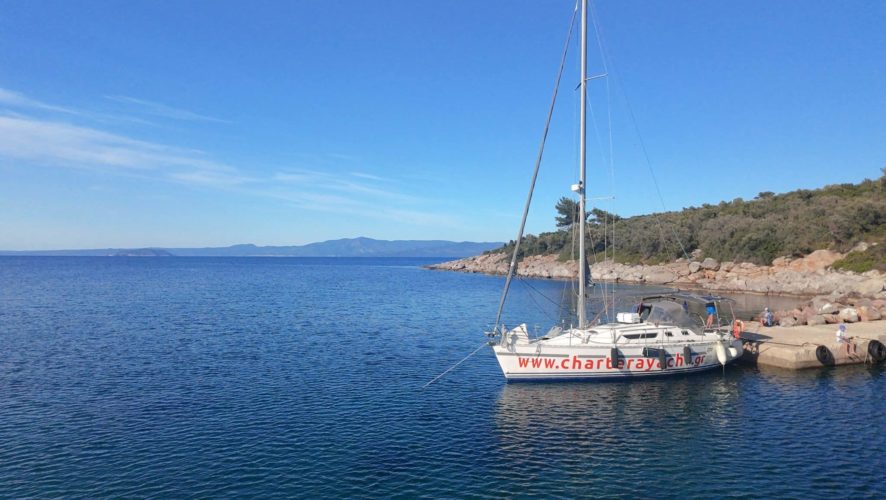
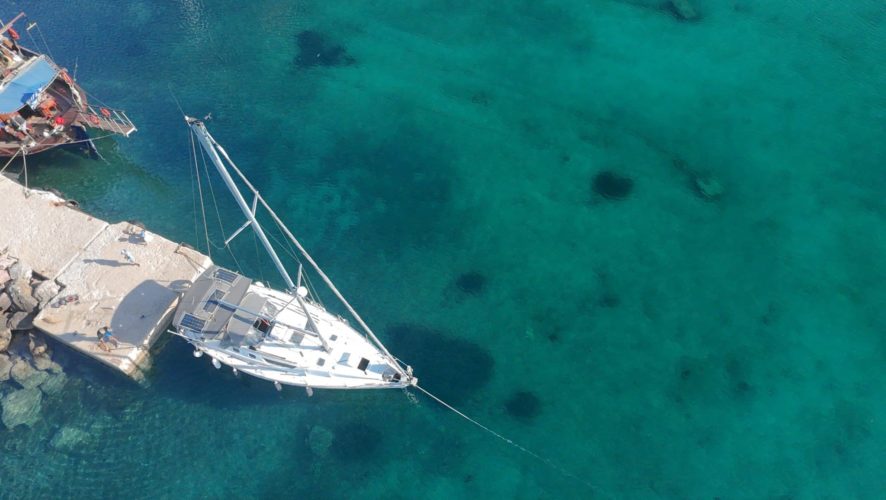
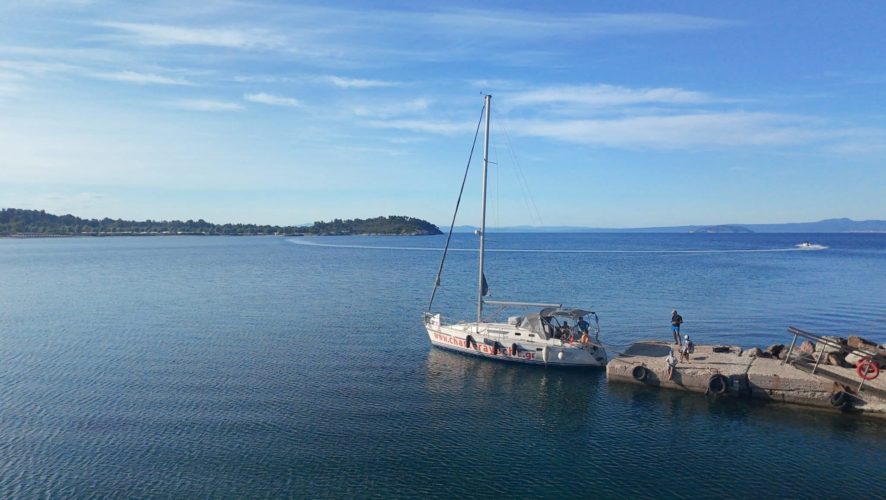
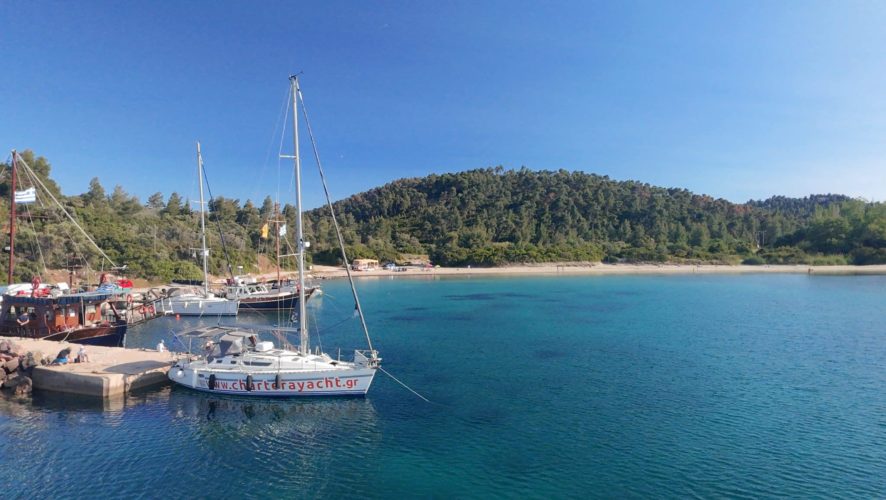
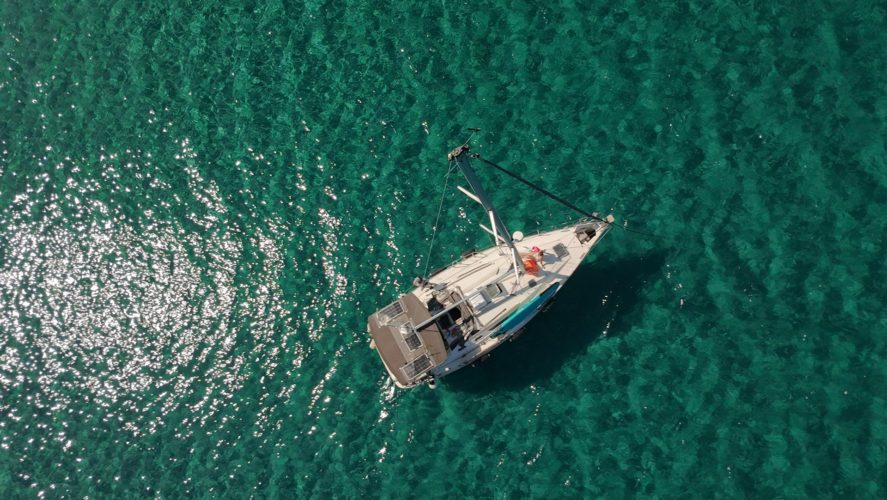
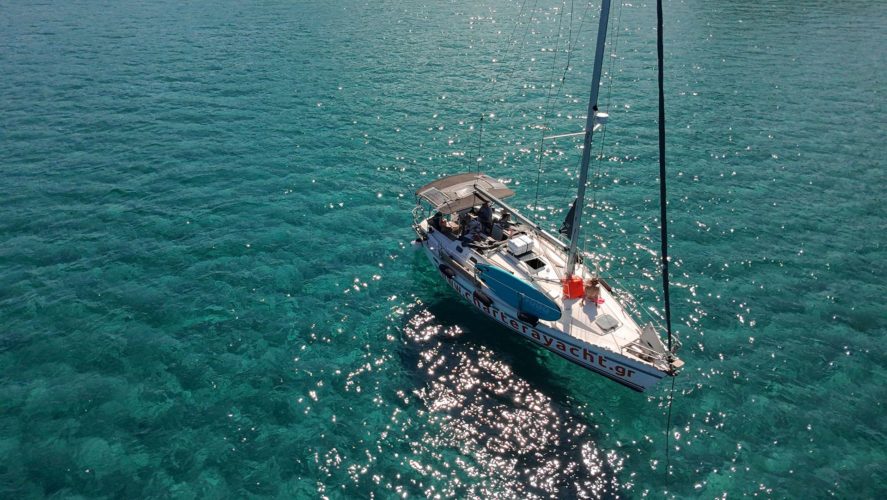
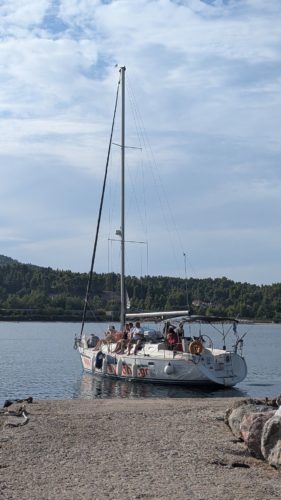
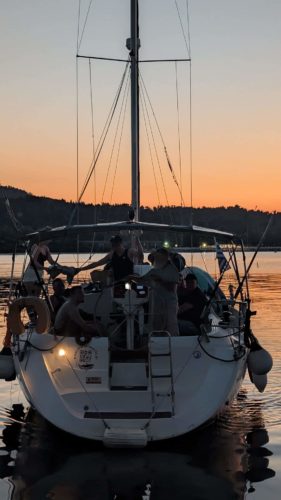
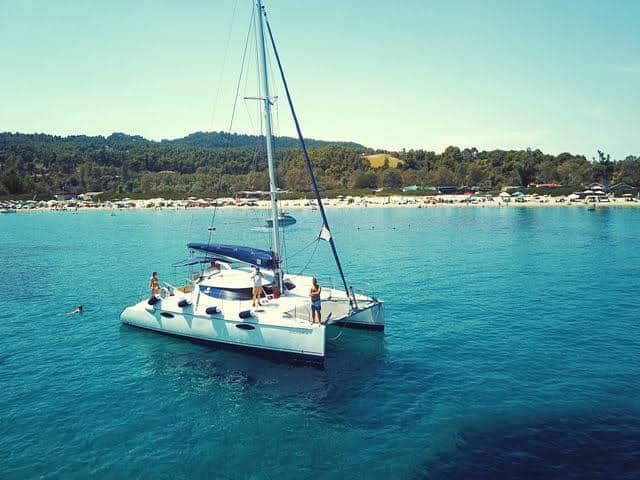
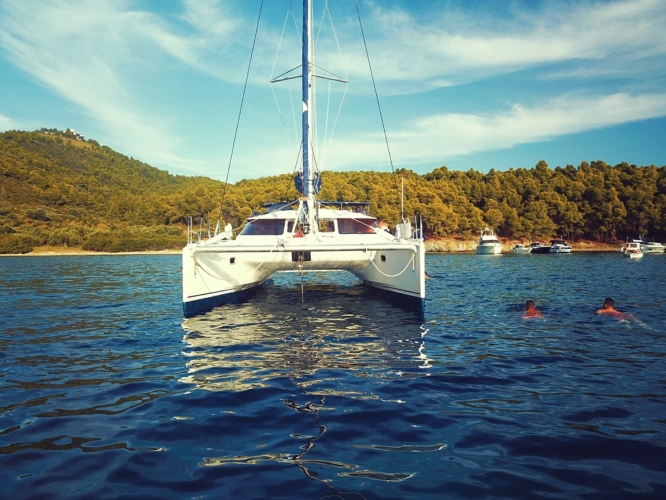
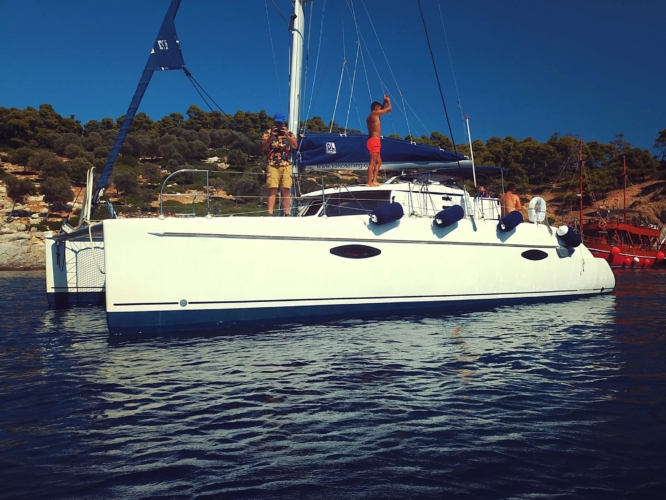
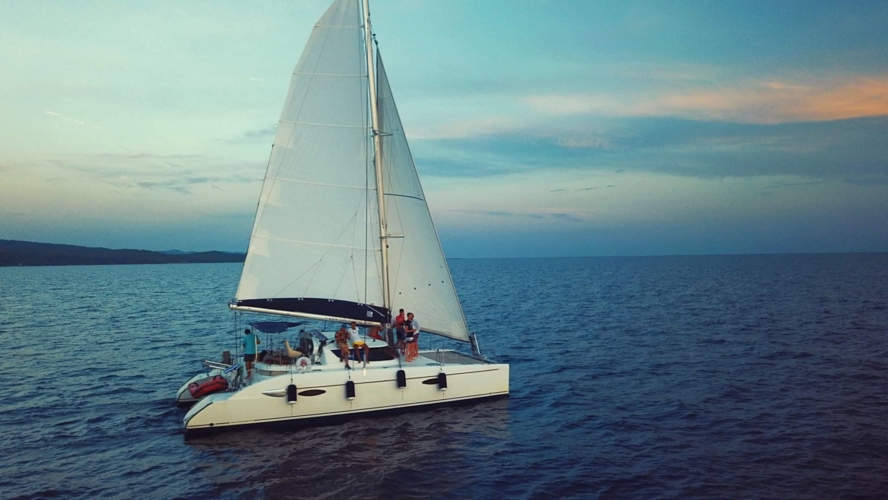
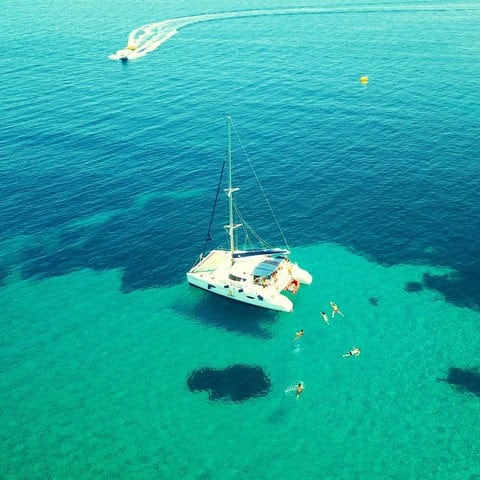
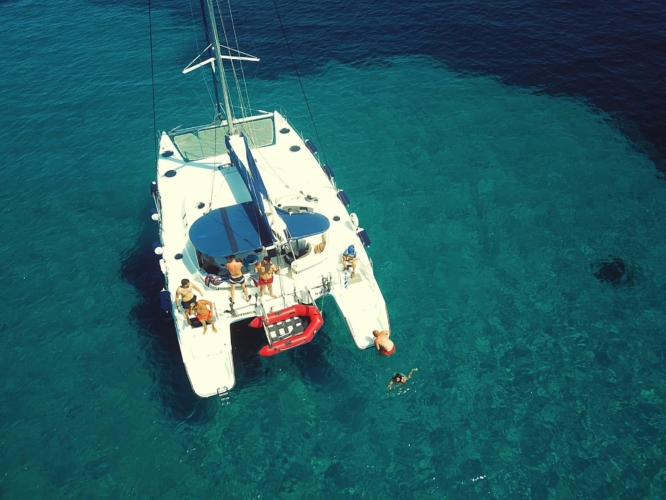
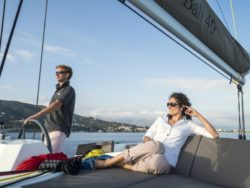
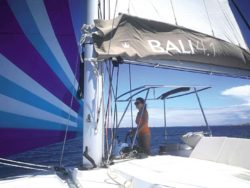
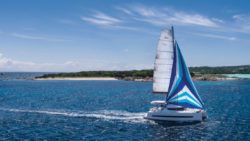
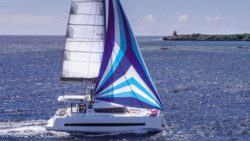
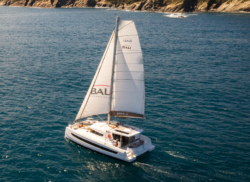
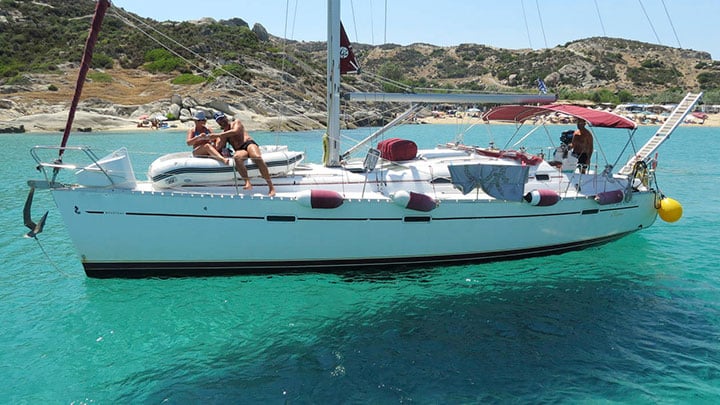
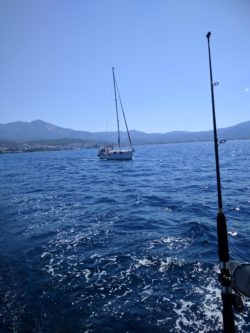
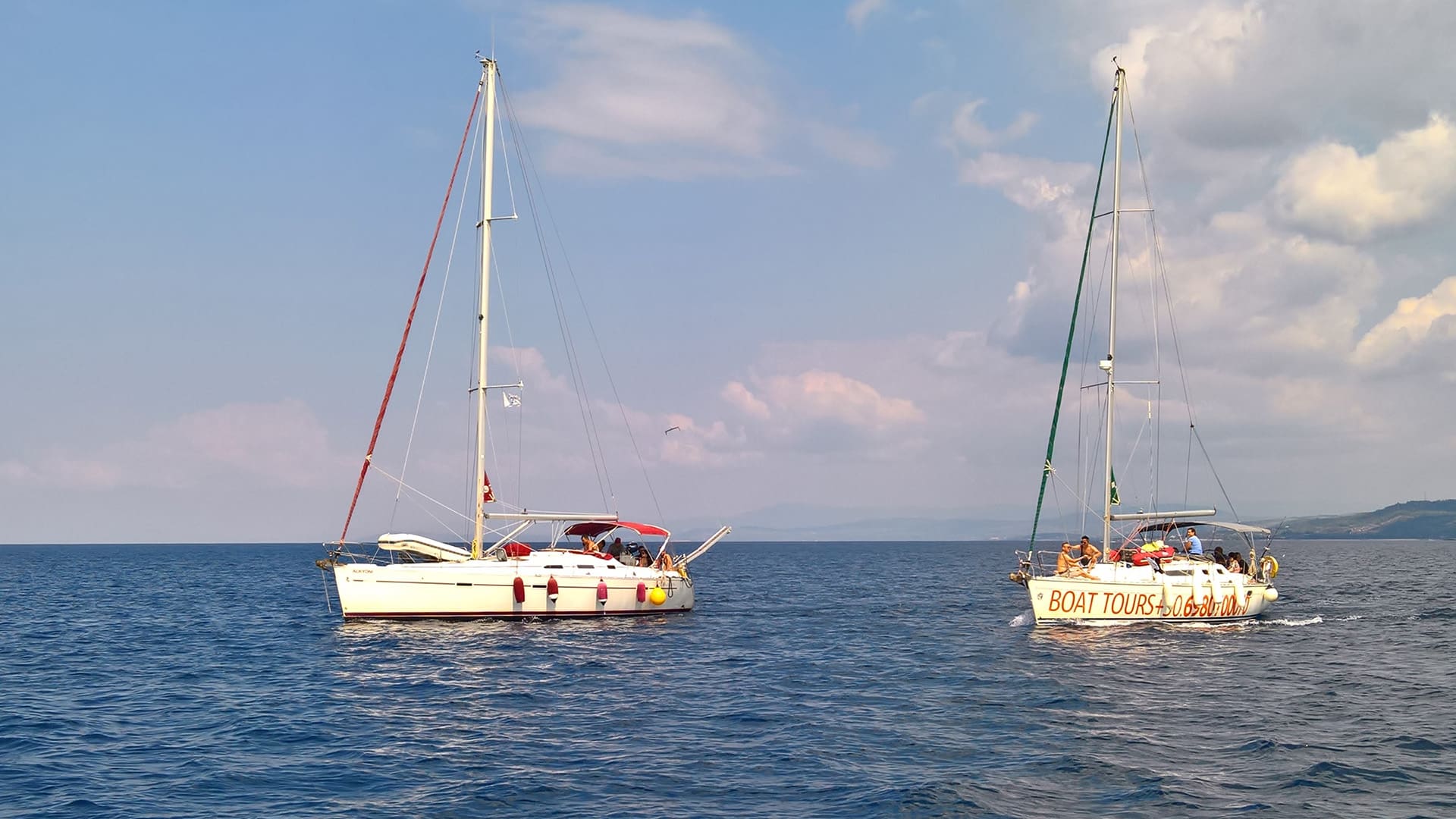
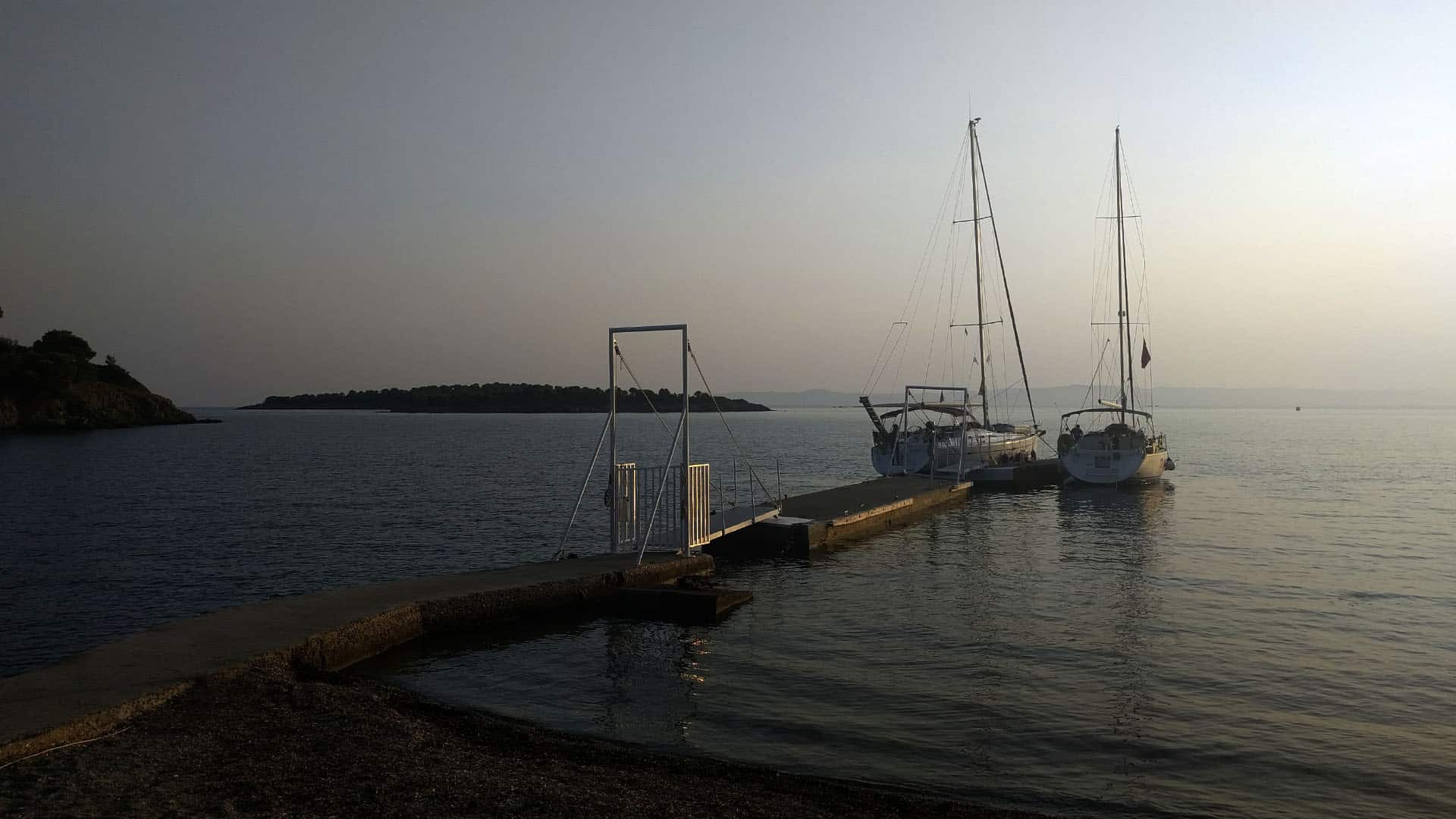
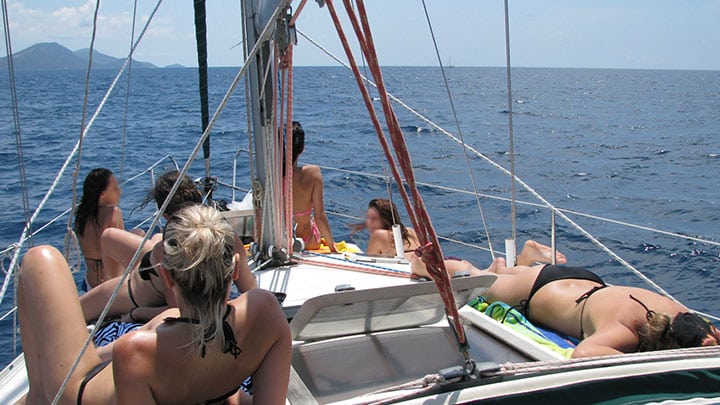
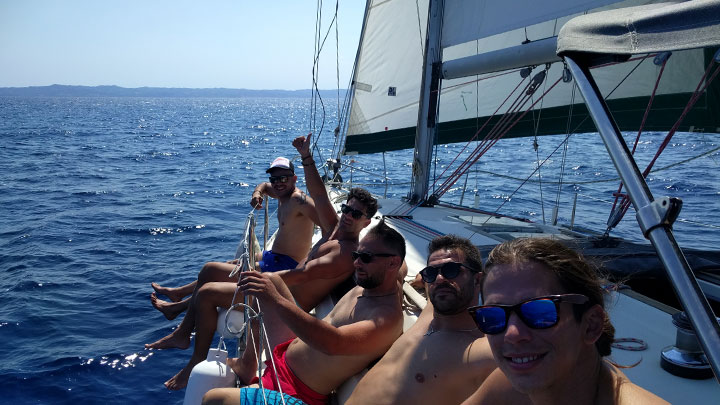
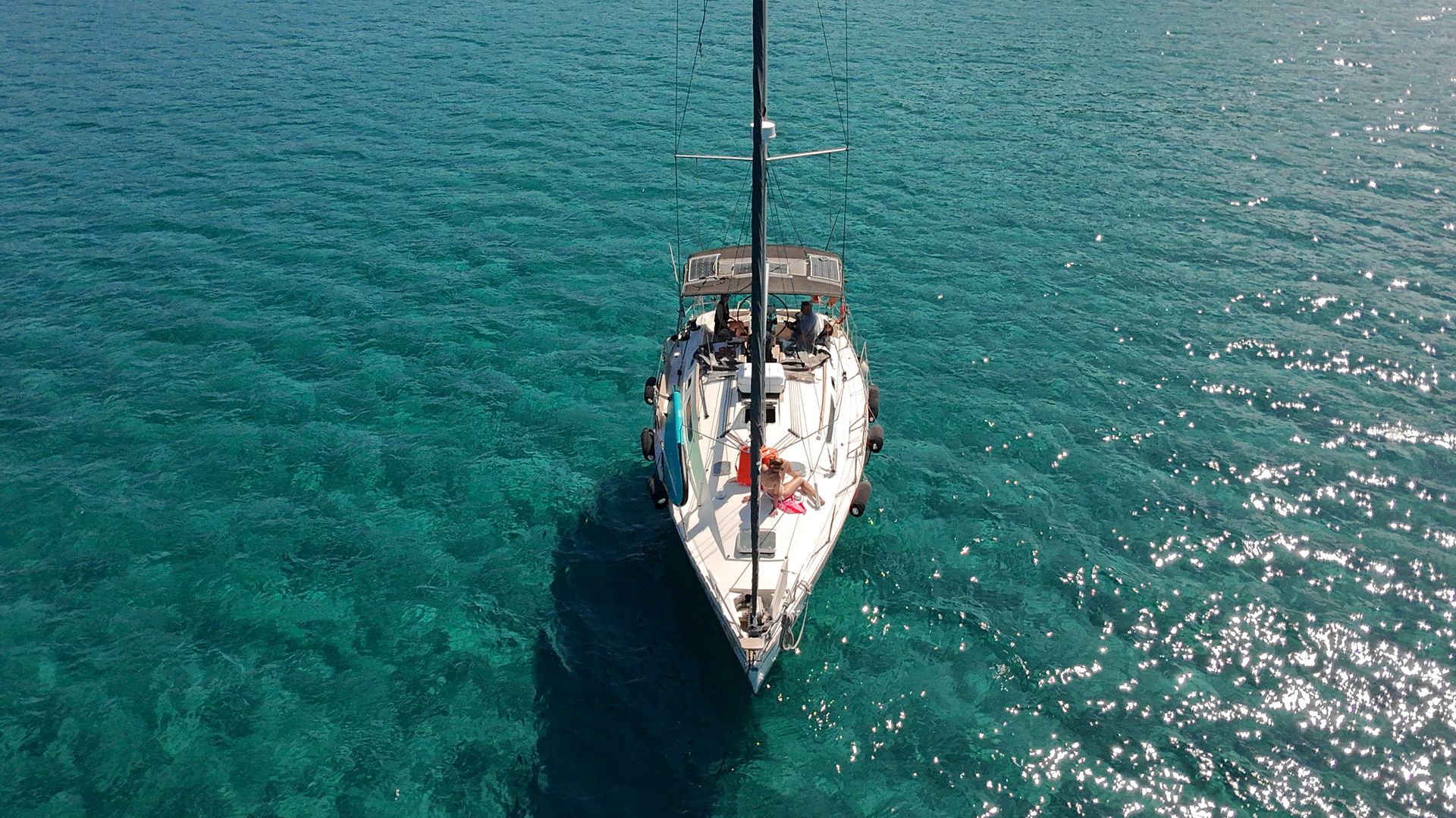
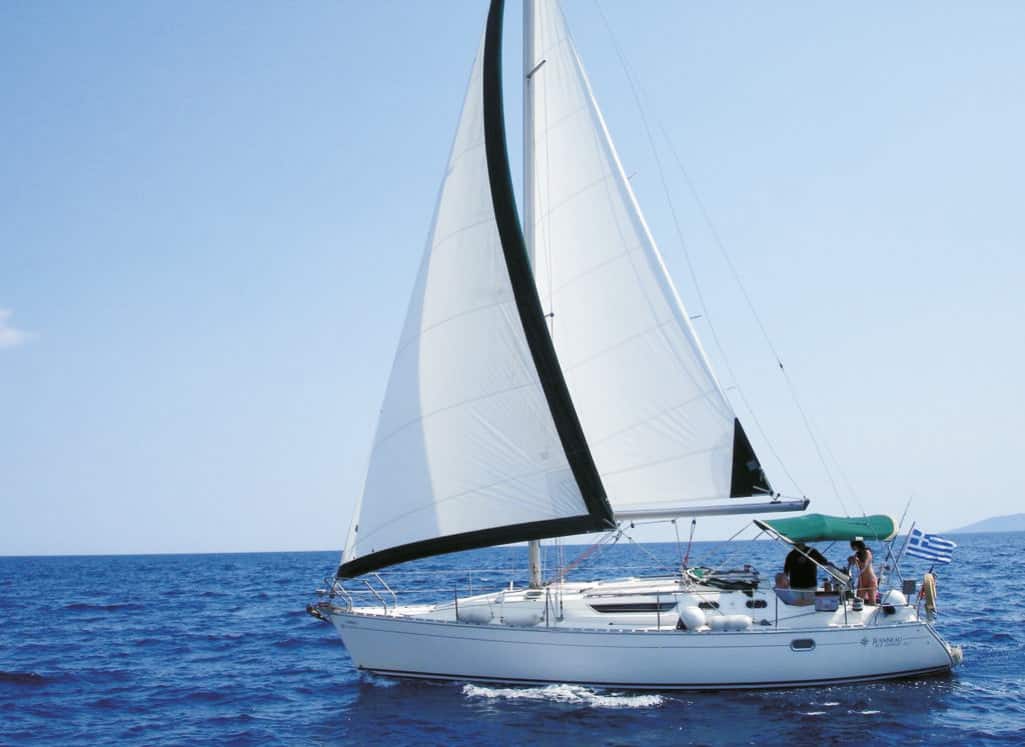
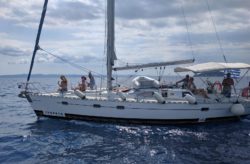
People usually ask me this. As the route usually takes us from one beach to the next, transfer times are about 30-45 min max between beaches. At each beach, the yachts drop anchor and tie together, making a large platform with plenty of ladders for getting back on board, showers, music, etc. Great for a party atmosphere. While underway, the boats, as you can see in the pictures, travel close to each other, 5-10 m apart, and people have more fun taking photos and joking. As you will all be together when we stop at the taverna, your group will practically be together almost all day.

What about the cost?

The price is very good considering that you are booking a private trip on luxury sailboats. Of course, it is cheaper to go on a day trip on a large boat with another 150 people, but sailing and having your own yachts and skippers makes the experience worth the extra cost.

call us: +306980700070

send a message via WhatsApp

call or text us on Viber

send a message via Messenger

Don’t forget to mention:

  • Number of persons, possible dates
  • The hotel you’ll be staying
  • The activity you are interested in
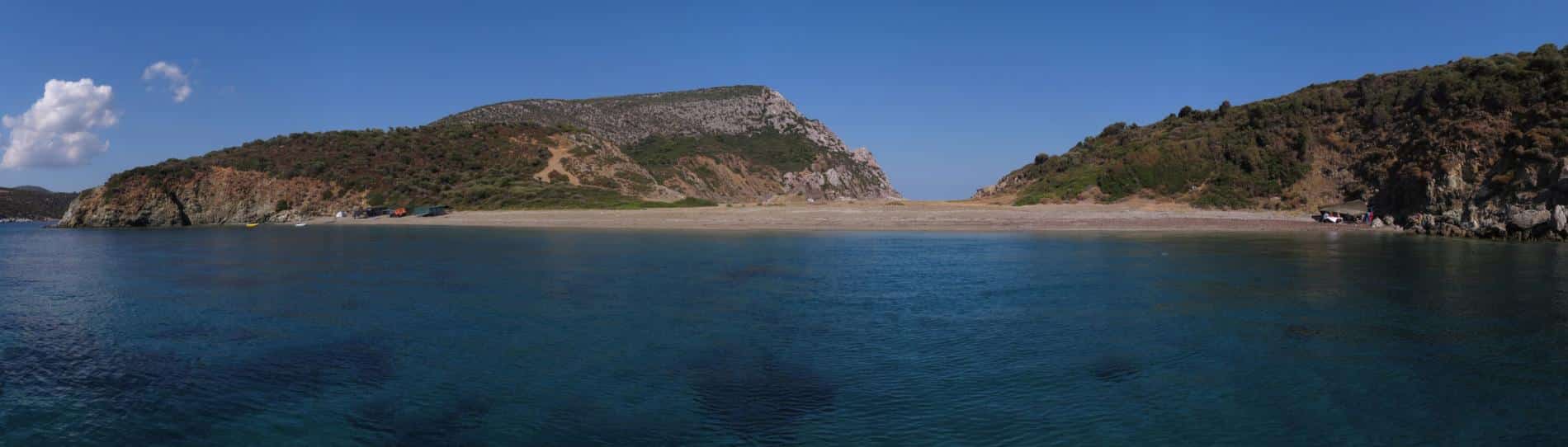
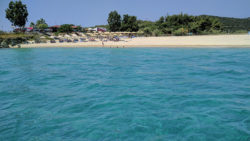
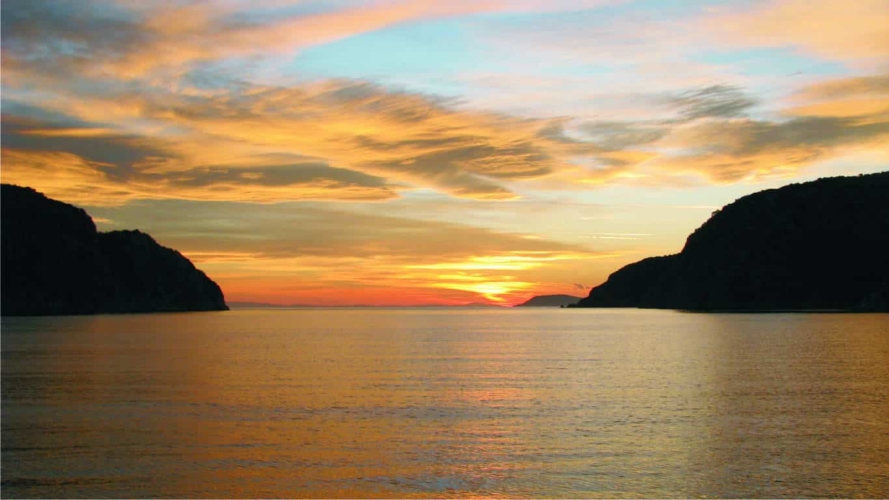
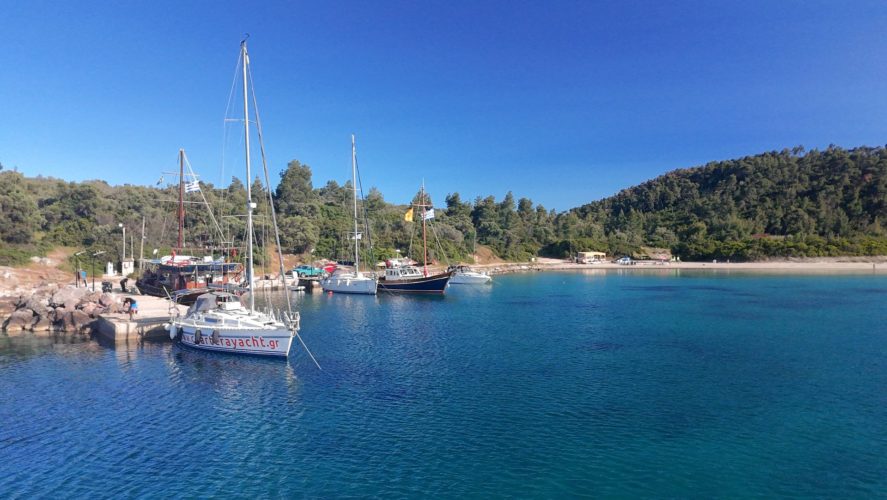
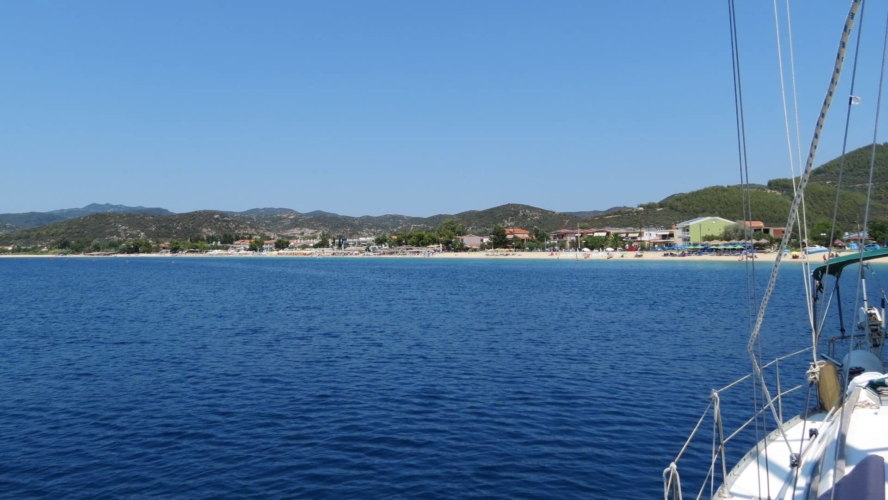
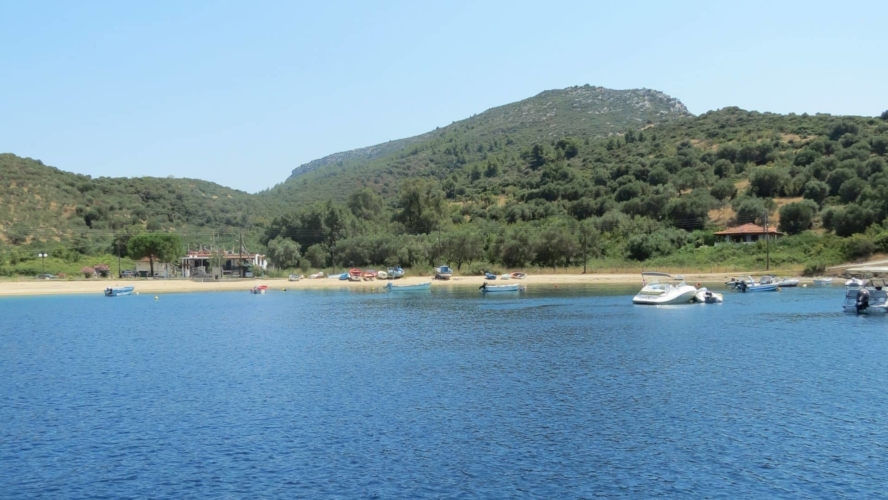
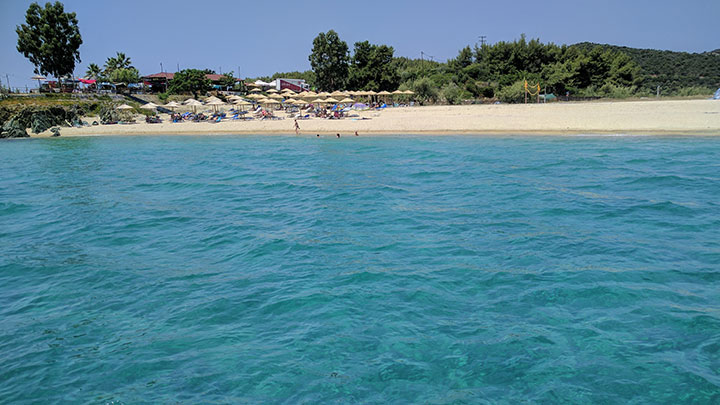
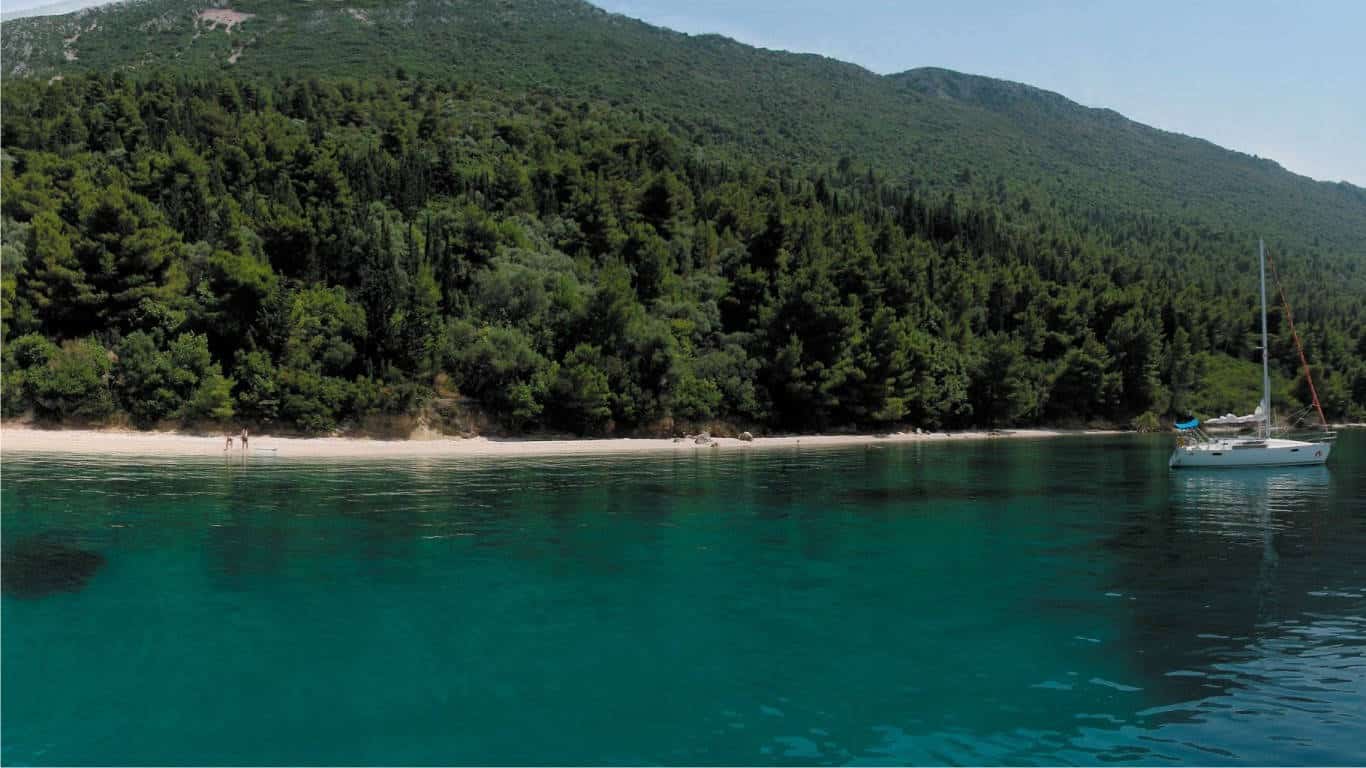
Marathias beach panorama at Sithonias edge
Marathias beach panorama

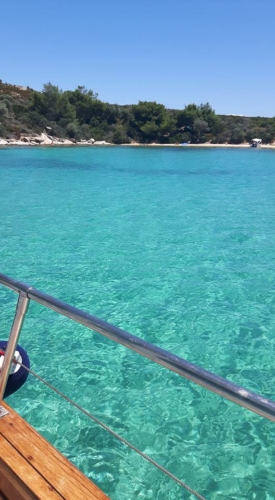
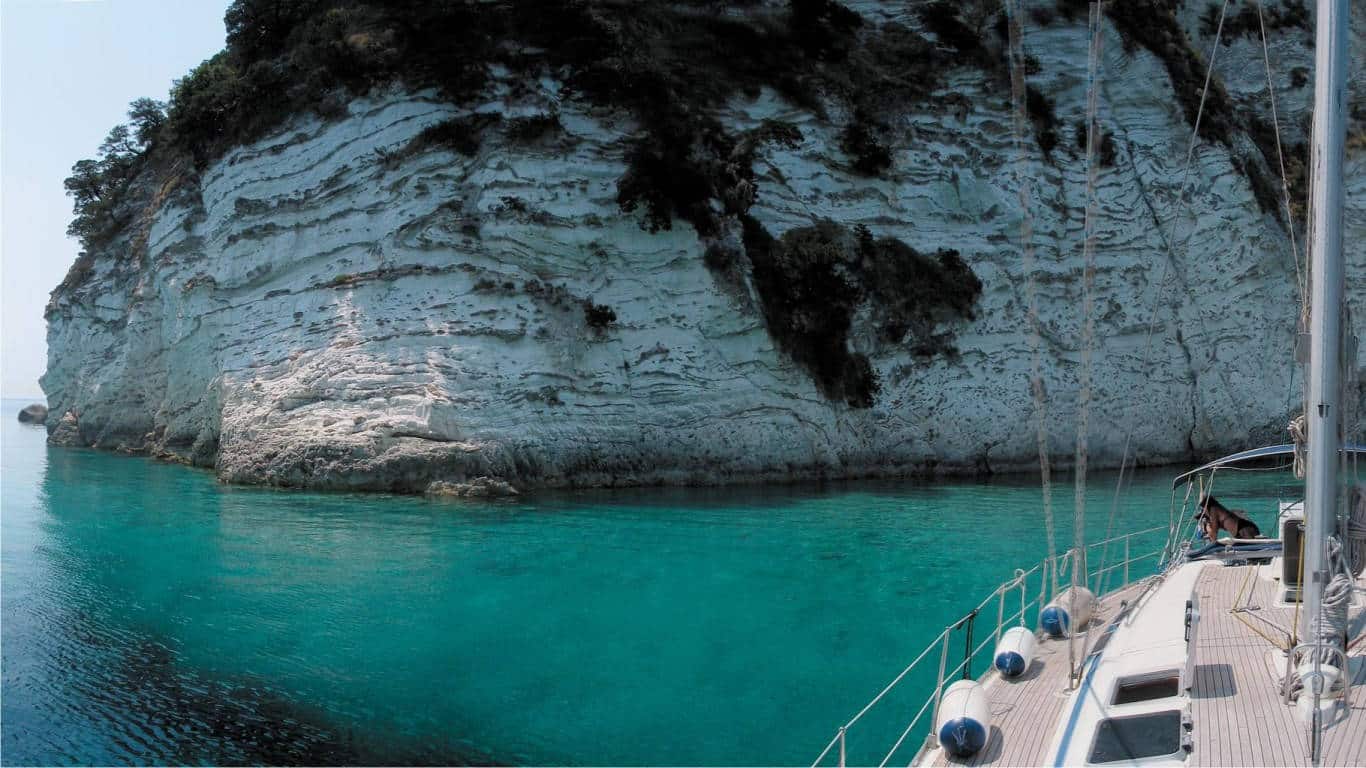
Panoramic photo of Marathias beach. The southernmost beach on the Sithonia peninsula in Halkidiki, Greece.

A circa 1905 view of the new Taylor Street Fisherman's Wharf, looking westward, with the Upper Fort Mason bluff in the background. A sailing gillnetter in the foreground left mingles with the fleet of feluccas. A12.21,980n

Amid the dramatic transformations of the San Francisco waterfront in recent years, one classic San Francisco locale has resisted change: Fisherman’s Wharf. The primary tourist attraction of the city, with its rows of colourful street vendors, seafood restaurants and sport fishing boats, seems a timeless fixture of the waterfront landscape.

History, however, tells another story. From the earliest days of the San Francisco waterfront, Fisherman’s Wharf has been evolving. Both its location and its layout were shifted repeatedly between 1870 and 1930 to make way for the almost constant construction of the city’s shipping wharves and seawalls. The boats that lined Fisherman’s Wharf also changed, reflecting the dynamic nature of the San Francisco Bay fisheries. Fortunately, the one thing about Fisherman’s Wharf that has remained constant is its picturesque allure. Hundreds of photographs of Fisherman’s Wharf from all its different eras survive today and provide a valuable chronicle of its transformation.

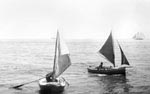
A felucca with brown, tanbarked sails under way on San Francisco Bay, with an unusually large crew of four. B7.14019p.Commercial fishing along the waterfront grew with the burgeoning city of San Francisco. From the days of the Gold Rush, the city’s markets and restaurants have been supplied with fresh seafood by a growing hodgepodge of boats and newly-arrived fishermen from around the world.
As early as 1856, a small village of Chinese immigrants along the southern waterfront provided for themselves and Chinatown’s fish markets using sampans and small junks built at the water’s edge. European immigrants and Americans from the East Coast pursued salmon, flounder, crabs and herring using a panoply of small boats such as sloops, whitehalls, sailing smacks and modified ships’ boats.

By the late 1860s, successive waves of Italian immigration brought hundreds of fishermen from the coastal villages near the city of Genoa into San Francisco. They also built fishing boats in the tradition of their native land, called “silenas” by the fishermen, but later more widely known as “San Francisco feluccas.” The seaworthiness of these small, lateen-rigged vessels was a perfect match for the rugged waters of the San Francisco Bay and contributed to the success of their skilled owners. The felucca quickly became the principal vessel in the fishing fleets moored along the San Francisco waterfront.

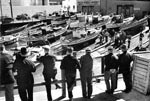
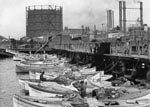
A row of onlookers view the Montereys hauled for maintenance on the skidways at the Jones Street extension of Fisherman's Wharf, circa 1935. Photograph Karl Kortum. Copyright by Jean E. Kortum.The earliest recorded site of the growing fleet of feluccas was located at the India Dock at the foot of Vallejo and Green Streets. Here, in the inside basin of a small rectangular pier, the fleet shared pier space with a variety of larger vessels. With the practice of photography still in its nascence, there are only a few existing images of this multi-use wharf, and all of these were taken from far enough away to obscure the details of the fleet tucked in behind its sheltering piles. Not until after 1884, the year the fleet was moved to the new state-owned wharves at the foot of Union and Greenwich streets, are the familiar views of fishermen gathered together on their boats mending nets and drying sails captured on film.

1884-1900

Crab pots on Taylor Street, January 4, 1931. A12,28,354nl.

As the first wharf built specifically for the fishing fleets, the Union Street Wharf was an impressive all-service facility. Jutting out from the shore on a north by northeast angle, the new Union Street Wharf comprised a long narrow rectangle about 450 feet long and 150 feet wide, with an entrance along the leeward eastern side. The easternmost pier featured a long shed for maintenance of fishing equipment, including four large boiling vats for tanning nets and sails. Tucked into the northwest corner of the wharf was a small boat slip, or ramp, which, combined with the davits lining the outboard face of the wharf, allowed the fishermen to haul out their boats for painting and repairs. Along the inshore pier, and facing the Embarcadero (then called East Street) was the Market House, where the daily catch of fish and crabs was deposited and sold in the early morning hours for resale by fish markets, hotels, restaurants and street vendors.

An eastward view of theTaylor Street Fisherman's Wharf, circa 1910. The fleet is beginning to change to accomodate the marine engine. Only one felucca mast remains. A11.9024n.Photographs of the Union Street Fisherman’s Wharf are laden with images of the famed lateen-rigged San Francisco feluccas. These workhorses featured a mast that angled, or raked, forward sharply, and a large triangular sail hanging down from a long, two-piece yard. Some of the images of the wharf also include larger feluccas, sporting a long arching bowsprit. These are probably the offshore trawling feluccas, whose enterprising Sicilian owners introduced the efficient paranzella drag net to the Bay in 1876, and who quickly cornered the offshore rockfish market. The other feluccas fished using handlines, gillnets and, on some of the smaller feluccas, circular crabnets. Salmon, rockfish, herring and crab were their principal catches.

Sprinkled in among the raking masts of the feluccas along the Union Street Wharf is the occasional straight mast, landed below into the open cockpit of a sailing gillnet boat. These double-ended, spritsail-rigged, centreboard fishing boats were used primarily in salmon fisheries to lay the long tennis net-like drift nets in broad stretches across the shallower reaches of the San Pablo and San Francisco Bays, and the Sacramento and San Joaquin Rivers. In San Francisco, they were also used as tenders to the paranzella feluccas, running the catch in from outside the Golden Gate while the feluccas stayed on for another three-hour drag of the paranzella nets.

A few of the new fleet of gasoline engine-powered crab boats hauled out on the boat ramp at the new Fisherman's Wharf, circa 1905 (P88-069-075).The careful observer of the Union Street Wharf photographs may be able to distinguish a different type of boat peeking out from the shadows beneath the piers. There, with masts shipped, the fishermen moored the sailing crab boat – a small, decked sailing and rowing boat fifteen feet in length. These featured a spritsail rig and a loose-footed jib flown from a short bowsprit. The crab boats were small enough to allow easy handling among the treacherous rocky shorelines of the Bay where the crab thrived. Though the crab boat fleet numbered close to fifty boats in the 1880s, photographs of these vessels outside of their shadowy moorings are rare, a fact that has kept the type shrouded in obscurity despite its central role.
1900-1915

In 1900, the continued construction of the new seawall and the booming shipping industry of San Francisco forced the fishing fleet to move again. The new Fisherman’s Wharf was located at the westernmost extension of the seawall, at the intersection of Jefferson and Taylor streets. Its long and rectangular shape mirrored the Union Street wharf. Its orientation was westward, however, and its entrance on the westward side open to San Francisco’s roaring westerly winds. The rock seawall just outside the new wharf’s entrance and along its northern edge served to break the Bay wind and protected the fleet of little boats moored behind its pilings.

The fleet on the BayThe infamous old Market House did not move with the boats to the new locale. A new one was constructed, as was a new net tanning shed. A larger ramp angled down into the water from the boat shop along the easternmost edge of the wharf. The ornate Victorian U.S. Army Barge office also shared the Taylor Street wharf and was positioned out towards the offshore end of the seawall. Two boat-building shops occupied the banks of the interior basin, soon to become the westernmost extension of Jefferson Street.
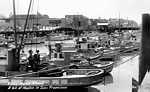
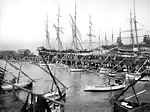
A postcard of Fishermans's Wharf, circa 1930, looking westward from the Taylor Street pier. Note the many masts folded down on top of the Monterey cabins to allow for passage under the arching pier. The row of boat and machine shops at the head of the skidways can be seen in the upper left. P86-029-01..While photographs of the wharf in its early days along Jefferson Street still feature some superb images of the steadfast feluccas and hardy sailing gillnetters, there are subtle indications of irrevocable change. Gone for instance are the sailing crab boats. By this time, the marine engine was beginning to replace the traditional sailing rigs of the fishing fleet, and new hull shapes were introduced to accommodate the weight and the drive of the engines. The little sprit-rigged crab boats were the first to disappear, replaced by a small but attractive fleet of fantail, plumb-stemmed gasoline launches. The profits made from the paranzella fishery were reinvested in a fleet of large steam tugs, whose power and efficiency far outweighed that of the large sailing feluccas, thus further securing the offshore dragnet fishery for their owners. Feluccas without masts, with cutaway sterns and propellers rising out of the water, also began to appear at the turn of the century, poignant illustrations of the desire to adapt to new technologies while holding on as much as possible to time-tested traditions.

1915-1930
By 1930 the marine engine had completely taken hold of Fisherman’s Wharf. The universality of its acceptance by then is reflected in the uniformity of vessel types along the wharf.

An eastward looking view of the 1884-1900 location of Fisherman's Wharf at the foot of Union Street. Note the bows of the sailing crab boats moored under the pier. A12.725n. The clipper-bowed Monterey fishing boats were ubiquitous. Their bluff sterns countered the tendency of vessels to squat under the drive and the weight of the engine; their dramatically rising, hollow-sectioned clipper bows proved perfect for driving through waves under power; and their small amidship wheelhouses provided protection on longer journeys into the deeper, rougher waters of the Bay. These traits assured their popularity as a universal, multi-purpose vessel, used in all the fisheries for trawling, trolling, crabbing and gillnetting.
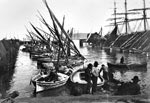
Their efficiency and the increased efficiency of distribution networks encouraged a boom for the fisheries held in check only by the ravages of the Great Depression. The products of the Bay were transported from the piers of San Francisco’s Fisherman’s Wharf by lorry, rail, and ship throughout the West Coast and the rest of country. Many of the traditional marketing facilities of the older Fisherman’s Wharf, such as the Fish Market building, were replaced by industrial processing and packing facilities.

To accommodate the new facilities of the 1920s and 1930s, Fisherman’s Wharf was enlarged into three basins, with Jones Street filled in along what once was the protective riprap at the Western opening of the original basin. The old Southern pier extended all the way to the new Jones Street, requiring the Montereys to travel under the pier. Thus many of the vessels during this period feature hinged, or tabernacle, masts, that they would drop to pass under the pier. To accommodate the heavier Montereys, the light ramps of the Fisherman’s Wharves of the past were abandoned in favour of a large, heavily constructed boat skid leading right up to the boat-building shops of Castagnola, Labruzzi and Genoa, and the machine shop of Boicelli and Boss. Here the Montereys were built and repaired, and their dependable, single-cylinder marine engines serviced, ensuring the longevity and productivity of the hardworking fleet.
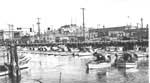
The basin at Taylor Street. Note the men steering their montereys into port. May 18, 1936. A12,28,689nFrom the 1930s until now, still further changes have affected our Fisherman’s Wharf. Many of the names involved in the fisheries then, such as Castagnola, Tarantino and Alioto are still present, having traded in the tenuous fortunes of the fisherman’s life for the steadier, more lucrative fish distribution and restaurant businesses. New waves of immigration have brought Southeast Asian fishermen to our wharves, fishing to supply the live fish markets of Chinatown and the Tenderloin. Sport fishing boats and tour boats now vie for space with the local commercial fishing fleets, while these in turn shift and jostle to make room pierside for visiting vessels of the transient herring and salmon fleets of the Pacific Coast. Even today, piles are being driven to expand the docking space for these industrious fleets, and new state-of-the-art processing and packing facilities are being constructed.
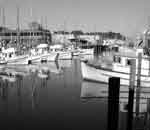
Fisherman's Wharf today.As Fisherman’s Wharf continues its long tradition of change, traces of its past remain. Many of the structures and some of the boats that played such a central role in San Francisco’s fishing community of the early twentieth century can still be seen along the waterfront. These provide a tangible and moving connection between the past and the present chapters of the dynamic story of Fisherman’s Wharf.


Tides of Change: Fisherman’s Wharf, 1870-1930, is reprinted with permission from the San Francisco Maritime National Park Association’s history publication Sea Letter.

Photos with call numbers are printed from the Park’s collection. Current photos are by Park photographers Tim Campbell and Steve Danford.

John C. Muir is Associate Curator of Small Craft at the Park.

The best Halkidiki boutique hotels of 2026, for every budget

B&B

Pansion Guest-house Athos

Located in Ouranoupoli, Guest House Athos is only 30 metres from the beach. Special prices for pilgrims!
www.pansionathos.gr


Villas @ Halkidiki

The best choice for your holiday is our Halkidiki Villas to rent. We can help you find your dream house for an unforgettable Halkidiki break!!
xeniuszeus.com

At our company, we believe that partnering with reputable and reliable companies is essential to providing our clients with the best possible travel experience. That’s why we have formed partnerships with some of the most respected and experienced companies in the industry.

Our sailbus partners share our commitment to delivering exceptional service, quality, and value to our clients. They provide state-of-the-art equipment and highly experienced captains and crew members who are passionate about providing our clients with a safe, comfortable, and enjoyable experience.

We work closely with our sailbus partners to develop customised packages that are tailored to the unique needs and preferences of our clients. Whether you are looking for a relaxing cruise, an adventure-packed tour, or a romantic getaway, our partners can provide you with a customised itinerary that meets your specific travel needs.

In addition to providing tours and packages, our sailbus partners also offer a range of additional services, including boat rentals, scuba diving excursions, fishing trips, and more. Whatever your interests and preferences, our sailbus partners can help you create the ultimate holiday experience.

At our company, we are committed to providing our clients with the best possible travel experience. That’s why we partner with the best sailbus companies in the industry to ensure that our clients have access to the highest quality services and equipment available. Whether you are a seasoned sailor or a first-time traveller, we have the knowledge and expertise to help you plan your dream holiday. Contact us today to learn more about our sailbus partners and how we can help you plan your next adventure.

day sailing activities Kassandra and Sithonia at HalkidikiDay sailing boat trips from Sithonia – Kassandra at Halkidiki, Greece

adigoni logo Halkidiki day sailing private tours - Sporades skippered cruses.   Power Marine yachting logo  

Our partner for transportation in Halkidiki is:

whoweare1

Drive S.A. will take care of any of your needs:

hire a car in Halkidiki or arrange a private transfer for your group with a driver and a van.

BRANCH OFFICES IN HALKIDIKI

Neos Marmaras, Halkidiki

Porto Carras Grand Resort
Tel: +30 6947900711

Afytos Kassandra

P.C. 630 77, Halkidiki
Tel: +30 6944533172

At our company, we believe that partnerships are essential to providing our clients with the best possible travel experiences. That’s why we have formed partnerships with some of the most reputable travel companies in the industry. These partnerships allow us to offer a wide range of destinations and services to our clients, ensuring that we can meet their unique travel needs and preferences.

Our company partners are carefully selected to ensure that they meet our high standards for quality and service. We work closely with each of our partners to develop custom travel packages that are tailored to the specific needs and preferences of our clients. We also regularly review our partners to ensure that they continue to meet our standards and deliver exceptional service to our clients.

In addition to our company partners, we also have a comprehensive destination information catalogue that provides our clients with in-depth information about the destinations we offer. Our destination information catalogues cover a wide range of topics, including local culture, history, attractions, and activities. We also provide practical information, such as transportation options, visa requirements, and local customs, to help our clients prepare for their travels.

Our destination information catalogues are regularly updated to ensure that our clients have access to the most accurate and up-to-date information available. We believe that providing our clients with this information is essential to ensuring that they have a safe, enjoyable, and memorable travel experience.

At our company, we are committed to providing our clients with the best possible travel experience. Whether you are looking for a relaxing beach getaway, a cultural immersion experience, or an adventure-packed trip, we have the knowledge and expertise to help you plan your dream vacation. Contact us today to learn more about our company partners and destination information catalogues and how we can help you plan your next adventure.

goHalkidiki.com Information catalogue about Halkidiki
Halkidiki, Greece – Chalkidiki travel and tourist guide, hotels and apartments directory
Holiday Weather– We provide weather reports for all the major worldwide holiday destinations.

Greek Island Guide – Holiday travel guides from Greek Islands Postcards

Sailing yachts for charter for sailing holidays worldwide.

itravelnet.com – Travel directory.

tsection.com

Find great deals on flights.

logo

Xtreme Spots is the perfect destination for all passionate, adventure-loving people.

It is a brilliant source of information about great spots for practising.

Jump or climb, hike or bike, fall or drop, just get on board!
These are our favourite verbs.

Xtreme spots is a group of people, boys and girls, some of us are young in body, some others young in the soul. Our common passion is to practise extreme sports in extreme spots around the globe.

Steep rocks, vast arenas, snow terrains, vertical drops, breathtaking waterfalls, deep waters, high cliffs, long tracks, big waves, and endless trails are part of our sightseeing priorities. Even though museums, galleries, archaeological sites, restaurants, and bars feed our minds and body, extreme spots boost our adrenaline levels and challenge our limits to explore unusual locations.

This is our goal and our priority. We identify spots and present to our fellow travellers interesting places on all five continents, where extreme sports can be practised safely, both by amateurs and professionals. We are not just keen on identifying and recommending a spot somewhere. We also focus on the technical elements and characteristics of an extreme spot where an extreme sport can be performed. Our challenge is to make a professional practitioner look for details of an xtreme spot, thus allowing them to expand their knowledge and experience, while amateurs will be encouraged to leave their sofa, once and for all.

Read more …

On our sailing holidays website, we believe that seamanship and knots are essential skills for every sailor. Whether you’re an experienced sailor or just getting started, having the right knowledge and techniques can make all the difference to your sailing experience.

To help our clients build their seamanship and knot-tying skills, we have put together a range of interesting articles, products and techniques related to these topics. Our aim is to provide our clients with the information and resources they need to improve their seamanship and knot-tying abilities.

Some of the interesting articles you can find on our website include:

  1. The most important knots every sailor should know – This article covers the essential knots that every sailor should know, including the bowline, cleat hitch and figure-eight knot.
  2. Tips for improving your seamanship skills – Whether you’re looking to improve your navigation skills or learn how to handle a boat in different weather conditions, this article offers tips and techniques to help you become a better sailor.
  3. Essential safety tips for seamanship – This article covers the essential safety tips every sailor should follow when practising seamanship, including how to handle lines properly and how to avoid accidents on board.

In addition to our informative articles, we also offer a range of products related to seamanship and knot-tying. From high-quality ropes and knots to instructional books and videos, we have everything you need to improve your skills and knowledge.

On our sailing holidays website, we believe that seamanship and knot-tying are essential skills for every sailor, and we are committed to providing our clients with the information, resources and products they need to improve their abilities. Whether you’re an experienced sailor or a beginner, we’re here to help you make the most of your sailing experience.

by

 The American Practical Navigator

(commonly known as Bowditch), originally written by Nathaniel Bowditch, is an encyclopaedia of navigation. It serves as a valuable handbook on oceanography and meteorology, and contains useful tables and a maritime glossary. In 1867 the copyright and plates were bought by the Hydrographic Office of the United States Navy, and as a U.S. Government publication, it is now available free online. It is considered one of America’s nautical institutions.
article from wikipedia

Download Bowditch’s American Practical Navigator

On our sailing holidays website, we understand that anchoring is an essential part of sailing in Halkidiki. Whether you’re cruising the open sea or dropping anchor in a quiet bay, it is important to have the right techniques, equipment and knowledge to ensure a safe and successful anchoring experience.

To help our clients make the most of their sailing experience, we have put together a range of interesting articles, products and techniques related to anchoring. Our goal is to provide our clients with the information and resources they need to anchor safely and effectively.

Some of the interesting articles you can find on our website include:

  1. How to choose the right anchor – This article gives an overview of the different types of anchors available and helps you choose the best one for your sailing needs.
  2. Tips for anchoring in different conditions – Whether you’re anchoring in a busy marina or out at sea, this article offers tips and techniques to help ensure a safe and successful anchoring experience.
  3. Best practices for anchoring – This article covers the essential best practices every sailor should follow when anchoring, including how to set the anchor, how to check for drag, and how to retrieve the anchor properly.

In addition to our informative articles, we also offer a range of products related to anchoring. From high-quality anchors and chains to anchor line and fenders, we have everything you need to ensure a safe and successful anchoring experience.

On our sailing holidays website, we believe that anchoring is an essential part of sailing, and we are committed to providing our clients with the information, resources and products they need to anchor safely and effectively. Whether you’re an experienced sailor or a beginner, we are here to help you make the most of your sailing experience.

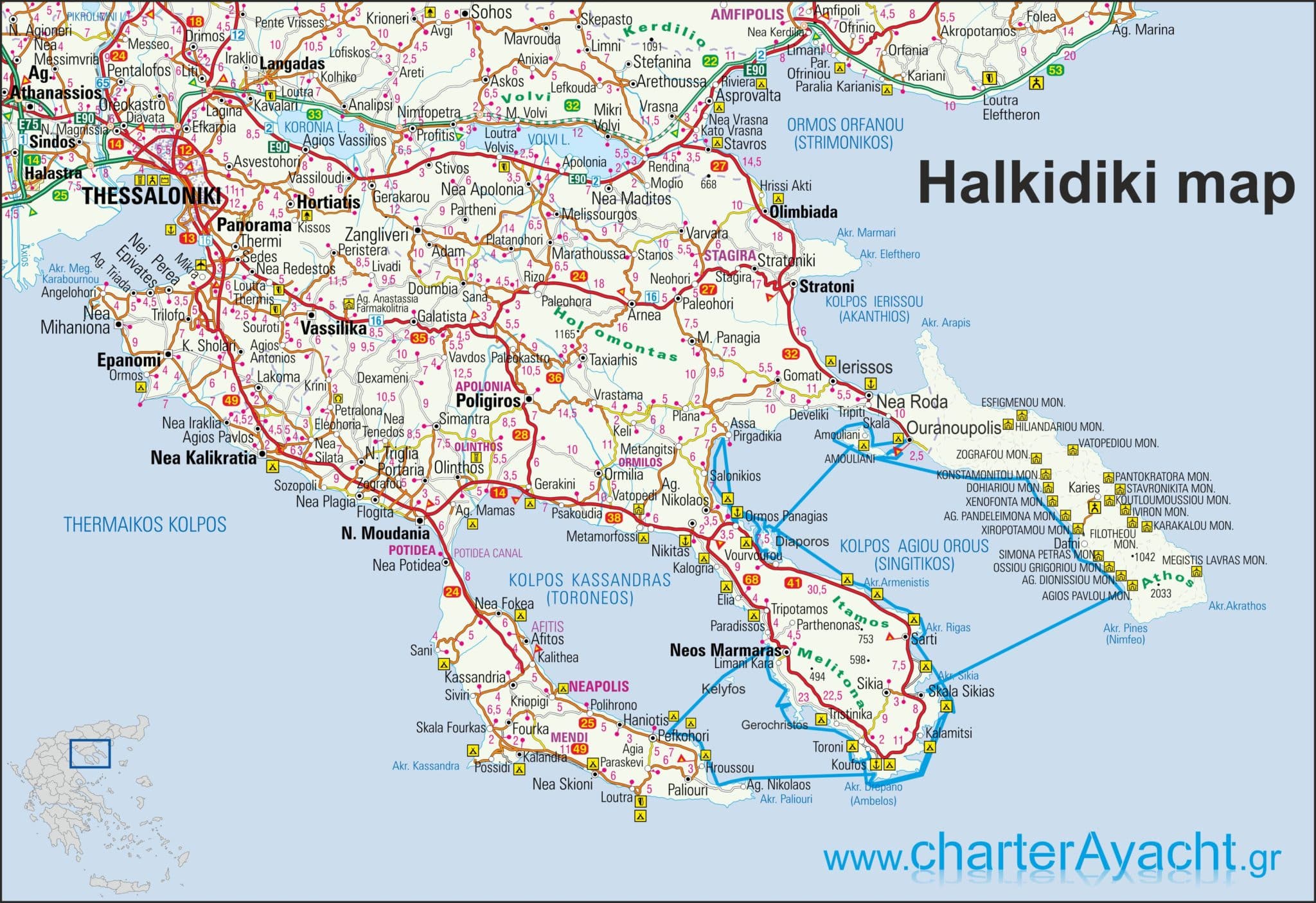
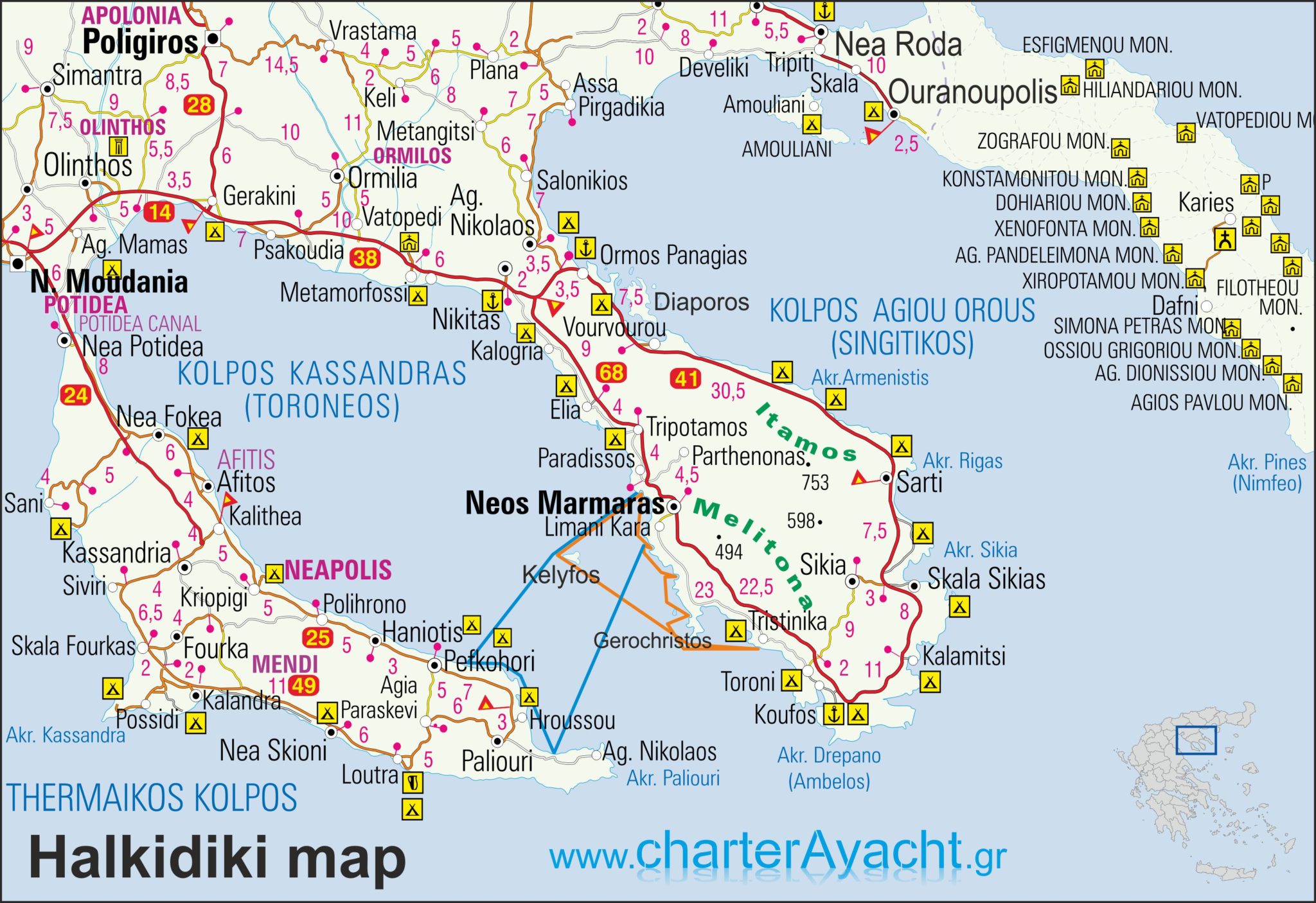
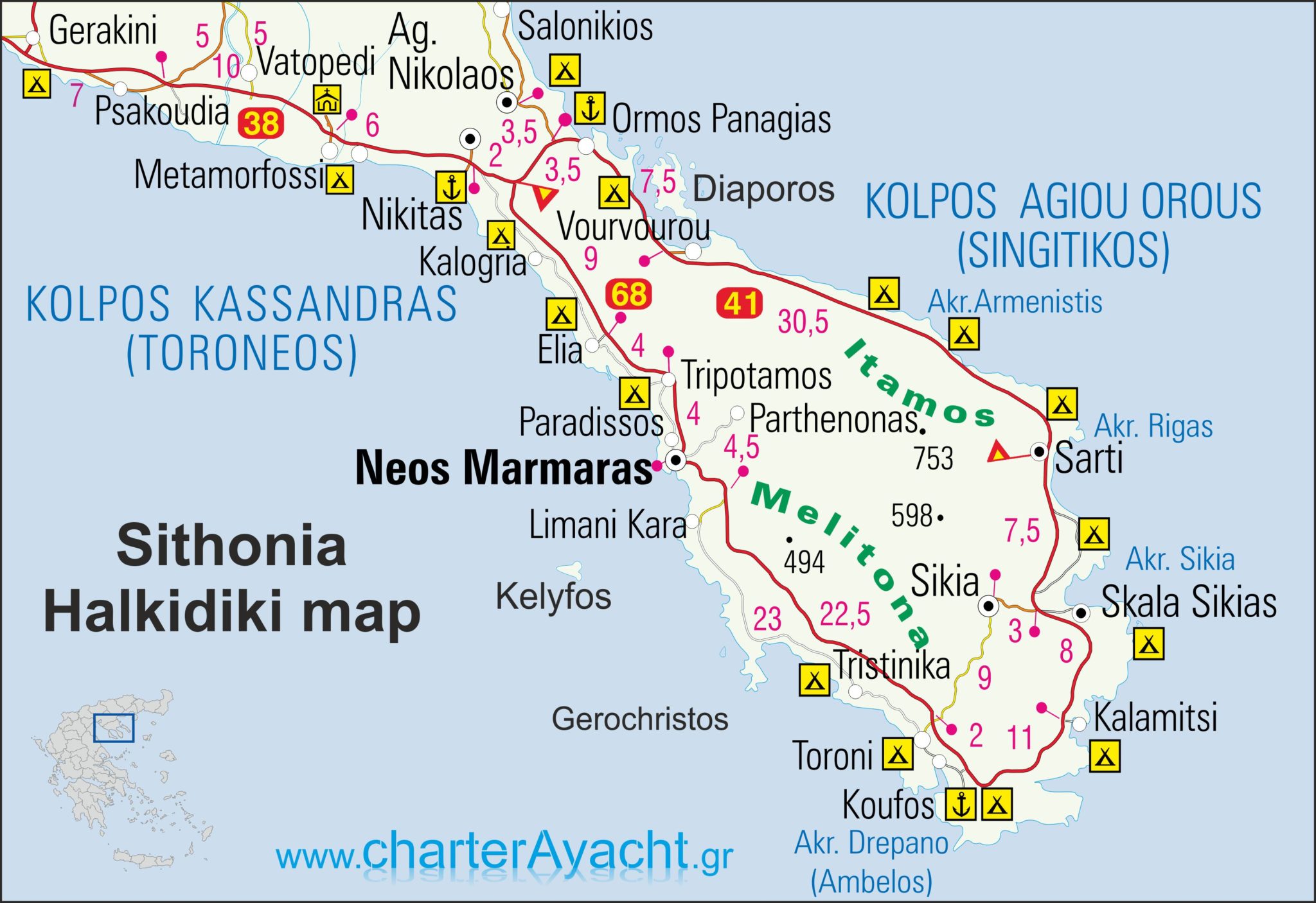
Sithonia is a beautiful peninsula located in the heart of Halkidiki, Greece.

It sits between Kassandra and the Athos coastline, with Thessaloniki roughly a 1.5 to 2 hour drive away depending on traffic. The mix of pine-covered hills, calm coves, and clear water is exactly why so many people fall in love with sailing here, even on their first trip.

From a skipper’s point of view, Sithonia is one of the easiest and most rewarding areas in Northern Greece for day sails and relaxed multi-day cruising. You get plenty of sheltered anchorages, short distances between stops, and that classic Halkidiki coastline that looks different every time you round a cape.

With its crystal-clear waters, sandy beaches, and stunning landscapes, it’s no wonder why it has become a popular destination for sailboat cruising. On most summer mornings the sea starts out glassy, then a light breeze builds later in the day. It is usually enough for a nice sail, but not so much that it turns into a hard trip for kids or people who are new to boats.

Where Sithonia is and what makes it special for cruising

Sithonia is the middle peninsula of Halkidiki, facing the Gulf of Toroneos on one side and the Singitic Gulf on the other. That geography matters on the water. If the wind is up on one side, we often have a more comfortable option on the other, so we can keep the day enjoyable instead of forcing a plan.

The coastline is full of small bays and natural harbours. Some are great for a quick swim stop, others work well for lunch at anchor, and a few are ideal for an overnight when the forecast is right. I always tell guests that Sithonia rewards patience. You do not need to rush. Two or three good stops in a day can feel like a full holiday.

How to reach Sithonia for your sailing trip

Most visitors arrive via Thessaloniki and drive down into Halkidiki. For charters, we usually meet guests at a marina or a suitable port area depending on the boat and the plan. If you are staying in Nikiti, Neos Marmaras, or nearby villages, transfers are simple and the drive is easy.

Parking is usually available near the main harbour areas, but in July and August it fills up early, so it is worth arriving a bit sooner than you think. If you are unsure about the best meeting point for your accommodation, just ask and we will keep it practical.

Timetables, opening hours and routes can change without notice. Always double-check locally before you travel.

For official destination info and travel updates, you can also check the Greek National Tourism Organisation and the meteo.gr weather service before you travel. Weather is the one thing we never “guess” with, even if it looks perfect from the beach.

At our sailing holidays website, we offer sailboat cruising packages that allow you to explore the hidden gems of Sithonia from the comfort of a luxury sailboat. Our experienced crew will take you on a journey around the peninsula, stopping at some of the most beautiful bays, beaches, and islands along the way.

Most of the time, the best “hidden gem” is not a secret beach name. It is timing. We leave early, we avoid the busiest hours, and we anchor where the water stays clear and the swell stays low. That is what makes the day feel private, even in peak season.

What a typical day on board feels like

We start with a short safety briefing, then we ease out of the harbour and set the tone. Some guests want music and sun right away, others want quiet and a coffee while the boat moves. Both are fine. I have done this route in all moods and it always works, as long as we keep it real and do not try to cram too much.

One of the best parts of sailing in Sithonia is that distances between good swim spots are short. That means less time just “getting there” and more time in the water. If you are curious about diving options in Halkidiki and local sea conditions, have a look at portoscuba.com. It is a solid reference for the area.

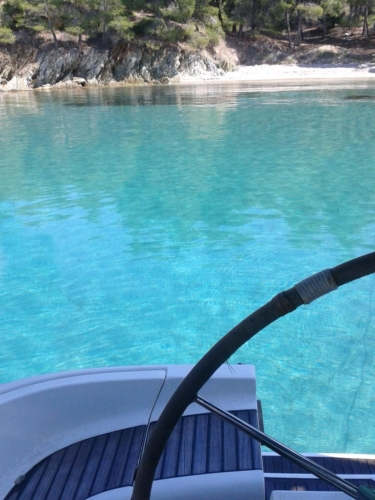
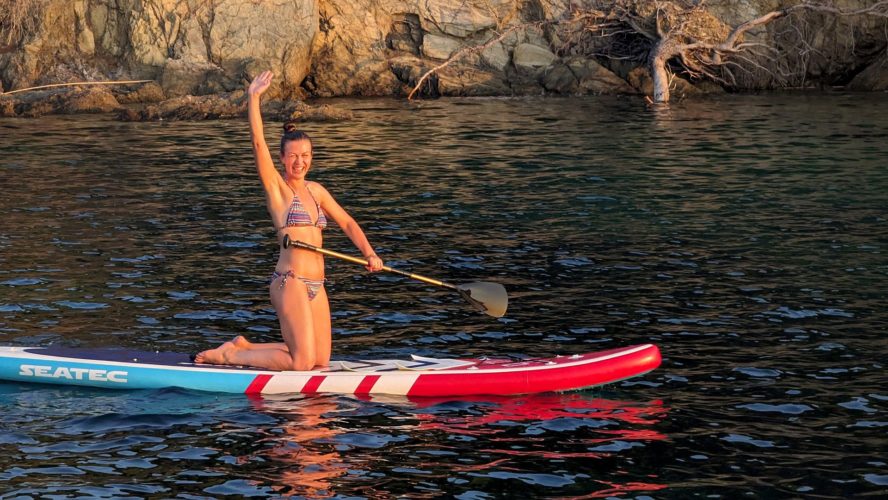
During your sailboat cruising adventure around Sithonia, you can enjoy swimming and snorkelling in the crystal-clear waters, sunbathing on the deck of the sailboat, and exploring the beautiful coastline. We offer a range of activities to suit all interests, including fishing, scuba diving, and paddleboarding.

The snorkelling here surprises people. In many bays the visibility is excellent, especially on calm mornings, and you can see rocky patches, sand channels, and small fish even close to the boat. If someone in the group is nervous in open water, we choose an anchorage with easy entry and a shallow shelf, so they can relax and build confidence.

Highlights you can expect without overplanning

  • Swim stops in clear, protected bays with time to float, snorkel, and actually enjoy it, not just jump in and rush out.
  • Easy coastal sailing with views of pine forests right down to the sea, especially beautiful in the late afternoon light.
  • Lunch on board or a stop near a seaside settlement when the plan fits, with proper local food and no stress about reservations.
  • Sunset return on longer day trips, when the sea often calms again and the coast goes quiet.

Private or shared cruises: what works best

Our sailboat cruising packages are fully customisable, so you can choose the length of your trip, the destinations you want to visit, and the activities you want to participate in. We offer both private and shared sailboat cruises, so you can enjoy the experience with your friends and family or make new friends along the way.

Private trips are ideal if you want your own pace. Families with small kids usually love private because nap times and snack breaks happen when they need to, not when the group needs to. Couples pick private for the quiet and the space. Groups of friends like it because the boat becomes “their place” for the day.

Shared trips are a great option if you are travelling as a couple or solo and you want the full sailing day without booking the whole boat. The vibe is often friendly and relaxed. Just keep in mind that a shared cruise works best when everyone is flexible. If you need a strict schedule, private is better, no question.

Multi-day cruising around Sithonia

Day trips give you the taste. Multi-day is where you really feel the peninsula. You wake up in a quiet anchorage, swim before breakfast, and move on when the sea is still smooth. That rhythm is why people come back.

On multi-day routes we plan based on wind, comfort, and what you want to do ashore. Some guests want more sailing time. Others want more swimming and time on land. Both are doable. We just keep the distances realistic so nobody ends up tired and salty in a bad way.

For background on the wider region, including the three-peninsula geography and history, Wikipedia’s Chalkidiki page is a handy overview to read before you arrive.

Seasonal feel: when to sail and what to expect

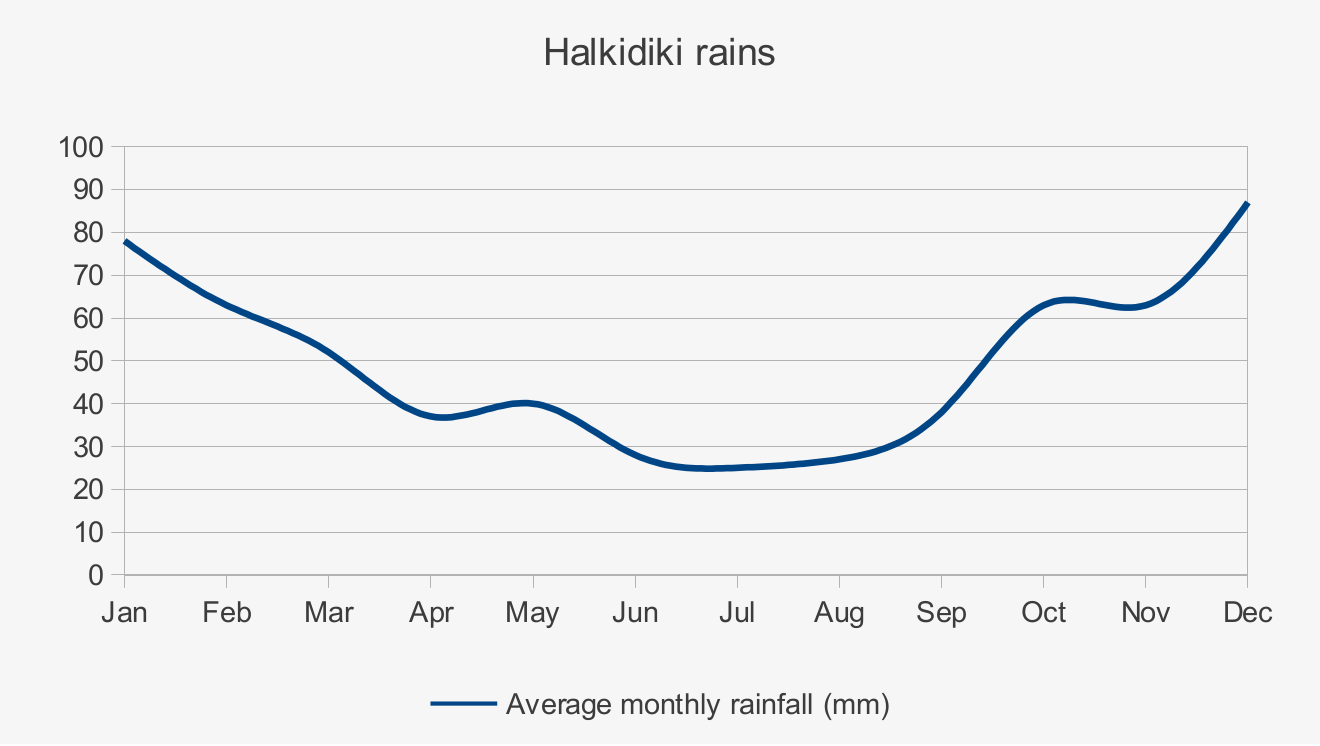
From late May into June the sea is fresh and clear, the anchorages are calmer, and the villages still feel local. July and August bring the hottest days and the most boats, especially near popular beach areas. It is still fantastic, you just need a skipper who knows when to move and when to wait. Sometimes leaving a bay 30 minutes earlier makes the whole day smoother.

September is a favourite with people who know Halkidiki. The water stays warm, the light is softer, and the crowds drop. Even October can be lovely on the right week, though evenings get cooler and the wind can be more changeable, so we stay flexible with the plan.

If you are travelling around big Greek holidays like Orthodox Easter, it changes the atmosphere in the villages and roads. If your dates are around it, check

Sun, Apr 12 2026

and plan a little extra time for driving and shopping.

Comfort on board: what “luxury” really means at sea

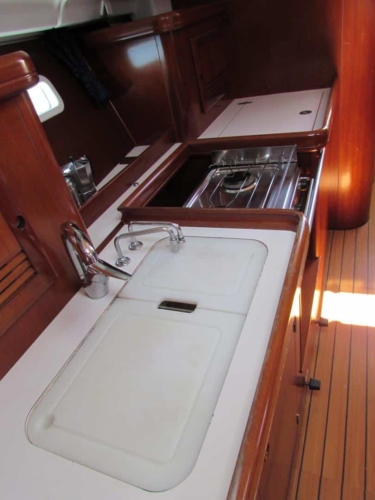
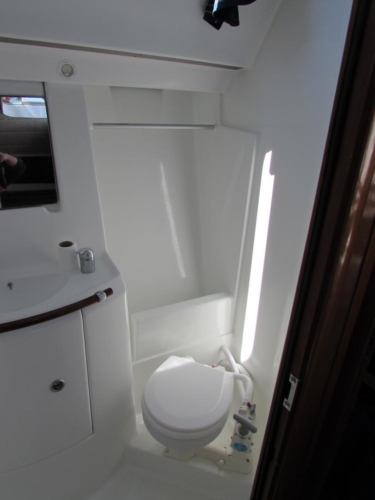
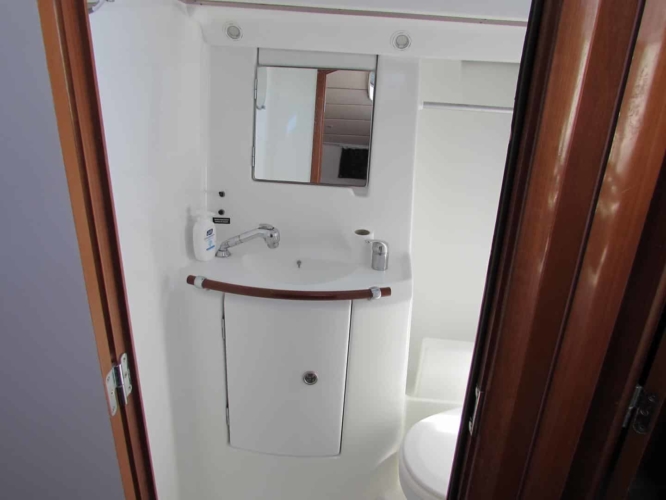
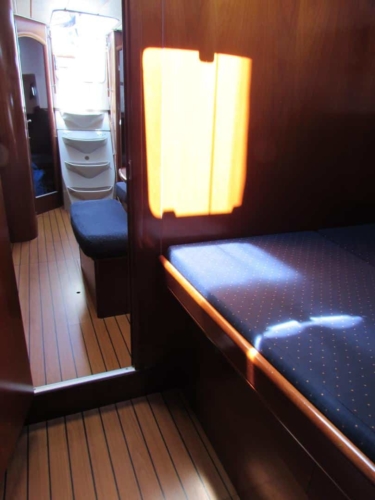
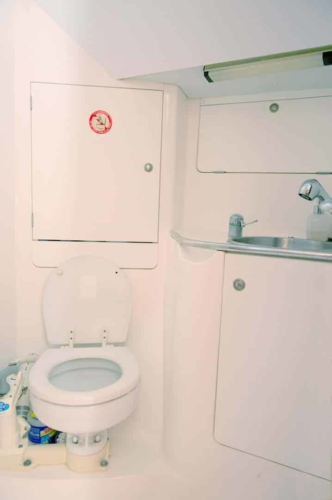
Our sailboats are equipped with all the modern amenities you need to make your cruising experience comfortable and enjoyable. From air-conditioned cabins to a fully equipped kitchen and bathroom facilities, our sailboats have everything you need to make your stay on board as comfortable as possible.

What matters most is that everything works and the boat is clean. A good cabin, a decent shower, shaded space in the cockpit, and a tidy galley make a big difference, especially on multi-day trips. We also keep the boat set up for the way people actually use it in Greece, with easy swim access and space for wet towels and snorkel gear.

If someone in your group gets seasick, tell us early. We can suggest simple steps that help a lot, like where to sit, when to eat, and how we time the route. It is common, and it is manageable.

Sea and outdoor activities depend on the weather and your own fitness level. Always follow local safety advice and skipper instructions.

Food, small stops ashore, and local habits

Sailing is not only about the water. Sithonia has that easy summer food culture that fits perfectly with cruising. Fresh salads, grilled fish, simple meze, cold fruit on board. If we stop near a village, it is usually for a relaxed meal or a short walk, not a rushed “tour”.

Keep in mind that in high season, some waterfront places get busy. That is why we often prefer lunch at anchor, then a calm coffee stop later when the crowd thins out a bit. It feels more like a holiday and less like a queue.

Who this kind of trip suits best

Sithonia by sailboat works for a wide range of travellers:

  • Families who want safe swim stops and short sailing legs so kids stay happy.
  • Couples looking for quiet coves, sunset light, and a day that feels personal.
  • Groups of friends who want a fun day on the water with swimming, photos, and space to spread out.
  • Nature lovers who care about landscapes, water clarity, and that pine-to-sea coastline.

Older travellers usually do great too, especially on calm days with comfortable boarding. Just mention any mobility concerns so we can choose the right boat and the right plan. It makes a big difference.

Practical tips from a local skipper

A few simple things make the day smoother:

Bring reef-safe sunscreen, a light jacket for the ride back if you sail late, and shoes that can get wet. If you plan to snorkel a lot, your own mask is always nicer, but we can also provide gear depending on the boat. And if you are coming in August, do not underestimate the sun. On deck it hits harder than on the beach.

Booking and planning your route

At our sailing holidays website, we believe that sailboat cruising around Sithonia is an unforgettable experience that everyone should have the chance to enjoy. With our experienced crew, luxury sailboats, and customisable packages, we are committed to providing our clients with the best possible sailing experience around Sithonia. Contact us today to book your sailboat cruising adventure and explore the beautiful coastline of Sithonia!

If you tell us where you are staying, how many people are in your group, and whether you prefer a calm swim-focused day or more sailing time, we will suggest a route that fits. No hard sell, just a plan that works on the water.

If you’d like to explore the coast, ask us about day trips at sea and sailing boat options.


Not sure where to start? Contact our local travel agency for friendly, personalised advice, seasonal offers and travel options.

call us: +306980700070

send a message via WhatsApp

call or text us on Viber

send a message via Messenger

Don’t forget to mention:

  • Number of persons, possible dates
  • The hotel you’ll be staying
  • The activity you are interested in

There is something about the Greek islands that never looks the same twice. Light changes, the sea shifts colour, and even a familiar bay feels new when you arrive by boat.

On our YouTube channel we try to keep that feeling alive. Not polished like a commercial, more like what you actually see from the cockpit, from the bow at anchor, and from the taverna table after a long swim.

What you will find on our YouTube channel

Our YouTube channel is dedicated to showcasing the beauty of the Greek islands and the unforgettable experiences that our clients have while sailing on our boats.

I work as a local charter skipper in Halkidiki, based close to Thessaloniki, and most of our filming happens in the North Aegean. Halkidiki sits in Northern Greece, southeast of Thessaloniki, with the three well-known peninsulas. Kassandra to the west, Sithonia in the middle, and the Athos Coast to the east. From here, day trips and multi-day routes make sense because you can mix open water sailing with short hops into sheltered bays.

Our channel features a variety of vacation and day sailing videos that capture the stunning scenery, crystal-clear waters, and picturesque ports of the Greek islands. Whether you’re looking for inspiration for your next holiday or want to relive your previous sailing trips, our YouTube channel has something for everyone.

In the videos you will see the real rhythm of a charter week. Early departures when the heat is still soft, the first coffee while lines are coming in, and that quiet moment when the anchor finally bites. You will also see the practical side, like how we approach a bay when the meltemi is up, or why we sometimes pick a different anchorage when the forecast turns.

Our videos provide an immersive experience that takes viewers on a journey through the Greek islands. From the exhilarating feeling of the wind in your hair while sailing to the calm and peaceful moments spent at anchor, our videos capture the essence of a sailing holiday.

That mix is what makes Halkidiki special for sailing holidays. You can have lively days with steady breeze on the beam, then drop into water so clear you can count the chain links. In high summer, the sea is usually flat in the mornings, then a sea breeze builds in the afternoon. Spring and early autumn give you fewer crowds, cooler nights, and often better visibility in the water. Some days are just magic, other days we keep it simple and safe, and yes, we show that too, because it is part of seamanship.

Where we sail and why it looks so good on camera

Most guests who watch our channel are planning a trip around Halkidiki and Northern Greece, so it helps to know the geography. From Thessaloniki you can reach the main marinas and departure points by car, usually in about an hour to two hours depending on traffic and where you start. In peak season, roads into the peninsulas can get busy, especially on weekends, so leaving early makes life easier.

Sithonia is a favourite for day sailing because it has many bays that offer shelter when the wind turns. Kassandra is closer to Thessaloniki and works well for shorter outings and sunset cruises. The Athos Coast has a different feel, wilder and quieter in parts, but you must respect the rules around Mount Athos and keep the required distance from the monastic state. If you are curious about the background and restrictions, the official site is a good starting point: mountathos.org.

When we talk about the “Greek islands” on the channel, it includes island-style sailing even when you are technically on a peninsula. The experience is the same. Clear water, rocky coves, pine trees coming down to the sea, and small harbours where you step off the boat and into a simple dinner.

How to use the videos to plan your own sailing holiday

In addition to showcasing the beauty of the Greek islands, our videos also provide valuable information for those who are considering a sailing holiday. Our experienced skippers and crew members share their knowledge and expertise on sailing techniques, destinations, and local customs, providing viewers with a comprehensive guide to planning their own sailing adventures.

If you are new to chartering, watch the videos with a planner’s eye, not just for the views. Pay attention to distances between stops, the time of day we arrive, and the conditions in each anchorage. A bay that looks calm at 10:00 can get a chop by 16:00 with the afternoon breeze. That is normal, and it is why we always keep a flexible route.

Timetables, opening hours and routes can change without notice. Always double-check locally before you travel.

For weather, I always tell guests to check a reliable source close to the travel date. The Hellenic National Meteorological Service is the reference in Greece: hnms.gr. If you want a broader overview of climate and seasonal patterns, Wikipedia has a decent summary for the Aegean Sea: en.wikipedia.org. For official travel guidance and general destination info, the Greek National Tourism Organisation is useful: visitgreece.gr.

One more thing that helps a lot is being honest about your group. Families with small kids often love shorter legs, more swim stops, and earlier nights. Couples usually want a mix, one or two lively evenings and the rest quiet. Groups of friends tend to enjoy longer sails and more action, but they also appreciate a comfortable boat and a skipper who reads the mood.

Day trips versus multi-day routes

The channel includes both, because they feel very different. A day sail in Halkidiki is about quick access to beautiful water and a relaxed schedule. You leave, sail or motor depending on the wind, swim in two or three spots, and come back before it gets too late.

Multi-day trips are where you start to live with the sea. You wake up in a bay, swim before breakfast, and decide the day based on wind and appetite. Some nights you go into a harbour for supplies and a walk. Other nights you stay at anchor under the stars. On video, you can actually see how the pace changes, and that helps people choose what fits them.

If you’d like to explore the coast, ask us about day trips at sea and sailing boat options.

What to do in Halkidiki when you are not on the boat

Even if sailing is the main plan, most guests spend a day or two on land before or after. Thessaloniki is the natural gateway, with an easy airport and plenty of places to eat near the waterfront. Halkidiki itself is all about beaches, small coastal walks, and simple food done well.

In the videos, you will spot the usual favourites. Fresh grilled fish, saganaki, salads with proper tomatoes, and local wine when the boat is safely tied up for the night. If you are into diving and snorkelling, the North Aegean can be excellent on calm days, especially when the water is glassy and the light is high. For scuba services and local know-how, have a look at portoscuba.com.

On land, keep expectations realistic in July and August. Parking near popular beaches can be a headache after mid-morning, and the nicest spots fill up fast. In May, June, and September, it is easier. Water clarity is often great, and you can still get that summer feeling without the full crowds.

Seasonal feel, winds, and what we show on camera

People sometimes ask if the videos are filmed on “perfect days”. Not really. We film on regular charter days, which means you will see a mix of conditions. In midsummer, the heat can be strong at noon, so we plan swim stops and shade. The afternoon breeze is welcome, but it can also mean a bit of chop on exposed legs. That is why we pick routes that keep options open.

Spring brings greener landscapes and cooler water. It is great for active guests who want longer sails and less marina time. Autumn has warm sea temperatures and softer light, and it is honestly one of my favourite periods to sail. You can still get windy days, so we keep an eye on forecasts and choose sheltered anchorages when needed.

Sea and outdoor activities depend on the weather and your own fitness level. Always follow local safety advice and skipper instructions.

Who this kind of sailing holiday suits

From what I see every season, this style of trip works well for:

  • Families who want safe swim stops, short distances, and a boat that feels like a private beach club for the day.
  • Couples who like a mix of quiet anchorages and a few evenings with a harbour walk and a good dinner.
  • Small groups of friends who want to sail, snorkel, laugh, and not worry about driving back on busy summer roads.
  • Nature lovers who care about water clarity, rocky coves, and that pine smell you only get near the sea in Halkidiki.
  • Older travellers who prefer comfort, steady pacing, and a skipper who helps with every step without making it a big deal.

If you are unsure, send us your dates, group size, and the vibe you want. We can suggest a route that matches the season and the weather patterns.

Not sure where to start? Contact our local travel agency for friendly, personalised advice, seasonal offers and travel options.

A few practical tips before you book

These are small things, but they make the day smoother:

  • Bring a light jacket for the ride back, even in summer. After swimming, the breeze feels cooler than you think.
  • Soft bags are easier on boats than hard suitcases, especially for multi-day trips.
  • Reef shoes help on rocky entry points in some coves.
  • Tell us early if anyone gets seasick. We can plan shorter legs and pick calmer windows.
  • Do not overpack. On a boat, less stuff means more space and less stress.

And if your trip is around big Greek holidays, it is smart to plan ahead. Ports and roads can be busier, and some services run on holiday rhythm. For Orthodox Easter dates, check

Sun, Apr 12 2026

. For the Holy Spirit holiday period, see

Monday, June 1 2026

.

Our approach on board

As skippers, we are not just driving the boat. We are managing wind, anchoring, safety, comfort, and timing, while keeping the day fun. Some guests want to learn and take the helm for a bit. Others want to switch off completely. Both are fine, and you will see that range in the channel.

Our local team of skippers, travel agents and scuba instructors with over 20 years of experience in Halkidiki is here to help you.

We also try to show local customs in a normal way. How you greet the harbour staff, why you keep noise down late at night in small ports, and how to order food when the menu is written on a board and the best dish is not even listed. These little details turn a nice trip into a proper Greek sailing memory.

At our sailing holidays website, we believe that a sailing holiday is not just a trip, but an experience that should be remembered for a lifetime. That’s why we are committed to capturing and sharing the magic of our clients’ holiday memories through our YouTube channel. So, sit back, relax, and join us on a virtual journey through the Greek islands.

left_meny_logo

youtube charterAyacht channel

If you have questions after watching, just tell us what video you liked and what you want to do on your own trip. We will point you to the right boat and the right plan, without overcomplicating it.

call us: +306980700070

send a message via WhatsApp

call or text us on Viber

send a message via Messenger

Don’t forget to mention:

  • Number of persons, possible dates
  • The hotel you’ll be staying
  • The activity you are interested in

For day sailing trips, please pay the deposit

We usually do not wish to handle your credit card details, for your safety, so we prefer to send a money request via a payment gateway. You will then receive an email with instructions on how to pay. Choose and let us know so we can send a money request to your email. We use the following systems:

credit

visa mastercard maestro amex diners discover

Please have ready: Card Holder Name, Card type, Number, CV2 or Security Code, Address, Email, Tel number.

To process credit card payments, we use ePOS by:

Or pay via Bank Transfer directly to our account:

money

PIRAEUS BANK S.A. Greece
Branch number: 1069, 2 CHALDIAS & AIGAIOU STR. 551 33, Kalamaria, Thessaloniki
BENEFICIARY NAME: PORTO SCUBA I.K.E.
IBAN: GR1201710690006069163749663
BIC: PIRBGRAA

Also we have

PP_Acceptance_Marks_for_LogoCenter_76x48
You will have to pay PayPal fees onboard, usually about ~3%

Thank you for booking with us!

call us: +306980700070

send a message via WhatsApp

call or text us on Viber

send a message via Messenger

Don’t forget to mention:

  • Number of persons, possible dates
  • The hotel you’ll be staying
  • The activity you are interested in

Sailboat Charters with skipper 2026 prices for N. Sporades, Halkidiki, Ionian

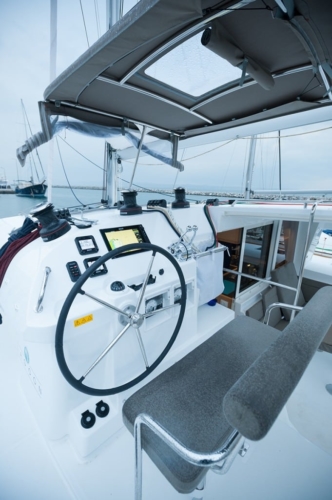
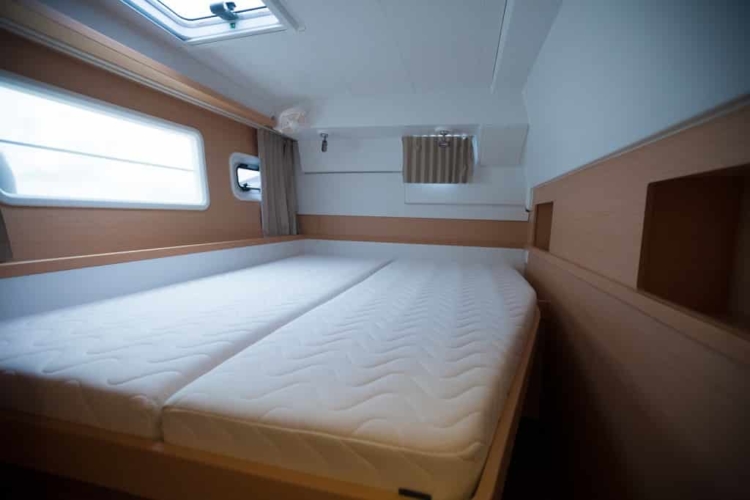
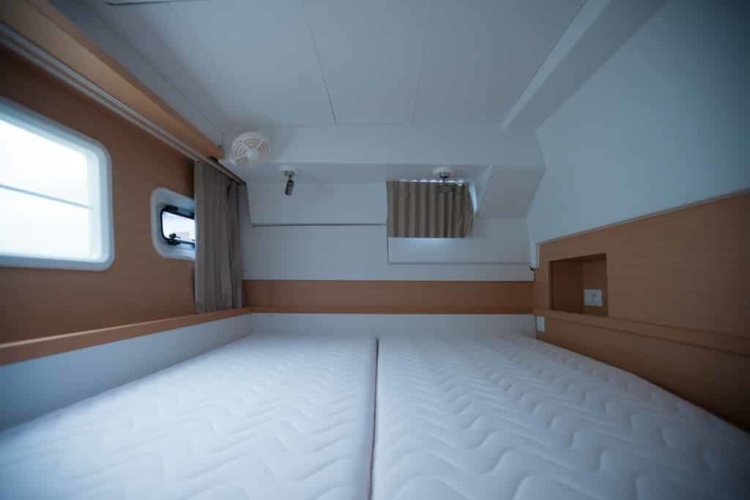
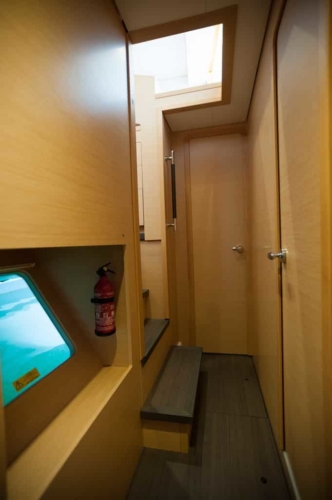
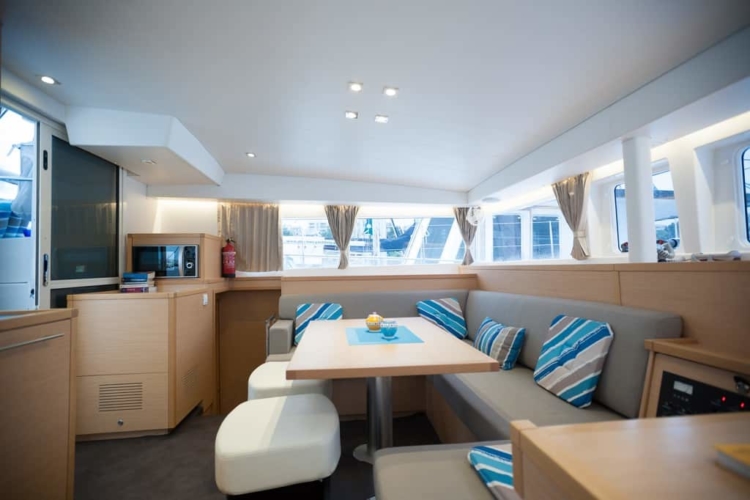
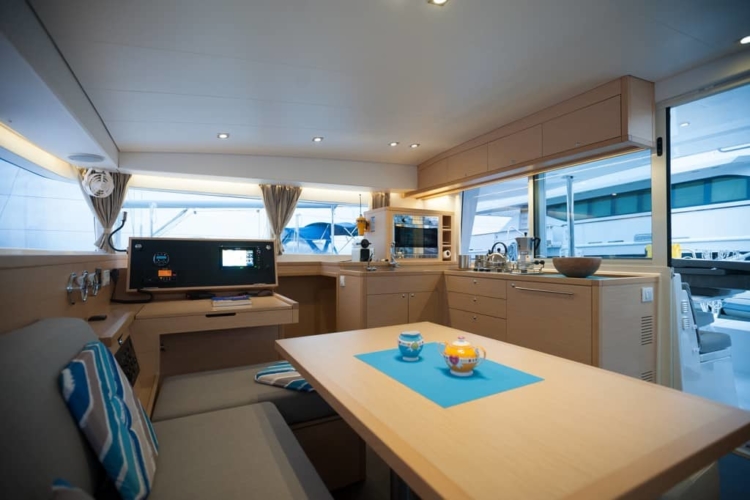
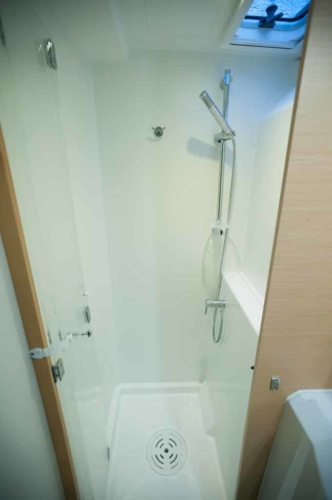
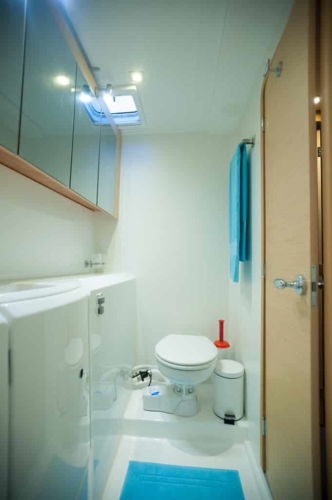
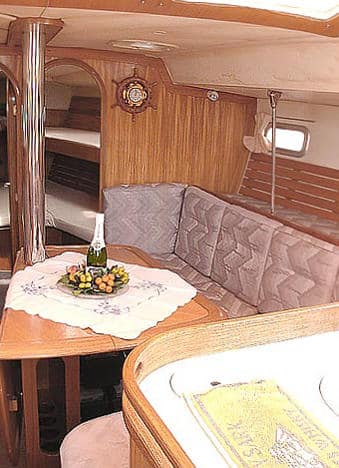
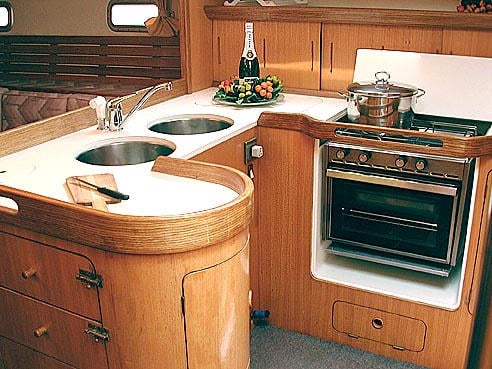
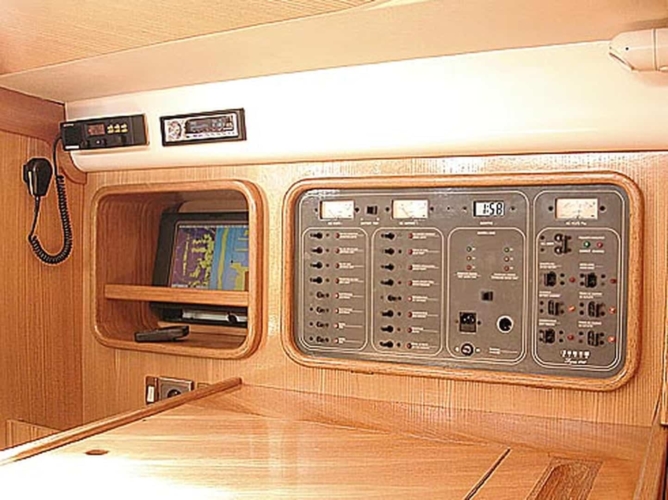
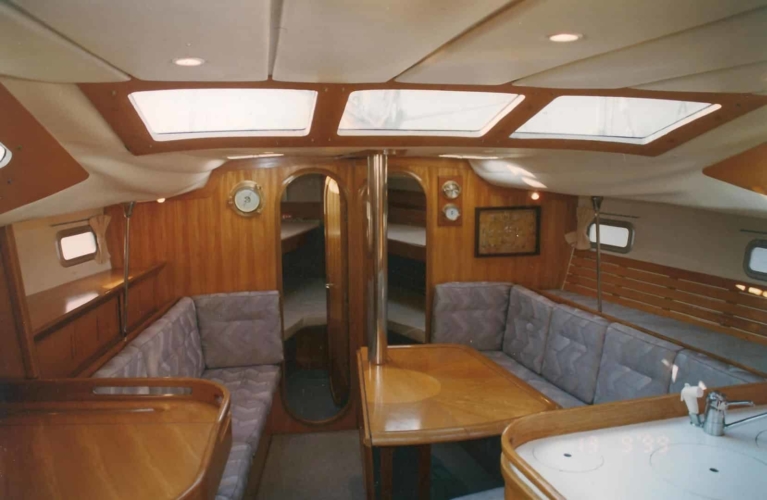
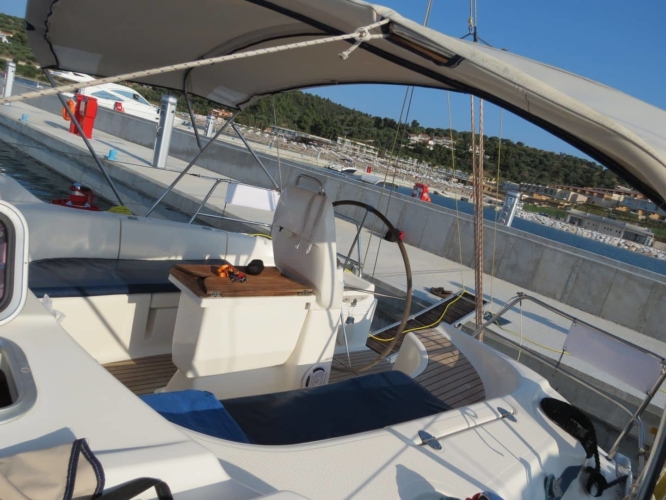
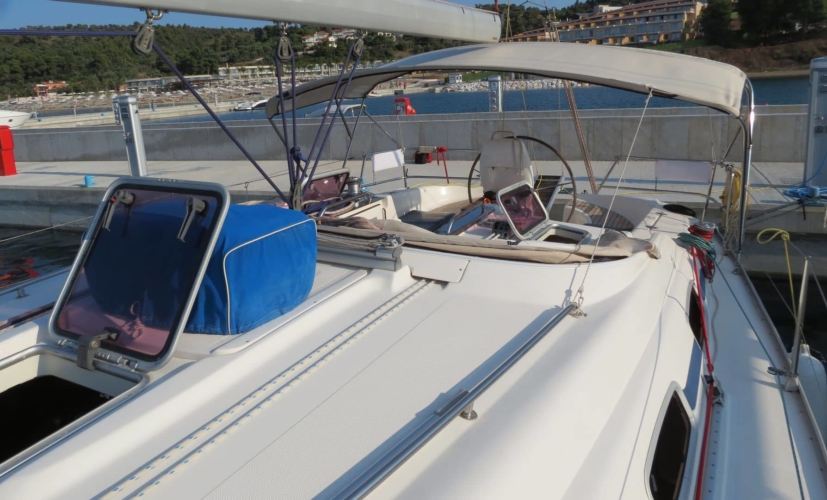
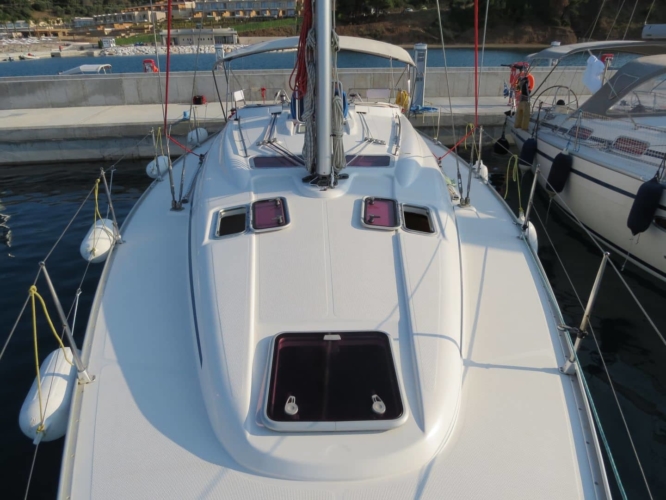
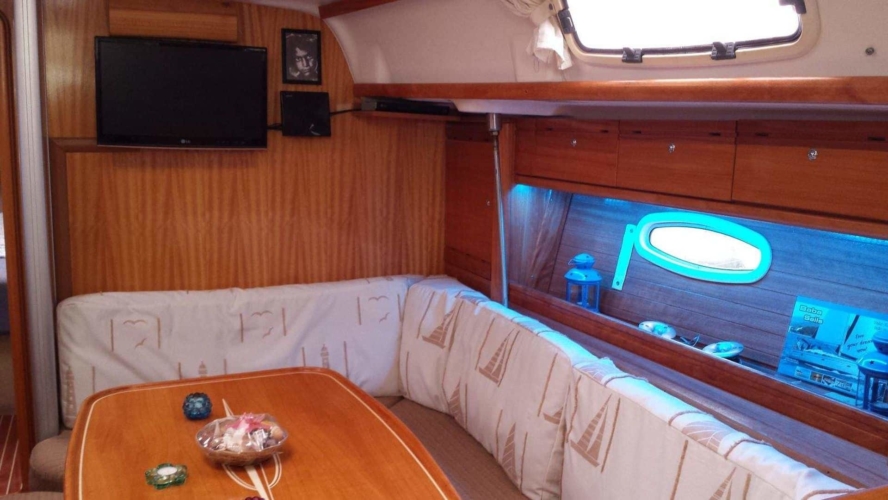
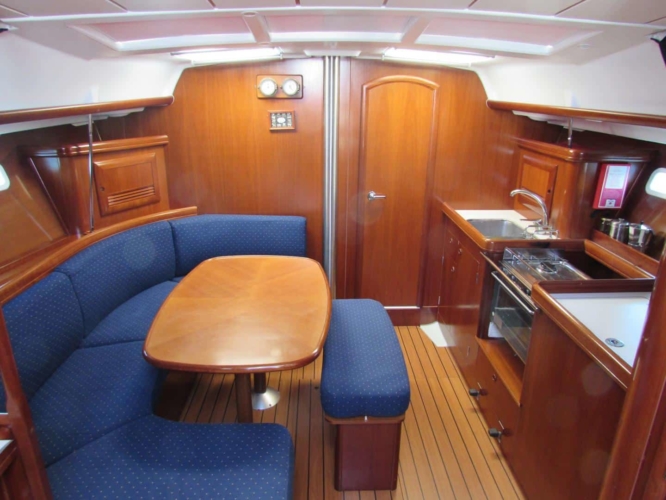
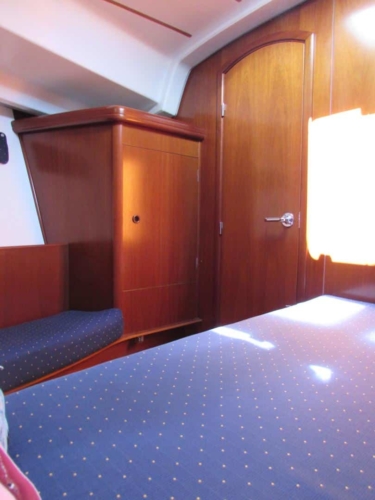
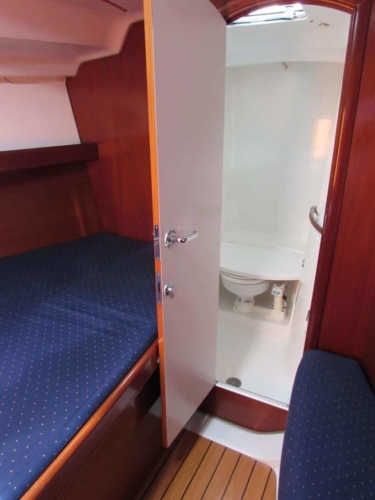
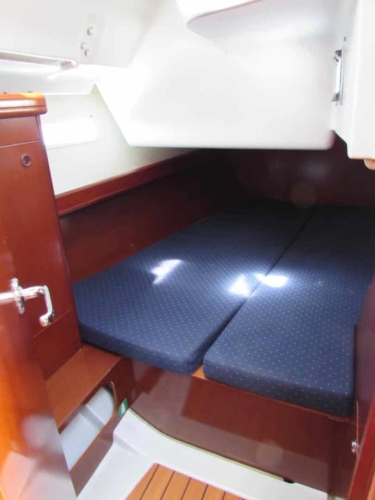
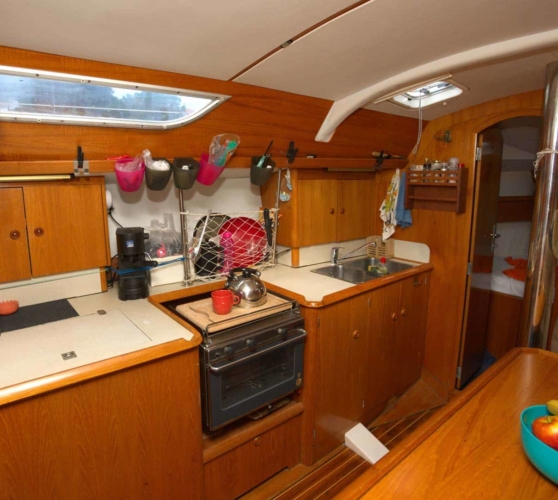
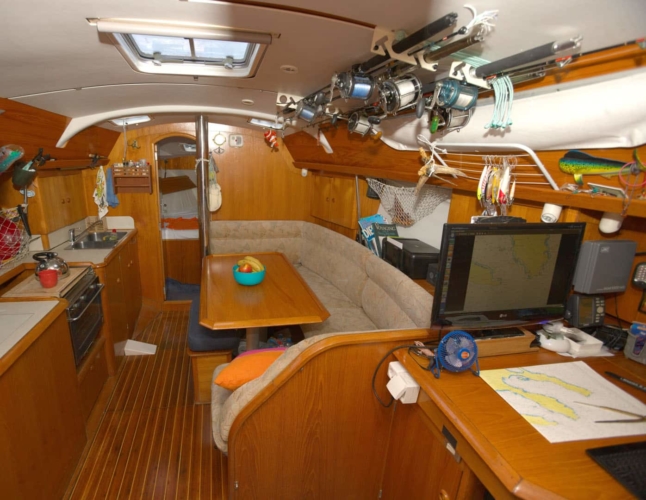
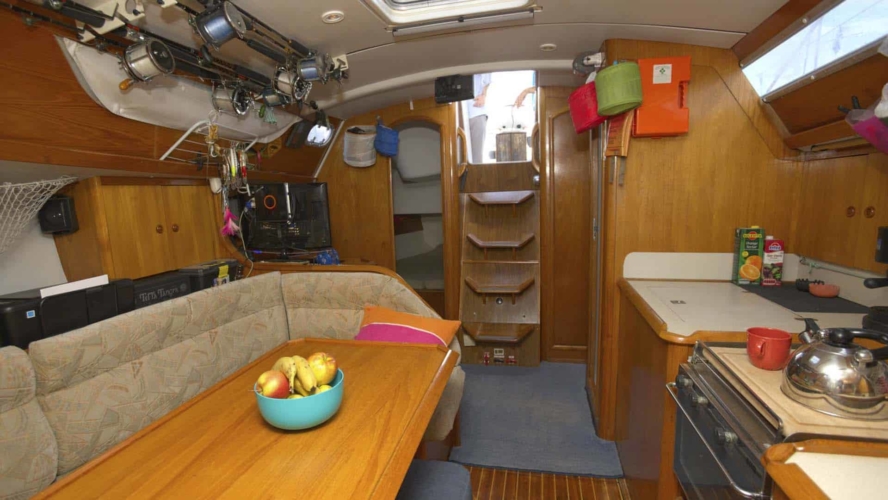
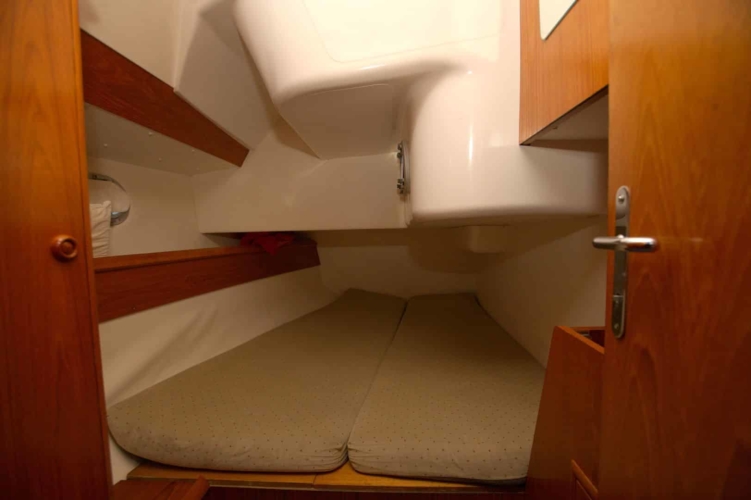
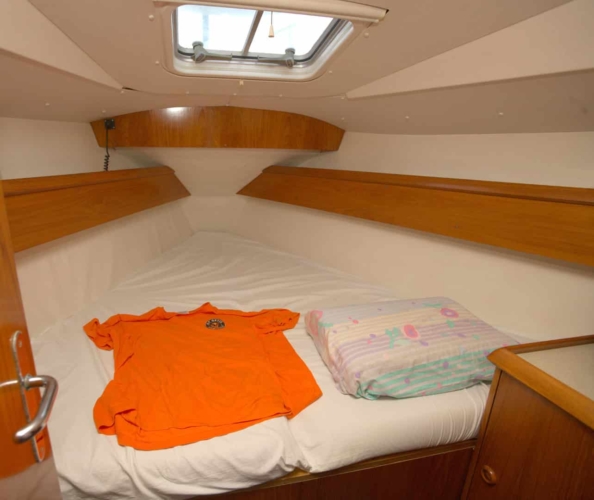
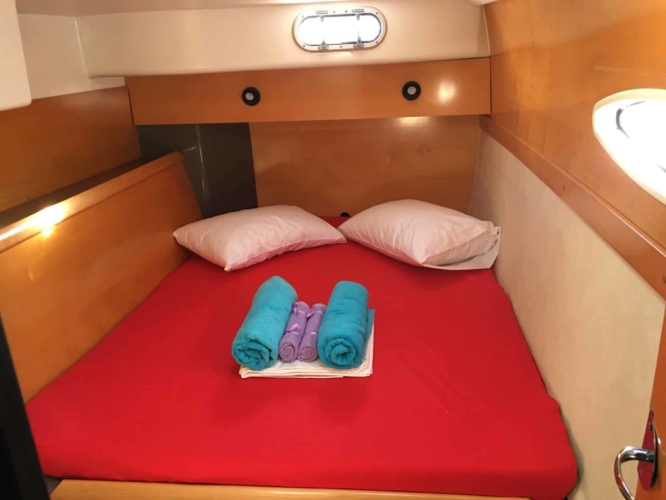
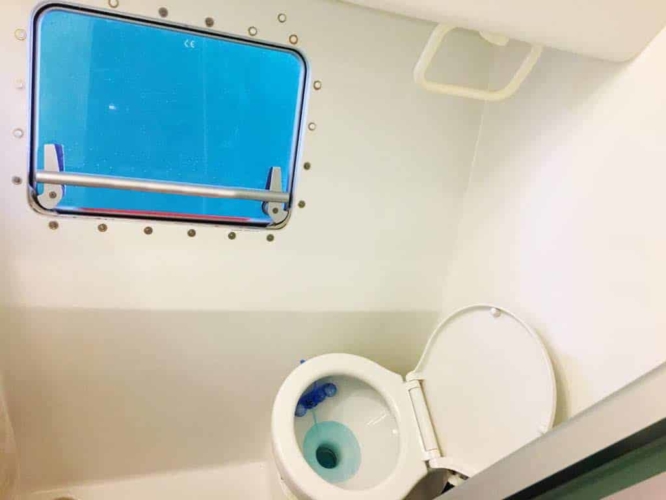
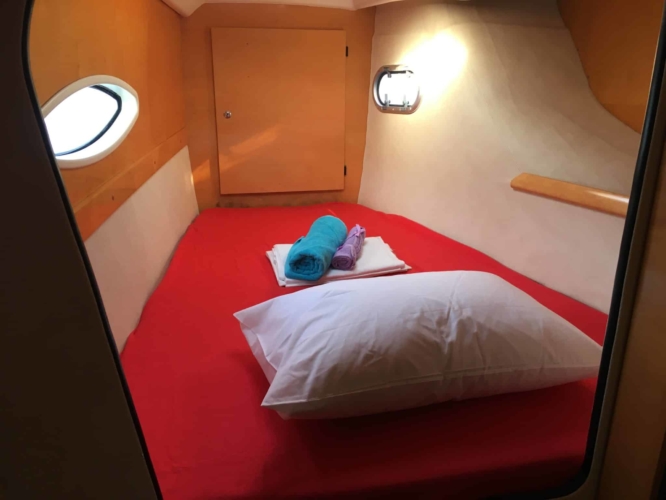
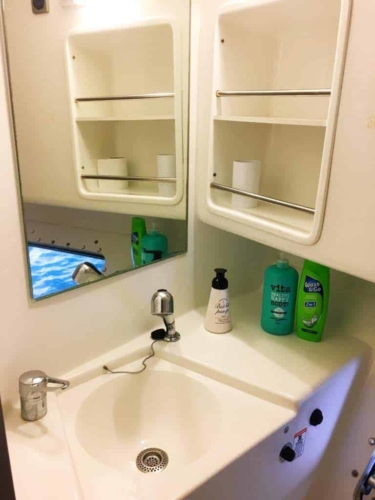
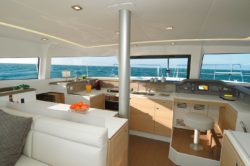
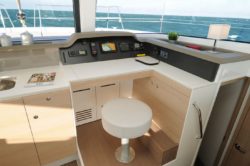
All boats have a minimum of 3 cabins, WC, hot water, fully equipped kitchen, safety equipment, Radio CD player, Bimini top (tent over the cockpit), dinghy (small inflatable boat with engine).

Week
Friday afternoon to Friday morning
per day
4 days
per day
Weekend
Friday evening to Sunday night
per day
Full seasonContact usContact usContact us
Low seasonContact usContact usContact us

Prices are per DAY in euro (€)

  • Prices are calculated per day, not per night. This means that if you get on board, or leave, at a time that makes it impossible for the boat to do a day trip (11:00 to 19:00), that day is added to the total number of days.
  • Weeks have 7 days, Weekends have 2 days
  • Weekends can start from Friday evening after 21:00 for an exta fee of 99€
  • Departures from Halkidiki (Neos Marmaras), Ionian (Lefkas marina)
  • Areas for sailing:
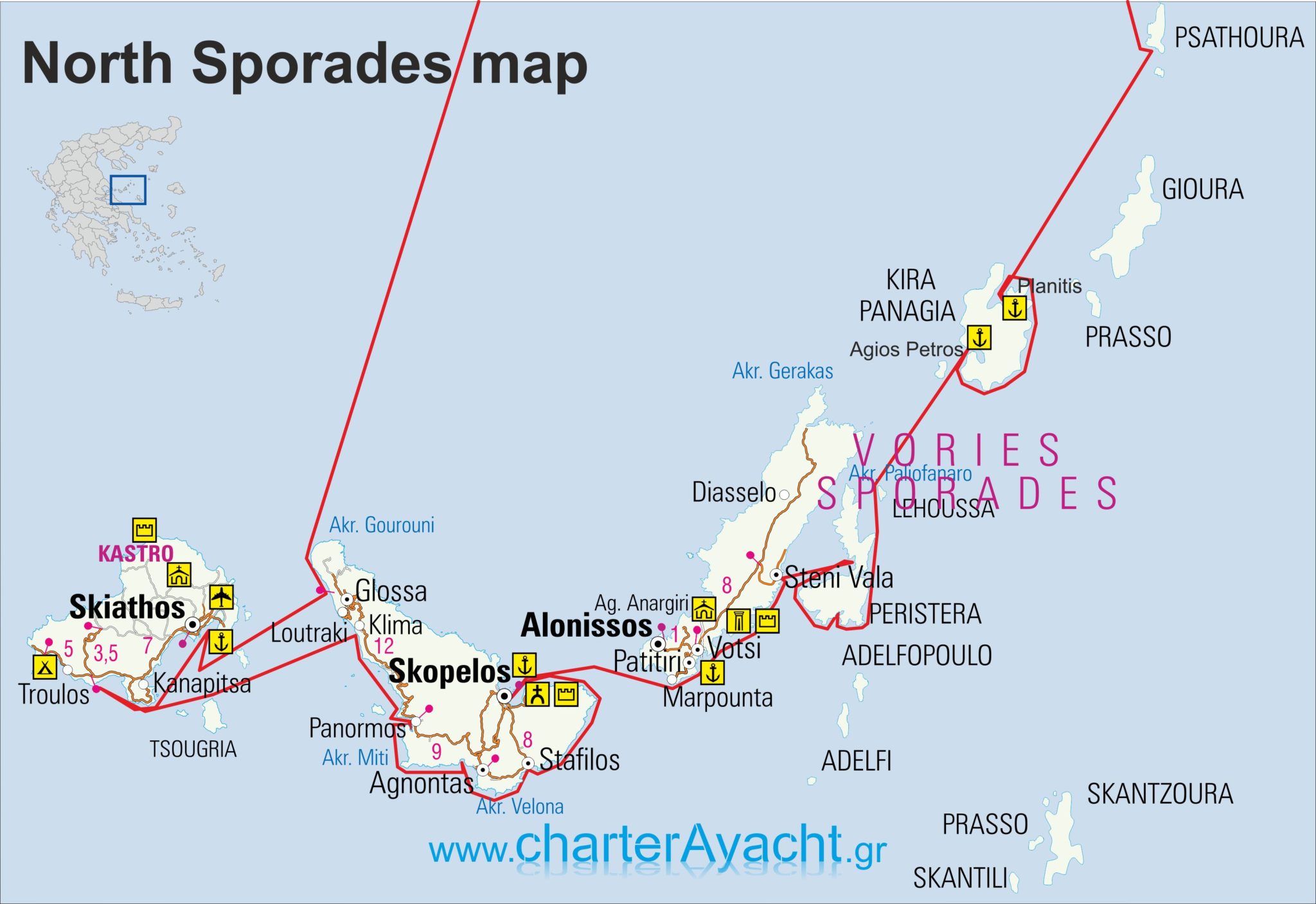
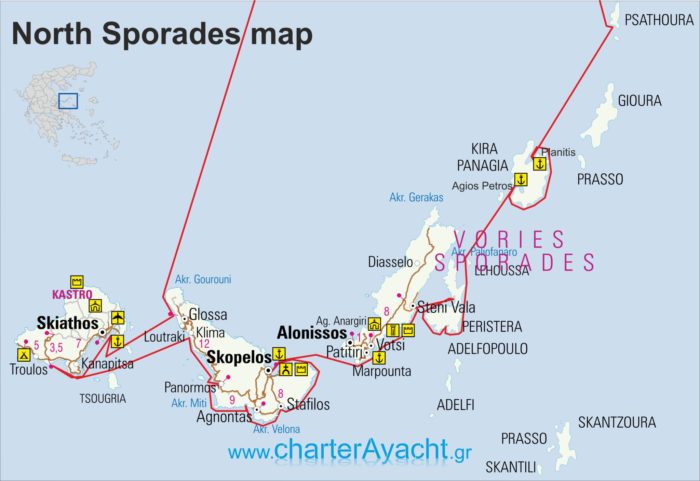
    North Sporades Islands (Skiathos, Skopelos, Alonnisos)
    Ionian (Lefkas, Ithaki, Kefalonia)
    Halkidiki (Kassandra, Sithonia, Amouliani, Diaporos, Mount Athos)

Included:

  • Experienced Skipper
  • Fuel, main engine Diesel and Petrol (for the dinghy outboard)
  • V.A.T.
  • Boat fees, marina fees (Marina Sani and Porto Carras is not included).
  • Water, Electricity.
  • 1 sheet 1 pillowcase and bathroom towel per person (included only for more than 3 days charters).

Not included:

  • beach towels
  • food, drinking water and beverages including the captains food.
  • other consumables as toilet paper, kitchen paper, coffee, sugar, etc.

Discounts

  • 10% for booking and paying in full 90 days in advance
  • 10% for booking more than 1 week
  • 10% returning customer

max discount 20%

Booking Conditions

Ways to pay for your trip

call us: +306980700070

send a message via WhatsApp

call or text us on Viber

send a message via Messenger

Don’t forget to mention:

  • Number of persons, possible dates
  • The hotel you’ll be staying
  • The activity you are interested in

Game fishing day trip 2026 prices and information

All boats have a minimum capacity of 8 guests, WC, hot water, a fully equipped kitchen, safety equipment, a radio CD player, Bimini top (tent over the cockpit), and a dinghy (small inflatable boat with engine).

Sailboats
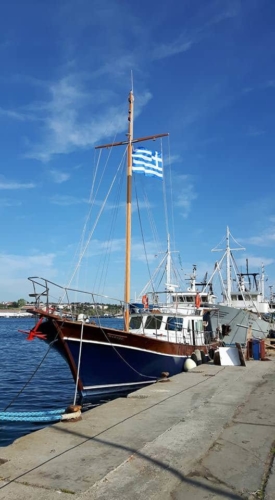
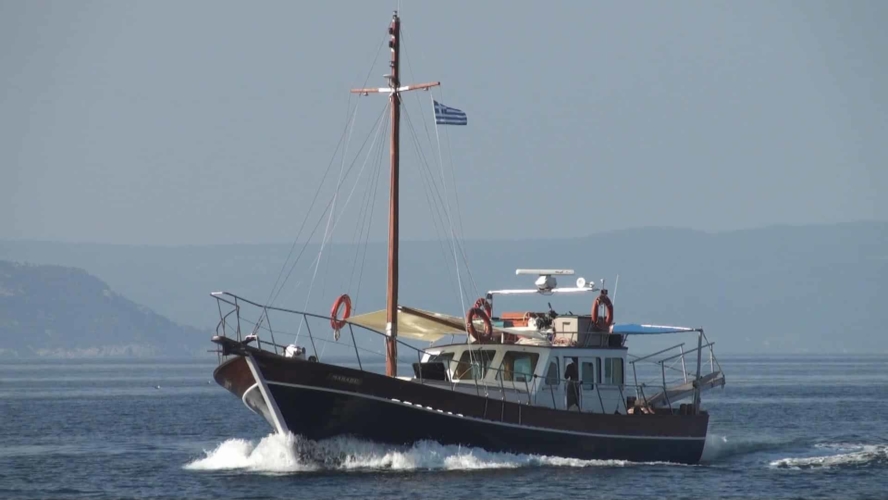
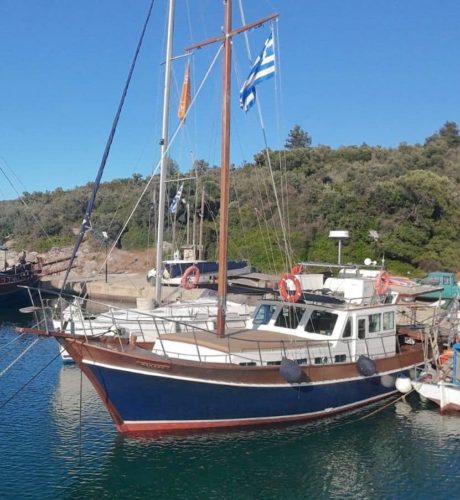
Traditional kaiki boatMotor Yacht
Full seasonContact usContact us for special offer Contact us for special offer
Low seasonContact usContact us for special offer Contact us for special offer

Included:

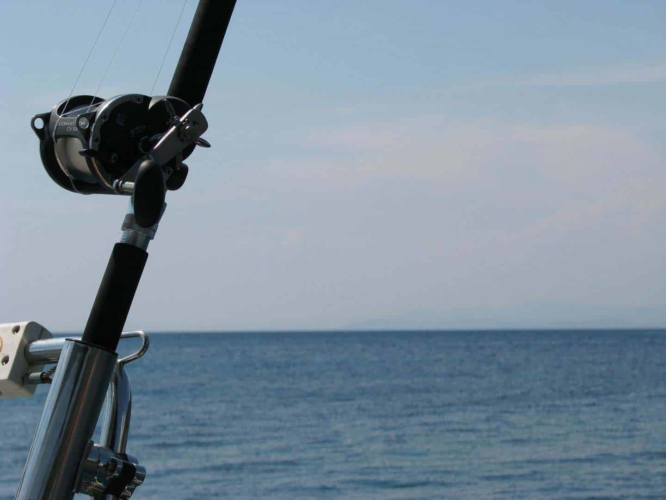
  • all the necessary equipment for game fishing
  • VAT
  • Boat fees, Professional skipper, marina fees
  • Fuel, Petrol, Water, Electricity
  • Drinking water
  • coffee or tea
  • snack’s
  • soft drinks
  • sandwiches
  • Hot snacks cooked on board
  • Lunch cooked on board
  • Wine, Beer, Tsipouro

Not included:

  • Dinner
  • Beach towels

Extra charges:

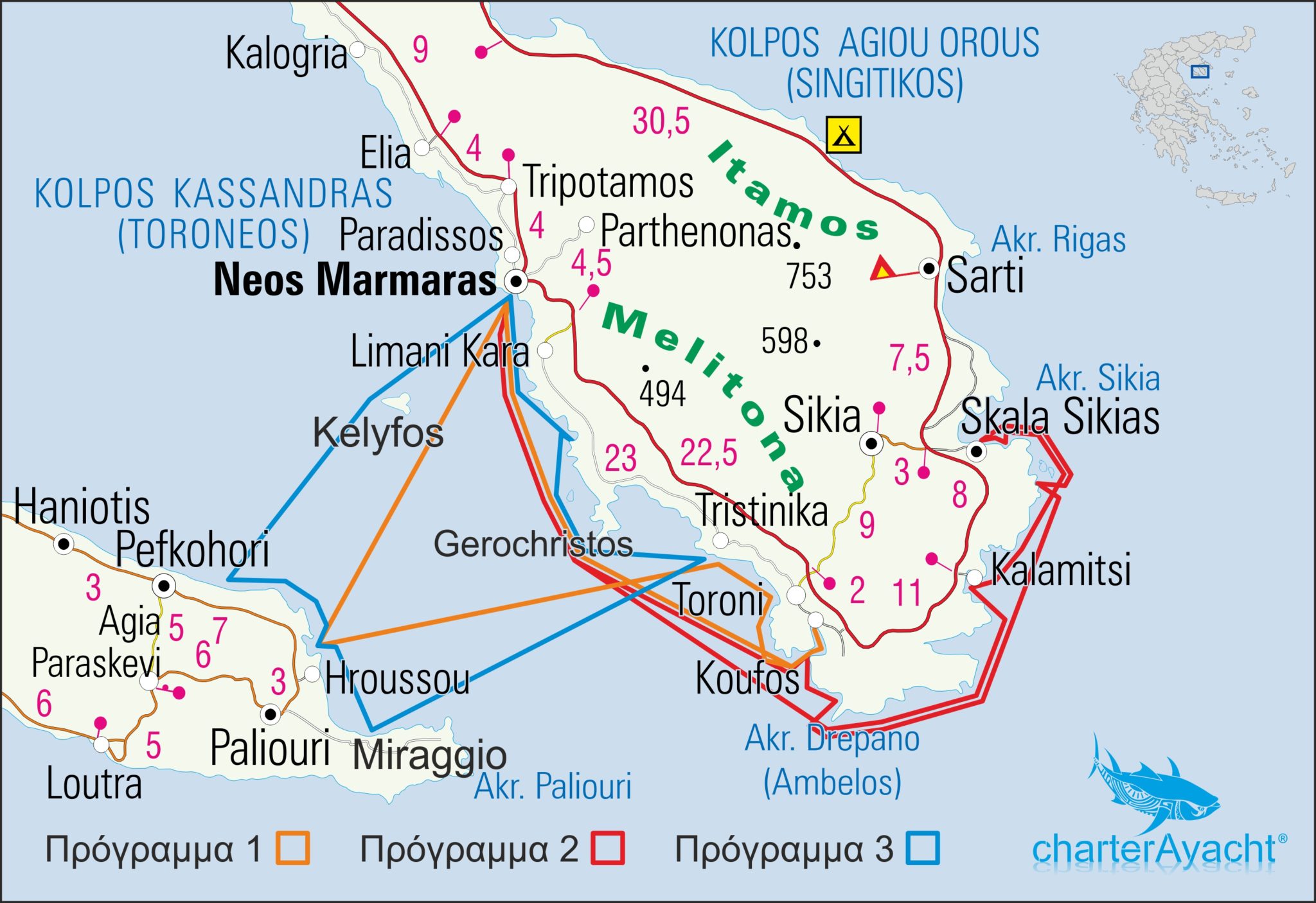
  • Hrousos pier at Paliouri beach +100€ (for transfer of the boat from Neos Marmaras)
  • Miraggio marina Departure +150 (for transfer of the boat from Neos Marmaras and marina fees)
  • Porto Carras Departure +90 (for transfer of the boat from Neos Marmaras and marina fees)

Discounts

  • 10% for booking and paying in full 90 days in advance
  • 10% for booking 2 or more days
  • 10% returning customers

max discount 20%

Departure port is Neos Marmaras Harbour unless otherwise specified. There is the possibility to depart from other places like Miraggio marina or Marina Porto Carras, for an extra fee. Also, we can and do make arrangements for your transfer to our Neos Marmaras base if your hotel reception is unable to help you. Please contact us for details.

Typical day game fishing program:

Departure at 07:00 am from Neos Marmaras
Return after 18:00 p.m.

Booking Conditions

call us: +306980700070

send a message via WhatsApp

call or text us on Viber

send a message via Messenger

Don’t forget to mention:

  • Number of persons, possible dates
  • The hotel you’ll be staying
  • The activity you are interested in

Sithonia or Kassandra departures for PRIVATE day sailboat, traditional Kaiki, or motor yacht tours, prices for summer 2026

Check our online booking system for options and availability, and book directly

All boats have a minimum capacity of 8 guests, WC, hot water, a fully equipped kitchen, safety equipment, MP3 CD player, Bimini top (tent over the cockpit), and SUP.

Sailboat
Economy line 5 hours
Sailboat
Economy line 3 hours
Traditional kaiki boat
Full seasonfrom 599€399€from 1199€
Low seasonfrom 499€299€from 999€

Included:

  • VAT, taxes
  • Boat fees, Professional skipper, and marina fees.
  • Coffee, tea, and drinking water
  • Diesel fuel, petrol, washing water and electricity.

For motor yachts, any extra client request for visiting places that are not in the program means an extra fuel consumption, which is not included and is paid by the customer. Please call us for details. This does not apply to Sailing yachts

Not included:

  • lunch or dinner, but we can make a taverna stop for fresh fish for the 7-hour program
  • beach towels

Extra charges:

  • Chrousos pier at Paliouri beach +100€ (for transfer of the boat from Neos Marmaras)
  • Miraggio marina Departure +150 (for transfer of the boat from Neos Marmaras and marina fees)
  • Porto Carras Departure +50 (for transfer of the boat from Neos Marmaras and marina fees)
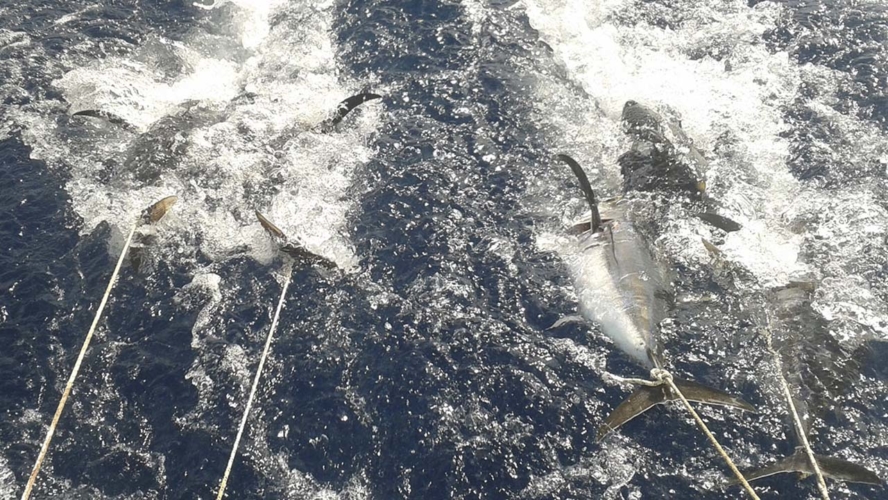
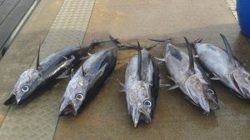
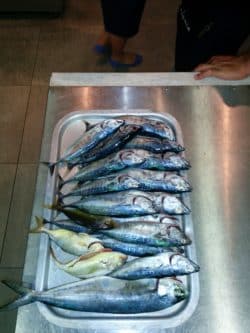
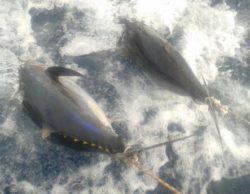
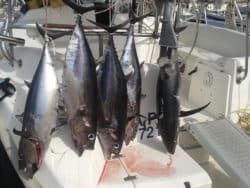
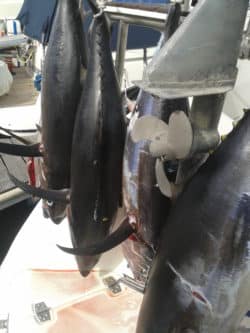
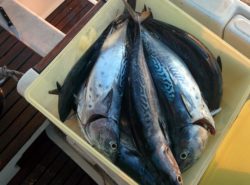
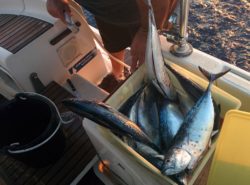
  • Fishing trip, troll for Mackerel +75 (for extra fuel and fishing gear use)
  • Full-day game fishing trip, troll for Tuna +250 (for extra fuel, breakfast – lunch cooked on board, wine, beer, snacks, and fishing gear use)

Discounts

  • 10% for booking 2 or more days
  • or 10% returning customers
    Contact us to send you a discount code  before booking

The departure port is Neos Marmaras Harbour unless otherwise specified. There is the possibility to depart from other places like Chrousos pier, Miraggio marina, or Marina Porto Carras, for an extra fee. Also, we can and do make arrangements for your transfer to our Neos Marmaras base if your hotel reception is unable to help you. Please contact us for details.

Typical day sailing  program:
Departure at 11:00 am
Return at 16:00 p.m.

Booking Conditions

call us: +306980700070

send a message via WhatsApp

call or text us on Viber

send a message via Messenger

Don’t forget to mention:

  • Number of persons, possible dates
  • The hotel you’ll be staying
  • The activity you are interested in
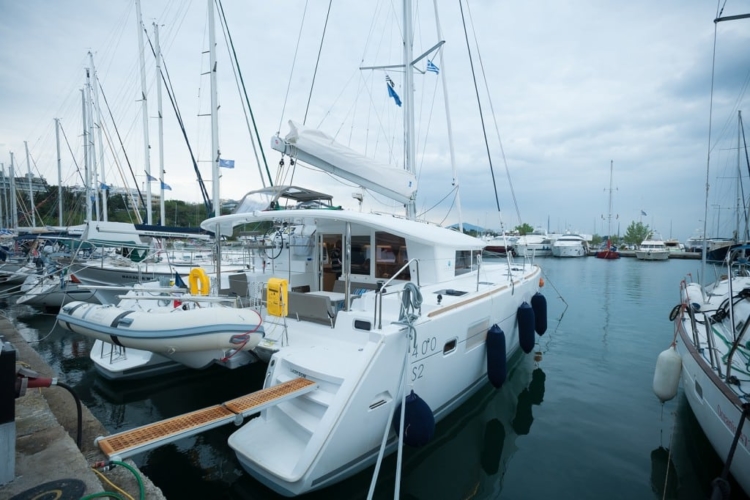
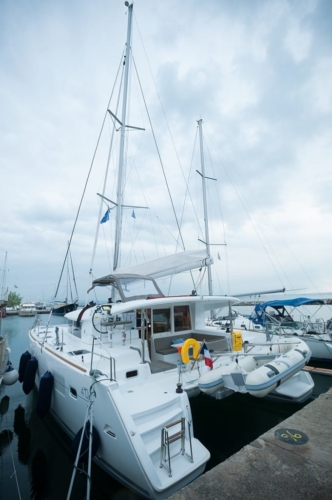
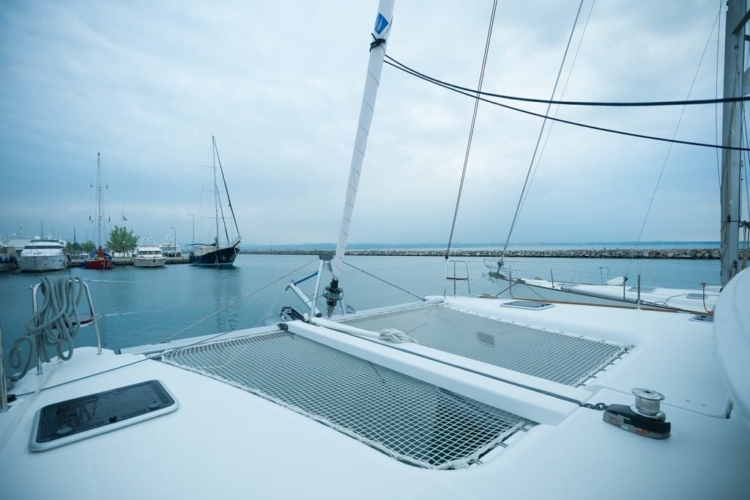
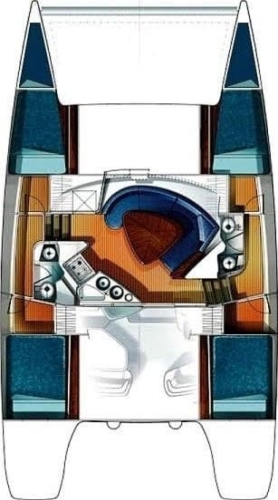
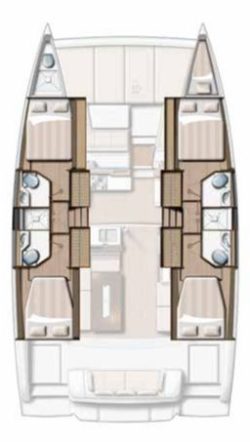
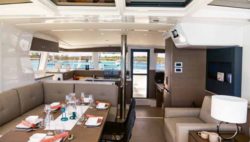
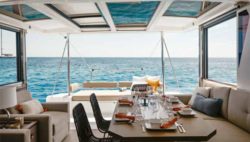
Shipyard: Lagoon Yachts
Model: 400s2
Feet: 40
Year: 2015
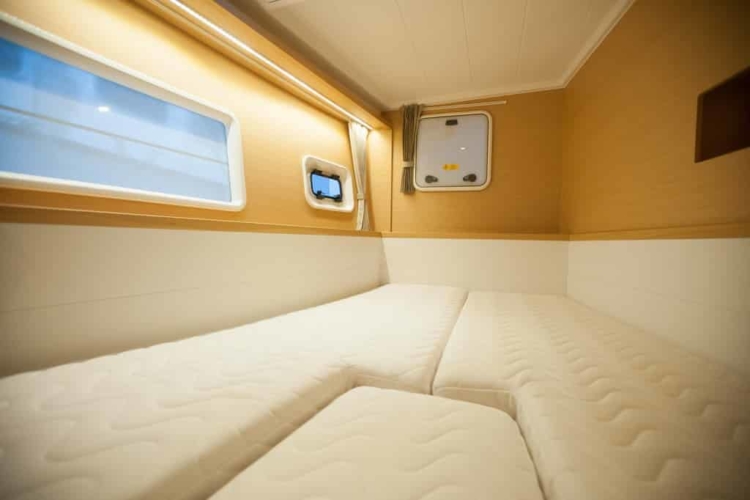
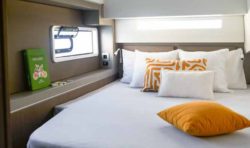
Cabins: 4+2(crew)
Berths: 10
W.C.: 2
Pax: 10
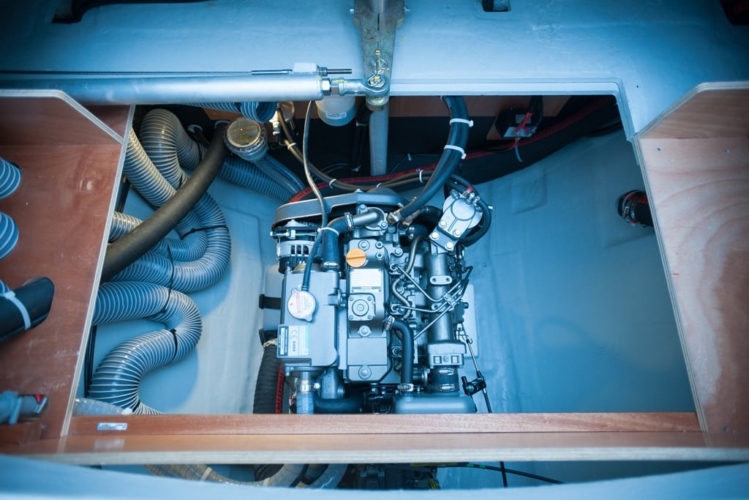
Engine: Yanmar
Draft (m): 1.50m
Basic technical equipment: Fully battened main & roller head sail, dinghy + outboard, Gps plotter, 220 vlt inverter, LED lights, Electric fridge and freezer, auto pilot, AIS, speed, wind and sounder (all by B&G)

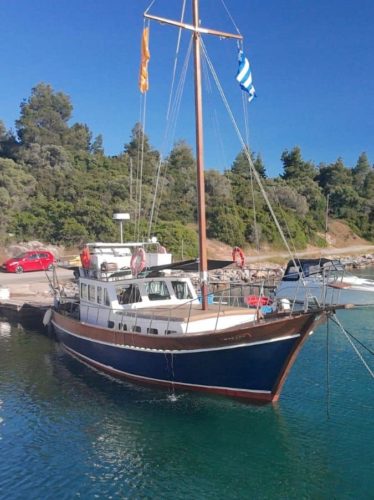
Motor sailor kaiki

Length: 15m
Width: 4.26m
Draft: 1.80m
Engines: 2 x 210 Volvo
Built: 1996
Total refit: 2016
Total capacity: 40 people
Crew: 2

Sail, monohull, cabin, cruising, Category: A
Length overall 12.5m
Beam (width)4.1m
Draft (m) 2m
Berths (guests) 12 Heads (toilets) 1
Engine1 inboard, Total: 56HP
Fuel diesel, Total: 250lt
Construction material Plastic (GRP)
Mainsail furling
Head sail, Furling Genoa
Dinghy inflatable, 2.5m, outboard 5HP
Rig type Masthead sloop
Keel type Bulb keel
Manufacturer Kirie France
Engine manufacturer Yanmar, JP
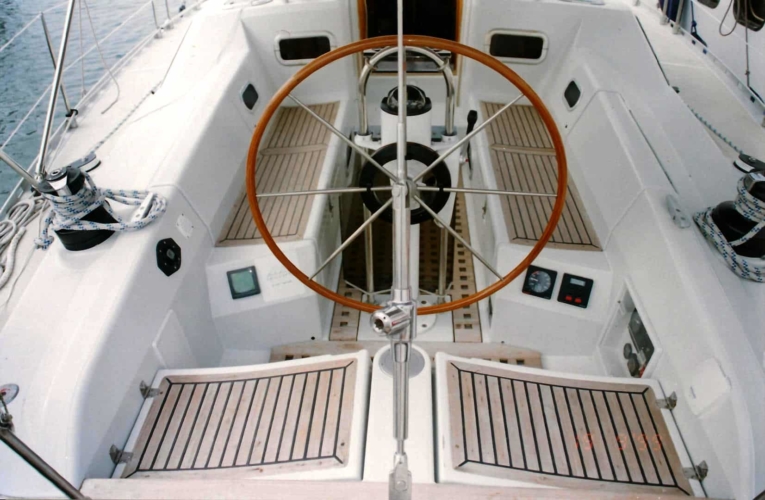
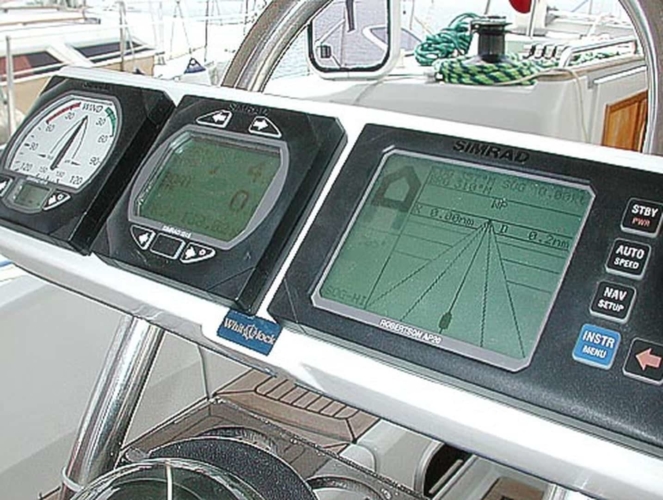
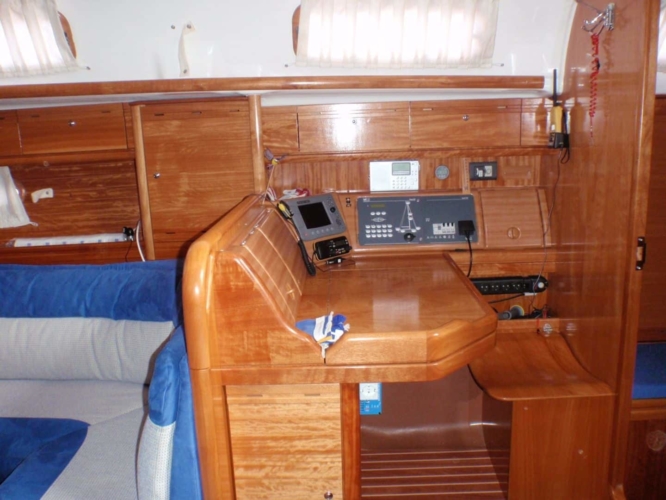
Standard equipment : Fridge, spray hood, bimini top, water pressure, teak cockpit, charts, first aid cabinet, battery charger, compass, hand compass, engine battery, log, wind speed, GPS, GPS plotter, depth sounder, radar
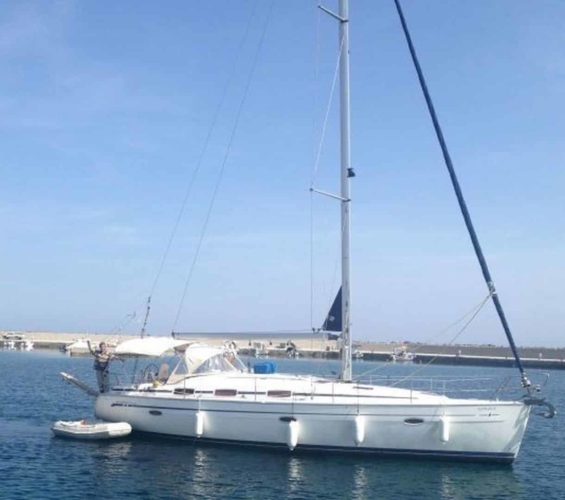
Safety equipment : Life jacket(s), life raft, 12-person life raft total, flares, automatic bilge pump, EPIRB, GMDSS VHF DSC, horseshoe buoy, safety harnesses, flags QNC, tools, floating light, bosun’s chair, sea anchor
Fun equipment
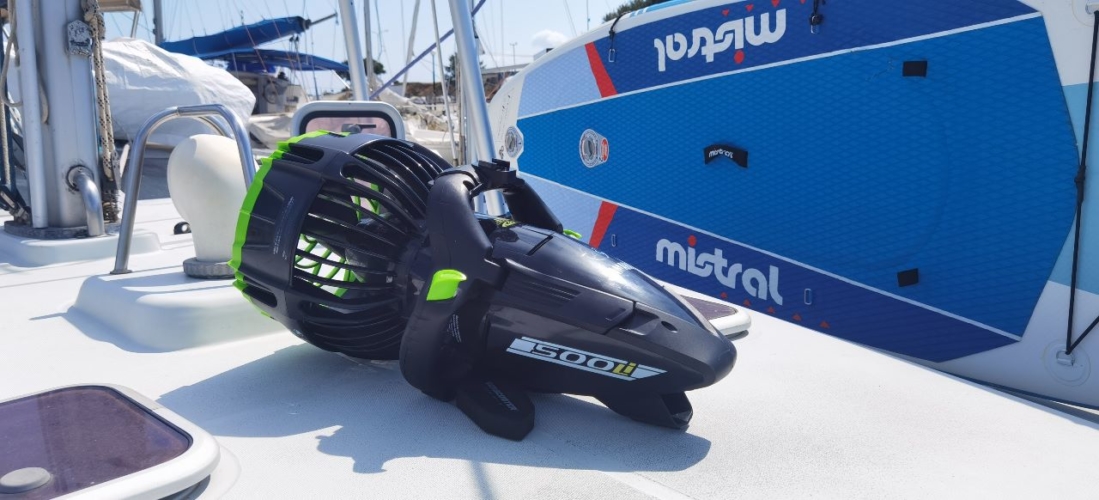
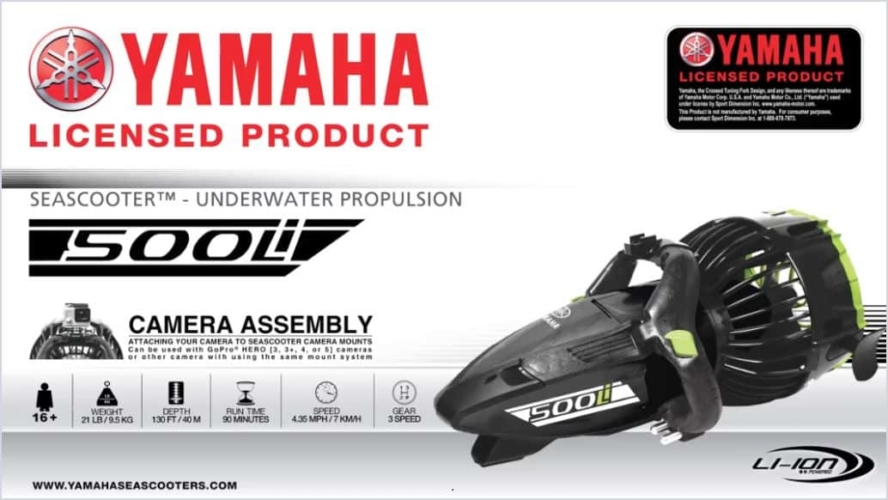
: Radio CD, Yamaha sea scooter, snorkelling gear, stand up paddle.
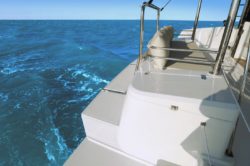
Comfort equipment : Swimming platform, hot water

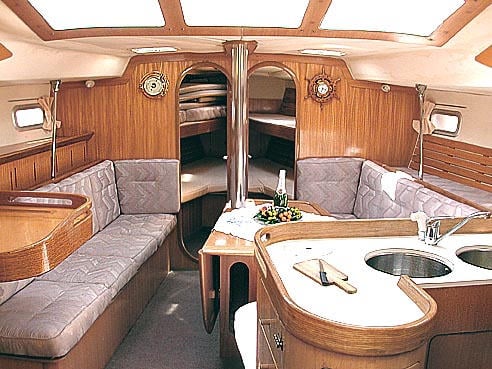
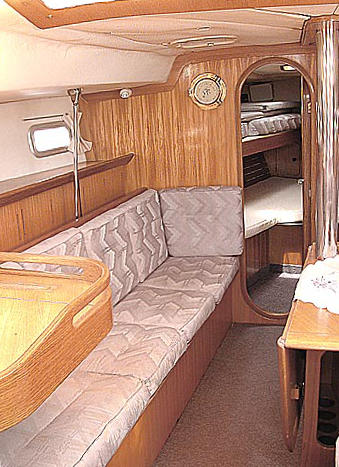
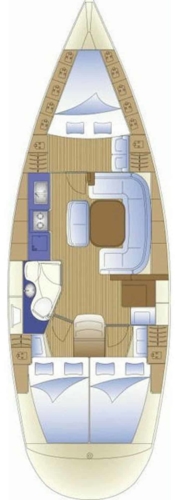
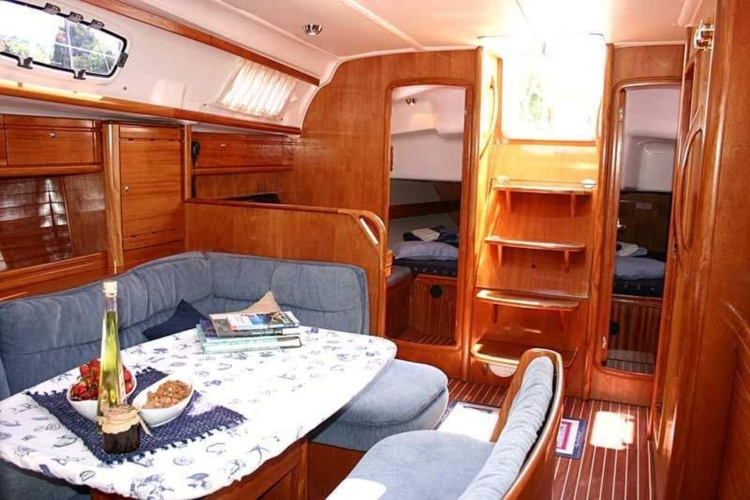
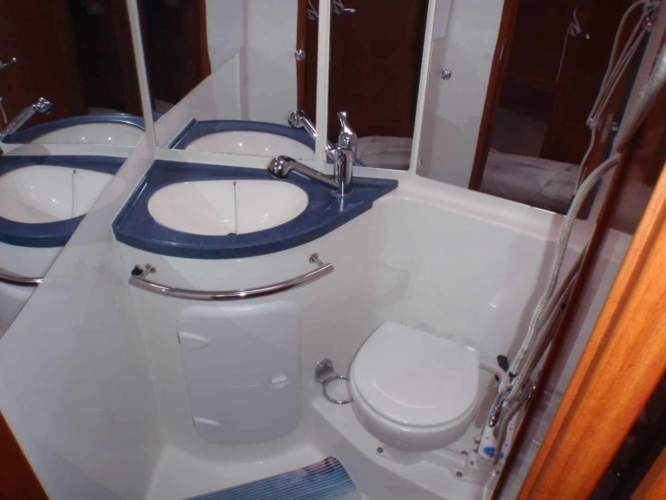
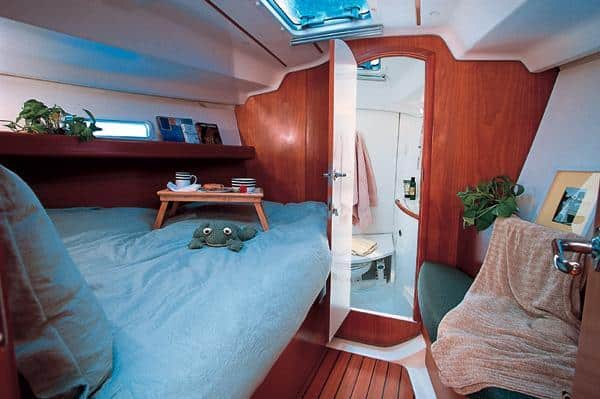
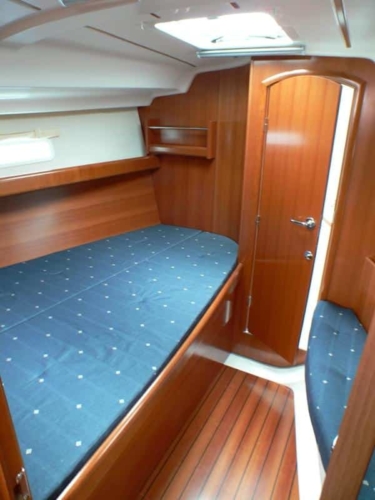
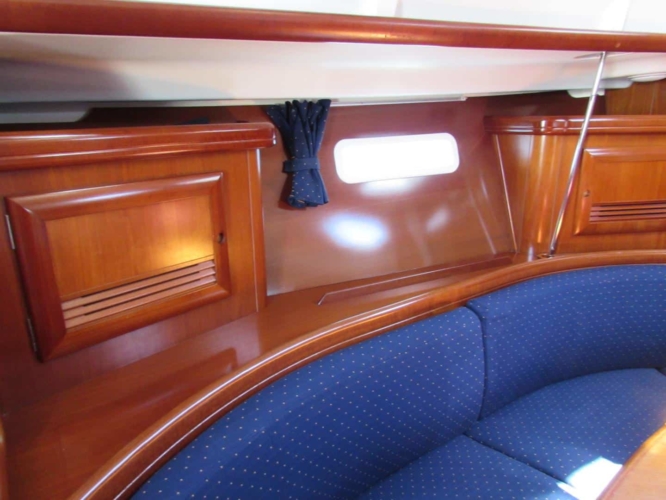
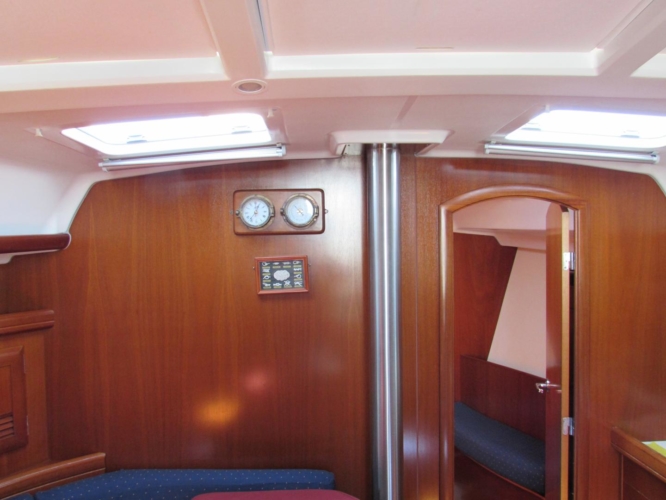
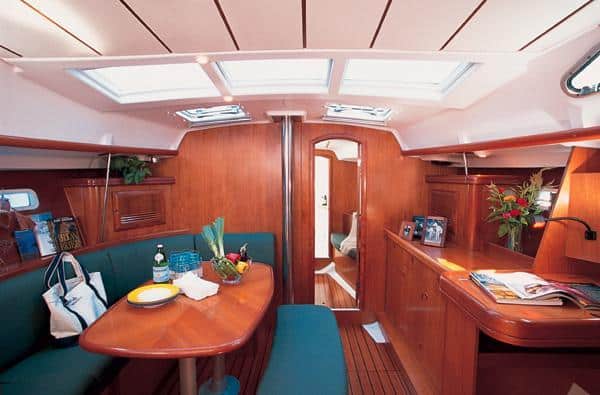
The Bavaria 12m comfortably accommodates six people in private double cabins. The forward double cabin has a private en-suite head with a hot and cold shower.

The two aft double cabins share a second head with shower. If needed, a single settee berth can be made up in the saloon. For a relaxed and spacious charter, we recommend six as the ideal number of crew.

Facilities

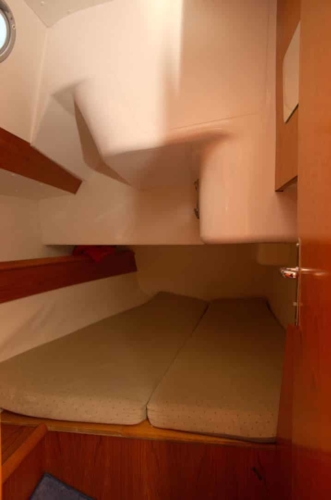
  • 3 Cabins
  • 2 WC
  • WiFi

Yacht Details

Year of Build:2007
Length:12 m
Cabins/Toilets:3 / 2
People Capacity:<10
Weight:
Draft:1,84 m
Engine:VOLVO 50 (installed 3/2017)
Max Speed:6-7 kn/h
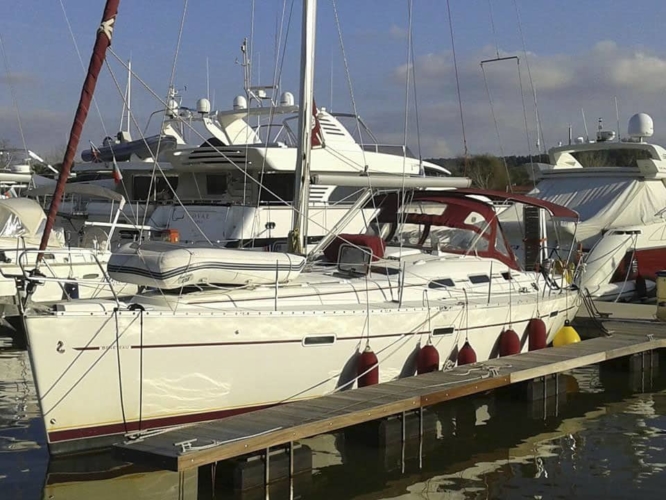
Name of boatBENETEAU – 39.3ft – 3 Cabins
Type /model39-foot monohull
FlagGreece
Skippered only

Sailing yacht information

Loa11,95 m
Beam3.98 m
Draught1.55m
Date of build2003
Date of first trip2004
ShipyardBeneteau yachts
DesignerBerret-Racoupeau
Displ./Ballast
Hull ShapeFin keel
Hull materialGRP
Deck materialTeak on deck

Machinery

EnginesYANMAR
Hp / cyl56Hp /  3cyl
Date when built2003
Speed (cr / max)6/8  Knots
GeneratorYES 3,8 KW
Tanks
Fuel tank150 liters
Fresh water500 liters
Electrics
Elect. Install.12v,220v
Battery4 x 100 A Ohm
SteeringWheel Autopilot
SailsRoller main sail
Furling Genoa
Winches4 manual

Nav.equipment & instrum.

CompassYes
EchosounderYes
LogYes
Wind instumentYes
Auto pilotYes
VHFYes
GPSYes
SSB radioYes
WindexYes
RadarNo
Solar PanelsNo

Accomodation

Cabins3
Total berths6-8
WC2
Shower2
Hot waterYes
Stereocd player + mp3
Galley outfitFridge (electric)
Safety equipm.complete
Deckgear
WindlassElectric
Tender3.6m
Outboard engine4 Hp
Anchor2
Swimming ladderYes
AwningBimini
SpraywoodYes
Deck showerYes
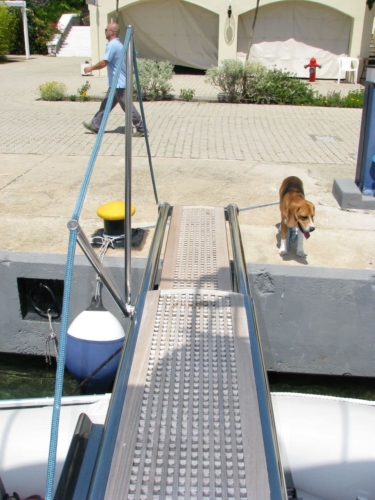
GangwayYes
ExtrasNew Main Sail

Sail, monohull, cabin, cruising, Category: A
Length overall (ft) 36.2ft (11m)
Beam (width)3.8m
Draft (m)1.9m
Cabins 3
Berths (guests) 8 Heads (toilets) 1
Engine: 1 inboard, Total: 29HP,  NEW 2013
Fuel diesel, Total: 150lt, Typical Range NM: 250Nm
Construction material Plastic (GRP)
Mainsail 35m2, furling
Head sail 27m2, furling genoa
Dinghy inflatable, 2.4m, outboard 3HP
Height (m)14m Rig Type Masthead sloop
Keel type: bulb keel
Manufacturer JEANNEAU shipyard, France
Engine Manufacturer Yanmar, USA

  • Standard equipment: 1 refrigerator(s), weather station, spray hood, bimini top, water pressure, teak cockpit, 220V electric system, battery to 220V ac inverter, battery monitor, charts, first aid cabinet, battery charger, compass, hand compass, engine battery, log, wind speed, GPS, GPS plotter, Navtex, depth meter, radar, new Raymarine electronics and new internal autopilot, 2014
  • Safety equipment: 14 life jacket(s), 4 smoke alarm(s), 1 life raft, 8 life raft total persons, CO alarm, LPG alarm, flares, automatic bilge pump, Epirb, GMDSS VHF DSC, horseshoe buoy, safety net, safety harnesses, flags QNC, tools, floating light, bosun’s chair, sea anchor
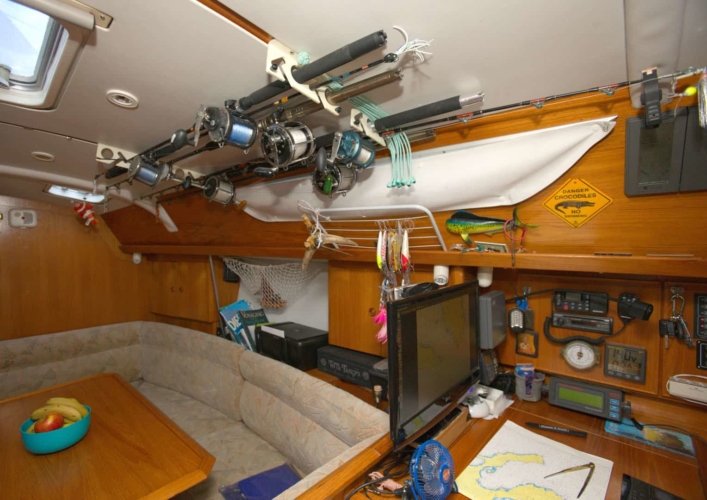
  • Fun equipment: SUP, game fishing equipment (on request), snorkel gear, speargun, radio tape, radio CD, computer with DVD, MP3
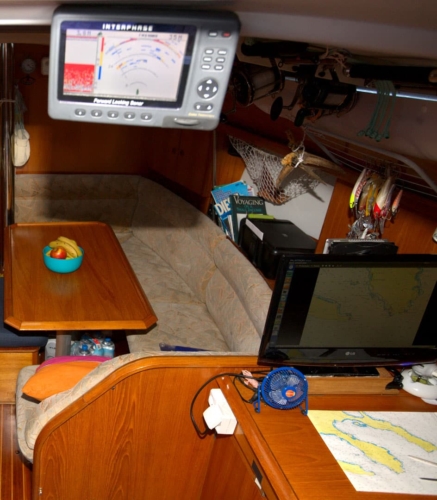
  • Comfort equipment: swimming platform, heating, cockpit shower, hot water, forward-looking sonar

On our sailing holidays website, we take pride in our commitment to providing exceptional services to our clients. As part of our efforts to reach a wider audience, we have registered our business on various UK business directories.

These directories are an excellent platform for businesses to showcase their services and increase their visibility to potential clients. By registering our business on these directories, we are able to reach a broader audience and connect with people who are interested in sailing holidays in Greece.

Some of the UK business directories that we are registered on include:

  1. Yell.com – This is a popular directory that features a comprehensive list of businesses across the UK. By registering our business on Yell.com, we are able to reach a wider audience and connect with potential clients who are searching for sailing holidays in Greece.
  2. Thomson Local – Another popular UK business directory, Thomson Local provides an easy-to-use platform for businesses to connect with potential clients. By registering our business on Thomson Local, we are able to showcase our services and reach a wider audience.
  3. Scoot – Scoot is a leading UK business directory that provides a range of services to businesses across various industries. By registering our business on Scoot, we are able to increase our visibility to potential clients who are searching for sailing holidays in Greece.
  4. FreeIndex – As the name suggests, FreeIndex is a free UK business directory that provides businesses with a platform to showcase their services. By registering our business on FreeIndex, we are able to connect with potential clients and increase our online presence.

On our sailing holidays website, we are committed to providing exceptional services to our clients. By registering our business on these UK business directories, we are able to reach a wider audience and connect with people who are interested in sailing holidays in Greece.


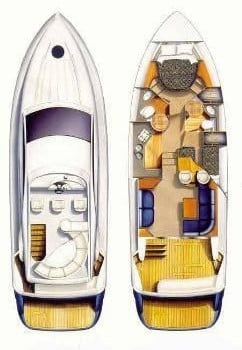
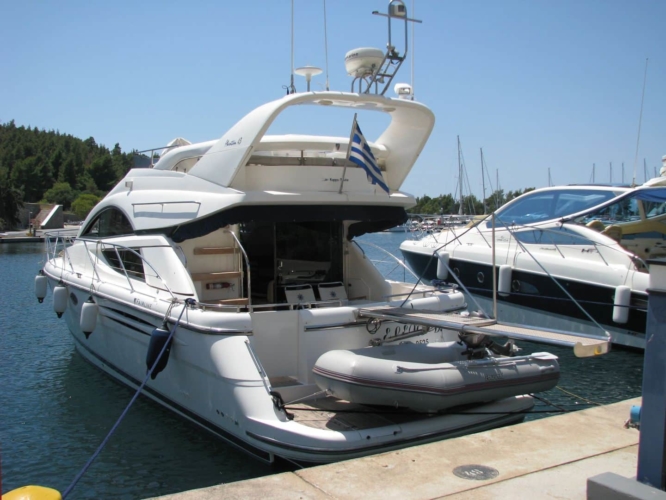
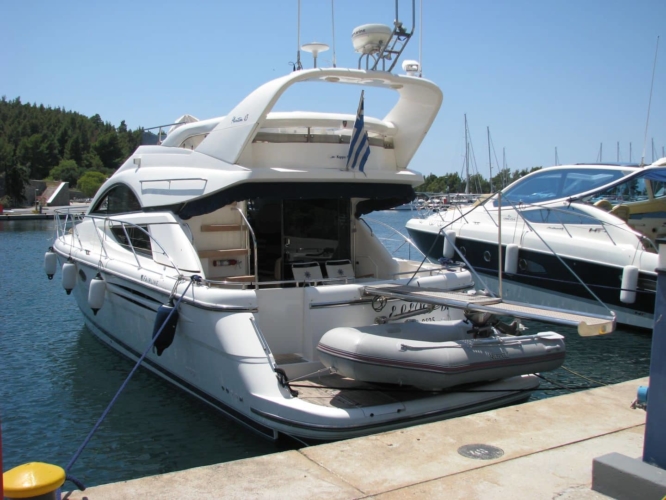
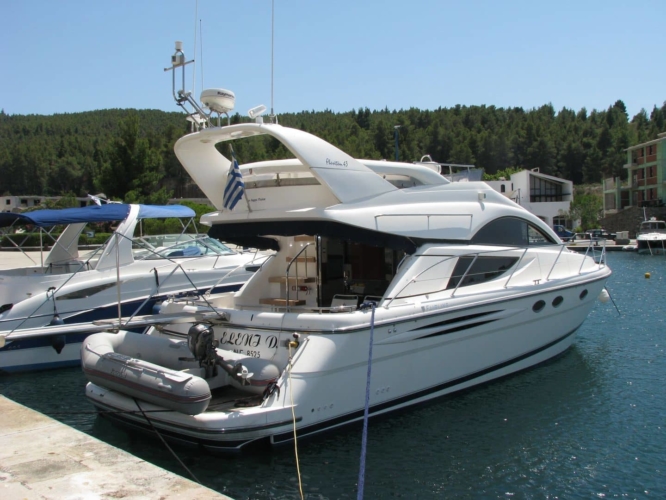
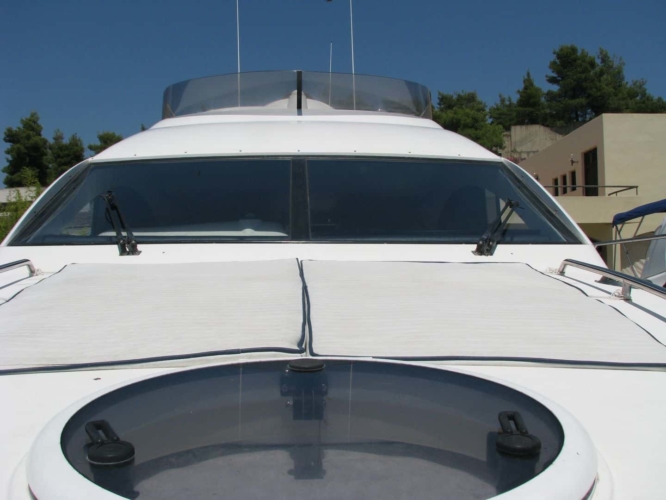
Dimensions
LOA: 44 ft 5 in
Beam: 13 ft 7 in
Maximum Draft: 3 ft 6 in
Dry Weight: 12200 kgs

Engines
Total Power: 960 HP
Engine Brand: Volvo
Engine Model: TAMD 74P EDC
Engine Type: Inboard
Engine/Fuel Type: Diesel

Cruising Speed: 25 knots
Maximum Speed: 32 knots

Tanks
Fresh Water Tanks: (730 Liters)
Fuel Tanks: (1520 Liters)

Accommodations
Number of single berths: 6
Number of cabins: 2
Number of heads: 2

Electronics
Repeater(s)
Autopilot
CD player
Depthsounder
Cockpit speakers
Radio
VHF
Log-speedometer
Plotter
Radar
Compass
GPS
Electric winch
Battery charger
Hot water
Oven
Teak cockpit

Accommodation
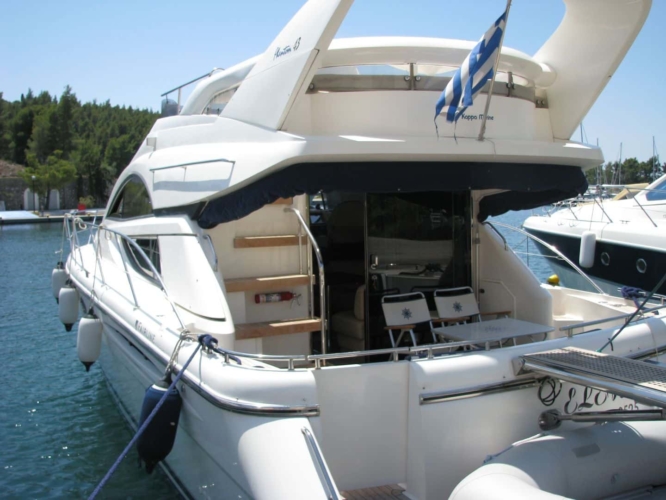
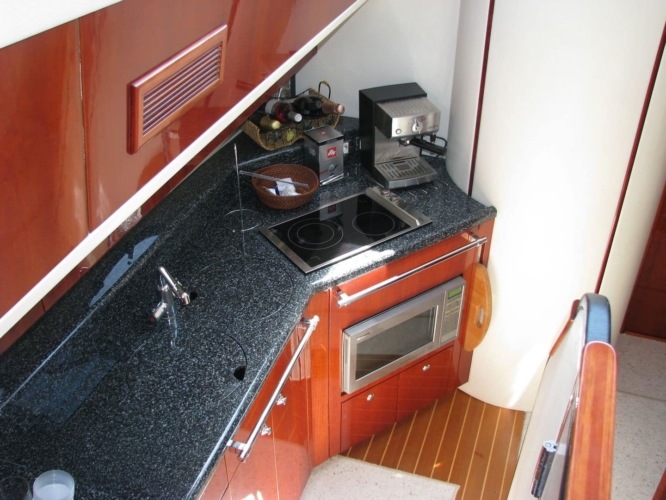
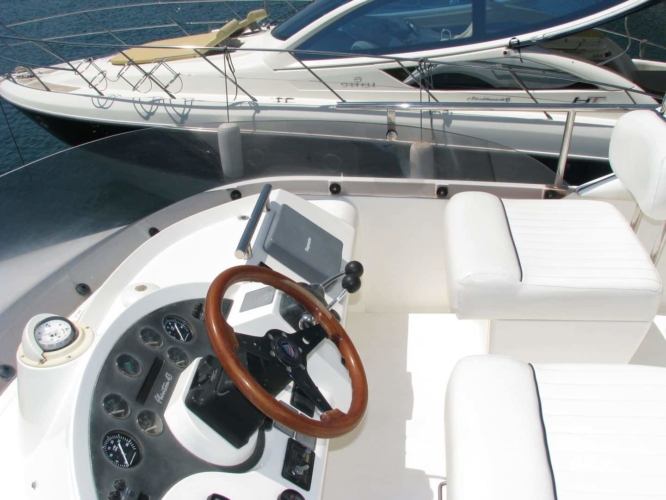
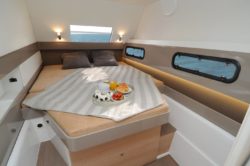
2 cabins both featuring ensuite facilities. The forward cabin has a centrally located bed with storage on either side of the berth. An overhead skylight with mosquito screen and blackout blind provides light to the cabin, along with two opening portholes. At the foot of the berth is the ensuite access, with a large wraparound shower cubicle and overhead vanity storage. The guest cabin features two single berths with good headroom and reading lights. Between the two berths is a storage drawer, and the cabin also boasts a large hanging wardrobe. The ensuite includes full facilities, including a large wraparound shower and extractor fan. In the main saloon area of the boat you will find a pull-out sofa bed that sleeps two guests if required.

Additional Items

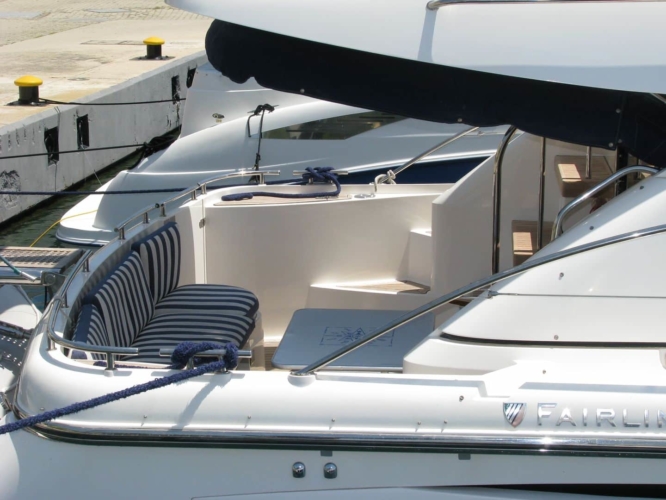
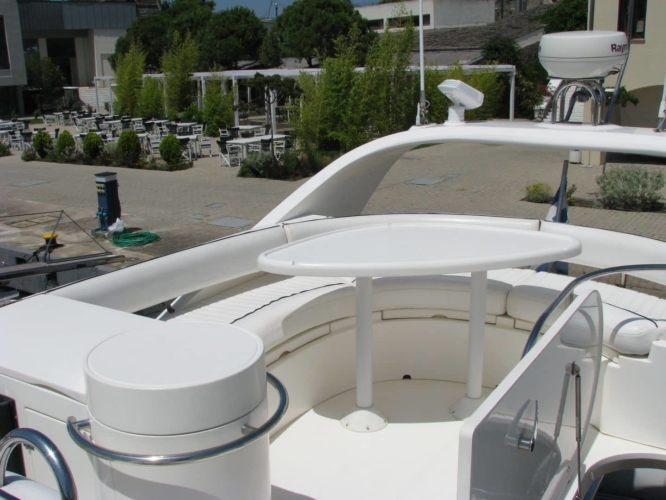
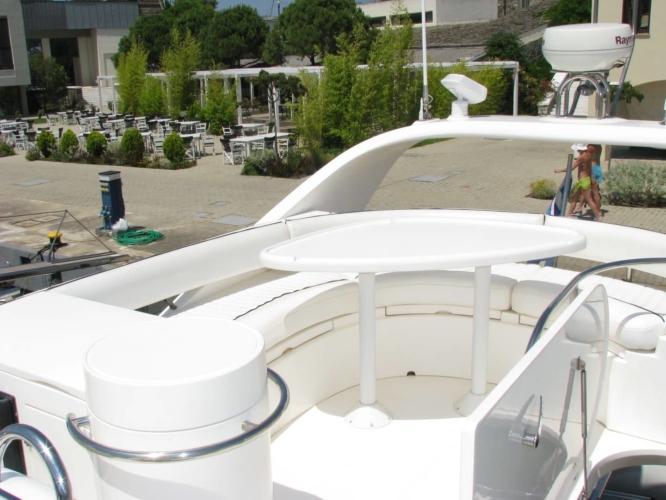
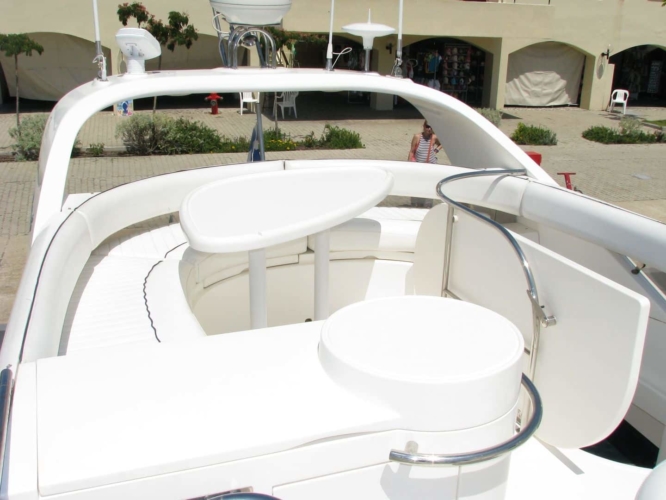
  • Flybridge sink
  • Flybridge speakers
  • Flybridge table
  • Generator
  • Radar
  • Saloon fridge
  • Saloon Speakers
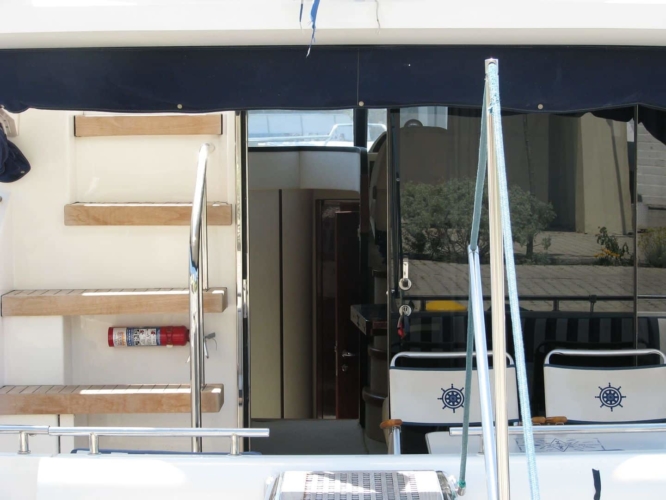
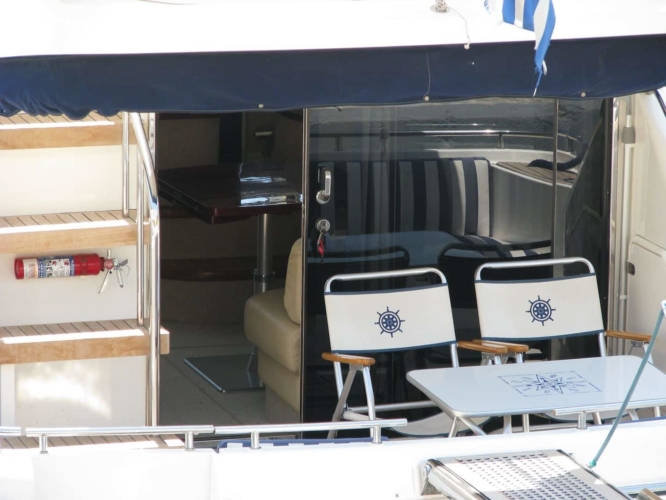
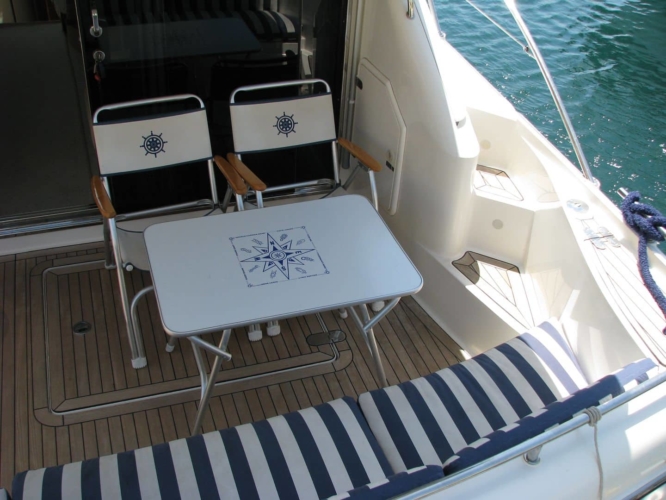
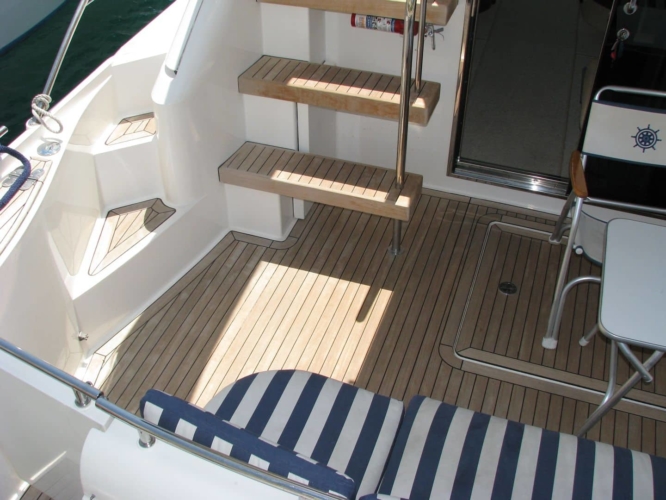
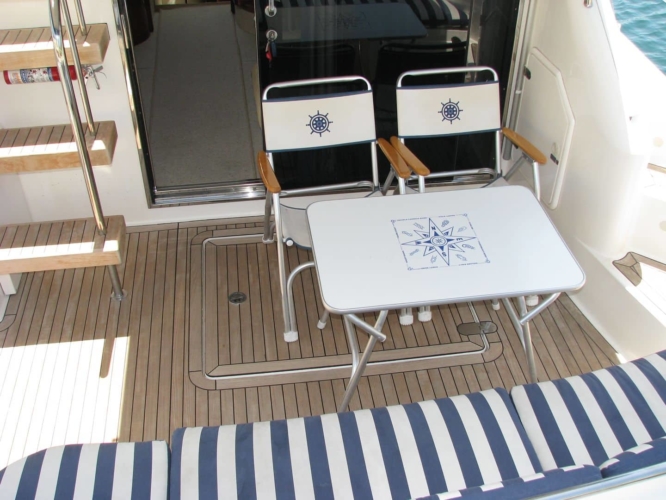
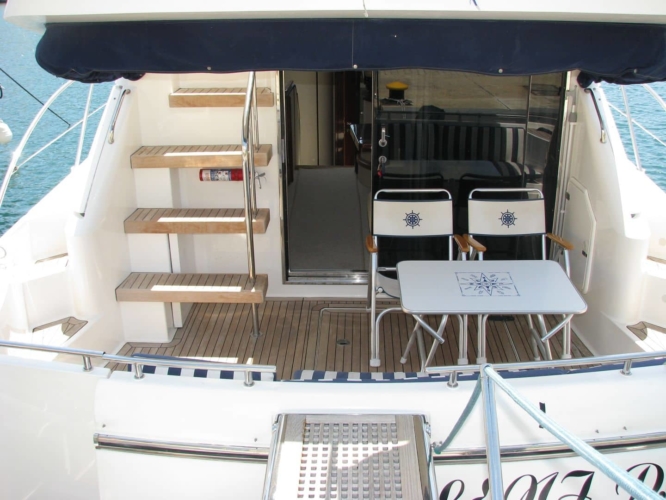
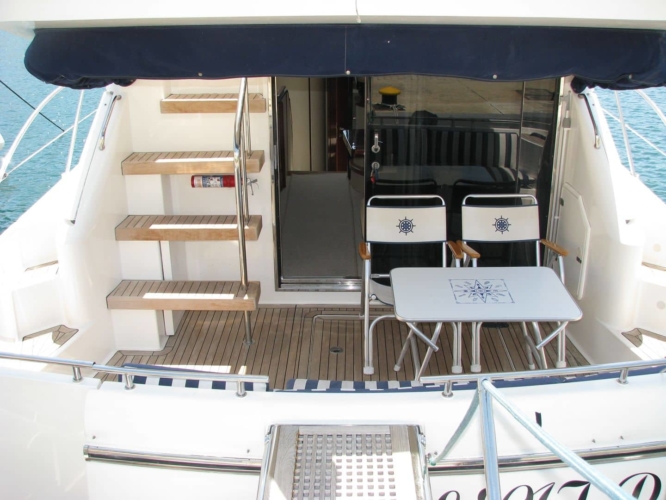
  • Teak aft cockpit
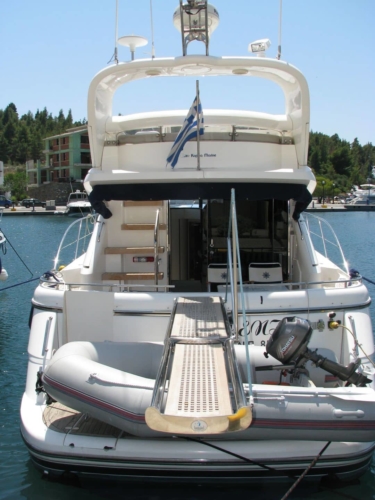
  • Teak bathing platform
  • Teak galley floor
  • Teak stairs to flybridge
  • Transom Shower

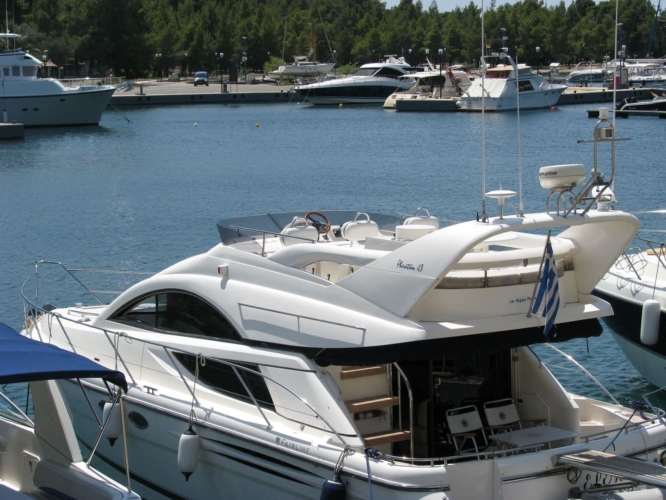
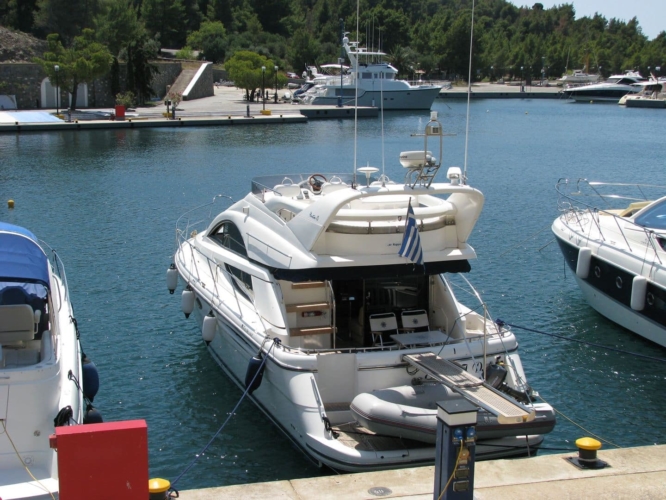
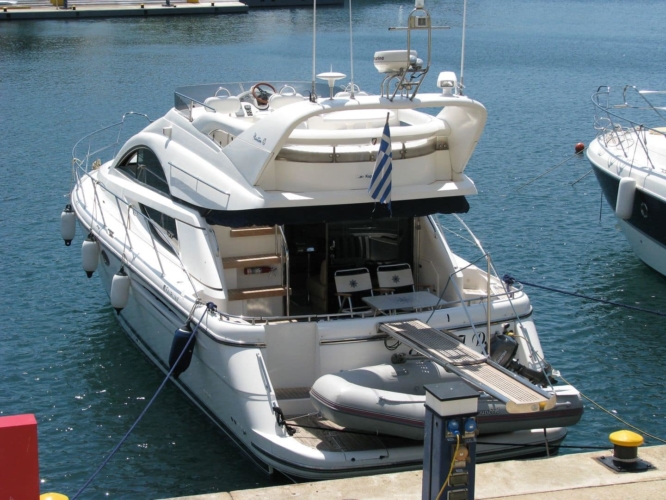
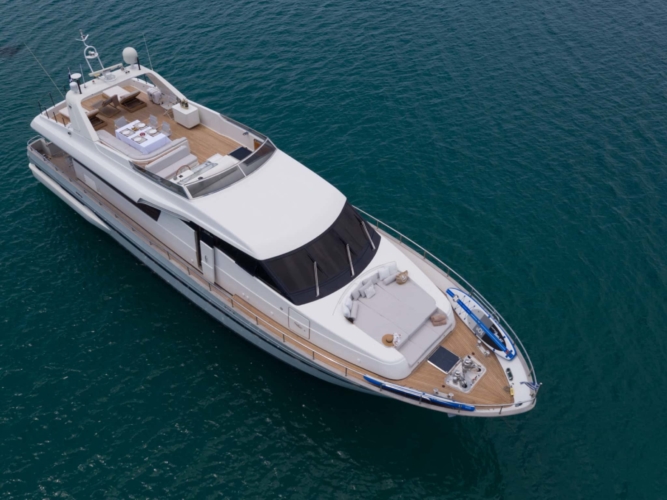
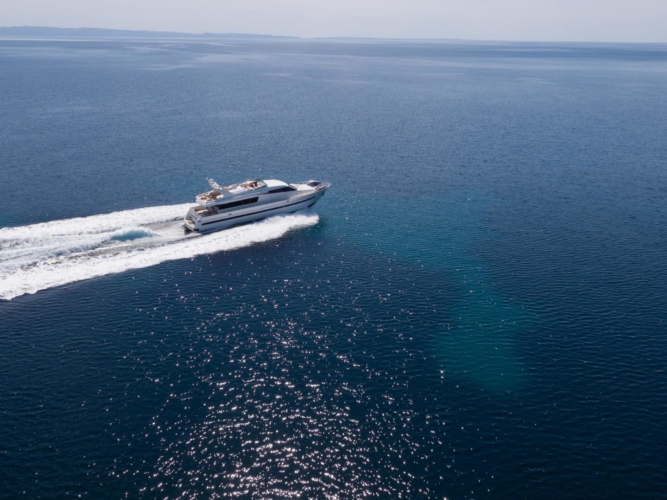
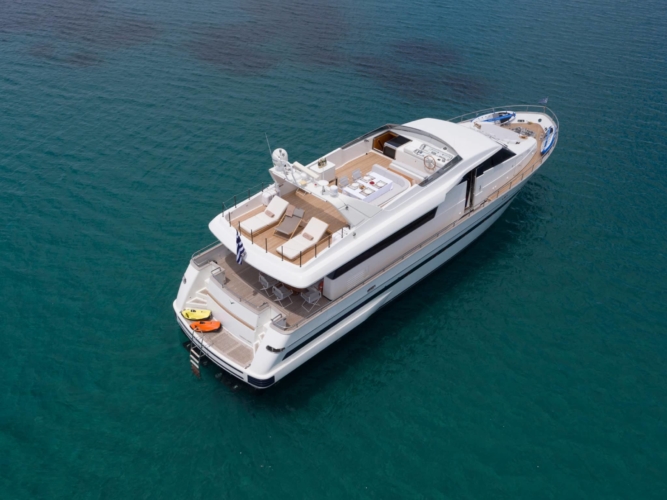
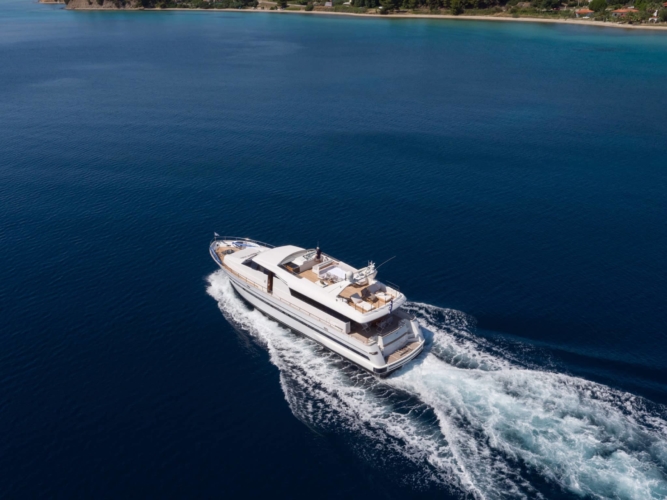
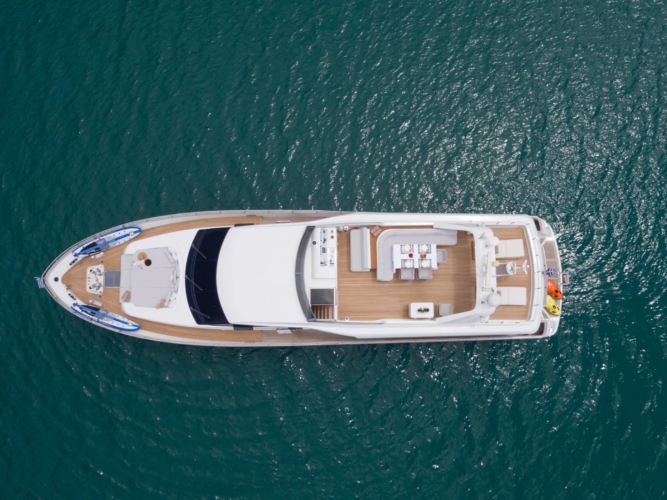
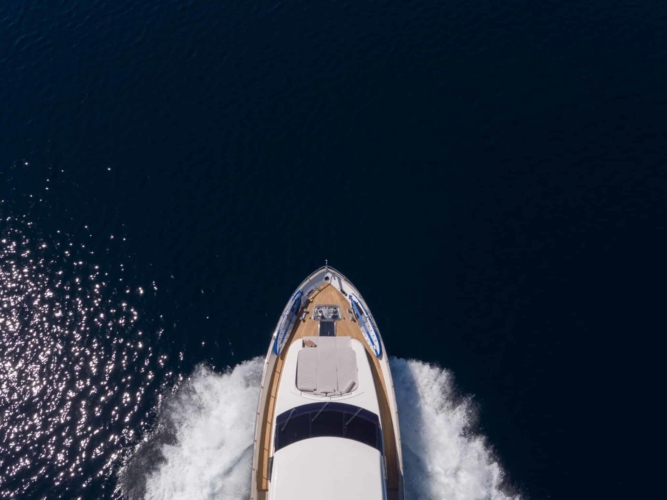
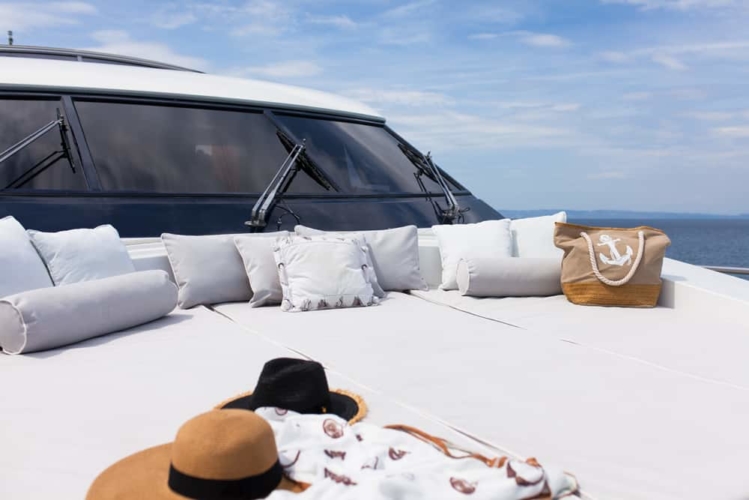
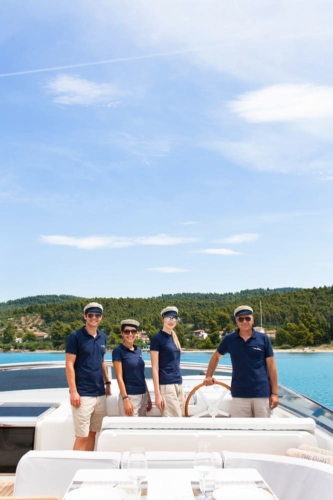
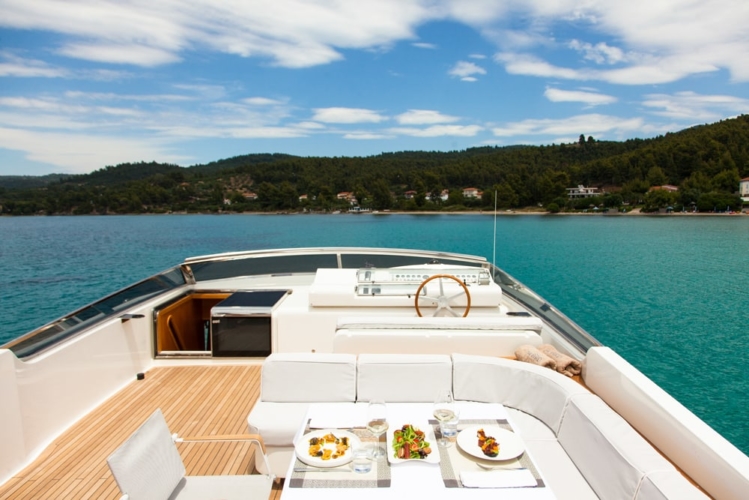
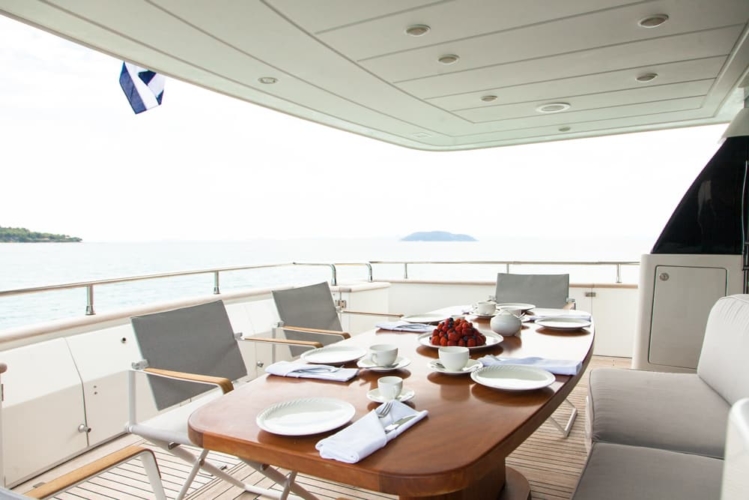
If you’re looking for a luxurious and unforgettable experience in Halkidiki, a crewed SuperYacht might just be what you need. With a private yacht, you can explore the beauty of the region and enjoy a comfortable and elegant journey. I skipper here every season, and the difference a proper crewed yacht makes is huge, especially when you want the day to feel effortless.

In this article, we’ll take a closer look at the options for hiring a crewed SuperYacht in Halkidiki for a day cruise or Mount Athos tour, plus a few practical local tips that save time and keep the day smooth.

Why Hire a Crewed SuperYacht?

There are plenty of reasons why a crewed SuperYacht might be the perfect choice for your next adventure. First and foremost, a private yacht allows you to explore the stunning coastline of Halkidiki and visit beautiful beaches that are not easily accessible by land. On the water you avoid the summer traffic around Nikiti, Neos Marmaras, and the busy stretches of Kassandra, and you arrive straight into the good stuff.

Halkidiki sits southeast of Thessaloniki and stretches out into three peninsulas. Kassandra is the closest and liveliest, Sithonia is greener and more relaxed with long bays, and the Athos peninsula is the gateway to the Mount Athos coastline. If you’re flying in, most guests land at Thessaloniki Airport and drive down. Depending on the port and the peninsula, the drive is usually about 1 to 2 hours, sometimes a bit more in peak August traffic.

You can also enjoy the crystal-clear waters of the Aegean Sea and indulge in water activities such as swimming, snorkelling, and diving. Water clarity is often excellent around Sithonia on calm mornings, especially in June and September. In July and August it can still be crystal, but boat traffic picks up and you feel more movement in popular bays. If you want to add a proper underwater session, I often point people to portoscuba.com for local diving know-how and what conditions are like on the day.

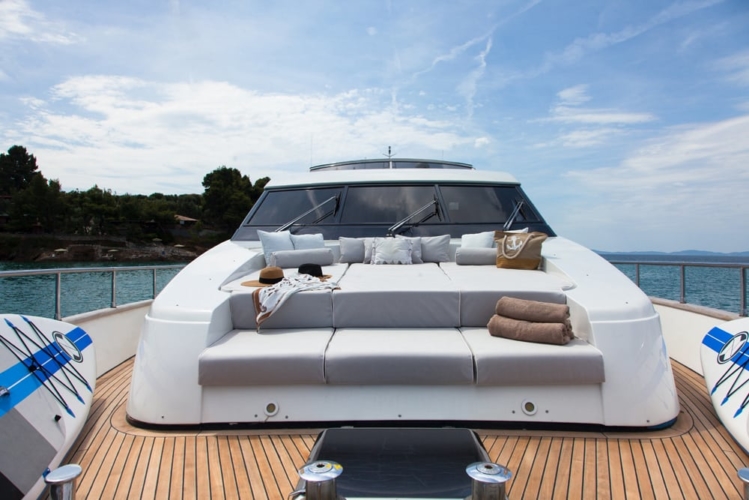
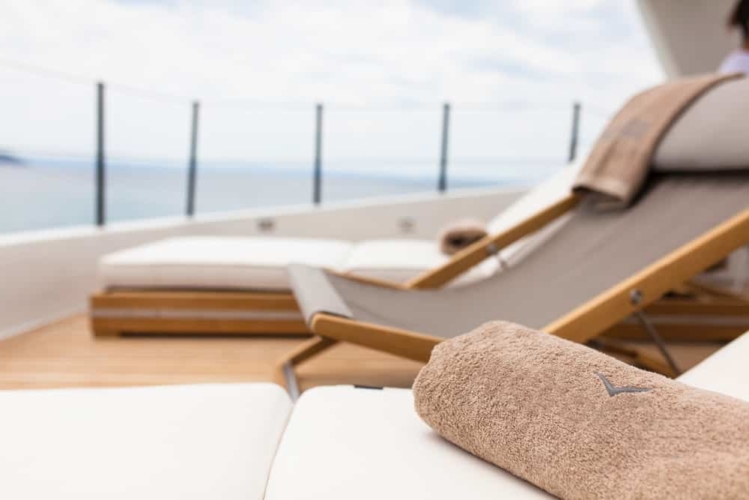
In addition to the natural beauty of the region, a crewed SuperYacht offers the ultimate in luxury and comfort. You’ll have access to top-notch amenities such as sunbathing areas, and an optional onboard chef who can prepare delicious meals and drinks. On a hot day, shade matters as much as sun, and a good SuperYacht setup gives you both, with space to spread out so nobody feels cramped.

You can sit back and relax while the crew takes care of everything else, ensuring that you have a stress-free and enjoyable experience. That also means the skipper is watching the weather and sea state all the time, choosing anchorages that are comfortable, and timing the route so you avoid the chop when the afternoon breeze kicks in.

Before you pick a yacht, it helps to be clear about what “crewed” really gives you:

  • Local routing based on wind and swell, not just a fixed map route.
  • Help with kids, older guests, and anyone who wants an easy swim setup.
  • Better food and drinks planning, including allergies and preferences.
  • Clean gear and toys ready when you want them, not after you ask three times.

Seasonally, Halkidiki has a very distinct rhythm. May and early June feel fresh, green, and quieter. Late June through August is peak, with busy marinas, full beach bars, and lots of boats in the popular spots. September is my favourite for couples and groups who want calmer anchorages, warm sea, and less noise. In October, you can still get beautiful days, but daylight is shorter and weather changes faster.

If you want to check the broader picture on the region, the official tourism portal is a good starting point: https://www.visitgreece.gr/. For local weather patterns and marine forecasts, I always recommend using an official service like the Hellenic National Meteorological Service before you travel, because conditions can shift quickly in the afternoon.

Hiring a Crewed SuperYacht for a Day Cruise

If you’re interested in a day cruise in Halkidiki, you can hire a crewed SuperYacht for a full-day excursion. The yacht will depart from a designated port and take you on a tour of the region’s most beautiful spots. Most departures are from organised marinas or town harbours on Kassandra or Sithonia, and sometimes from the wider Thessaloniki area depending on the yacht. Exact start times can vary with the port rules and the plan for the day, so it is worth confirming early.

Timetables, opening hours and routes can change without notice. Always double-check locally before you travel.

You can choose the itinerary that suits your interests and preferences, whether it’s exploring secluded coves, visiting picturesque villages, or enjoying a day of water activities. As a skipper, I usually build the day around two or three swim stops, one longer stop for lunch, and a final easy swim close to the return route. That keeps everyone happy and avoids that rushed feeling late in the day.

During the day cruise, the crew will take care of all the details, including food and drinks, equipment for water activities, and anything else you need. You can simply relax and enjoy the scenery or take part in the various activities available on the yacht. If you like a bit of structure, tell us in advance. If you want a lazy day with music and sunbeds, also perfect.

Here are a few real-world tips that make the day better:

  • Bring a light layer even in summer. After a swim, the breeze feels cooler than you expect.
  • Tell the crew if anyone gets seasick. We can plan calmer legs and earlier departures.
  • For families, morning swims are usually calmer and clearer. Kids love it.
  • If you care about photos, aim for the first stop before the crowds arrive.

Food is a big part of the experience. An optional onboard chef can do anything from simple Greek meze to a full plated lunch. If you prefer to keep it casual, we can focus on fresh fruit, salads, and easy bites that work well at anchor. Either way, mention dietary needs early, because provisioning in peak season takes planning, and some items sell out fast on Saturdays.

What to do on a day cruise depends on the group. Couples usually want quiet coves, a long swim, and a sunset return if timing allows. Groups of friends often want a mix of swimming and a lively lunch stop. Families usually prefer shorter legs, easy boarding ladders, and calm water. Older travellers typically appreciate stable anchorages, shaded seating, and a gentle pace. No one likes being bounced around for no reason, so we keep it comfortable.

As for the sea itself, expect light winds in the morning and more breeze later. In the wider area you can get northerlies that build a bit of chop, and occasionally stronger systems. We adjust the plan, and a good crew will always have a Plan B bay in mind. If you have a fixed must-see, tell us, and we’ll be honest about whether it makes sense on that day.

Sea and outdoor activities depend on the weather and your own fitness level. Always follow local safety advice and skipper instructions.

If you’re thinking about dates around big Greek weekends, keep in mind that demand jumps on public holidays. For example, Agiou Pneymatos is a classic long weekend when locals also head to the sea, and marina traffic can be hectic. If that is your travel window, check the dates here:

Monday, June 1 2026

. Booking earlier helps a lot.

If you want to talk through ports, yacht sizes, and what kind of day fits your group, send a quick message and we will guide you to the right setup.

Not sure where to start? Contact our local travel agency for friendly, personalised advice, seasonal offers and travel options.

call us: +306980700070

send a message via WhatsApp

call or text us on Viber

send a message via Messenger

Don’t forget to mention:

  • Number of persons, possible dates
  • The hotel you’ll be staying
  • The activity you are interested in

Hiring a Crewed SuperYacht for a Mount Athos Tour

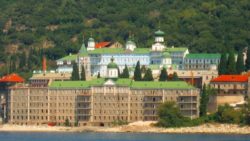
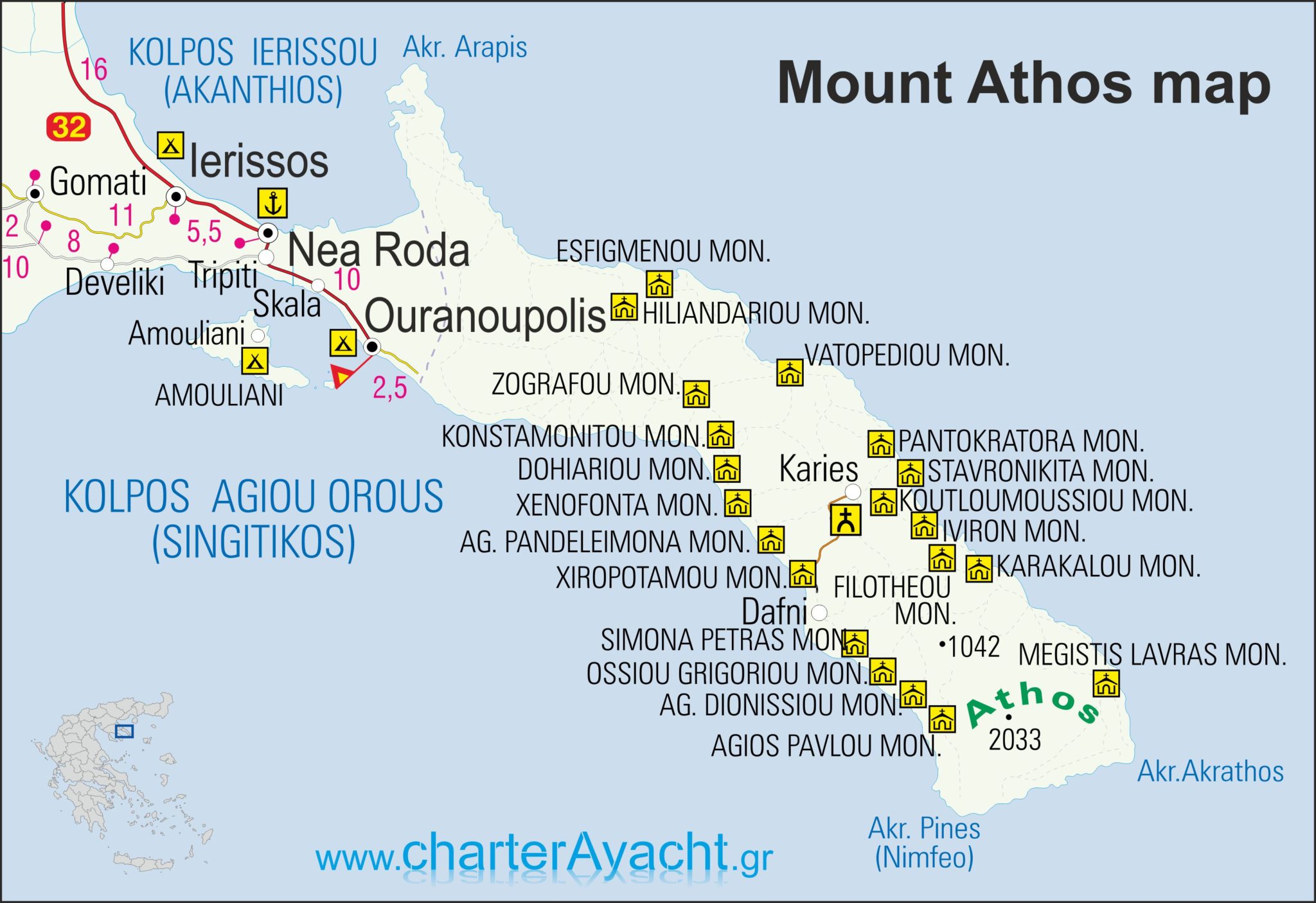
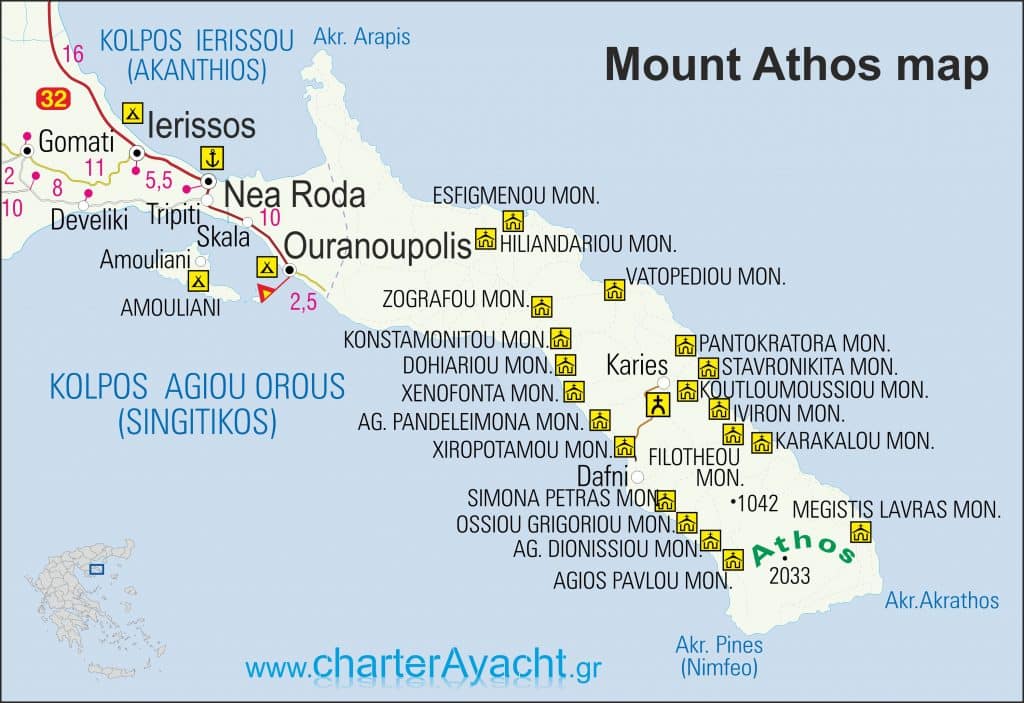
For a truly unique experience in Halkidiki, you can hire a crewed SuperYacht for a Mount Athos tour. Mount Athos is a UNESCO World Heritage Site and a monastic republic that is home to 20 Eastern Orthodox monasteries. It is a spiritual centre for Orthodox Christianity and a place of great historical and cultural significance.

Geographically, the Mount Athos coastline is on the easternmost peninsula of Halkidiki. You do not “pop in” casually, and that is part of what makes it special. Most visitors experience it from the sea, which is allowed along the coastal route, while access on land is restricted and regulated. For background and the official UNESCO listing, you can read more at https://whc.unesco.org/en/list/454. A general overview is also available on Wikipedia.

A Mount Athos tour on a SuperYacht will take you along the coastline of Halkidiki and give you a unique perspective of the monasteries and the surrounding landscape. You’ll be able to see the monasteries from the sea and learn about their history and significance from an onboard guide. Even without a guide, a good skipper will point out what you are seeing and keep the viewing distance respectful, because this is not a place for loud party behaviour. It needs a calmer vibe, and honestly it suits the setting.

The crew will also take care of all the logistics, including arranging for a special permit that is required to enter the area. The exact requirements can change, and some permissions depend on the exact route and what is planned, so we always confirm the latest rules before the trip. If you are hoping for a very specific viewing plan, mention it early so we can check what is possible.

The Mount Athos coastline day is usually about steady cruising with a few carefully chosen stops outside the restricted areas, depending on conditions. If the sea is calm, it feels almost meditative. If there is a bit of swell, we adjust speed and timing so everyone stays comfortable. This is one of those trips where a larger, well-run yacht really shows its value, because stability and quiet onboard service matter a lot.

Who does this tour suit? Couples, families with older kids who can appreciate the history, photographers, and anyone who wants something deeper than a beach day. It also works well for mixed groups because you can balance cultural viewing with a relaxed swim stop and a good lunch. Just keep in mind it is not a “hop off and explore” kind of day, and that is ok.

If you are visiting around Orthodox Easter, ports and provisioning can be busier, and some services run on holiday rhythm. If you are planning your trip near that period, these dates help with scheduling:

Sun, Apr 12 2026

.

One more local note. On the Athos side, the sea can look flat near shore and still have a rolling swell outside, especially if there is weather further north. It catches people by surprise. A skipper who knows the area will read it early and keep the route comfortable, even if it means changing the order of stops. Small detail, big difference.

Our local team of skippers, travel agents and scuba instructors with over 20 years of experience in Halkidiki is here to help you.

If you want to combine a Mount Athos viewing cruise with a different style day on another date, we can also suggest sailing options for a softer, quieter pace on the water.

If you’d like to explore the coast, ask us about day trips at sea and sailing boat options.

In conclusion, hiring a crewed SuperYacht in Halkidiki for a day cruise or Mount Athos tour is an excellent way to explore the beauty and luxury of the region. With a private yacht and a professional crew, you can have a stress-free and unforgettable experience.


VR views

Toroni from the sea: ruins, views, and an easy stop on a Sithonia day

Toroni is one of those spots in Sithonia where you can feel the layers of time without trying too hard. You sail in, the water goes clear, and up on the hill you see the old stone lines of the citadel watching the bay like it always has.

As a local skipper in Halkidiki, I like bringing guests here because it works on many levels. History, a calm anchorage when the weather plays nice, and a shoreline that’s great for swimming and photos even if you only have a day.

The ancient Toroni castle citadel and port in Halkidiki, Greece is a must-visit destination for anyone interested in ancient history and archaeology. The ruins of the ancient castle and citadel, which dates back to the 5th century BC, provide a fascinating glimpse into the ancient history of the region.
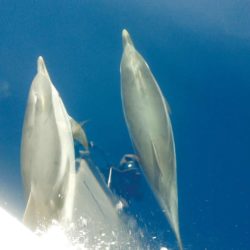
Toroni sits on the southwest side of Sithonia, in the Municipality of Sithonia, Chalkidiki. It’s a natural stop if you’re exploring the “inside” of the Toroneos Gulf by road, and it’s also a very logical sailing waypoint between Neos Marmaras and the southern capes, depending on wind and sea state.

The castle was strategically built on a hill overlooking the sea, providing a clear view of the port below and the surrounding areas. Today, visitors can explore the ruins of the castle walls, towers, and gates, as well as the remains of the ancient port.

From the water you can really understand why the position mattered. The hill gives a clean line of sight over the bay and along the coast, and even on a hazy day you can pick out the shape of the shoreline. If you like reading up before you visit, the Toroni page on Wikipedia gives a simple overview and helps you place what you’re seeing.

One of the best ways to experience the ancient Toroni castle citadel and port is through photographs. There are many stunning photos of the castle and port from various angles, showcasing the intricate details of the ruins and the beautiful sea views. These photos offer a unique perspective on the ancient structures and their place in the surrounding landscape.

As a skipper, I’m biased, but the best angle is usually from just off the bay when the light is low. Early morning gives you softer shadows on the stone, and late afternoon brings that warm colour that makes the ruins pop. On a clear day, the sea goes turquoise close to shore and darker blue outside, so your photos get natural contrast without filters.

Visitors to the area can take their own photos of the ancient Toroni castle citadel and port, capturing their own unique perspective and memories of the site. There are also many professional photographers who specialise in capturing the beauty and history of the castle and port, offering stunning prints and digital images for sale.

If you’re taking your own shots, bring a hat and a bit of water before you walk up. In summer the heat bounces off the rocks and you feel it fast, especially around midday. For drone pilots, keep it respectful and check local rules, and don’t fly over people on the beach or close to boats.

Whether you’re a history buff, an archaeology enthusiast, or simply someone who appreciates the beauty of ancient ruins, the ancient Toroni castle citadel and port is a destination not to be missed. With its stunning views and rich history, it’s sure to leave a lasting impression on all who visit.

If you want a more official reference for the wider area, the Greek National Tourism Organisation is a solid place to start, especially if you’re combining Halkidiki with Thessaloniki or the islands.

Where it is and what you’re looking at

Toroni is on the Sithonia peninsula of Halkidiki, facing the Toroneos Gulf. The settlement stretches along a long beach, and above it the ruins of the old fortification sit on the rocky hill. Down at sea level you have the small harbour area and the modern waterfront, which makes it an easy place to approach by boat and a simple stop by car.

The site is not a manicured “theme park” ruin. It feels real, a bit rugged, with stones, paths, and viewpoints. That’s part of the charm. You get the sense of a defensive position connected to maritime life, not just a castle dropped on a hill for show.

How to reach Toroni (by road and by boat)

By car: Most visitors drive from Thessaloniki toward Halkidiki and then down into Sithonia. The last part is the typical Sithonia rhythm, pine forest, curves, and small villages. In peak summer, allow extra time because traffic builds around Neos Marmaras and the junctions. Parking in Toroni can be tight near the beachfront in July and August, so arriving earlier in the day helps.

By sea: On a private day cruise or multi-day sailing trip, Toroni is a comfortable stop when conditions are right. The bay can be calm, and the water is often clear enough for an easy swim straight off the boat. If we have northerly winds, the feel can change quickly, so we plan the approach based on the forecast and the crew’s comfort.

For weather reality in Halkidiki, I always tell guests to check an official source the day before. The Hellenic National Meteorological Service is the one I trust for Greece, then we match that with what we see on the water.

Timetables, opening hours and routes can change without notice. Always double-check locally before you travel.

What to do when you’re there

Toroni works best when you mix a little bit of everything. A short walk, a swim, something cold to drink, then back on the boat or back down the road.

  • Walk up to the ruins for the viewpoint over the bay. It’s not a long hike, but it’s sunny and stony, so decent shoes matter.
  • Swim and snorkel in the bay. On calm days the visibility is very good, especially in the morning before the wind stirs things up.
  • Photograph the coastline from sea level, then from above. You get two completely different moods.
  • Take a slow waterfront stop for a coffee or a simple meal. In Greece, that pause is part of the day, not an “extra”.

If you want to add diving or a more structured underwater activity in the area, it’s worth checking portoscuba.com for local options and info. Even if you don’t dive, it’s useful for understanding sea conditions and what people do around the Sithonia coast.

Best photo angles and simple camera tips

Photos are a big part of the Toroni experience, and you don’t need fancy gear. A phone is enough if you use the light well. I usually suggest two moments: early morning for calm water and clean reflections, and late afternoon for warm tones on the stones.

  • From the boat, shoot toward the hill with a little sea in the foreground. It gives scale and context.
  • From above, frame the bay so you can see the curve of the beach and the colour change in the water.
  • If it’s windy, keep the horizon level and use burst mode, your hands will move more than you think.

Seasonal feel: crowds, winds, and water clarity

May and June: My favourite window for Toroni. The water is warming up, the light is crisp, and the beaches are not packed. You can take your time with the ruins and still find quiet corners for a swim.

July and August: Peak season. The village is lively, and the beach gets busy. On the boat, we plan our stop earlier in the day if we want a calmer swim. Heat is the main thing, bring more water than you think you need.

September: Still great for swimming, often with fewer people. The sea stays warm, and the sunsets feel a bit softer. For sailing, it can be a very comfortable time, but you still check the forecast daily.

Spring and autumn edges: You can get crystal-clear days and empty viewpoints. You can also get surprise weather. If you’re visiting around Orthodox Easter, keep in mind that dates change each year, and services and local rhythms affect opening hours and traffic.

Sun, Apr 12 2026

Who Toroni suits best

This stop is flexible, which is why I like it for mixed groups.

Families: Easy beach time plus a short “adventure walk” up to the ruins. Just watch little ones on the rocks and bring sun protection.

Couples: Great for photos, a quiet swim off the boat, and a scenic pause before heading to another bay.

Older travellers: Totally doable if you keep the walk gentle and avoid the hottest hours. The waterfront is easy, the hill is optional.

History and archaeology fans: The site gives you that direct connection between settlement, defence, and the sea. Even without a guide, you can read the landscape.

How I like to plan a sailing stop here

On a private day sailing trip in Sithonia, Toroni can be either the main highlight or one chapter of a longer coastal day. We usually combine it with swimming time and one more sheltered bay, depending on the wind direction.

On days with stronger breeze, we keep it conservative. Comfort first, always. If the sea is choppy, we might enjoy the view from offshore and choose a calmer anchorage nearby for the swim. That’s normal seamanship, not a “change of plan”.

Sea and outdoor activities depend on the weather and your own fitness level. Always follow local safety advice and skipper instructions.

Practical notes that save your day

A few small things make the visit smoother, especially in summer.

  • Bring water for the walk up. The sun hits hard on the stones.
  • Wear shoes with grip if you plan to explore the ruins.
  • If you’re coming by car, aim for earlier hours to avoid parking stress.
  • If you’re coming by boat, keep an eye on gusts and boat traffic in peak season.

If you’re thinking of visiting during the Holy Spirit holiday, expect more Greek weekend traffic and fuller beaches. The dates change each year, so it’s worth checking ahead.

Monday, June 1 2026

Book a private day sailing trip to west Sithonia with us & take the history sailing tour

If you want help shaping the day around sea conditions, swimming stops, and how much walking you feel like doing, send us a message and we’ll suggest a route that fits.

Not sure where to start? Contact our local travel agency for friendly, personalised advice, seasonal offers and travel options.

call us: +306980700070

send a message via WhatsApp

call or text us on Viber

send a message via Messenger

Don’t forget to mention:

  • Number of persons, possible dates
  • The hotel you’ll be staying
  • The activity you are interested in


Specifications

Constructor: FOUNTAIN PAJOT
Year: 2006 Refit 2018

Length: 11.90 m
Berths: 10
Cabins: 6
WC / Shower: 2

Equipment:

Full Batten Mainsail, Jib, Autopilot, GPS chart plotter, New Volvo Engines 2x30HP, Service batteries – 3x150Ah, Engine battery – 2x100Ah, VHF radio, Hard top, Dinghy, Electric anchor windlass, Electric toilets, Fenders, Spare anchor, Winch handles, Hot water, Kitchen utensils (Galley equipment, cutlery), Refrigerator 150lt, Oven, Stove, Bed linen, Bilge pump – mechanical, Fishing equipment, Outside speakers – 2x Clarion, Snorkelling equipment, CD/MP3/USB player, Engine spare parts, Repair kit, USB socket, Solar Panels


emerging humanity logo

My good friend Christos Kritikos is the person we turn to when it comes to developing our business. His huge expertise in startup coaching, business growth and funding has been invaluable to us.

Specifications

GENERAL
DeveloperOlivier Poncin – Yann Chabaud
ManufacturerChantier Catana
DesignerXavier Fay
Interior designerLasta Design Studio
DIMENSIONS
Hull length12.52 m
Overall length11,88 m
Maximum beam6,72 m
Draft boards up1,12 m
TECHNICAL DETAILS
Light displacement8,6 T
Displacement at maximum load14,9 T
Max sail area upwind105,40 sqm
Engines2 x 19CV a 40 CV , saildrive
Fuel400 L*
Freshwater800 L*
Blackwater2 x 55 L*
Refrigerator + Freezer272 L*

The 2023-built 5-cabin catamaran Bali 4.2 is now berthed in Athens Riviera marina. It has a saloon with two additional beds and one single cabin, four double cabins, and space for up to 11 passengers. The price includes blankets and pillows. The catamaran has 5 bathrooms with showers. A classic mainsail, solar panels, bimini, and an external GPS plotter are all included in the boat’s equipment. It also has a flybridge, an audio system, air conditioning, and heating. There is a freezer, coffee maker, oven, cooker and sink in the fully equipped galley.

Specifications

  • Year: 2023
  • Length: 12.85 m
  • People: 11
  • Draught: 1.12 m
  • Berths: 9 + 2
  • Beam: 7.08 m
  • Cabins: 5
  • Engine: 2×45 hp 67.1 kW
  • Toilets: 5
  • Fuel tank: 800 l
  • Type of mainsail: Classic mainsail
  • Water tank: 860 l

Amenities

Navigation and safety

  • Autopilot
  • Outside GPS plotter
  • Generator
  • Bimini
  • Dinghy
  • Flybridge
  • Solar panels
  • Inverter
  • Classic mainsailSaloon and cabins
  • Air conditioning
  • Shower
  • Coffee machine
  • Outside shower
  • Cooker
  • Freezer
  • Kitchen utensils
  • Oven
  • Pillows and blankets
  • Fridge
  • Sink
  • Towels
  • Heating

Entertainment

  • Water toys
  • Outside speakers
  • Snorkel sets
  • Inside speakers
  • Audio system

Sailing days do something simple and powerful for a company. People stop hiding behind job titles and start working with their hands, their eyes, and their voice. On a boat in Halkidiki, teamwork is not a theory, it is how you move.

After many seasons skippering in the Northern Aegean, I have seen quiet colleagues become natural coordinators, and strong personalities learn to listen because the wind does not care who is manager. It is a clean reset for any team, and it is also a great day out on the water.

Sailing Team Building is an excellent way to build strong company teams for several reasons. First and foremost, sailing requires teamwork, communication, and trust to be successful. A sailing team needs to work together to navigate the boat, manage the sails, and make decisions about strategy and tactics. This creates an environment where team members must rely on each other and communicate effectively to achieve their goals.

On board, you feel this straight away. One person handles the helm, another trims the sheets, someone keeps an eye on traffic and markers, and someone else checks the route. Even small actions matter. A late response on a tack, a missed instruction, a bit of panic, and the whole boat loses rhythm. When it clicks, it feels like a small win that everyone shares.

Additionally, sailing requires problem-solving skills, adaptability, and the ability to think on your feet. These are all important skills that translate directly to the workplace. Through the challenges of sailing, team members can develop a greater sense of resilience and determination, which can be applied to their work.

In Halkidiki, conditions can change within the same day. A calm morning can turn into a lively afternoon with a thermal breeze, especially in summer. The team learns to adjust plans, change sail shape, or switch roles without drama. That habit of staying calm and practical is gold back at the office, even if the “weather” there is just a tight deadline.

Sailing also provides a unique opportunity for team members to bond and build relationships outside of the traditional work environment. Spending time together on a boat, exploring the beautiful waters of the Northern Aegean, and facing challenges together can create a shared experience that fosters camaraderie and trust.

There is also the simple side of it. Coffee on deck, a swim stop in clear water, a shared meal in a small harbour. People talk like humans again. And yes, someone always ends up laughing at their first attempt to tie a knot, and that is part of the charm.

Furthermore, sailing team building can be tailored to fit the specific needs and goals of a company. It can be designed as a fun and relaxing day trip, or a more intensive multi-day programme that focuses on leadership, communication, and team dynamics.

Some teams want a light day with easy sailing, swimming, and a nice taverna. Others want proper drills, timed manoeuvres, and a clear leadership rotation. We can do both, and we can mix them so the day does not feel like a training room. It still feels like a holiday, just with purpose.

Overall, sailing team building is an effective way to strengthen team relationships, develop important skills, and create a positive and memorable experience for employees.

Sailing is the ideal sport for team-building relationships among colleagues in big or small companies. And that is because sailing is a team sport that requires partnership and cooperation from the beginning till the end of a cruising day. Our experienced skippers and team-building professionals provide team-building sailing activities and sailing event programmes tailored to suit your company’s needs. Our professional licensed skippers will teach their teams the basics of sailing while working all together as a team and individually, such as navigation, sail trimming, boat handling skills, how to work and communicate together, team building games, and many more. Contact us to get a complete list of activities provided.

Most groups start with a quick safety and boat briefing at the dock, then we move into simple roles so everyone has a job from the first minutes. If you have mixed ages or different fitness levels, no problem. Sailing is not about strength, it is about timing and coordination. People who do not want to be on the winch can be spotters, navigators, timekeepers, or helms with guidance.

Safety comes first and it is also part of good teamwork. We keep instructions clear, keep decks tidy, and we do not push into conditions that do not match the group.

Sea and outdoor activities depend on the weather and your own fitness level. Always follow local safety advice and skipper instructions.

If your company is planning the trip around a long weekend, it helps to know that the area gets busy on Greek holidays. Agiou Pneymatos is one of those weekends where marinas and roads fill up fast, so early planning makes life easier.

Monday, June 1 2026

Sailing Team Building Northern Aegean

Sailing can be a fantastic team-building activity that can strengthen teamwork, communication, and problem-solving skills. The Northern Aegean, specifically the Halkidiki region, offers a perfect destination for sailing team-building activities. This page will provide you with some information on what to expect during a team-building sailing trip in the Northern Aegean.

Geographically, Halkidiki sits southeast of Thessaloniki and stretches into the Aegean with three peninsulas. For sailing programmes we usually focus on the west two, Kassandra and Sithonia, because they have practical marinas, sheltered bays, and short distances that work well for day trips and multi-day team events. You still get the real Aegean feel without spending the whole day just moving from point A to point B.

Getting here is simple. Most corporate groups fly into Thessaloniki Airport, then transfer by road to the marina. Driving time depends on where we start, but it is usually about an hour to two hours from Thessaloniki. If you are already staying in Halkidiki, we can plan a pickup port close to your hotel area when the schedule and berth availability allow it. Start times can shift based on port traffic and weather, so we always confirm the final plan shortly before departure.

Timetables, opening hours and routes can change without notice. Always double-check locally before you travel.

For official destination info and seasonal updates, you can check the Greek National Tourism Organisation. For weather, I like groups to look at the Hellenic Navy weather forecast before the day, just to understand wind direction and sea state in plain terms. If someone wants a deeper read on the region, Wikipedia’s Halkidiki page gives a decent overview of the three peninsulas and the geography.

Why Sailing for Team Building?

Sailing is an excellent team-building activity because it requires teamwork, communication, and problem-solving skills. A team must work together to navigate the boat and react to any changes in the weather or sea conditions. In addition, sailing requires strong communication skills to ensure that everyone on board is safe and knows what to do.

What I see on board is that communication becomes cleaner. People stop talking in long explanations and start using short, useful phrases. “Ready to tack”, “sheet in”, “ease”, “watch the buoy”. That clarity carries over. And because the boat responds instantly, the feedback is honest. If the message is messy, the manoeuvre is messy too. Simple.

Sailing also presents a unique set of challenges that require problem-solving skills. For example, if the boat encounters unexpected weather or equipment failure, the team must work together to address the situation quickly and efficiently. These challenges help build resilience and trust within the team.

We also use small structured exercises that feel natural on a yacht. Things like role rotation every leg, leadership handovers, and “silent minutes” where the team has to coordinate with minimal words. It sounds funny, but it shows who observes, who anticipates, and who stays calm when they cannot control everything. And yes, sometimes someone gets a bit seasick and feels shy about it. We handle it quietly and kindly, and the team usually becomes more supportive after that. It happens, no big deal.

Sailing Team Building in the Northern Aegean

The Northern Aegean, specifically the Halkidiki region, offers an excellent location for team-building sailing trips. The region features stunning scenery, crystal-clear waters, and picturesque ports, making it an ideal destination for a sailing adventure.

Seasonal feel matters here. Late spring and early summer usually bring comfortable temperatures and good visibility in the water. July and August are hotter, with more boats and more traffic near popular anchorages, especially on weekends. September is a favourite for many teams because the sea is still warm, the light is softer, and the pace is calmer. Winds are typically manageable for corporate groups, but like anywhere in the Aegean, you can get punchy days, so we plan routes with shelter options and smart alternatives.

During a sailing team-building trip in the Northern Aegean, participants can expect to:

  1. Learn the Basics of Sailing: If the team is new to sailing, they will learn the basics of sailing, including terminology, navigation, and safety procedures. This can be an excellent opportunity for team members to bond over a new experience.

    We keep it practical. How to move safely on deck, how to handle lines, how to read wind on the water, and what the skipper needs from the crew. People remember it because they do it, not because they heard it.

  2. Practice Communication and Leadership: Sailing requires strong communication and leadership skills. Participants will have the opportunity to practice these skills as they work together to navigate the boat.

    Leadership on a boat is not about being loud. It is about being clear, checking understanding, and making decisions early. We give each person a chance to lead a manoeuvre or a short leg, with the skipper coaching in the background.

  3. Enhance Problem-Solving Skills: Sailing presents a unique set of challenges that require quick problem-solving skills. Participants will learn how to work together to address unexpected situations and come up with solutions efficiently.

    We might throw in a simple scenario like a change of destination due to wind, or a “navigation puzzle” using landmarks and chart basics. Nothing stressful, just enough to make the group think together and not freeze.

  4. Enjoy the Beautiful Scenery: The Northern Aegean is home to stunning scenery, including pristine beaches, turquoise waters, and picturesque ports. Participants can take in the beautiful surroundings while working on their team-building skills.

    Even people who are not into sports love the swim stops. Water clarity around Sithonia can be excellent on calm days, especially away from busy beaches. We choose anchor spots with good holding and room to swim safely.

  5. Visit Historical Sites: The Halkidiki region is rich in history and culture, with several historical sites to explore. Participants can take a break from sailing and visit some of these sites, which can be an excellent opportunity for team bonding.

    Depending on the route and timing, a simple harbour walk, a viewpoint, or a local church visit can add a cultural touch. If your group is interested in Orthodox traditions, planning around Easter can be special in Greece, but you need to book early because travel demand spikes.

    Sun, Apr 12 2026

Practical planning that makes the day work

A good corporate sailing day is not only about the sailing. It is about flow. Parking, meeting point, who brings what, and how we keep energy up without rushing. I always suggest appointing one company coordinator so we do not lose time with ten different chats on the morning.

Here are a few things that help, based on what I see every week:

  • Clothing: light layers, hat, and a windbreaker for the ride home. Even in summer, the breeze can feel cool when you are wet.

  • Shoes: clean, non-marking soles on deck. If someone forgets, we usually find a workaround, but it is better to come ready.

  • Sun protection: sunscreen and sunglasses with a strap. Glare off the water is strong, and people underestimate it.

  • Food: we can plan a taverna stop or keep it simple with onboard snacks. For longer programmes, a proper meal stop keeps morale high, trust me.

  • Seasickness: if anyone is prone, take precautions early. Waiting until you feel bad is already late, and then you miss half the fun.

If your team also likes the sea beyond sailing, combining a sailing day with a dive or snorkel add-on can be a nice extra, especially for active groups. For local diving and sea activities you can have a look at portoscuba.com and we can coordinate the timing depending on the route and conditions.

Who it suits best

This works well for mixed teams. Young start-ups, established corporate departments, sales teams, engineers, remote teams meeting in person for the first time. It is also surprisingly good for older colleagues because roles can be adapted and nobody has to “perform”. If you want it calm, we keep it calm. If you want a bit of competition, we can add light challenges without turning it into a regatta.

Families in the company are also worth mentioning. Some businesses do a team day where partners join for the last swim stop or the final hour. It changes the vibe and it is often really nice, but we plan it carefully so it does not distract from the team-building part. Also, kids on board means extra attention to safety rules and supervision, always.

Boats, routes, and what a typical programme looks like

We run these events on well-maintained sailing yachts and, when it fits the plan, motor yachts for support or comfort-focused groups. Sailboats are best when the goal is participation because everyone can take a role. Motor yachts are great for a premium day with more coastline covered, more swim time, and less focus on manoeuvres. Some companies mix both across two days.

A typical day includes docking briefing, basic sailing skills, a couple of structured exercises, a swim stop, and a relaxed return with roles rotated so everyone gets a turn. Multi-day programmes add more depth. Night mooring routines, planning the next day, shared responsibilities, and a stronger bond. By the second day, people are already anticipating each other without speaking much, which is exactly what you want.

We also keep routes realistic. We do not promise long distances just for marketing. The sea decides, and a good skipper chooses comfort and safety over ticking boxes.

Timetables, opening hours and routes can change without notice. Always double-check locally before you travel.

Our local team of skippers, travel agents and scuba instructors with over 20 years of experience in Halkidiki is here to help you.

If you want to talk through options, tell me your group size, dates, and what you want to achieve, and we will shape a plan that fits.

Not sure where to start? Contact our local travel agency for friendly, personalised advice, seasonal offers and travel options.

call us: +306980700070

send a message via WhatsApp

call or text us on Viber

send a message via Messenger

Don’t forget to mention:

  • Number of persons, possible dates
  • The hotel you’ll be staying
  • The activity you are interested in

Conclusion

Sailing in the Northern Aegean can be a fantastic team-building activity that can help strengthen teamwork, communication, and problem-solving skills. The Halkidiki region offers an excellent destination for sailing team-building trips, featuring stunning scenery, crystal-clear waters, and picturesque ports. If you are looking for a unique team-building activity, consider a sailing trip in the Northern Aegean.

If your team is already here for a conference or summer getaway, it is easy to add a half-day or full-day sailing experience. And if you want to extend it, we can build a multi-day route with comfortable stops and enough sailing time to make it feel real, not rushed.

If you’d like to explore the coast, ask us about day trips at sea and sailing boat options.

call us: +306980700070

send a message via WhatsApp

call or text us on Viber

send a message via Messenger

Don’t forget to mention:

  • Number of persons, possible dates
  • The hotel you’ll be staying
  • The activity you are interested in

Island Easter at Skiathos, Skopelos, Alonnisos

If you have never been in Greece at Easter, now is the time to plan a holiday in the Northern Sporades. These islands lie off the east coast of mainland Greece, opposite Magnesia and Evia, and in spring they feel Aegean yet greener, calmer and more local.

As a skipper, I always tell guests the same thing. Easter here is not a show for visitors; it is real island life, and for a few days you get to be part of it. You sail in bright mornings, moor in small ports before dusk, then step straight into candlelit streets and church bells.

The holiday begins with Holy Week and ends with Good Friday, the most sacred day, then Saturday, when shortly before midnight people gather in church holding white candles and preparing for the Resurrection of Christ, and Easter Sunday (Pasca), when lamb is prepared on the spit. There is a festive atmosphere everywhere, and people eat and dance, usually late into the night. Greek Orthodox Easter is definitely worth experiencing. It is a celebration that also existed in ancient Greece as a way of welcoming spring, so what you are about to experience is a mix of ancient Greek and Orthodox traditions. Every place has its own festivities. The islands are covered in wild flowers, and the weather is usually sunny and warm, with cool evenings. It is well worth chartering a yacht and experiencing Easter in Greece.

When is Orthodox Easter in Greece?

Dates change every year, so it is worth checking early, especially if you want to match your sailing days with Good Friday and the midnight Resurrection service. Here are the current dates:

Sun, Apr 12 2026

Also, if you are planning to extend your trip into early summer, Agiou Pneymatos is another popular long weekend in Greece and ports can get busy:

Monday, June 1 2026

Where you are going, and why these three islands work so well by boat

Skiathos, Skopelos and Alonnisos are close enough to combine on a short itinerary, but different enough that each stop feels like a new trip. Distances are ideal for relaxed sailing days, and there are plenty of sheltered bays for lunch stops if the afternoon breeze picks up.

Skiathos is the liveliest island and the easiest place to arrive, with an active port and lots of services. Skopelos is greener and more traditional, and the town has that classic amphitheatre feel above the harbour. Alonnisos is quieter and more nature-focused, and it is the gateway to the National Marine Park, where you sail with a little more respect for wildlife and protected zones. For background and official information, you can check the Greek National Tourism Organisation, and for the protected area the National Marine Park of Alonnisos Northern Sporades.

How to reach the Northern Sporades

Most people arrive via Skiathos, since it has an airport and seasonal international flights. If you are coming from Athens or Thessaloniki, you can also travel by road to Volos, Agios Konstantinos or Mantoudi (Evia) and then take a ferry or fast boat to Skiathos and Skopelos. Timetables change with the season and the weather, so check close to your travel dates with the official sources or port announcements.

If you are joining us for a yacht charter, we normally plan the meeting point around the most practical port for your arrival. Sometimes that is Skiathos Town, sometimes another harbour, depending on the boat and the week. If you have luggage and children, tell us early so we can keep things simple. It is a small detail, but it saves stress on day one.

What Easter week feels like on the islands

Holy Week has its own rhythm. Mornings are calm, shops open and people prepare. Evenings become more intense, with services, hymns and processions. Good Friday is the day you will remember. The Epitaphios procession goes through the streets, and in island towns you often see candles everywhere, balconies with lanterns, and a quiet respect that is hard to describe.

On Saturday night, shortly before midnight, churches fill up. You stand outside with your candle, the flame passes from person to person, and after “Christos Anesti” the town wakes up in seconds. Then comes the food: Magiritsa soup late at night, and the next day lamb on the spit, wine and long tables. You do not need to know anyone. On the islands, someone will always say “come sit”, and you end up eating like family.

Sailing conditions in spring

Spring in the Sporades is usually kind. You get many sunny days, cooler evenings and water that is still fresh for swimming unless you are used to the Aegean early in the season. Winds are often lighter than the mid-summer Meltemi patterns, but you can still get brisk northerlies, especially after a front. We plan routes with safe harbours in mind, and we keep distances realistic so you are not rushing to reach port before dark.

Expect quieter anchorages, clearer air and that strong green smell from pine trees after a light rain. The islands are full of wild flowers then, and you will notice it even from the cockpit. One day you are sailing past a cliff that looks like a garden, the next you are walking up a stone alley with jasmine starting to wake up. It is a bit magical, honestly.

What to do in Skiathos, Skopelos and Alonnisos during Easter

The best thing about a yacht at Easter is that you can mix the big moments in town with private time at sea. You are not tied to one village. You can go where the atmosphere feels right that day.

Skiathos

Skiathos Town is busy compared with the other two, even in spring. It is a good place for provisioning, a first dinner out and an easy walk along the waterfront. During Holy Week you will hear bells from different churches and can choose where to attend without needing a car. If you have time for a beach walk, early season is perfect for long empty stretches and photos, even if you do not swim.

For practical travel information from an official source, the Municipality of Skiathos is useful, especially for events and local announcements.

Skopelos

Skopelos Town climbs up the hillside, so it is lovely in the evenings when the lights come on and you look down towards the harbour. Easter services here feel very island-like: narrow streets, candles and the echo of hymns between white houses. If you like walking, this is the island where you naturally do more on foot. Bring shoes with grip because some steps are worn smooth, and yes, a few are slippery when it is humid.

Food-wise, Skopelos does simple tavernas well. You will find plenty of seafood, and during Easter you will also see special sweets and breads. Ask for what locals eat that day, not what is written in English on the menu. You will get a better plate, and usually a smile.

Alonnisos and the Marine Park

Alonnisos is where the pace drops. Patitiri is the main port, and from there you can also go up to the Old Village for views. The big draw for sailors is the National Marine Park. It is a protected area with rules, so we follow the guidelines for anchoring and keep a respectful distance from wildlife. If you are lucky, you may see dolphins, and sometimes monk seal habitat areas are nearby, so we keep noise down and do not chase anything. Nature comes first, always.

If you want to combine sailing with time underwater, the Sporades have interesting seabeds and clear water when conditions are right. For diving and local sea activities, have a look at portoscuba.com and plan ahead, because early-season availability can be limited.

Suggested sailing flow for a Holy Week charter

I avoid publishing a strict itinerary because the weather and port space decide the final plan, and Easter weekends can fill up fast in the popular harbours. Still, the general flow works like this: start from Skiathos for provisioning and an easy first night, then move to Skopelos for one of the key evenings, then spend a quieter day around Alonnisos and the Marine Park for nature and anchorages, and return with flexibility depending on the wind.

We also think about the timing of church services. If you want to attend the Good Friday procession in a specific town, we shape the sailing day around it. That means an earlier departure, a short passage and arriving with enough time to shower and walk in without rushing. Nobody wants to be tying lines while the bells are already ringing.

Timetables, opening hours and routes can change without notice. Always double-check locally before you travel.

Why chartering a yacht makes Easter easier

On land, Easter travel can mean fully booked rooms, limited restaurant seating and driving after midnight services on narrow roads. On a yacht, you have your own base. You eat breakfast with a view, you nap at anchor, and when you go ashore you are there because you want to be, not because you have to find a table.

It also suits mixed groups. Families like the space and routine. Couples like the quiet bays and sunset arrivals. Groups of friends like that you can celebrate without being stuck in one place. Older travellers usually appreciate that we keep the days gentle and avoid unnecessary stress. If someone in the group is not keen on crowds, no problem. We do the main event ashore, then slip back to the boat and it is calm again.

The boats we use are offshore sailing vessels, professionally maintained in excellent condition. All boats have three or more cabins, a fully equipped galley (kitchen), WC with pressurised hot water, auxiliary engine, dinghy (tender) with outboard engine, Bimini top (tent for shade over the cockpit), and all the necessary navigation and safety equipment (by Greek law all touristic professional boats are required to have life rafts for all passengers, VHF radio equipped with DSC system and an EPIRB, fire extinguishers and much more, not to mention very strict boat inspections to make sure every boat is safe).

On board, we do a proper briefing on day one. Where to hold on, how to move safely, how the toilets work and what to expect when we anchor. It takes 15 minutes and makes the whole week smoother, even for people who have sailed before. Weather can change quickly in spring, so we keep a conservative mindset and choose comfort over “pushing it”.

Sea and outdoor activities depend on the weather and your own fitness level. Always follow local safety advice and skipper instructions.

Map of the area

What to pack for an Easter sailing holiday

Pack like a local: layers, not heavy clothes. Days can be warm in the sun, but evenings on the quay get cool, and on the water it feels cooler again. Bring a light jacket, a fleece and something decent for church if you want to attend. Also bring soft bags instead of hard suitcases, because storage on boats is always easier that way.

A small torch helps for walking back to the boat after late services, even if the port is lit. And do not forget a candle protector if you are particular about wax. Some people do not care, some really do. I always have spare napkins onboard, but wax still finds a way.

Food and provisioning tips (simple and realistic)

During Holy Week, you will see more fasting options and seafood dishes in tavernas, then a big shift to meat and celebration after the Resurrection. If you like cooking onboard, we can provision in Skiathos, where the choice is usually best. Fresh bread, tomatoes, feta, olives and a few easy pasta meals cover most lunches. Then you eat ashore for the special nights.

One practical note. Drinking water is easy to buy in packs, but do not assume you can always fill drinking water from the boat tanks. We provide water for washing and cooking, but for drinking you should plan separately, especially with children. If you tell me your habits, I can estimate how many packs you will need so you do not overbuy and carry extra weight for no reason.

Who this trip suits best

  • Families who want culture plus easy beach time, without long drives and hotel changes.
  • Couples who want a romantic Easter with quiet anchorages and town evenings.
  • Groups of friends who like good food, a bit of nightlife in Skiathos and relaxed days at sea.
  • Nature lovers who want Alonnisos and the Marine Park, with fewer crowds than in summer.
  • People who have “done Greece” in July and want a different, more authentic feel.

What is included and what is not

Prices include:

  • boat fees
  • skipper fees
  • fuel
  • cooking LPG
  • water (not for drinking)
  • marina and port fees*
  • electricity
  • VAT
  • one set of clean sheets, pillowcase and bathroom towel per person
  • dinghy outboard use

Not included

  • food and beverages
  • drinking water
  • dinghy outboard fuel
  • skipper’s food and beverages
  • other consumables such as toilet paper, kitchen paper, coffee, sugar, etc.

A few local skipper notes that make the week smoother

Ports at Easter can be surprisingly busy, even in spring. Many Greeks travel for the holiday, and if the weather is nice, boats move too. We aim to arrive earlier in the afternoon when possible, and we keep a Plan B harbour in mind. Sometimes the best night is not the main port, but the quiet one next door where you sleep like a baby.

If you want to attend a specific church service, tell me which one matters most to you: the Good Friday procession, the Resurrection at midnight, or Easter Sunday lunch. Then we build the sailing around that. It is easy to do if we know early, and a pain if we find out at the last minute. Small typo here, but you get it.

Local crew, local mindset

Our local team of skippers, travel agents and scuba instructors with over 20 years of experience in Halkidiki is here to help you.

Soft planning help and booking

If you are thinking about Easter in the Sporades, send your dates and group size and we will suggest the best starting port and a realistic route for the week. If you want more sailing, we add miles. If you want more time ashore for the services and food, we slow it down.

If you’d like to explore the coast, ask us about day trips at sea and sailing boat options.

call us: +306980700070

send a message via WhatsApp

call or text us on Viber

send a message via Messenger

Don’t forget to mention:

  • Number of persons, possible dates
  • The hotel you’ll be staying
  • The activity you are interested in

Another great sailing destination when arriving from Athens is the Saronic Gulf and Cyclades islands. Sail Cyclades or Saronic Gulf. If you are landing in Athens and you want to be on the water fast, this is the easiest way to start a real Greek island week without long transfers.

From the skipper’s side, I like these routes because you can mix easy miles with proper sailing days, and you always have a safe plan B. You can keep it relaxed for families, or push a bit more for a group that wants action and nightlife.

Saronic Gulf is the first or the last stop when sailing from Athens Marina in Alimos. Saronic Gulf is the most famous and widespread sailing area in Greece located near Athens. In this area are the islands of Aegina, Poros and Agistri in the southern part. The second area is superb and is called Argolikos bay. Located south of the Saronic after Poros with the islands of Hydra and Spetses among other smaller islands.

Geographically, you are sailing just south and south-west of Athens, inside a sheltered sea with many anchorages and short hops. That is why the Saronic is perfect if it is your first charter, if you have kids on board, or if you do not want to spend half the day underway. Most legs are 2 to 4 hours, so you still have time for a long swim and a proper dinner ashore.

Getting there is simple. You usually fly into Athens International Airport and drive or take a taxi to Alimos. If you are already in the city, Alimos Marina is on the coastal road, so access is easy. Parking can be busy on Fridays, so arrive a bit earlier and keep your bags soft; it makes boarding much easier.

Hydra and Spetses are the classic glamorous stops in Argolikos Bay. Hydra is famous for being car-free, so you will see donkeys on the quay and a very photogenic harbour. Spetses has a lively waterfront and nice rides on scooters and bicycles. If you want a cultural day, Epidavros is a great stop because the ancient theatre is one of the best preserved in Greece. For official background you can check the Hellenic Ministry of Culture page for the site at culture.gov.gr, and for general destination info the Greek National Tourism Organisation is always useful at visitgreece.gr.

Cyclades is a group of islands located in the Aegean Sea. Considered among the best holiday destinations worldwide, they offer visitors a wide variety of experiences. The main Cycladic islands are: Amorgos, Anafi, Andros, Paros, Antiparos, Dilos, Ios, Kea, Kimolos, Milos, The Small Cyclades (Donousa, Folegandros, Koufonissia and Syros), Mykonos, Naxos, Santorini, Serifos, Sikinos, Sifnos and Tinos. The Cycladic islands have numerous beaches and suitable weather for yachts. There are many harbours where you can anchor and refuel, and many of the islands have separate marinas for private boats. Cyclades can satisfy all tastes, for both intense and exciting, quiet and relaxing holidays.

The Cyclades sit out in the central Aegean, south-east of Athens. The vibe changes the moment you leave the shelter of the Saronic. More open sea, more wind, more of that salty Aegean feeling. In summer you often meet the Meltemi, the north wind, which can be amazing for sailing but it needs a skipper who knows how to pick the right bays and the right timing.

Getting there by yacht is part of the fun. You depart from Alimos and usually make your first Cycladic landfall on Kea or Kythnos, depending on the weather. After that, you can shape the week towards the famous islands like Mykonos and Paros, or towards quieter corners if the group wants fewer crowds. For a reliable wind overview before you travel, I always tell guests to keep an eye on the Hellenic National Meteorological Service at hnms.gr. Conditions change quickly in the Aegean, so it helps to have a realistic picture.

Sail Cyclades or Saronic Gulf islands are a perfect sailing or motor yacht holiday because:

  • combination of lively nightlife along with small quiet places
  • great food, clubbing destinations, many water sports and extreme-games facilities
  • many safe and remote bays to spend the night
  • countless beauties and beaches to visit along with historical sites and old churches
  • strong winds for extreme sailing, and a windsurfing paradise
  • picturesque Cycladic architecture, narrow cobblestone streets
  • many natural beauties

On a practical level, you also get variety without long drives and ferry queues. One day you are stern-to on a lively quay with music and people-watching, the next day you are alone in a bay with clear water and just the sound of the anchor chain. That contrast is why people come back.

Seasonally, May and June are my sweet spot for both areas. The water is getting warm, visibility is usually excellent for snorkelling, and ports are not yet packed. July and August bring the biggest crowds and the strongest winds in the Cyclades, so you plan more carefully and book early. September is gold: warm sea, calmer mood, and tavernas still properly open. If you are travelling around Orthodox Easter, check dates with

Sun, Apr 12 2026

because island services and opening hours can shift that week. If you are looking at long weekends, Agiou Pneymatos is also a busy one, see

Monday, June 1 2026

.

Who it suits depends on what you want. The Saronic is great for first-timers, mixed-age families, and anyone who wants short legs and lots of swimming stops. The Cyclades suit couples, groups of friends, and experienced sailors who want that Aegean wind and iconic island scenery. Older travellers often prefer the Saronic for comfort, unless they really love sailing and do not mind a bit of movement at sea.

The Saronic Gulf and Cyclades sailing package consists of a seven-day sailing holiday. The journey starts from Alimos Marina in Athens, and takes you around most of the Saronic and Cycladic islands with plenty of stops for swimming, snorkelling and sunbathing. It’s a dream holiday, not to mention that it is the cheapest way to visit all these islands without being stuck in a hotel room.

Alimos Marina is a big base, so you have supermarkets, bakeries, chandleries, and plenty of last-minute shopping nearby. On check-in day, I always suggest you do the heavy provisioning in Athens and keep island shopping for fresh things like fruit, bread, and local cheese. It keeps the fridge happy and your budget under control too.

Timetables, opening hours and routes can change without notice. Always double-check locally before you travel.

And do not forget the sailing part!

The holiday package offered includes the sailing boat, skipper, port and marina fees and water. As the boat’s kitchen is fully equipped, it is possible to cook on board.

Cooking on board is a big part of the experience if you like it. Simple breakfasts, Greek salad with real tomatoes, pasta after a long sail. And when you want to eat out, you can. In the Saronic you will find easy tavernas right by the quay, and in the Cyclades you can mix casual souvlaki with higher-end places, especially on Mykonos and Paros.

For water sports and underwater fun, many guests ask me where to do a proper dive day. If you want to add scuba to your week, have a look at portoscuba.com and we can plan a stop that fits the route and the weather. Even if you do not dive, a mask and snorkel are worth packing; the clarity in early summer is just beautiful.

Sea and outdoor activities depend on the weather and your own fitness level. Always follow local safety advice and skipper instructions.

Typical 7day vacation program for Saronic Gulf

  1. Alimos Marina Check-in at 17:00
  2. Epidavros
  3. Hydra
  4. Spetses
  5. Poros (Ermioni stop possible)
  6. Aegina
  7. Alimos Marina Check-out at 9:00

Day by day, this route gives you a bit of everything. Epidavros is a calm start and a great cultural hit. Hydra is for walking the harbour, a sunset drink, and a morning swim before the day-trippers arrive. Spetses brings that island elegance, and Poros is a very comfortable yacht stop with good shelter. Aegina is close to Athens, so it is perfect for the last night, with an easy return to Alimos in the morning.

Depending on the mood of the group we can skip a few bays in order to visit others. You can discuss the places you would like to visit with the skipper and make the sailing route as you wish. The programme is not fixed but in case of unexpected weather conditions the skipper will suggest alternatives to make sure you have a comfortable and interesting journey.

If the group wants more swimming time, we usually do shorter sails and spend longer at anchor. If you want more town life, we plan more nights in ports. Families often ask for calm nights, so we choose sheltered bays and avoid the noisy quays on weekends. Small detail, but it makes a big difference for sleep on board.

Typical 7day vacation program for Cyclades islands

  1. Alimos Marina Check-in at 17:00
  2. Kea
  3. Finikas (Syros)
  4. Mykonos
  5. Paroikia
  6. Merichas (Kythnos)
  7. Alimos Marina Check-out at 9:00

This Cyclades week is a nice balance. Kea is a gentle first step into the Aegean. Syros is a real island capital with local life and good food, not just tourism. Mykonos is the party and the famous alleys, best enjoyed with a plan and a bit of patience. Paroikia on Paros is a solid yacht stop with a proper harbour feel, and Kythnos is a calmer finish before you head back towards Athens.

Depending on the mood of the group we can skip a few bays in order to visit others. You can discuss the places you would like to visit with the skipper and make the sailing route as you wish. The programme is not fixed but in case of unexpected weather conditions the skipper will suggest alternatives to make sure you have a comfortable and interesting journey.

In the Cyclades, the skipper’s job is often about timing. Leaving early can mean flatter seas and easier docking before the afternoon gusts. On windy days we pick the side of the island with better protection, and we keep an eye on safe harbours with good holding. If the Meltemi is strong, we may stay an extra night somewhere comfortable and do a longer leg when it drops. That flexibility is what keeps the trip fun.

If you want help choosing between a sailing yacht and a motor yacht, ask us and tell us what matters most. Sailing yachts are about the journey, the quiet, the wind, and longer swims at anchor. Motor yachts give you speed, more range, and more time ashore, but fuel planning becomes part of the week.

Our local team of skippers, travel agents and scuba instructors with over 20 years of experience in Halkidiki is here to help you.

If you already have dates in mind, send them over and we will suggest the best direction for the winds and the vibe you want.

If you’d like to explore the coast, ask us about day trips at sea and sailing boat options.

call us: +306980700070

send a message via WhatsApp

call or text us on Viber

send a message via Messenger

Don’t forget to mention:

  • Number of persons, possible dates
  • The hotel you’ll be staying
  • The activity you are interested in

Sani sailing, 2026 summer! Are you staying at Sani Resort?

If you are based around Sani and you want one day that feels properly “Greek summer”, get on a sailboat. The coast looks different from the water, the pace drops, and you finally hear the wind instead of beach bar speakers.

I skipper here every season and the best days are the simple ones: a clean breeze, warm water, and a few stops that you cannot reach by car. That is exactly what this trip is about.

Thinking about what to do in Halkidiki during your holidays?

Go sailing and escape the tourist crowds for a day. Charter one of our yachts. Enjoy the sun, the sea and the breeze like never before. Our pickup point from Hroousos pier is not far, and the price (if you include the transfer) is a pleasant surprise compared with other options.

If you like, let us take care of everything and make you an offer with transfer, snacks, fruit and drinks included. Not to mention that the coves of west Sithonia where we actually sail are far more interesting than Cassandra beaches. After all, sailing from Sani resort means you can reach by boat beaches that are not accessible by car, unlike west Sithonia.

If you are not sure where everything is on the map, Halkidiki is the three “fingers” south of Thessaloniki. Sani sits on Kassandra (the first peninsula). Our route goes across the Toroneos Gulf toward the west side of Sithonia (the second peninsula), where the coastline is wilder and the water is often clearer away from the organised strips.

For a quick official overview of the region and what belongs where, the Greek National Tourism Organisation has good background info. For local admin details and practical notes, you can also check the Region of Central Macedonia site. And when you want to sanity-check the wind before you commit, I always tell guests to look at meteo.gr for the day, because conditions can change fast in the gulf.

Itinerary of the Sani sailing tour.

This is a full day on the water, with relaxed stops for swimming and a proper break in Neos Marmaras. We keep the plan flexible enough to match the wind and the mood onboard, but the route below is the classic one that works most days.

  • We pick you up from Hrousos pier at Paliouri beach, Miraggio marina, or Pefkochori (ex Kapsohora) pier at 11:00 in the morning.
  • We visit the spalathronisia area, laimos beach, and the Gerochristou island peninsula. The water is warm and crystal clear. Away from the tourist crowds.
  • Then we stop at neos Marmaras to visit or have lunch at “Ta Kymata” taverna restaurant for fresh fish or whatever local delicacy you would like to try (one of the best restaurants in Halkidiki).
  • Then last stop at Kelyfos island before returning to Hrousos at 18:00.

Timetables, opening hours and routes can change without notice. Always double-check locally before you travel.

Pickup points and how to reach them from Sani

From Sani Resort you are on the Kassandra side, so you have a few practical pickup options depending on where you are staying and how you want to travel. Pefkochori is straightforward by road and usually easier for taxis and private transfers. Miraggio marina is further south, a bit more “marina style”, and Hrousos pier is near Paliouri beach, which is also a common meeting point for guests coming from the Sani area.

If you drive, allow extra time for summer traffic. Parking is usually doable but not always right next to the pier, so keep some minutes in hand. If you prefer not to think about logistics, we can also arrange transfers as part of the offer. Just ask and we will keep it simple.

What the day feels like on board

Most mornings start calm. The sea can look like glass early on, which is nice for the first swim. Then, around midday, the local sea breeze often builds and that is when sailing becomes fun. We trim the sails, cut the engine, and you get that quiet glide that you cannot fake. Some days it is light and gentle, other days it is a proper breeze and you will feel the boat lean a little. Nothing crazy, just real sailing.

If you are travelling with kids or older family members, tell me in advance and I will keep the rhythm comfortable. We can do shorter legs, more swim stops, and stay in the lee of the land when needed. It is your day, not a race.

Swimming and snorkelling

The west Sithonia side gives you those coves with clean water and rocky edges where fish hang around. Bring a mask if you have one. If you do not, no stress, just floating in the clear water is half the point. For guests who love the underwater side of Halkidiki, it is worth reading a bit about the local marine environment and dive culture too. A solid local reference is portoscuba.com, especially if you want to add diving to your holiday on another day.

Neos Marmaras stop

Neos Marmaras is one of the liveliest towns on Sithonia, built around the harbour with a proper summer buzz. It is good for a walk, a coffee, and a look at the shops. If you are the type that likes to pick up local bits, there is a decent market feel compared with resort areas. The lunch stop is also a nice reset from the sun. You sit, eat, and come back on board ready for one more swim.

Included in the tour:

  • Experienced Skipper
  • Fuel
  • VAT
  • Tab water, coffee, tea

you may use the boat’s fridge to keep cool your food and drinks. Also, one cabin is at your disposal to store your stuff.

Not included:

  • Food or drinks but we stop at a taverna for one hour.

What to pack so you are comfortable

Little things make the day smoother. A light long-sleeve for the ride back helps if you get chilly when the breeze picks up. And if you burn easily, reapply often, on the water the sun hits differently, even when it feels cooler.

Don’t forget to bring

  • Suntan
  • Sunglasses
  • Sea towels
  • Swimsuit

Sea and outdoor activities depend on the weather and your own fitness level. Always follow local safety advice and skipper instructions.

Miraggio marina, Kassandra charterayacht pickup point map

Neos Marmaras charterayacht pickup point map

Why this day trip works so well from Sani

From Sani you can do beaches, pools, and dinners without moving much. But if you want one day that feels like you really explored Halkidiki, crossing to Sithonia by boat is the move. Driving around the gulf takes time and you still end up sharing the same main beach access points as everyone else. On a sailboat you slip into the small corners.

It also suits mixed groups. Couples get the romance and the quiet coves. Families get safe swimming and variety. Groups of friends get music, sun, and a town stop for lunch. If you are celebrating something, tell me and we can time a swim stop at the right moment, easy.

Why we sail at west Sithonia

It is an area that is very beautiful with a lot of secret coves inaccessible by car where you can swim and enjoy alone, for guests that like privacy. It has a few beach bars with character that only the local Greeks know about for guests that like to party. We visit Kelyfos Island, remote, beautiful with crystal clear waters.

The winds are generally mild and boukadoura wind (sea breeze) comes from the south at about 12:00 and it is just right for sailing. That is the main reason that we don’t start the tour earlier, as usually there is zero wind early in the morning. If the Meltemi wind is a bit strong we can sail close to land and avoid a bumpy ride, or use it to sail better.

Neos Marmaras is a nice place to visit if you haven’t already. And it has great food and a very good market for shopping.

The main reason that we choose to sail in west Sithonia and not near Sani is the natural beauty of the area. It is unparalleled to any other area of Halkidiki with small islands, secret coves, and a lot of great beaches to visit inaccessible by car, still natural with little or no tourist development.

Seasonal feel: crowds, water, and wind

June is usually the sweet spot for space on the water. The sea is warming up, visibility is often very good, and the ports are not as hectic. July and August are peak season. More boats, more noise near the towns, but once you are in the coves it still feels private if you know where to stop.

September is my other favourite. The water is warm, the light is softer, and the vibe is calmer. If you are travelling around Orthodox holidays like

Sun, Apr 12 2026

or the long weekend of

Monday, June 1 2026

, book early because everything on Kassandra fills up fast and the best boats get reserved first. Not a big drama, just how it goes every year.

About fishing on your day trip

We exclusively do troll fishing on our day trips, sustainable practice with little impact on the fish populations.

Read more information about it in this guide…>

If conditions are right and you want to try, we can put a line out while we are moving between stops. It is not a “fishing charter” vibe, it is more like a traditional extra that can add a bit of excitement. Some days we catch something small, some days nothing. That is the sea, and honestly it is part of the fun.

Who this trip suits best

This route is a good fit if you want a balanced day: sailing time, swimming time, and one town stop. It is also ideal if you are staying in Sani but you want to see a different side of Halkidiki without committing to a long drive.

If you are the type that wants pure quiet, tell me and we can focus on the coves and keep the Neos Marmaras stop short. If you want more social energy, we can time it so you arrive when the waterfront is lively. Either way, we keep it real and relaxed, no stiff “tour” feeling.

Local crew, local habits

Our local team of skippers, travel agents and scuba instructors with over 20 years of experience in Halkidiki is here to help you.

We sail these waters all season, so we know which anchorages get crowded, where the water stays clear after a windy day, and where to go when the Meltemi decides to show up. That local knowledge is what turns a normal boat day into a proper holiday memory, even if the plan needs a small tweak on the day.

Questions we get all the time

Do we actually sail or is it mostly engine? When the breeze comes in, we sail. Some days it is more sailing, some days it is more motoring, depends on the wind. We do not promise wind, we promise a good day and smart routing.

Is it safe for non-swimmers? Yes, as long as you tell us. We choose calm spots and we always keep an eye on everyone. Kids and cautious swimmers usually love the ladder and the easy water entry, but please speak up so we can help.

Can you do special occasions? Yes. Birthdays, anniversaries, small surprises. Keep it simple and we will do the timing right.

If you want to talk through pickup, transfers, or what boat fits your group best, send a quick message and we will sort it out fast.

Not sure where to start? Contact our local travel agency for friendly, personalised advice, seasonal offers and travel options.

Sani sailing

If you are considering something longer than a day, ask about multi-day routes too. Crossing between Kassandra and Sithonia, sleeping at anchor, and waking up for the first swim before anyone is on the beach is a different level of holiday, really.

If you’d like to explore the coast, ask us about day trips at sea and sailing boat options.

call us: +306980700070

send a message via WhatsApp

call or text us on Viber

send a message via Messenger

Don’t forget to mention:

  • Number of persons, possible dates
  • The hotel you’ll be staying
  • The activity you are interested in

Sail Ionian in 2026 – Ithaka, Lefkada, Kefalonia

A fantastic way to discover the Ionian islands or Eptanisa is to sail Ionian by chartering a sailing or motor yacht. Eptanisa is a group of islands located on the west coast of Greece and consists of the following islands: Corfu, Paxos, Lefkada, Ithaka, Kefalonia and Meganisi. The Ionian Sea is heaven for sailors, with calm, clear waters that make it one of the safest navigation areas in the world. Yachting holidays in the Ionian islands are ideal for both beginners and experienced sailors because its geographical position combines beautiful landscapes, many unique anchorage places, a mild climate and an international airport.

Sailing gives you the freedom to reach places that are completely inaccessible by road. You drop the anchor for a swim when you feel like it, stay longer in the village you like, and skip the crowded bay when it does not feel right. That is the real luxury here: simple choices, all day long.

sail ionian yacht charters hire a bare boat or skippered from lefkada

Geographically, the Ionian islands sit on the western side of Greece, facing Italy. They are greener than most of the Aegean, with pine-covered hills running down to the sea and little coves with water so clear you can count stones at five metres. Lefkada is connected to the mainland by a small bridge, so it is easy to reach by car, and that is one reason it works so well as a starting point for a week on the water.

If you want to check the basics about the island group, the Ionian Islands overview is a good quick reference. For weather and wind patterns, it is always wise to check official forecasts before you cast off, especially in the shoulder season. I usually tell guests to keep an eye on the Hellenic National Meteorological Service the day before departure and each morning on board.

Why the Ionian works so well for charter

The Ionian is a great sailing and motor yacht destination because:

  • there are lots of safe and well-equipped ports and marinas
  • calm, clear turquoise waters
  • intense nightlife and remote places
  • green forests and sandy beaches
  • great food, fresh fish, traditional products
  • ideal for open-sea fishing and diving
  • cosmopolitan villages and historical sites to visit
  • easy access to all islands by boat

From a skipper’s point of view, the Ionian is also forgiving. In summer you often get a steady afternoon breeze, enough to sail comfortably without the stress you can get in stronger-wind areas. Nights are usually calm in the right anchorages, so families sleep well. And if you are new to boating, the distances between stops are friendly. Most days you can do a short hop, swim twice, and still arrive early for a walk and dinner.

One more practical thing. The Ionian has many natural bays where you can anchor safely with good holding, plus organised marinas when you want power, water, showers, and an easy stroll into town. That mix is what makes a week feel relaxed, not like a constant rush to secure a berth.

Getting there and starting from Lefkada

The journey starts from Lefkas Marina, and for most crews it is the easiest base in the area. You can reach Lefkada by flying into Preveza Aktion airport and then driving roughly 30 to 40 minutes, depending on traffic and where you stop for supplies. If you are coming from Athens or Thessaloniki, you can also drive across the mainland. It is a longer day, but straightforward roads mean you arrive already in holiday mode.

Provisioning is simple. Around the marina you will find supermarkets, bakeries and small shops for water, fruit and the usual boat snacks. I always suggest doing one big first shop and then topping up lightly during the week. It keeps the fridge tidy and means you eat more local food, not only what you packed on day one.

Timetables, opening hours and routes can change without notice. Always double-check locally before you travel.

What a typical week feels like on the water

The Ionian sailing package consists of seven days of sailing. The journey starts from Lefkas Marina and takes you around most of the Ionian islands, with plenty of stops for swimming, snorkelling and sunbathing. It is a dream holiday, not to mention that it is the cheapest way to visit all these islands without being stuck in a hotel room.

And don’t forget the sailing part.

Some days you will sail most of the way, other days you may motor a bit to keep the timing comfortable. That is normal. The goal is not to prove anything. The goal is to enjoy the sea, arrive before the heat peaks, and have time for a proper swim and a cold drink while the sun goes down.

Highlights you can realistically combine: Lefkada, Ithaka, Kefalonia

Lefkada is a great first and last island because it gives you everything: easy logistics, lively evenings and quick access to sheltered waters. Many crews like to spend the first night close by, just to settle in, check the boat and start fresh the next morning. Beaches on the west side are famous, but they can be exposed to swell, so we choose the day carefully if we go for a swim stop there.

Ithaka is smaller and quieter. It suits people who like calm bays, simple tavernas and that feeling of being away from it all. The harbours are pretty, and the approach by boat is part of the magic. You arrive, tie up, and within minutes you are walking in a village that still feels like an island, not a resort. If you are into culture and myths, it is worth reading a bit about the island’s identity before you come; the Ithaca page gives a clear overview without any sales talk.

Kefalonia is bigger, with more variety. You can find lively towns, a dramatic coastline and deep bays with excellent shelter. It is also a place where a boat makes a huge difference. By land you spend time driving around; by sea you pick the best corners and enjoy them when the light is right. Just keep in mind that distances can be longer around Kefalonia, so we plan the route with the crew’s pace in mind.

Swims, snorkelling and diving

Most guests come for the water, and the Ionian delivers. Visibility is usually very good, especially in summer when the sea settles. For snorkelling, you do not need anything fancy. Mask, snorkel, fins, and you are set. Early morning is often the best time because the surface is like glass.

If you want to go deeper, there are reputable dive centres in the region. A good starting point for planning is portoscuba.com, especially if you want to understand what kind of dives are available and what training is needed. Always book with licensed operators and follow their briefings; the sea is friendly, but it still deserves respect.

Sea and outdoor activities depend on the weather and your own fitness level. Always follow local safety advice and skipper instructions.

Food on board and food ashore

The holiday package offered includes the sailing boat, skipper, port and marina fees, fuel and water. As the boat’s kitchen is fully equipped, it is possible to cook on board.

Cooking on a yacht is part of the fun if you keep it simple. Greek salad that actually tastes like tomatoes, pasta with fresh seafood, eggs in the morning, fruit all day. You can do a proper breakfast on board, a light lunch after swimming, and then go ashore for dinner when you feel like it. That rhythm keeps everyone happy and nobody is stuck washing up for hours.

In the Ionian, tavernas are often right by the water. You tie up, walk twenty steps, and you are choosing grilled fish, local greens and a carafe of house wine. Ask what is fresh and what is local. Sometimes the best meal is the one the owner recommends, not the one you planned.

Seasonal feel: when to go and what to expect

Late spring and early summer is my favourite for crews who want space. The islands are green, the anchorages are quieter, and you can still find berths without stress. The sea is cooler then, but on sunny days it is perfect after a sail. July and August are the busiest months. You get warm water, long evenings and a lot of energy in the towns, but you also need better planning for marinas and popular harbours.

September is a sweet spot. The sea is still warm, the light is softer, and the crowds drop. Winds can be a bit more changeable, so we stay flexible and choose the protected side when needed. If you are travelling around local holidays like

Monday, June 1 2026

, expect more Greek visitors in the marinas and on the waterfront. It is a lovely atmosphere, just plan a little earlier for docking and dinner.

Who this trip suits best

The Ionian is ideal for first-timers who want a safe introduction to sailing, and for experienced sailors who want a relaxed week with good food and easy navigation. Families like the short legs and the many protected swim stops. Couples like the sunsets at anchor and the quiet mornings. Groups of friends like the mix of nightlife and remote bays; you can have a lively evening and then disappear into a calm anchorage the next day.

If someone in the crew gets seasick easily, the Ionian is still one of the better choices, especially if we keep the route inside the island chain and avoid exposed crossings when the weather is not perfect. There is always a Plan B, and that is important for a real holiday.

Bareboat or skippered: what I recommend

If you have solid experience handling a yacht, bareboat gives you full freedom. But if you are not completely sure, a skippered charter is money well spent. You learn faster, you dock with less stress, and you get local knowledge that you cannot download. A good skipper also makes the week smoother for everyone, because the crew can actually relax instead of constantly thinking about lines, weather and depth.

Even with a skipper, it is still your trip. You choose the pace. Some crews want early starts and long sails. Others want slow mornings, two swim stops and an easy afternoon arrival. Both work, as long as we keep an eye on the forecast and daylight.

Small practical tips that make the week easier

  • Pack soft bags. Hard suitcases are a pain to store in cabins.
  • Bring reef shoes for rocky entries and hot docks.
  • Do not overpack. You will wear swimwear and light clothes most of the time.
  • Keep a light jacket for evenings, especially in May, June and September.
  • Charge phones when the engine runs or when you are in a marina; it saves hassle later.
  • Respect quiet hours in small harbours. People live there, and it keeps the mood good.

A few notes about routes and flexibility

People often ask for an exact itinerary before they arrive. I get it, you want to visualise the week. But the best Ionian charters stay flexible. Weather, marina availability and the crew’s energy all matter. Sometimes the perfect bay is the one you find at 15:00 because the light is right and the water is flat. Other times you push a little further because a town festival is on and the atmosphere is worth it.

If you are travelling around Orthodox Easter, keep in mind that islands can be busy and services may run on holiday mode. The dates change every year, so check Orthodox Pascha and also note the local calendar with

Sun, Apr 12 2026

when you plan your flights and provisioning. It is a beautiful time to be in Greece, just a bit different in pace.

Local support and people on the ground

Our local team of skippers, travel agents and scuba instructors with over 20 years of experience in Halkidiki is here to help you.

Having someone local matters most when you need quick solutions. A berth suggestion when the wind turns, a mechanic on call, or just the right taverna when the crew wants something simple and good. Those small things are what make a charter feel easy, even when conditions change a bit.

Ready to plan your week on the Ionian?

If you tell us your group size, your preferred dates in 2026, and whether you want a sailing boat or motor yacht, we can suggest the best boat options and a realistic route from Lefkada that matches your style. If you are unsure about bareboat requirements or you want a skipper, just say so; it saves time and we set it up properly.

If you’d like to explore the coast, ask us about day trips at sea and sailing boat options.

Not sure where to start? Contact our local travel agency for friendly, personalised advice, seasonal offers and travel options.

call us: +306980700070

send a message via WhatsApp

call or text us on Viber

send a message via Messenger

Don’t forget to mention:

  • Number of persons, possible dates
  • The hotel you’ll be staying
  • The activity you are interested in

Another great sailing destination when arriving from Athens is the Saronic Gulf and Cyclades islands. Sail the Cyclades or the Saronic Gulf. If you are landing in Athens and want to be on the water fast, this is the easiest way to start a proper Greek island week without long transfers.

From a skipper’s point of view, I like these routes because you can mix easy miles with proper sailing days, and you always have a safe Plan B. You can keep it relaxed for families, or step it up a bit for a group that wants action and nightlife.

Saronic Gulf is the first or last stop when sailing from Athens Marina in Alimos. The Saronic Gulf is the most famous and widespread sailing area in Greece, located near Athens. In this area are the islands of Aegina, Poros and Agistri in the southern part. The second area is superb and is called Argolikos bay. Located south of the Saronic after Poros with the islands of Hydra and Spetses among other smaller islands.

Geographically, you are sailing just south and south-west of Athens, inside a sheltered sea with plenty of anchorages and short hops. That is why the Saronic is perfect if it is your first charter, if you have kids on board, or if you do not want to spend half the day under way. Most legs are 2 to 4 hours, so you still have time for a long swim and a proper dinner ashore.

Getting there is simple. You usually fly into Athens International Airport and drive or take a taxi to Alimos. If you are already in the city, Alimos Marina is on the coastal road, so access is easy. Parking can be busy on Fridays, so arrive a bit earlier and keep your bags soft; it makes boarding much easier.

Hydra and Spetses are the classic glamorous stops in Argolikos bay. Hydra is famous for being car-free, so you will see donkeys on the quay and a very photogenic harbour. Spetses has a lively waterfront and lovely rides with scooters and bicycles. If you want a cultural day, Epidavros is a great stop because the ancient theatre is one of the best preserved in Greece. For official background you can check the Hellenic Ministry of Culture page for the site at culture.gov.gr, and for general destination info the Greek National Tourism Organisation is always useful at visitgreece.gr.

Cyclades is a group of islands located in the Aegean Sea. Considered among the best holiday destinations worldwide, it offers visitors a wide variety of experiences. The main Cycladic islands are: Amorgos, Anafi, Andros, Paros, Antiparos, Dilos, Ios, Kea, Kimolos, Milos, The Small Cyclades (Donousa, Folegandros, Koufonissia and Syros), Mykonos, Naxos, Santorini, Serifos, Sikinos, Sifnos and Tinos. The Cycladic islands have numerous beaches and good weather for yachts. There are many harbours where you can moor and refuel, and many of the islands have separate marinas for private boats. The Cyclades can suit all tastes, for both intense and exciting or quiet and relaxing holidays.

The Cyclades sit out in the central Aegean, south-east of Athens. The vibe changes the moment you leave the shelter of the Saronic. More open sea, more wind, more of that salty Aegean feeling. In summer you often meet the Meltemi, the north wind, which can be amazing for sailing but needs a skipper who knows how to choose the right bays and the right timing.

Getting there by yacht is part of the fun. You depart from Alimos and usually make your first Cycladic landfall on Kea or Kythnos, depending on the weather. After that, you can shape the week towards the famous islands like Mykonos and Paros, or towards quieter corners if the group wants fewer crowds. For a reliable wind overview before you travel, I always tell guests to keep an eye on the Hellenic National Meteorological Service at hnms.gr. Conditions change quickly in the Aegean, so it helps to have a realistic picture.

Sail the Cyclades or Saronic Gulf islands are a perfect sailing or motor yacht holiday because:

  • a mix of lively nightlife and small quiet places
  • great food, nightlife destinations, and plenty of water sports and extreme-games facilities
  • many safe and remote bays to spend the night
  • countless beauties and beaches to visit, along with historical sites and old churches
  • strong winds for extreme sailing, and a windsurfing paradise
  • picturesque Cycladic architecture and narrow cobbled streets
  • many natural beauties

On a practical level, you also get variety without long drives and ferry queues. One day you are stern-to on a lively quay with music and people-watching, the next day you are alone in a bay with clear water and just the sound of the anchor chain. That contrast is why people come back.

Seasonally, May and June are my sweet spot for both areas. The water is warming up, visibility is usually excellent for snorkelling, and the ports are not yet packed. July and August bring the biggest crowds and the strongest winds in the Cyclades, so you need to plan more carefully and book early. September is gold: warm sea, calmer mood, and tavernas still properly open. If you are travelling around Orthodox Easter, check dates with

Sun, Apr 12 2026

because island services and opening hours can shift that week. If you are looking at long weekends, Agiou Pneymatos is also a busy one; see

Monday, June 1 2026

.

Who it suits depends on what you want. The Saronic is great for first-timers, mixed-age families, and anyone who wants short legs and lots of swimming stops. The Cyclades suit couples, groups of friends, and experienced sailors who want that Aegean wind and iconic island scenery. Older travellers often prefer the Saronic for comfort, unless they really love sailing and do not mind a bit of movement at sea.

The Saronic Gulf and Cyclades sailing package consists of a seven-day sailing holiday. The journey starts from Alimos Marina in Athens, and takes you around most of the Saronic and Cycladic islands with plenty of stops for swimming, snorkelling and sunbathing. It is a dream holiday, not to mention that it is the cheapest way to visit all these islands without being stuck in a hotel room.

Alimos Marina is a big base, so you have supermarkets, bakeries, chandlers, and plenty of last-minute shopping nearby. On check-in day, I always suggest doing the heavy provisioning in Athens and saving island shopping for fresh things like fruit, bread, and local cheese. It keeps the fridge happy and your budget under control too.

Timetables, opening hours and routes can change without notice. Always double-check locally before you travel.

And do not forget the sailing part!

The holiday package offered includes the sailing boat, skipper, port and marina fees and water. As the boat’s kitchen is fully equipped, it is possible to cook on board.

Cooking on board is a big part of the experience if you like it. Simple breakfasts, Greek salad with proper tomatoes, pasta after a long sail. And when you want to eat out, you can. In the Saronic you will find easy tavernas right by the quay, and in the Cyclades you can mix casual souvlaki with more upmarket places, especially on Mykonos and Paros.

As for water sports and underwater fun, many guests ask me where to do a proper dive day. If you want to add scuba diving to your week, have a look at portoscuba.com and we can plan a stop that fits the route and the weather. Even if you do not dive, a mask and snorkel are worth packing; the clarity in early summer is beautiful.

Sea and outdoor activities depend on the weather and your own fitness level. Always follow local safety advice and skipper instructions.

Typical 7-day holiday programme for Saronic Gulf

  1. Alimos Marina Check-in at 17:00
  2. Epidavros
  3. Hydra
  4. Spetses
  5. Poros (Ermioni stop possible)
  6. Aegina
  7. Alimos Marina Check-out at 9:00

Day by day, this route gives you a bit of everything. Epidavros is a calm start and a great cultural highlight. Hydra is for walking the harbour, a sunset drink, and a morning swim before the day-trippers arrive. Spetses brings that island elegance, and Poros is a very comfortable yacht stop with good shelter. Aegina is close to Athens, so it is perfect for the last night, with an easy return to Alimos in the morning.

Depending on the mood of the group, we can skip a few bays in order to visit others. You can discuss the places you would like to visit with the skipper and make the sailing route as you wish. The programme is not fixed, but in case of unexpected weather conditions the skipper will suggest alternatives to make sure you have a comfortable and interesting journey.

If the group wants more swimming time, we usually do shorter sails and spend longer at anchor. If you want more town life, we plan more nights in ports. Families often ask for calm nights, so we choose sheltered bays and avoid the noisy quays at weekends. Small detail, but it makes a big difference to sleeping on board.

Typical 7-day holiday programme for Cyclades islands

  1. Alimos Marina Check-in at 17:00
  2. Kea
  3. Finikas (Syros)
  4. Mykonos
  5. Paroikia
  6. Merichas (Kythnos)
  7. Alimos Marina Check-out at 9:00

This Cyclades week is a nice balance. Kea is a gentle first step into the Aegean. Syros is a real island capital with local life and good food, not just tourism. Mykonos is the party and the famous alleys, best enjoyed with a plan and a bit of patience. Paroikia on Paros is a solid yacht stop with a proper harbour feel, and Kythnos is a calmer finish before you head back towards Athens.

Depending on the mood of the group, we can skip a few bays in order to visit others. You can discuss the places you would like to visit with the skipper and make the sailing route as you wish. The programme is not fixed, but in case of unexpected weather conditions the skipper will suggest alternatives to make sure you have a comfortable and interesting journey.

In the Cyclades, the skipper’s job is often about timing. Leaving early can mean flatter seas and easier docking before the afternoon gusts. On windy days we pick the side of the island with better shelter, and we keep an eye on safe harbours with good holding. If the Meltemi is strong, we may stay an extra night somewhere comfortable and do a longer leg when it drops. That flexibility is what keeps the trip fun.

If you want help choosing between a sailing yacht and a motor yacht, ask us and tell us what matters most. Sailing yachts are about the journey, the quiet, the wind, and longer swims at anchor. Motor yachts give you speed, more range, and more time ashore, but fuel planning becomes part of the week.

Our local team of skippers, travel agents and scuba instructors with over 20 years of experience in Halkidiki is here to help you.

If you already have dates in mind, send them over and we will suggest the best direction for the winds and the vibe you want.

If you’d like to explore the coast, ask us about day trips at sea and sailing boat options.

call us: +306980700070

send a message via WhatsApp

call or text us on Viber

send a message via Messenger

Don’t forget to mention:

  • Number of persons, possible dates
  • The hotel you’ll be staying
  • The activity you are interested in

Best beaches in Greece & places to visit in 2026

This is what I have to say about Halkidiki beaches:
I have travelled a lot — not only around Greece but to Croatia, Italy, Portugal and other European destinations, and as far afield as Mauritius, Dubai, Hawaii and, in 2019, Cuba.
If anyone asks me:

Christophoros, where are the best beaches in the world?

I have to be honest: Greece — and more specifically Halkidiki beaches — are right up there for 2026. In the North Aegean the mix of minerals, wind and weather creates a near-island feel along Chalkidiki: crystal-clear water, soft sand that doesn’t cling to you or your swimsuit, and beaches to suit every traveller, from family-friendly shallow bays like Hrouso beach at Paliouri to the wild, alternative feel of Goa and the windy kite-surfing spot at Kalamitsi.

One of Halkidiki’s points of interest is the beaches and beach bars

One of the best beaches in Halkidiki, Tristinika near Ethnic beach bar

But first: what is Halkidiki, and how do you get there?

Halkidiki is a trio of long, narrow peninsulas in northern Greece, part of Central Macedonia. The north is mountainous (Mt. Holomontas) while the south is full of forests and beaches. Try local produce such as olive oil, honey, excellent cheese and wine. There are magical coastal roads that run through pine forest beside turquoise sea. The gateway to Halkidiki is Thessaloniki, Greece’s second city, and its Macedonia International Airport (SKG) effectively serves the region.

For a long time Halkidiki was mainly known to Greeks, especially people from Thessaloniki. The economic crisis changed that, and now more visitors are discovering this hidden paradise.

I assumed the question of where to stay and which are the top beaches would be easy to find online. I Googled it and, to my surprise, most guides repeat the same places — often written by foreign contributors or tourist businesses promoting the obvious spots.

10 best beaches in Halkidiki according to TripAdvisor:

  1. Kalogria Beach (Nikiti)
  2. Kallithea Beach (Kallithea)
  3. Kkavourotripes & orange beach – Sarti, Sithonia
  4. Lagomandra beach (Neos Marmaras)
  5. Karydi (Vourvourou)
  6. Afytos Beach (Afitos)
  7. Kalamitsi beach (Sarti)
  8. Trani Ammouda Beach (Ormos Panagias)
  9. Sarti Beach (Sarti)
  10. Toroni Beach (Toroni)

And the runner-ups are:

  • Glarokavos beach
  • Agios Ioannis beach Sithonia
  • Armenistis beach

Honestly — I wouldn’t swim at half of those places in high season. They can be lovely in May or late September when they’re quiet, but in summer many become overcrowded with weekend visitors, and there’s often a sheen of suntan oil on the water.

After all, most people have read the same TripAdvisor 10 best Halkidiki beaches list or the same Greeka.com article. Even some local guides get it a little wrong, as on gohalkidiki.

So I decided to write a different list: beaches for the traveller who wants to mingle with locals, avoid the crowds and find secluded gems.

Here is my list of best beaches in Halkidiki with reviews (some are secluded)

Best Halkidiki beaches in Kassandra, Greece

  • Posidi beach at the lighthouse
    It’s a little tricky to reach. A long spit of land juts into the sea — one side is always calm. The beach drops off fairly steeply, so two steps and you’re deep enough to swim.
  • Golden beach South of Glarokavos beach
    I love this spot. Excellent sand but few people — mostly locals know it. Sheltered from the usual breeze, the shallow water is calm and there are plenty of trees near the shore.
  • Chrousso or Xenia beach at Paliouri
    I had my best time here in late September. It’s a long gulf where you can party at beach bars (they rival Mykonos’ offerings) or find a quiet stretch of sand, probably near the campsite at the north end.

Now book a day trip on a sailing yacht and visit several of these amazing beaches

The best beaches of Halkidiki - Kassandra and Sithonia - Marathis remote cove

Top Halkidiki beaches in Sithonia, Greece

I won’t repeat myself: the beaches mentioned above are mostly white sandy beaches with bright turquoise water that deepens to intense blue.

  • Spathies beach South of Kalogria near Nikiti
    A small beach mainly used by people from nearby villas. There’s an incredible 10m drop on the north side of the cove if you swim out — one of my favourite spots when the Meltemi wind blows and we’re on a sailing day trip.
  • Kamenos at Porto Carras grand resort
    Heaven on earth. Porto Carras has secluded coves reached by a three-mile walk or by yacht. You’ll often see many sailboats and motor yachts enjoying this peaceful haven.
  • Ethnic @ Tristinika Halkidiki beach
    One of my favourite beaches in the world. The sand is perfect — dense but soft. The beach bar atop the rocks plays great music, a mix of alternative and classic rock, and attracts a relaxed, tasteful crowd. The water has an unforgettable blue and the light is beautifully clear, so photos practically take themselves.
  • Marathias at the southwest tip of Sithonia
    Not accessible by land — you need a boat. Raw, wild and unspoilt; beyond it lies some 60 nautical miles of open sea to the Sporades Islands.
  • Kriaritsi Halkidiki beaches near Sarti
    It’s camping-country. Welcome to the Seychelles — in Greece. Smooth grey boulders contrast with white sand and turquoise water. I love spending the night on a yacht here: it’s sheltered and swimming after dark makes the plankton sparkle.
  • Kavourotrypes trademark Halkidiki beach near Platanitsi and Sarti
    Possibly the best beach in Halkidiki. Access is tricky — no signs, dirt tracks — but the place looks like it belongs on a tropical postcard.
  • Kryfo at Diaporos Halkidiki island
    A deep, narrow fjord on Diaporos. Sheltered in all conditions, with three small sandy coves around the anchored boat. Reachable only by boat — stay overnight to enjoy the early-morning swim.
  • Karagatsia at Amouliani Halkidiki island
    A small concrete pier and the atmosphere of an old Aegean island beach. Very few people know this place — visit if you rent a boat from Ouranoupolis, after Drevia islets and Alykes beach.
  • The Kavantza
    Fifteen metres of beach by two metres wide, backed by a small cliff. No mobile coverage. Just heaven — probably the most romantic spot in Halkidiki. I won’t tell you exactly where; it’s for friends and me.

Honourable mentions for Halkidiki beaches

  • Galazia nera (Blue lagoon) at Diaporos Halkidiki island
  • Hawaii at Diaporos
  • Agia Kyriaki
  • Potidaea beach North of the bridge
  • The Cave at Kartalia Southern tip of Sithonia
  • Miraggio beach at Kanistro Kassandra
  • Unnamed long beach between Kryopigi and Polyhrono just south of Kassandra Pallas
  • Goa Beach bar

Halkidiki beaches map

Here is a map with all the places marked. You can find information about the beaches above and some beach bars. I also show some of the routes we do with our sailing and motor yachts from Neos Marmaras, Miraggio, Pefkohori and Ormos Panagias. I’ll add more details in future.

Now book a day trip on a sailing yacht and visit some of these amazing secluded beaches

Vourvourou Greece Halkidiki beaches

Vourvouro! What an area — the leeward-side beaches sit in the narrow channel between Diaporos Halkidiki island and the mainland. It’s beach after beach, with lovely small coves like those on Diaporos. One of the best ways to explore is by boat. Options include:

  • by kayak, if you like sport
  • by a small motor dinghy for hire. Companies rent 4.6–5m fibreglass boats with 20–30Hp engines, often without the need for a licence. If you don’t know boats, don’t assume it’s straightforward — you risk damage or worse if you aren’t careful
  • by traditional kaiki with 30–40 others
  • by private motor yacht with a skipper (and crew, if you prefer)
  • by private sailing yacht with a skipper — probably the most cost-effective private option; expect around 400-500euro for a group of 4–6 people

Halkidiki resorts

Many people like staying at a resort, and there are some significant ones in Halkidiki. A few caveats:

  • Resorts aim to provide everything on site so you don’t go elsewhere. That’s fine if you want to relax by the pool, but Halkidiki is vast and full of places worth exploring. Rent a car, take day trips, drive through the forest, discover secluded beaches, charter a boat and enjoy sailing or fishing. The area is safe and locals are friendly; many speak English.
  • Some resorts look good on paper but disappoint with outdated hotels or poor service
  • Some offer reasonable room rates but charge heavily for extras
  • Some resorts are isolated, making trips away feel long and inconvenient

Best places to stay in Halkidiki

When choosing where to base yourself in Halkidiki, the main decision is between Sithonia and Kassandra.

  • Kassandra is more developed and usually busier. Choose it if you want clubs and lively beach bars.
  • Sithonia is less developed and feels more unspoilt, with fewer hotels and clubs.

Wherever you stay you’ll find a range of accommodation.

Best beach bars Kassandra & Sithonia Halkidiki

Four must-visits:

  1. Ethnic Beach bar at Tristinika beach — alternative crowd, mostly Greeks, fantastic beach and incredible sunsets
  2. Riviera beach bar at Agios Ioannis near Nikiti — modern, on a par with Mykonos beach bars; weekend afternoons party like nowhere else in Greece
  3. Goa beach bar near Sarti — dramatic cliff scenery, a pretty cove and a relaxed, fun atmosphere
  4. Lefki ammos (White sand) beach bar at Chrousos Xenia beach, Paliouri — an all-time favourite with young Greeks; its Saturday-night parties are legendary

Why my list is different

My list comes from experience. I’m a sailing-boat skipper and for more than ten years I have spent six months each summer working in Halkidiki and the Northern Sporades (Skiathos, Skopelos, Skyros, Alonnisos and smaller islands in the national marine park protecting Monachus monachus). I have spent summers of my life in Halkidiki, visited the monasteries of Mount Athos from the west side, had a holiday house in Hanioti for nearly 20 years and volunteered at the Agios Nikolaos YMCA camp. I’m local — genuinely — with many friends in the area and first-hand knowledge of these places by land and sea.

I thought carefully about what to include. Greece constantly reveals new beautiful corners, so I aimed for top spots that are less known to foreign visitors.

Why you should charter a sailing boat in Halkidiki for a day to visit the best Halkidiki beaches

Sometimes I explain to nervous travel agents why sailing in Halkidiki on a sailing or motor yacht makes people so happy — it’s different from everyday life back home:

  • The sun shines
  • The water is warm
  • You can see the sandy seabed
  • You sail with no engine noise
  • We take care of you so you can relax on your own yacht
  • We frequently see dolphins
  • We often try a little fishing
  • We stop at places you can’t reach by car
  • Yachts are meticulously maintained and undergo state-required safety checks
  • Skippers are serious about seamanship and guest safety, and relaxed about everything else
  • Tell the skipper what you prefer and he will help make it the highlight of your holiday
  • One of the best parts is the taverna stop — a fresh, whole grilled fish is an experience

Now book a day trip on a sailing yacht and discover some of these amazing secluded beaches

If you are flying in for a week on the water, the first real decision is not the boat. It is your arrival rhythm. Get that right at Thessaloniki Airport and the rest of Halkidiki feels easy.

I have picked up crews from SKG for years, for day trips and for multi-day charters, and the same patterns repeat. A little planning around traffic, wind, and daylight makes the transfer south smoother, and you start your holiday with your shoulders down.

SKG the airport for Chalkidiki

Chalkidiki does not have a commercial airport of its own and never really needed one. Instead, the region has always relied on Thessaloniki International Airport “Macedonia”, commonly known by its airport code SKG. For decades, this airport has functioned as the natural gateway not only to Chalkidiki but to most of northern Greece. For many travellers, arriving at SKG already feels like arriving close enough to the sea, even before the actual drive south begins.

SKG is located on the southeastern edge of Thessaloniki, directly next to the Thermaic Gulf. The sea is only a few hundred metres from the runway, and on clear days arriving aircraft descend with views over water, city and distant mountains. This coastal location is one of the reasons the airport has always been important for the wider region, but also why its expansion took many years to complete.

In recent years, the airport underwent a major upgrade. Runways were extended and the terminal expanded, allowing larger aircraft to land safely and improving passenger flow. Wide-body aircraft that previously faced restrictions can now operate normally. For travellers heading to Halkidiki, this mostly means more direct international flights during the summer season and fewer technical stopovers than in the past.

One practical detail from a skipper’s side. If you are landing in the afternoon and you want to be on the boat the same day, keep your expectations realistic. Summer traffic toward Kassandra can stack up fast, and check-in for a yacht is never just “jump on and go”. It is bags, briefing, groceries, and a first swim if you are lucky. Plan like a local, not like a brochure.

TELEPHONE CENTRE: +302310985000

The name “Halkidiki Airport” is often used informally, especially online, but officially the airport remains Thessaloniki International Airport “Macedonia”. This makes sense geographically. The airport sits almost exactly between Thessaloniki and the beginning of Halkidiki, and for most destinations on Kassandra the drive south starts immediately after leaving the airport area.

Distance matters here. From SKG, Nea Moudania, often considered the gateway town to Halkidiki, is about 50 kilometres away. Depending on traffic and season, this usually takes around one hour. Sithonia is further and travel times increase accordingly, often approaching two hours or more for the eastern side. These are realistic times, not optimistic brochure estimates, and they matter when planning arrival and departure days.

If you are heading to the Athos Coast (the third peninsula), remember that you do not drive into Mount Athos itself. You drive along the mainland side facing it. Transfers can be longer than people expect, and if you are meeting a boat in that area, you want slack in the schedule. A small delay in baggage claim can turn into a late-night arrival at the marina, and nobody enjoys doing a safety briefing at midnight.

Inside the airport, facilities are modern and generally functional. There are cafés, casual food options, duty free shops, ATMs, car rental desks and free Wi-Fi throughout the terminal. During high summer the airport can feel busy and slightly compressed, especially on weekends when charter flights arrive almost simultaneously. Outside peak season, movement is calmer and the space feels easier to navigate.

The airport serves both domestic and international flights. Year-round connections link Thessaloniki with Athens and several Greek islands. Seasonally, direct flights connect SKG with many European cities, especially from central and eastern Europe. For Halkidiki, this seasonal rhythm has shaped tourism patterns for decades, long before low-cost airlines existed.

Getting from the airport to Halkidiki is straightforward in theory, but choices depend on budget, patience and destination. Taxis wait outside arrivals at all hours. Car rentals operate directly inside the terminal. Public transport exists, though it requires some planning and time. Each option has its place, and none are particularly unusual by European standards

One more thing that catches people out. On big Greek holiday weekends the roads can feel like a funnel. If your trip is around Orthodox Easter, check the dates early and expect heavier movement.

Sun, Apr 12 2026

The same goes for the Holy Spirit holiday, when locals also head to the sea.

Monday, June 1 2026

Direct flight connections to Thessaloniki International Airport (SKG)

https://www.flightconnections.com/flights-from-thessaloniki-skg

Arrival timing for boat trips

If you are coming for a day cruise, the most comfortable pattern is landing the day before and sleeping near the sea. Thessaloniki is great, but if your boat departs from Halkidiki early, staying closer to the peninsula saves you a very early wake-up and a bit of stress. If you are coming for a multi-day charter, landing earlier in the day gives you time for provisioning and a calm first night onboard.

Timetables, opening hours and routes can change without notice. Always double-check locally before you travel.

My transfer tips from SKG to Halkidiki

  • Keep buffer time on Fridays and Sundays in July and August. Those are classic changeover days and the ring roads can crawl.
  • If you rent a car, check where you will park at your accommodation or marina. Some waterfront areas are tight, and you do not want a parking hunt with luggage.
  • Pack a light “first hour” bag with swimwear, charger, and meds. If checked luggage is delayed, your first day is still ok.
  • If you are meeting a skipper, send your landing time and a real-time location once you are on the road. It saves a lot of phone calls.

Useful official sources before you fly

For airport updates and passenger information, the official site is the best place to start: Thessaloniki Airport (SKG) official website. For weather, especially if you are planning to be on the water the same day, I often check the HNMS forecast and so do many local captains: Hellenic National Meteorological Service.

Thessaloniki

Thessaloniki is Greece’s second largest city and one of the oldest continuously inhabited urban centres in Europe. Its metropolitan population exceeds 1.2 million people. Founded in the Hellenistic period, the city has lived through Roman, Byzantine, Ottoman and modern Greek eras without interruption. This layered history is still visible today, sometimes clearly, sometimes only if you know where to look.

For travellers heading to Halkidiki, Thessaloniki often plays a secondary role, but it should not. The city has a strong commercial centre, a long waterfront promenade, museums, markets and neighbourhoods with very different atmospheres. Many visitors choose to spend a night or two here either before heading south or on their return, especially if flight times are inconvenient.

If you have half a day, the waterfront walk is the easiest win. You get the sea breeze, café life, and a sense of the city without needing a plan. For a quick official overview of sights and practical info, the municipality’s visitor pages are useful: Municipality of Thessaloniki. And if you like archaeology and you are travelling outside peak beach hours, the city museums are genuinely worth it.

Thessaloniki also explains why Halkidiki developed the way it did. The city functioned for centuries as the economic and administrative centre of the region. Roads, ports and later airports were planned with Thessaloniki as the reference point. Even today, most services for Halkidiki still route through the city in one way or another.

Public transport from Thessaloniki Airport (SKG) to Halkidiki

Reaching Halkidiki by public transport requires one intermediate step. You first need to get to the KTEL Chalkidikis bus station, which is located west of the airport area, roughly 9.5 kilometres away.

The simplest solution is to take a taxi from the airport directly to the KTEL station. Taxis are regulated, available around the clock and generally reliable. Free Now, formerly known as Taxi Beat, is the most widely used taxi app in Greece and works well in Thessaloniki. It allows card payments and fare estimates, which many travellers find reassuring.

Using local buses is possible and inexpensive, but it takes longer. From the airport you take bus number 79 (Airport – IKEA). From there you change to 36 (Voulgari – KTEL Chalkidikis). The total fare is low, but luggage and traffic can make the journey feel long. Single fare is €0,60, but timetables can change slightly depending on season.

From the KTEL Chalkidikis station, buses depart regularly toward all major destinations in Halkidiki. During summer season, departures are frequent, often hourly. The buses are clean, air-conditioned and safe, though not fast. They follow normal roads and are affected by traffic like everything else.

Car hire companies at Thessaloniki Airport

Car rental is one of the most popular ways to reach Halkidiki. Almost all major international and local rental companies operate directly at the airport. This includes Sixt, Europcar, Hertz, as well as several Greek companies. Booking in advance is strongly advised during summer months, as availability fluctuates quickly and prices rise close to arrival dates.

Driving in Halkidiki is generally straightforward. Roads are paved and signage is clear. Traffic increases significantly in July and August, especially on Fridays and Sundays. Maps and navigation apps help, but some delays are simply part of the seasonal rhythm.

From a skipper’s point of view, a rental car is great if you want freedom to explore beaches and tavernas inland. If your main goal is sea time, sometimes it is simpler to arrange a direct transfer to the marina and leave the driving to someone else. You arrive, you step onboard, you start the holiday. Simple as that, really.

If you’d like to explore the coast, ask us about day trips at sea and sailing boat options.

From the airport to the marina

Most yacht departures for Kassandra and Sithonia are from the west side of the peninsula or from the broader Thessaloniki area, depending on the boat and the plan. The exact marina matters because it changes your transfer time a lot. When guests tell me “Halkidiki marina” it can mean a dozen different places.

If you are booking a boat with us, send your flight number and preferred departure day and we will suggest the most sensible meeting point for your route and weather window.

Not sure where to start? Contact our local travel agency for friendly, personalised advice, seasonal offers and travel options.

call us: +306980700070

send a message via WhatsApp

call or text us on Viber

send a message via Messenger

Don’t forget to mention:

  • Number of persons, possible dates
  • The hotel you’ll be staying
  • The activity you are interested in

What to do once you reach Halkidiki by road

Even if you are here for boating, do not skip the land part. Halkidiki is not just beaches. It is pine forest down to the water, small chapels, and quiet inland villages where lunch runs long.

On Kassandra, the feel is lively in summer, with more beach bars and late dinners. On Sithonia, it is usually calmer and greener, with more little coves and a slower pace. The Athos Coast has its own atmosphere, facing the monastic peninsula across the water. From the sea, that view can be unforgettable on a clear morning.

Seasonal feel on the water

July and August bring the warmest water and the biggest crowds. Ports fill up, and popular anchorages get busy by midday. June and September are my sweet spots for clarity and comfort. The sea is still warm, the light is softer, and you can find space in bays without feeling rushed.

Wind matters. In summer you often get a light to moderate sea breeze that builds through the afternoon. Great for sailing when it is steady, a bit choppy for small kids if you are far from shelter. That is why we plan routes with protected options, especially for day trips.

Sea and outdoor activities depend on the weather and your own fitness level. Always follow local safety advice and skipper instructions.

Lost and found

Swissport: +302310478932
Olympic Airlines: +302310408477, +302310985324
Aegean Airlines: +302310476058, +302310985323
Goldair Handling: +302310489066
Austrian Airlines: +302310471220

Information desk

The airport information desk is located on the ground floor near international arrivals. Telephone: +302310473212

Airport Parking

The airport operates East and West car parks with a total capacity of around 1470 spaces. There are also designated spaces for travellers with disabilities. Parking availability varies strongly by season, especially during peak summer weekends. For updated information: +302310985341

Transport

Bus number 78 connects the airport with Thessaloniki city centre approximately every 45 minutes. Journey time is around 45 minutes depending on traffic. Taxi fare from the airport to the city centre usually ranges between 12 and 15 euros.

Radiotaxi services include:
+302310550500, +302310214900, +302310546522, +302310551525, +302310866866, +302310525000

Hellenic Civil Aviation Authority

TELEPHONE: +302108916000
E-MAIL:
FAX: +302108947101

Information for Russian travellers visiting Halkidiki in 2026

Travel conditions for Russian citizens wishing to visit Greece have changed significantly in recent years. Direct flights between Russia and Greece have been suspended, and travellers now need to route through third countries. This adds time and cost, but does not make travel impossible.

Common transit hubs include Yerevan in Armenia, Istanbul in Turkey, and Belgrade in Serbia. All three offer regular connections to Thessaloniki. Airlines and routes change often, so travellers should check directly with carriers rather than relying on outdated information. Flexibility is essential here.

Greek visa procedures for Russian citizens continue to operate through official visa centres. Applications follow the standard Schengen process. Despite rumours, visas are generally issued normally when documentation is complete. Processing times can vary, but there is no blanket suspension of tourist visas.

Because travel routes often involve multiple flights and airlines, comprehensive travel insurance is strongly recommended. Flight schedules can change at short notice, and indirect travel increases exposure to delays. Staying informed and planning with margin helps avoid unnecessary stress

Sea time: diving and snorkelling once you arrive

A lot of guests ask me where the water is clearest. In general, early summer and September are excellent, and sheltered bays on Sithonia often stay glassy in the morning. If you are into diving or you want a proper introduction to local underwater life, it is worth speaking with specialists who know the sites and conditions day by day. A good starting point is portoscuba.com, especially if you want to combine a boat day with a structured dive plan.

Who this route suits

  • Families who want an easy arrival and short transfer to beaches and calm bays.
  • Couples who like a night in Thessaloniki before heading south for sea days.
  • Groups planning a yacht week who need reliable logistics for different flight times.
  • Nature lovers aiming for quieter shoulder-season sailing and clear water.

Airfields

In addition to Thessaloniki International Airport, Halkidiki also has a small certified airfield used mainly for ultralight aviation.

PREL Wings Ltd is the oldest ultralight aircraft flight school in Greece, founded in 1992. Its facilities are located near the 30th kilometre of the Thessaloniki – Nea Moudania highway, close to Tsantalis Winery. The airfield is officially certified by the Greek Aviation Authority.

Telephone: +302399051031
Mobile: +306972446046

The airfield operates a runway of approximately 600 metres, suitable for ultralight aircraft. It is not intended for commercial aviation, but for training, recreational flying and private use. The surrounding landscape is open and relatively flat, offering good visibility and safe operating conditions.

For pilots, flying over Halkidiki gives a clear understanding of the region’s geography. The three peninsulas become immediately obvious from the air. Distances that feel long on the road suddenly make sense when seen from above. Coastlines, forests and settlements appear as connected patterns rather than isolated points.

Training is available for beginners as well as experienced pilots. For some visitors, this is their first experience of Halkidiki from the air. It is a quieter, slower form of aviation, far removed from commercial airports, and it fits the character of the region surprisingly well.

If you want your first day to be sea, not logistics, tell us your dates and where you want to sleep on the first night. We will match the right departure point and the right style of boat for your crew.

call us: +306980700070

send a message via WhatsApp

call or text us on Viber

send a message via Messenger

Don’t forget to mention:

  • Number of persons, possible dates
  • The hotel you’ll be staying
  • The activity you are interested in

Our local team of skippers, travel agents and scuba instructors with over 20 years of experience in Halkidiki is here to help you.

Weather in Halkidiki and the climate of Chalkidiki in 2026

Halkidiki is one of the seven regional units of Central Macedonia in Greece. It has two main mountain areas, Holomontas in the north and Mount Athos to the southeast. Except for the northern border, it is surrounded by sea and shaped into three peninsulas: Kassandra, Sithonia, and Athos. That mix creates real microclimates. Conditions can differ between the inland north and the seaside south, and the west coast can behave differently from the east coast on the same day. It helps to read this with your route in mind, not as a single ‘Halkidiki forecast.’

Quick jump links:

Halkidiki weather temperatures all year from January to December


halkidiki-weather-kassandra sithonia-tempratures
At the start of winter, a common setup is high pressure over the Balkans combined with lower pressure over the western Aegean, later shifting toward the south Aegean. That combination can bring steady rain, or snow when temperatures allow it, mainly in the mountainous centre and the north from late November into early April. North and northwest winds tend to affect the west coast more, including west Kassandra, and less so the west sides of Sithonia and Athos. Waves on the west coast can build quickly in these patterns.

As winter progresses and early spring begins, pressure patterns often give way to colder air moving down from the northeast. Rain and snow events can be less persistent, while the east side becomes more exposed. The east coast of Mount Athos and the southeast of Sithonia can see significant wave action in these flows. Inside the gulfs and between the peninsulas, wave height is often less of a practical problem than on the open coasts, but local chop still matters for small boats.

In spring, cold air outbreaks gradually ease. When low pressure sits in the Aegean, southerly flow can affect much of Halkidiki’s coastline. Visitors sometimes notice that the sea state looks ‘bigger than the wind’, especially on exposed stretches. Rainfall is generally lower than in winter, and the first thermal cloud build-up over the mountains is a useful sign that daytime heating is strengthening.

As spring moves on, a local sea breeze becomes more regular, mainly in the afternoon hours. It often peaks from late morning into early afternoon and fades with sunset. Early on it can feel more perpendicular to the shore, then it veers as the day develops. When the first thermal clouds appear over the mountains, it is often a hint that the sea breeze is about to fill in. Depending on the specific coastline and terrain, it may be felt a few miles offshore.

halkidiki-weather-meteorologySpring winds are often light overall, but the nearshore breeze can happen almost daily. Over land, especially during periods of instability, local storms can develop and occasionally produce brief hail. In summer, high-pressure systems dominate. These usually bring settled weather, though early in the season instability over land can still trigger short squalls. Maximum temperatures near the coast are often moderated by the sea breeze, which tends to strengthen as the temperature contrast between land and sea increases.

Weather data for travellers

For travellers, this kind of climate context is useful because it affects comfort, visibility, and how realistic a day plan will feel once you are on the coast. If you plan to take a cruise near the monasteries of Mount Athos, visit Ouranoupolis, or schedule boat activities on fixed dates, it helps to keep some flexibility. Weather can also affect Thessaloniki airport operations in early spring or late autumn. Low, thick fog can occasionally cause diversions to airports a couple of hours away.

The climate in Halkidiki does not always match the pattern in the nearest large city to the north. Thessaloniki sits in a different setup, so it can be a misleading comparison for wind and sea comfort. If you want a reference for the city, see Thessaloniki weather, but treat it as a separate baseline. You can also use our Halkidiki maps page for practical trip planning.

The Aegean Meltemi, a Greek wind that shapes summer

As summer settles in, the famous Aegean Meltemi winds become part of the story. The Meltemi, also called ‘Etisies’, is typically a north or northeast wind in the North Aegean that strengthens after sunrise and eases after sunset. In Halkidiki, it can be most noticeable on exposed east-facing coasts, especially along the Athos peninsula and parts of southeast Sithonia. In May and June it is often milder. It also tends to weaken again in September and October, though local conditions still depend on the day’s pressure gradient.

In some areas, terrain makes it possible for the flow to cross toward the west and interact with the local sea breeze. That can create mixed directions closer to shore while wave patterns offshore remain more consistent. Late in summer and into early autumn, when Meltemi and sea breezes weaken, instability can still trigger local storms over the sea that may carry into the early evening. The first sustained autumn rains are often a practical sign that winter-type patterns are returning.

Halkidiki rainfall from January to December


halkidiki-weather-rains

The temperature in Halkidiki (°C)JanFebMarAprMayJunJulAugSepOctNovDec
Max temperature (daytime)91113182327302925201511
Min temperature (night-time)235812161818151184
Sea temperature141414151721242423211815
Sunshine and Daylight in HalkidikiJanFebMarAprMayJunJulAugSepOctNovDec
Daily hours of sunshine456891112119654
Daily hours of daylight10111213141515141211109
Number of days with some rain998885444799
Average monthly rainfall (mm)786352374028252738636387
UV Index (Maximum)234689986422
Heat and HumidityMHHL

Note: L = Low, M = Moderate, H = High

call us: +306980700070

send a message via WhatsApp

call or text us on Viber

send a message via Messenger

Don’t forget to mention:

  • Number of persons, possible dates
  • The hotel you’ll be staying
  • The activity you are interested in

Check out our Sithonia or Kassandra boat trips in Halkidiki and other excursions for travellers

Halkidiki weather in April 2026

April is the early spring month when the peninsula starts to wake up, but it is still not settled summer weather. Average temperatures typically range from about 13°C to 20°C, and the warmer days become more common as the month progresses. April is also one of the wetter periods, with rain often arriving in short bursts followed by clearer spells. It is sensible to pack a light rain layer for day trips. Sea temperature is usually around 14°C to 16°C, which is cool for long swims, but fine for beach walks and coastal sightseeing.

April works well for hiking and for visiting archaeological sites because midday heat is not the limiting factor yet. It can also be a comfortable time to explore places like the ancient ruins of Olynthos or drive between peninsulas without the summer traffic. If your priority is classic beach conditions and long swims, the safer window is usually June through September.

Halkidiki weather in May 2026

May is a transition month that often feels like the start of the season. The average temperature sits around 20°C, with many days climbing higher. Evenings can still cool down, so a light jacket is useful. Sea temperature is around 18°C. Some people swim comfortably, others prefer to wait for June. Rain can still appear and May can be surprisingly wet in some years, but showers are often brief and followed by sun.

For planning, May is a good month for exploring beaches with fewer crowds than peak summer and for mixing coastal time with inland walks. Pack light clothing for daytime, comfortable shoes, sunscreen, sunglasses, and a thin waterproof layer that you can keep in a bag. If you are visiting around local events, check dates close to your travel period because schedules can shift.

Halkidiki weather in June 2026

June is where the weather becomes consistently summer-like. Daytime temperatures commonly reach the high 20s Celsius, while nights often sit around the high teens. Water temperature averages around 22°C, which is comfortable for most swimmers. Rain is less frequent than in spring and the number of sunny hours is high, so daily planning gets easier.

June is also practical for longer outdoor days because heat is strong but not usually at its most intense. Forest walks, village visits, and boat days tend to feel comfortable. Even when the breeze feels mild, sun exposure adds up fast on the water, so sunscreen and regular water breaks matter.

Halkidiki weather in July 2026

July is peak summer and peak crowds. Average temperatures are around 26°C, with daytime highs often reaching 30°C or more. Night-time temperatures commonly stay near 20°C, which keeps evenings comfortable for dining outside. July is one of the sunniest months, with long daylight and very little rain in most years. Sea temperature averages around 24°C, which suits swimming, snorkelling, and longer time in the water.

Because July is busy, the practical pressure points are traffic, parking, and availability for popular departures. If you have fixed dates around flights or you are trying to line up multiple activities, booking early helps. For comfort, plan shade breaks and avoid long walks in the strongest midday sun.

Halkidiki weather in August 2026

August is usually the warmest month in Halkidiki. Average temperatures often range from 23°C to 33°C and heatwaves can push higher. Sea temperature reaches its peak, commonly around 25°C, so swimming and water sports feel easy throughout the day. Rainfall is typically low, with occasional brief showers.

During hotter spells, simple precautions make the biggest difference. Stay hydrated, wear breathable clothing, and plan quieter hours when the heat is strongest. On a boat, wind can make the day feel cooler than it is, so treat sun exposure seriously even if you do not feel hot.

Halkidiki weather in September 2026

September is a favourite for many travellers because the water stays warm while the intensity of peak season starts to ease. Average temperatures are commonly around 21°C to 27°C. Sea temperature often stays between 23°C and 25°C, which is still comfortable for swimming. Humidity often feels lower and evenings become easier for sleeping.

You can still see occasional rain showers, so carrying a light rain layer is sensible. Crowds are typically smaller than in July and August, which changes the feel of beaches, roads, and restaurants. It is a strong month for boat trips because you get summer water temperatures without the full summer pressure.

Halkidiki weather in October 2026

October is shoulder season. The weather can still be warm and sunny, but variability increases. Average temperatures usually range from 18°C to 22°C, with around eight hours of sunshine per day. Sea temperature cools through the month and can reach around 20°C by the end. Swimming becomes more dependent on wind and personal tolerance.

The sea can be choppy at times, so checking forecasts and sea conditions before longer routes is important. On land, October is good for hiking, winery visits, and exploring the quieter side of the region. Visits related to Mount Athos are still possible by boat, but it is wise to plan them with flexible days.


Check out our Sithonia or Kassandra boat trips in Halkidiki and other excursions for travellers

call us: +306980700070

send a message via WhatsApp

call or text us on Viber

send a message via Messenger

Don’t forget to mention:

  • Number of persons, possible dates
  • The hotel you’ll be staying
  • The activity you are interested in

Maps of Halkidiki for modern travellers by car or on foot — plus a history of maps of Kassandra, Sithonia and Mount Athos

Halkidiki, also spelled Chalkidiki, is one of the most recognisable regions in northern Greece and likewise one of the most mapped. It lies south‑east of Thessaloniki and juts into the Aegean Sea in three long peninsulas that almost look drawn by hand: Kassandra to the west, Sithonia in the centre, and Mount Athos to the east. Even people who have never visited Greece often recognise Halkidiki on a map because of this distinctive shape.

For travellers this shape is not just visual but practical. Distances look short on a map but can feel longer on the ground, especially when moving between peninsulas. Roads follow the coastline, forests and hills, and sometimes a beach that seems close requires a long drive. Because of this, maps have always played an important role in how people understand and move through Halkidiki, from ancient sailors to modern visitors with smartphones.

Today Halkidiki attracts people travelling by car, bus, boat and sometimes without any vehicle at all. Some stay mostly on Kassandra, others explore Sithonia more slowly, and a few focus on the sea around Mount Athos. To make sense of all this, travellers still rely on maps, even if those maps now live on screens instead of folded paper. At the same time, Halkidiki has a long and surprisingly rich cartographic history that reflects how the region was seen by outsiders over many centuries.

Try our traveller activities!

2026 Map of Halkidiki featuring Kassandra Sithonia Mount Athos Thessaloniki and the airport


Map of Halkidiki showing Kassandra Sithonia Mount Athos and Thessaloniki airport

This kind of general map is often the first one visitors encounter. It shows the overall structure of Halkidiki, its connection to Thessaloniki, and the main access points such as the airport. For first‑time visitors this helps build a mental image of where things actually are, which peninsula is closer, and how travel time might feel in reality, not just in kilometres.

Maps for modern travellers

Modern travellers have access to more maps than at any other time in history. Most visitors to Halkidiki now rely on digital maps, especially when driving. Google Maps is widely used and offers reliable road navigation, traffic conditions, and details about beaches, tavernas, petrol stations and small villages. In busy summer months this can be invaluable, although sometimes local knowledge still beats algorithms.

Bing Maps provides similar coverage and slightly different satellite imagery, which some people prefer when checking terrain and coastline. OpenStreetMap is also widely used and in parts of Halkidiki it can be surprisingly detailed. Small forest roads, walking paths and minor coastal tracks are sometimes better represented there than on commercial platforms, particularly in Sithonia where development is lighter.

Despite all this, paper maps have not disappeared. Many travellers still pick up printed maps from hotels, car hire desks or tourist information points. The Greek National Tourism Organisation and local publishers produce maps that highlight beaches, archaeological sites, monasteries and main roads. These maps are not always perfectly accurate but they give a clear overview and do not depend on signal or battery life — which still matters in some remote areas.

2026 Map of Halkidiki with Kassandra and Sithonia


Road map of Halkidiki showing Kassandra and Sithonia

This type of map is especially useful for travellers who focus on the western and central peninsulas. Kassandra is more developed and easier to navigate, while Sithonia feels more spread‑out and wild. Seeing both together helps explain why travel between them often takes longer than expected, even though they sit side by side on the map.

Don’t forget to check out our summer 2026

Private Halkidiki day‑sailing boat: 5 or 7‑hour trips

or try our traveller activities!

Why Halkidiki appears so clearly on maps

Halkidiki is one of those regions mapmakers remember. Its shape makes it stand out immediately, even on small‑scale maps of Greece or the Balkans. The three peninsulas create natural reference points and this helped early cartographers, even when coastlines were poorly surveyed. A traveller looking at a map in the 17th century would already recognise that this was a place with three distinct extensions into the sea, even if the distances and angles were not quite right.

This visibility also explains why Halkidiki appears relatively often in historical maps compared with other Greek regions of similar size. Sailors moving through the northern Aegean needed to understand where these peninsulas lay, and land routes from Thessaloniki towards southern Greece passed close by. Maps did not just describe Halkidiki — they used it as a spatial anchor.

Ancient names and how they survived on maps

Many old maps of Halkidiki use names that are no longer common in everyday language. Kassandra often appears as Pallene, Sithonia as Sithonia or Longos, and Mount Athos simply as Athos. These names come from ancient Greek geography and were copied repeatedly by European cartographers who relied on classical texts. Sometimes they were placed inaccurately, but the names themselves survived for centuries.

Stageira, the birthplace of Aristotle, is one of the most frequently marked ancient cities on maps of Halkidiki. Even when cartographers were unsure of exact locations, they felt compelled to include it because of its philosophical importance. This is why Stageira appears prominently on maps like the 1694 Sanson map, even though many smaller settlements are missing.

Ottoman period maps and gaps in knowledge

During the Ottoman period Halkidiki continued to be mapped, but often indirectly. European cartographers rarely visited the region themselves. Instead, they relied on reports, older maps and second‑hand descriptions. As a result, maps from the 17th and 18th centuries sometimes show accurate coastlines but very vague interiors, especially in Sithonia.

Mount Athos was an exception. Because of its monasteries and international connections, information about Athos circulated more widely. Maps often show the peninsula in detail while leaving neighbouring areas almost empty. This contrast is still visible when comparing different historical maps side by side.

Road maps and the rise of tourism

Modern road maps of Halkidiki developed mainly after the Second World War. As tourism grew and infrastructure improved, new editions appeared regularly. These maps started to include beaches, campsites, archaeological zones and later hotels. Kassandra was usually updated first, followed by Sithonia, while Mount Athos remained mostly schematic because of access restrictions.

Early tourist maps were sometimes optimistic. Roads appeared straighter than they were, and distances felt shorter on paper. Anyone who has driven through Sithonia knows how misleading that can be. Still, these maps played an important role in shaping how travellers imagined the region before arriving.

Digital maps and local corrections

Even today digital maps of Halkidiki are not perfect. Locals often spot small errors, missing turns or outdated business names. In summer, temporary beach access tracks appear that never make it onto official maps. This is why many residents keep their own mental maps, shaped by years of movement rather than coordinates.

User‑edited maps, like custom Google Maps lists or OpenStreetMap contributions, help correct this gradually. Over time, footpaths, coves and minor roads get added. This ongoing process mirrors older cartographic traditions more than people realise: maps evolving through shared experience rather than central authority.

Halkidiki maps for walking and hiking

Walking maps of Halkidiki are less common but increasingly important. Sithonia and parts of Mount Athos have long walking traditions, used by monks, shepherds and woodcutters. These paths rarely appeared on early maps.

Only recently have hiking routes begun to show up clearly on digital platforms and specialised paper maps. Some of the most reliable walking routes are still passed on by word of mouth. A map might show a line, but the ground tells a different story. In this sense Halkidiki remains a place where maps and lived geography sometimes disagree slightly — and that is not always a bad thing.

Why old maps still matter

Looking at historical maps of Halkidiki is not just an academic exercise. They reveal how the region was imagined at different times: what was important, what was ignored, and what was misunderstood. Comparing old and new maps helps explain why certain areas developed faster than others, and why some places still feel remote. For travellers today this adds another layer of understanding. Driving through a quiet inland village or sailing past an isolated stretch of coast feels different when you realise how long these places existed at the edges of maps, half known and rarely visited.

History of maps of Kassandra Sithonia and Mount Athos

Long before modern travel maps, Halkidiki already existed in the geographical imagination of the ancient world. Ancient Greek authors such as Herodotus and Thucydides mentioned cities of the region, especially in connection with the Persian Wars. While original Greek maps rarely survive, later reconstructions suggest that the idea of three projecting landforms was already known, even if drawn in a very abstract way.

In Roman times Halkidiki appeared in regional maps of Macedonia and the northern Aegean. These maps were often part of larger works that focused on roads, ports and military logistics. Accuracy was not the main goal — what mattered was relative position, strategic importance and connectivity. Mount Athos was noted as a prominent landmark for sailors, even before it became a monastic centre.

During the Byzantine period mapping became more practical and administrative. Castles, monasteries and defensive points were more important than exact coastlines. Mount Athos gained increasing significance from the 9th century onwards as monastic life expanded. From this time the peninsula starts to appear more clearly named in texts and schematic maps, often labelled simply as “Athos”.

Early modern European cartography marked a turning point. From the 16th century printed maps of Greece and the eastern Mediterranean began circulating widely. Cartographers such as Abraham Ortelius and Gerardus Mercator included Halkidiki in their atlases. They usually used classical names like Chalcidice and combined ancient sources with traveller reports. The shape of the three peninsulas became more recognisable, though still distorted by modern standards.

In the 17th century the French cartographer Nicolas Sanson produced influential maps of Macedonia that included Halkidiki. These maps often showed ancient cities such as Stageira alongside Ottoman‑era settlements. They reflect a scholarly attempt to reconcile classical geography with contemporary political realities, even if field surveys were limited. By the 19th century cartography became increasingly scientific. French, Austrian and later Greek surveyors produced detailed topographic maps of Halkidiki recording elevations, rivers, forests and coastlines with much greater precision. They were used not only for travel but also for administration, archaeology and military planning, especially during the period leading up to the incorporation of the region into the modern Greek state.

2026 Map of Kassandra Halkidiki Greece


Map of Kassandra peninsula Halkidiki

Kassandra has always been easier to map than the other peninsulas. Its road network developed earlier and its coastline is more regular. Older maps often show it more accurately than Sithonia, which remained forested and sparsely populated for longer. For modern travellers, maps of Kassandra are usually straightforward and reliable, both digitally and on paper.

2026 Map of Sithonia Halkidiki Greece


Map of Sithonia peninsula Halkidiki

Sithonia is different. Its coastline is complex and its interior mountainous. Older maps often simplified it or left large areas blank. Even today, digital maps sometimes miss minor roads or paths. For travellers who enjoy exploring, this is part of its appeal, but it also explains why good maps still matter here more than in other parts of Halkidiki.

2026 Map of Mount Athos Halkidiki Greece


Map of Mount Athos peninsula Halkidiki

Mount Athos occupies a special place in the history of mapping. Because access is restricted, many maps rely on older sources or official outlines. Monasteries are often the main features shown, sometimes more prominently than natural geography. For sailors, however, the coastline of Athos has always been important, as it marks a long and exposed stretch of sea.

Sea maps of Halkidiki for boats and sailors

Halkidiki is a popular sailing area, not only for tourists but also for local fishermen and transport. The waters around Kassandra and Sithonia are generally sheltered, while the eastern side of Mount Athos can be more demanding. Because of this, sea maps have always been essential for anyone navigating these waters.

The Greek Hydrographic Office produces official nautical charts covering the entire coastline of Halkidiki. These charts show depths, seabed types, rocks and navigation aids. They exist in paper form and also as electronic charts used with modern plotters. Systems like Navionics and C‑MAP are common among visiting yachts, although experienced sailors still consult paper charts and local advice.

Chalkidiki map — Halkidiki map 2026

Check out this Chalkidiki map with Google Maps. It reflects personal experience and favourite places rather than official classifications. These kinds of maps are often the most useful, because they grow over time and reflect how people actually move and stop in the region.


or click here to view this map on Google Maps

Chalkidiki historical maps

1694 Nicolas Sanson map of Macedonia showing Chalkidiki

Detail of a map of Macedonia by Nicolas Sanson from 1694, showing the wider region including Chalkidiki and the location of ancient Stageira. Maps like this mix classical knowledge with early modern interpretation, and they show how the region was understood long before accurate surveys existed.

from the “My Favourite Planet – the online travel guide” www.my-favorite-planet.de

Click here for more historical maps of Chalkidiki and related history

Try our traveller activities!

call us: +306980700070

send a message via WhatsApp

call or text us on Viber

send a message via Messenger

Don’t forget to mention:

  • Number of persons, possible dates
  • The hotel you’ll be staying
  • The activity you are interested in

2026 Map of Skiathos, Skopelos, Alonnisos – North Sporades

These three islands sit close together in the North Sporades, off the east coast of mainland Greece, and they are made for slow exploring. A good map is more than a nice extra here — it helps you link beaches, ports, trails and anchorages into a plan that actually works on the day.

Welcome to our comprehensive guide to the North Sporades Islands: Skiathos, Skopelos and Alonnisos. Located in the Aegean Sea, the North Sporades offer a unique blend of stunning natural beauty, rich history and warm local culture. Whether you’re after adventure, history or pure relaxation, these islands have something to suit you.

One of the essential tools for exploring these islands is a map. In this guide we’ll provide up-to-date maps of Skiathos, Skopelos and Alonnisos to help you navigate with ease. You’ll also find practical notes on the islands’ geography and history, plus highlights and attractions to add to your plan.

How to use the map like a skipper (even if you are on foot)

On the water, distance looks shorter than it is. On land the opposite happens because roads bend around hills and pine forests. When you study the map, watch three practical things: where the main ports are, which bays are sheltered, and how the island roads connect beaches and villages.

If you are island-hopping, the map also helps you judge wind exposure. In summer the Meltemi can arrive, usually strongest in July and August, and it can make open stretches feel bumpy. Nothing dramatic most days, but you’ll appreciate knowing which coast is calmer for swimming and which side is better for sunset drinks.

Geography of the North Sporades Islands

The North Sporades lie in the Aegean Sea, east of the Greek mainland. Skiathos is the westernmost of the group, followed by Skopelos and Alonnisos. The islands are known for rugged mountains, crystal-clear waters and lush vegetation, making them a haven for outdoor lovers.

From a skipper’s point of view, they form a very workable cluster for day trips and short multi-day routes. The crossings are not long, so you can mix a morning swim stop with an afternoon arrival and still have time for a proper taverna dinner. Just remember conditions can change quickly in the Aegean, so keep plans flexible and check official forecasts before you commit. A reliable starting point is the Hellenic National Meteorological Service.

Skiathos

Skiathos is the most developed of the three islands, with lively nightlife, excellent restaurants and a wide range of accommodation. Despite its popularity, Skiathos has retained traditional charm, with picturesque villages and attractive beaches.

Geographically, Skiathos is compact and easy to cover. The south coast hosts many organised beaches and most road access, so it gets busy in high season. The north coast is wilder with more dramatic scenery, and when the wind is right it’s a fine place for a quick look and a swim, though it can be choppy on Meltemi days.

What I like about Skiathos is how quickly you can switch mood. One hour you’re in Skiathos Town for coffee by the harbour; the next you’re anchored off a beach with clear water and pines behind you. If you’re travelling with teens or a group who want evening options, Skiathos is usually the easiest base.

Skopelos

Skopelos is known for dense pine forests, crystal-clear water and traditional architecture. The island has a more laid-back vibe than Skiathos, making it ideal for unwinding and relaxing.

Skopelos feels taller and greener, and the coastline has many coves perfect for a quiet swim. The main town (Skopelos Town) is built amphitheatrically and looks best in the late afternoon light when the heat drops. If you are driving, you’ll notice the roads are scenic but not fast, so it pays to group stops on the same side of the island. People often try to do too much and end up spending half the day in the car.

The island suits couples and older travellers who prefer a calm evening and a proper dinner rather than loud bars. You still have plenty of choice, just without the constant buzz.

Alonnisos

Alonnisos is the least developed of the three and is known for unspoilt natural beauty. The island has several beautiful beaches, secluded coves and excellent hiking trails.

Alonnisos is where the pace drops. The water can be exceptionally clear, especially outside peak weeks, and the feeling is very nature-first. The big highlight in the wider area is the National Marine Park of Alonnisos and Northern Sporades, a protected zone that supports rare wildlife including the Mediterranean monk seal. For an official overview start with the park information here: National Marine Park of Alonnisos and Northern Sporades. Rules and zones can change, so always respect signage and local guidance.

If you like simple tavernas, quiet anchorages and mornings that begin with a swim, Alonnisos will feel right. Families who want calm water and fewer crowds often prefer it too, provided everyone is happy with a more relaxed nightlife.

Getting there and moving around

Most visitors arrive via Skiathos, which has an airport and plenty of seasonal connections. From there you continue by ferry or water taxi to Skopelos and Alonnisos. Another common route is via Volos or Agios Konstantinos on the mainland, depending on season and ferry schedules. Always double-check routes close to travel dates because they change with demand and weather.

On the islands, buses and taxis cover the main routes, and car or scooter hire is popular. If you are using the map for driving days, note that parking around Skiathos Town and popular beaches can get tight in July and August. Going earlier in the morning makes a huge difference, even if you are not a morning person.

If you are thinking of seeing more than one island without packing and unpacking every day, a private boat day can be a very comfortable solution. You get to swim in spots that are awkward by road, and you can time your stops around the crowds.

If you’d like to explore the coast, ask us about day trips at sea and sailing boat options.

Seasonal feel: crowds, wind, and water clarity

Late May and June are a sweet spot for many travellers. The islands are green, the light is beautiful and the sea starts to warm. July and August bring the biggest crowds, especially to Skiathos beaches like Koukounaries, and the Meltemi is more likely to show its teeth. September is calmer again, the sea is still warm, and you can often find space in the best bays without rushing.

Water clarity is generally excellent across the Sporades, and it can be glassy on calm mornings. After a windy day some exposed beaches pick up surge, so a sheltered cove can feel like a different island. That is where the map helps — you can quickly pick the leeward side.

Practical boat notes for visitors

If you join a day cruise or charter, ask where you start from and how long the crossings are expected to be. Departures can shift with weather and port traffic, and sometimes the best plan is to swap the order of stops rather than push into an uncomfortable sea.

Timetables, opening hours and routes can change without notice. Always double-check locally before you travel.

And one more thing, especially for families. Even on calm days the sun reflection off the water is strong. Bring hats, reef-safe sunscreen and water. If someone gets seasick, tell the skipper early. A small adjustment in speed or route can help a lot.

Sea and outdoor activities depend on the weather and your own fitness level. Always follow local safety advice and skipper instructions.

Local tip: if you love snorkelling, pack your mask. You don’t need fancy gear to enjoy the clear water, rocky edges and small fish. For diving and local sea-activity information in Greece, you can also check portoscuba.com.

Our local team of skippers, travel agents and scuba instructors with over 20 years of experience in Halkidiki is here to help you.

History of the North Sporades Islands

The North Sporades have a rich history dating back thousands of years. The islands were originally inhabited by the Pelasgians before being conquered by Persians, Romans and Byzantines.

During the Ottoman occupation the islands were sometimes used as bases for pirates, who would raid passing ships. In the 19th century the islands became part of the newly formed Greek state and experienced a period of growth and development.

Today the islands are popular tourist destinations, attracting visitors from around the world.

You still see this layered history in small details: old chapels on headlands, fortified points near harbours, and traditional architecture in hill villages that were built a little inland for safety. If you enjoy cultural stops between swims, it’s worth planning at least one afternoon to wander the towns slowly rather than treating them only as ports.

For official visitor information and heritage highlights, the Greek National Tourism Organisation is a solid reference and helps when you want to verify what is open in the shoulder season.

Popular Destinations and Attractions

  • Each of the North Sporades islands has its own unique attractions and destinations. Here are some of the most popular:
  • Skiathos: Koukounaries Beach, Lalaria Beach, Skiathos Town, Bourtzi Fortress.
  • Skopelos: Panormos Beach, Stafylos Beach, Glossa Village, Agios Ioannis Chapel (featured in the movie Mamma Mia!).
  • Alonnisos: Chora (the main town), Steni Vala (a picturesque fishing village), Kalamakia (a popular beach).

A quick reality check from the sea: Lalaria is famous for good reason, but it’s weather-dependent and gets busy with excursion boats. If you can, aim for earlier or later in the day. Koukounaries is large and beautiful but in peak season it feels lively rather than secluded. Skopelos’ Agios Ioannis Chapel is a classic stop and the views are worth the steps — just wear proper shoes because the stone can be slippery when hot and dusty.

Food and local life you should not skip

On all three islands the best meals are usually the simple ones: grilled fish when the boats have been out, salads with proper summer tomatoes, and slow-cooked dishes in the villages. If you’re on a boat day, ask to stop near a harbour taverna rather than eating in a rush. It turns a nice trip into a day you remember.

If you visit around Orthodox Easter the islands feel more local and traditional, with a different rhythm and fewer visitors. Dates change each year, so check ahead:

Sun, Apr 12 2026

. For the Holy Spirit holiday, which can also bring a busy long weekend, here are the dates:

Monday, June 1 2026

.

Who these islands suit best

Skiathos suits first-timers, groups and anyone who wants easy logistics and nightlife. Skopelos suits couples, photographers and travellers who like greenery, viewpoints and calm evenings. Alonnisos suits nature-lovers, hikers and anyone chasing quiet coves and clear water. If you are travelling with children, all three work well, but I usually steer families toward calmer bays and earlier starts so the day stays easy.

Planning a day or multi-day route

If you only have one day, base it on the weather. A common approach is to focus on one island plus a couple of swim stops rather than trying to tick all three. If you have two or three days, island-hopping becomes relaxed and you can add time for village walks and a long lunch.

If you want help matching a route to your group, tell us your dates, where you’re staying and what you enjoy doing — swimming, photos, quiet beaches or lively ports. We can suggest a plan that fits the conditions for that week.

Not sure where to start? Contact our local travel agency for friendly, personalised advice, seasonal offers and travel options.

call us: +306980700070

send a message via WhatsApp

call or text us on Viber

send a message via Messenger

Don’t forget to mention:

  • Number of persons, possible dates
  • The hotel you’ll be staying
  • The activity you are interested in

North Aegean islands for real sailing days

If you have already done the easy island hops and want something wilder, these three islands in the North Aegean deliver. As a skipper coming up from Halkidiki for multi-day trips, I always say the same thing: here you sail for the sea itself, not for beach bars.

Distances are bigger, weather changes faster, and the rewards are huge. Plan with flexibility, keep a close eye on the forecast, and treat every anchorage with respect.

Sea and outdoor activities depend on the weather and your own fitness level. Always follow local safety advice and skipper instructions.

Limnos

Limnos, located in the North Aegean, has an area of 476 square kilometres and a coastline of 259 km. The island’s capital and main port is Myrina. Myrina is 84 nm from Mytilene and 160 nm from Thessaloniki. For official background and practical info, the Lemnos page on Wikipedia is a solid starting point.

From Northern Greece, most crews reach Limnos by ferry or by yacht on a longer passage from the Sporades or the Kavala area. If you are coming from Halkidiki, it is not a casual day run. It is a proper leg, and you want an early start and a stable forecast, especially when the meltemi is in the mood.

Timetables, opening hours and routes can change without notice. Always double-check locally before you travel.

Lemnos is a purely volcanic island with low hills and sparse vegetation. Its indented coastline forms multiple bays with great beaches. The two main bays are Moudros in the south and Mpournias in the north. To the east of the island, near the village Kontopouli, are the salt lakes Alyki and Chortarolimni, important habitats visited by rare birds.

Those salt lakes are one of the reasons Limnos feels different. Even in mid-summer, you can have a quiet moment there with birds and wide open sky, then be back at the sea in minutes. If you visit, keep it gentle and respectful — it is a sensitive area and sometimes the light is so sharp you forget how exposed you are.

Lemnos is exposed to fierce winds for much of the year, so Homer called it “Anemoessa”. It is an ideal place for sailing and windsurfing. This isn’t marketing — it’s reality. In July and August the wind can sit at a steady force for days and chop builds fast in open water. For sailing yachts it can be a dream if the crew is comfortable; for motor yachts it means you pick your windows and avoid pushing the boat and people too hard.

My usual advice is to treat Limnos like a small sailing region in its own right. You do not need to rush. Pick a couple of good stops, give yourself time to wait out a windy day, and enjoy the island properly. Water clarity is generally very good, and around rocky points it turns that deep blue that makes you want to jump in even when the wind is still whistling.

Despite the rocky ground, Lemnos is quite fertile and produces excellent cereals, wine, figs, raisins, almonds and honey. If you like sampling local produce, this is a great island to eat simply and well. Ask for the local wine and don’t skip the cheese if you see it on the table — tavernas here feel honest, not staged.

The island offers plenty of fresh, tasty fish. The rocky shores and numerous reefs around the island make it an ideal spot for underwater fishing. If you dive and want to do so safely with local guidance, have a look at portoscuba.com for general diving context and good practices in Greek waters. Even if you’re only snorkelling, reefs and rocky shelves can surprise you with life — but also with currents and boat traffic near popular bays, so keep a proper lookout.

Season-wise, Limnos is nicest when you want space. June is bright and fresh with fewer boats, and September often gives warm seas and calmer days. In peak August you will still find room, but Myrina and popular beaches get busier and parking on land can be a bit of a mess. On the water it stays more open than the Cyclades, which is exactly why many of us love it.

If you are thinking of a longer charter that includes Limnos, it suits crews who enjoy real passages, couples who like quiet nights at anchor, and groups that want a mix of sailing, food and nature. Families can do it too, but choose calmer months and keep daily legs shorter so children don’t get tired and grumpy by day three.

If you want help matching the right boat to the season and your crew, drop us a message and we will suggest a realistic route.

If you’d like to explore the coast, ask us about day trips at sea and sailing boat options.

Samothraki

Samothraki is in the north-eastern Aegean and has been known since antiquity as the “Holy Island”, where the Kaveiria Mysteries — similar to the Eleusinian Mysteries — were held. The island is about 22 nautical miles from Alexandroupolis. It can be reached via Alexandroupolis or via Kavala when sailing from Northern Greece. For a quick cultural overview, see Samothrace on Wikipedia.

Samothraki is one of those islands you feel before you arrive. The mountain rises steep from the sea and you can see weather building around it. When the wind wraps around the land, conditions can differ markedly on each side, so your anchoring plan needs thought — not just “we will see”.

Sea and outdoor activities depend on the weather and your own fitness level. Always follow local safety advice and skipper instructions.

According to Homer, the mountainous part of the island (called Saos) was used by the god Poseidon with his son Aginora to watch the battle of Troy. Deep canyons cut through the rock, fed by a dense network of streams.

What really sets Samothraki apart is the number of freshwater streams. The coasts are often sandy and studded with pale rocks. On the south side near Lakkoma is the beautiful beach Pahia Ammos, covered in sand. Then there is the exotic Vatos, where trees and cool freshwater meet the sea. At Kremasto a waterfall drops into deep blue water. Endless coasts around the island reveal secret beauties protected under Natura 2000.

This freshwater character isn’t just a pleasant detail — it shapes your whole day. After a hot sail you can hike a short way inland to feel cold water on your hands, then head back to the boat for a swim in clear salt water. It’s a rare combination in Greece and why nature lovers fall for the island quickly.

Because much of the island is protected and feels wild, Samothraki is not about big marinas and polished promenades. It’s raw, green and sometimes a little demanding. Bring good shoes for shore time and be prepared for sudden weather changes, especially in shoulder season when a calm morning can turn into a windy afternoon with steep short waves.

For planning, I always tell guests to check wind and sea state from an official source, not only from an app that looks pretty. The Hellenic National Meteorological Service is worth checking before you commit to a crossing. And when moving between ports, remember that start times, fuel stops and local procedures can change with season and conditions.

Timetables, opening hours and routes can change without notice. Always double-check locally before you travel.

The seasonal feel here is special. In July and August you’ll see more visitors, but it still never feels crowded. The water is warm, the mountain gives shade in places, and evenings can be cooler than you expect. In May, June and September the island is quieter and the hikes are better, though the sea can feel fresher and the wind more playful.

Who it suits: couples who want nature and quiet, groups of friends who enjoy hiking and swimming, and sailors who prefer a destination not built around tourism. If you want nightlife, this is not the place. If you want that moment anchored beneath a big dark mountain where you can hear water running ashore, this is it.

When you’re ready to plan a Samothraki leg from Northern Greece or as part of a longer route, send us your dates and crew profile and we will be straight with you about what is doable and what is not.

Not sure where to start? Contact our local travel agency for friendly, personalised advice, seasonal offers and travel options.

Agios Efstratios

Agios Efstratios is about 18 nautical miles south-west of Lemnos. It has an area of roughly 44 sq.km, with a harbour and the main village located in the north-west part of the island.

Agios Efstratios is small and low-key, and that is the point. When I bring a crew here after a windy leg, everyone relaxes. The harbour gives a sense of shelter and the island pace is slow. You do not come for big sights, you come for calm water, simple food and proper rest.

It has small, beautiful beaches with clear water and is known to those involved in underwater fishing. The island is ideal for peaceful holidays. Fantastic beaches, fresh fish and excellent cheeses attract visitors every summer. On the island there are small pensions, cafés, tavernas and bars where visitors can enjoy local hospitality and the serenity of the place.

On land it’s easy. You tie up, walk a few minutes, and you are in the village for coffee or dinner. It’s the kind of evening where you don’t need a plan — follow the aroma from the kitchen and sit down. If you travel around Orthodox holidays like

Sun, Apr 12 2026

or

Monday, June 1 2026

, expect more Greek families and a warmer buzz, but still nothing extreme.

The island’s port can accommodate a reasonable number of yachts. There are lovely swimming beaches: Aghios Antonios, Aghios Dimitrios, Ftylio, Lidario, Panagia and Kalami. A very nice experience is to sail round the island to the sea caves, many of which the Mediterranean monk seals use as refuge, as the area is protected by the Marine Park of N. Sporades.

When exploring by boat, keep your distance from wildlife and never approach sea caves closely if there is any swell. It can look calm and then a surge comes in — things can become dangerous very quickly. Protected areas have rules for a reason, so keep it respectful and quiet.

Sea and outdoor activities depend on the weather and your own fitness level. Always follow local safety advice and skipper instructions.

For divers there are good fishing spots around the islets Dodeka Apostoli, Daskalio and Velia.

Agios Efstratios is also a good choice for mixed groups. Some people can swim and snorkel all day while others stay close to the harbour and enjoy the village. For older travellers it’s comfortable because you’re not forced into long drives or steep hikes. For children, the calm coves on the right day are magical — just watch wind shifts because even a small island can have gusty corners.

If you are building a route that links Lemnos and Agios Efstratios, or want to add Samothraki as the wild card, we can help you choose the right boat and direction depending on the wind.

Our local team of skippers, travel agents and scuba instructors with over 20 years of experience in Halkidiki is here to help you.

Practical skipper notes for this area

  • Distances are real. These are not short hops between crowded islands, so plan fuel, water and rest properly.
  • Wind can blow for days, especially mid-summer. Great for sailing, tiring if you fight it. Sometimes the best call is a calm day in port — no shame in that.
  • Anchoring needs care. Depths and holding can change quickly near rocky points, and swell wraps into bays more than people expect.
  • Provisioning is easier in larger ports like Myrina. On smaller islands keep it simple and don’t expect supermarket variety.

How we usually plan a charter up here

  • We start with your crew, not with a map. Kids, older guests, first-timers and experienced sailors all need different daily legs.
  • We pick 2 to 4 main stops and leave space for weather. That flexibility is what makes the trip enjoyable, not stressful.
  • We confirm local port conditions and any changes close to departure.

    Timetables, opening hours and routes can change without notice. Always double-check locally before you travel.

If you want a route suggestion from Halkidiki toward the North Aegean, with a motor yacht or a sailing yacht depending on season, get in touch and we will reply with options that actually fit the forecast and your days off.

call us: +306980700070

send a message via WhatsApp

call or text us on Viber

send a message via Messenger

Don’t forget to mention:

  • Number of persons, possible dates
  • The hotel you’ll be staying
  • The activity you are interested in

Northern Sporades islands: a skipper’s notes for real trips

The Northern Sporades lie off Greece’s east coast in the northern Aegean and are a joy to explore by boat. The archipelago comprises 24 islands, five of which are inhabited: Alonissos, Skiathos, Skopelos, Skyros and Peristera.

I usually describe them as greener than most Aegean islands, with short hops between anchorages, plenty of shelter and that pine-and-salt scent you only get up here. If you are planning day trips or a multi-day cruise, watch the Meltemi in summer and always leave room in the itinerary for a calm bay or a port night.

Our local team of skippers, travel agents and scuba instructors with over 20 years of experience in Halkidiki is here to help you.

Skopelos:

In island legend, Skopelos was founded by Staphylos (Greek for grape), one of the sons of Dionysos and Princess Ariadne of Crete. Perhaps for that mythic link to the god of wine, the island is known across Greece for its wine.

Skopelos is where I send people who want the classic Sporades feeling: deep green hills, white chapels on ridges and water that fades from jade to cobalt as you move off shore. It’s also an island you can enjoy without rushing — you can spend a day hopping between two bays, swimming and having a long lunch, and it will still feel like a full day.

The saxophone shape of the island, with the neck pointing north‑west, gives a great variety of bays, natural harbours and cliffs that fall steeply into the sea along much of the coast. The main port is called Skopelos, but there are many attractive villages to visit such as Chora, Agnondas, Panormos, Glossa and Elios.

From a skipper’s point of view, the coastline is a gift: when the wind turns you can usually find a sheltered side. The trade‑off is that some coves get busy in July and August, especially those with easy road access. For quieter swims, go earlier in the day or choose a bay that is harder to reach by car.

Skopelos is one of the greenest islands in the Aegean and offers many extraordinary beaches along its 62 km coastline. Staphylos, Velanio (the unofficial nudist beach), Agnondas, Limonari, Panormos, Adrines, Milia, Kastani, Elios, Hovolo, Armenopetra, Kalives, Glyfoneri, Glysteri, Perivoliou, Keramoto, Chondrogiorgos and more are some of the shores where you can have a memorable experience.

For families, organised beaches such as Panormos and Milia are simple and comfortable, with clear shallows and good land support. For couples or small groups seeking privacy, the little coves and rock shelves are the real treasure, but you need a good anchor set and a careful eye on depth and swing. Water clarity is usually excellent, and after a couple of days you begin to recognise seabed colours that mean sand versus weed, which makes anchoring far less stressful.

Skopelos was a filming location for the 2008 film Mamma Mia. The wedding procession was filmed at the Agios Ioannis chapel near Glossa village. Find out more about the movie.

If you plan to visit the chapel, avoid peak midday hours. The steps are part of the experience but, in the heat, can feel like a short workout — take water and sensible shoes. By boat, the coastline is beautiful to approach slowly, especially when the late afternoon light softens.

The town of Skopelos was designated a Traditional Settlement of Outstanding Beauty (9/10/1978 Presidential Decree 594,13-11/78, signed by President of Greece Konstantinos Tsatsos). This is equivalent to a site of Outstanding Architectural Inheritance. The island has more than 360 churches and chapels; the oldest surviving ecclesiastical building is the Basilica of Agios Athanasios, built in the 11th century and located in the Kastro (fortress) area.

Skopelos town is also the place for a proper evening stroll after a day at sea: narrow lanes, small courtyards and a calm rhythm you don’t always find on busier islands. If you are there for Orthodox Easter, the atmosphere is special, with candlelit services and quiet streets after midnight. If your trip coincides with spring holidays, check

Sun, Apr 12 2026

early as ferry and marina availability can change.

For official local information and events, check the municipality pages close to your travel dates: Municipality of Skopelos.

If you’d like to explore the coast, ask us about day trips at sea and sailing boat options.

Sea and outdoor activities depend on the weather and your own fitness level. Always follow local safety advice and skipper instructions.

Skiathos

Skiathos is widely regarded as one of the most beautiful islands in the Aegean. Dense forests cover its mountainous interior, while exotic beaches are known worldwide. Famous Lalaria with its white cliffs and cosmopolitan Koukounaries are island highlights and attract thousands of visitors each year.

I pick Skiathos when someone wants a bit more energy: beach bars, straightforward logistics and plenty of options for a quick swim stop that still looks unreal on camera. It also has a practical advantage for travellers: an airport, so you can arrive and be on the water quickly — ideal for shorter holidays.

Skiathos is the most cosmopolitan and most developed tourist island of the Sporades. It is the first island east of Pelion, lying 41 Nm from Volos and 44 nm from Agios Konstantinos.

If you come by ferry from the mainland, Volos is the classic gateway with the most summer connections. If you drive, allow extra time for parking near ports and for boarding, because weekends can be hectic. Start times and routes can change with weather and season, so always double‑check with the operator and the port authority before you finalise your plan.

Timetables, opening hours and routes can change without notice. Always double-check locally before you travel.

It is relatively small — about 48 sq km — but packed with variety: low verdant hills, long sandy beaches and many bays and coves that are only accessible by boat.

Those boat‑only coves are where Skiathos really shines. Even in high season you can often find a pocket of calm water if you move a little away from the main beach circuit. Early morning is best for Lalaria because the light is clean and the sea often flatter. When the Meltemi blows, the north side can get bouncy and you may prefer the more sheltered southern coast.

The island also has notable historic sites and monasteries. Monuments such as the Castle and Bourtzi and the house of the great Greek poet Papadiamantis, which has been turned into a museum, are worth a visit.

For culture and a break from sun, the Papadiamantis House is a pleasant stop in town, and Bourtzi combines well with a walk and a coffee. For background and up‑to‑date visitor information, see the official Greek tourism portal: Visit Greece, Skiathos.

Skiathos has more than 60 beaches. The south‑east hosts the most popular and best‑organised sands, with beach bars, watersports and games. From the town you reach the Great Sand beach, an extensive stretch of sand that attracts many visitors. Nearby are Vassilias and Achladies, where you can try watersports — Achladies is particularly popular for windsurfing because of local currents. Other busy, well‑organised beaches include Kanapitsa, Kalamaki, Vromolimnos, Agia Paraskevi and Troulos.

For groups this is easy mode: mix swimming with watersports, then dock or anchor close enough to head ashore for dinner. For quieter moments, pick off‑peak hours or travel in the shoulder seasons of late May or September when the water is still warm and crowds are thinner. If you dive or snorkel, visibility around the Sporades can be excellent; for local underwater tips and courses check portoscuba.com.

If you travel around the Holy Spirit holiday, expect locals to take short breaks and domestic travel to spike. It’s a lovely time on the water, but book early and stay flexible. Dates are here:

Monday, June 1 2026

Skyros

Skyros is the largest and most southerly island of the Sporades complex and lies north‑east of Kimi. Its solitary position in the sea gives it a timeless feel, as if time has been paused for boats passing by.

Skyros feels different from the other islands, partly because it sits a little apart and has its own character. I recommend it to travellers who have time and want something less postcard‑busy. It also suits nature lovers and those who enjoy longer sailing legs with fewer stops, because distances around Skyros can be greater and the weather window matters more.

One geological theory says Skyros was once three independent islands. That explains the contrast between the green north and the rocky south. A sea passage about 3 kilometres wide runs through the middle. The island covers roughly 210 km² and is surrounded by many islets and rocks.

The contrast is obvious from the sea: up north there are more pines and gentler lines, while the south looks raw and rugged. In summer the water around the rocky parts can be crystal clear and excellent for snorkelling, but be mindful of gusts and acceleration zones around headlands. If you aren’t used to it, the chop can surprise you even on a sunny day.

The capital is Skyros or Hora, in the north‑east. The main port sits mid‑way along the western coast. Hora is built on a hillside beneath a medieval castle and the Byzantine monastery of Agios Georgios, and features Aegean architecture: white cubic houses with dark roofs.

Hora is worth the climb for the views and the evening atmosphere when the heat eases and streets come alive. Skyros has a strong craft tradition you’ll find in workshops and shops around town. For practical travel info, Wikipedia provides a useful overview: Skyros (Wikipedia).

Magazia Bay is one of the island’s most stunning beaches. In the south are Molos and Pera Kambos. Between the town and Linaria lies the resort Aspous, with the idyllic cove Achili.

For families, Magazia and Molos are user‑friendly with space and services nearby. For swimmers who want quieter water, the coves near Aspous can be attractive, but conditions change quickly with wind direction — sometimes the best move is to sail 20 minutes and find flat water, which makes a big difference.

Linaria is a picturesque amphitheatre settlement with tourist development. Close to Linaria are the beautiful beaches Kalamitsa, Acherounes and Pefkos.

Linaria is also the practical side of Skyros — a place for supplies, fuel and a calm night alongside. On a multi‑day trip I recommend planning at least one port night: it lets everyone reset, take a proper shower and enjoy a long dinner without watching the anchor alarm every five minutes.

The northern landscape around Olympus and pine‑lined beaches is worth a tour. More adventurous trips head south to Kohylas, the island’s highest point, where the terrain is dry and rocky and resembles parts of southern Evia.

On the water, Skyros rewards patience. If you can wait for the right day you get perfect passages with steady breeze and long visibility. If you rush, you may end up fighting the sea — so plan bigger legs early in the trip to keep flexibility later.

When you reach Tris Boukes by boat, a large natural port opens up, flanked by the islets Plato and Saracino. At Tris Boukes is the tomb of the British poet Rupert Brooke, who died here returning from Gallipoli.

Also of interest are the small Skyros horses, a rare indigenous breed. These famous ponies developed over centuries in the island’s mountains and coastal areas.

Anemoessa Skyros is certainly one of the most beautiful islands in Greece and a superb sailing destination.

Allonisos

Due to its position, Alonissos was historically a sea passage of the Aegean. It differs from the ancient Alonissos, which was probably the neighbouring island of Kyra Panagia. The area hosted trading activity during the Minoan period and prospered thanks to wine, which remains well known today.

Alonissos is the island I reserve for people who want nature first: less noise, more trails and the sense that sea and cliffs are the main attractions. It is also one of the best places in Greece to appreciate protected marine life from a respectful distance, and it is ideal for calm swimming in clear water when the weather is kind.

Surrounded by a cluster of small islands, the landscape is defined by cliffs and many sea caves that are a refuge for the monk seal. In 1992 the National Marine Park of Alonissos – Northern Sporades was founded to protect the monk seal (Monachus monachus), one of the rarest mammals in the Mediterranean. The Marine Park is a unique habitat and also undertakes research and treatment of monk seals and other species.

If you cruise here, respect the park rules and keep your distance from caves and sensitive areas. It’s not just about fines — it’s about keeping the place wild so future seasons feel the same. For a reliable weather check before you move between islands, I like the official HNMS forecasts: Hellenic National Meteorological Service.

Patitiri is the main port of Alonissos and the island’s commercial centre. Hora (or Alonissos) is the hilltop capital with traditional stone houses and colourful windows and doors.

Patitiri handles the practicalities, while Hora is where you go for views and a proper walk. The evening light over the sea is beautiful and the air cooler, even in August. Food across the Sporades is simple and honest: lots of fresh fish when the weather allows fishing boats out, and local dishes that don’t try too hard.

Alonissos is ideal for hikers — cobbled paths and trails let you enjoy the nature. Alonissos hosts the headquarters of the International Academy of Classical Homeopathy. The islands are not yet overcrowded with tourism, which preserves their natural beauty and attracts nature lovers every summer.

June is a sweet spot for warm days without full peak crowds, and September can be fantastic for swimming because the sea has stored the summer heat. In July and August Alonissos generally stays calmer than Skiathos, but popular spots can fill if the wind pushes everyone into the same sheltered bays.

Some uninhabited islands around Allonisos you can visit by boat include Gioura, Pelagonisi, Psathoura, Piperi and Peristera — each unique, with sandy or rocky beaches, perfect for fishing and swimming.

These little islands are exactly why a boat makes sense in the Northern Sporades: a quiet morning swim, a snorkel over rocks, then moving on before the day heats up. Keep your plan realistic: distances look small on a map, but wind and sea state can slow you down. The best day is the one where everyone feels safe and relaxed. If you want help matching the right boat to your group, from a comfortable motor yacht to a proper sailing yacht for longer legs, send a message and we will set it up.

Not sure where to start? Contact our local travel agency for friendly, personalised advice, seasonal offers and travel options.

call us: +306980700070

send a message via WhatsApp

call or text us on Viber

send a message via Messenger

Don’t forget to mention:

  • Number of persons, possible dates
  • The hotel you’ll be staying
  • The activity you are interested in

Sailing along the Athos coast from Ouranoupoli

Out here on the third leg of Halkidiki, the sea feels different. Calm mornings, sharp light on the rocks, and that first glimpse of the monasteries sitting above the shoreline. If you want to experience the Athos coastline in a respectful, practical way, a boat day is the cleanest option.

Mount Athos or else Agio Oros is the spiritual centre of Orthodoxy and a place where thousands of Orthodox believers gather. Mount Athos is the eastern peninsula of Halkidiki, the third ‘leg’, and it is famous for its green mountains, spectacular monasteries and a unique spiritual aura that is ideal for meditation and reflection.

Geographically, you are looking at the Athos peninsula, east of Sithonia and across from Ammouliani and Ouranoupoli. The monasteries you see from the sea belong to the autonomous monastic state of Mount Athos, and the coastline is protected and treated with real respect by locals and visitors alike. When the weather is clear, the peak of Athos stands behind everything like a backdrop, and at sunset it can be unreal.

Before you enter the monastic community of Mount Athos region, you will find beautiful holiday resorts in villages Ouranoupoli and Tripiti, which have wonderful sandy beaches, crystal waters and breathtaking landscapes. No women are allowed to enter the peninsula of Agio Oros. The best way to discover it is by boat where you can sail around the coastlines and discover the old monasteries built on rocks and the stunning mountain of Athos.

Ouranoupoli is the main gateway village on the mainland side, with tavernas, small hotels, and the little harbour that gets busy in summer. Tripiti is just outside, closer to the ferry point for Ammouliani. Both are easy bases for a day on the water, and you can mix a monastery-view cruise with swimming stops on the outer islands, where everyone is welcome and the water is usually crystal clear.

For official background and cultural context, it is worth reading the overview on Wikipedia’s Mount Athos page and also checking the Greek tourism portal for general travel guidance on Halkidiki at Visit Greece. If you are planning around weather and sea state, I always tell guests to look at the marine forecast on meteo.gr the day before.

How to reach the area (and what to expect on arrival)

Most travellers come through Thessaloniki and drive down to Ouranoupoli. In normal traffic it is roughly two and a half to three hours, depending on stops and the season. Summer weekends can add time, especially late Friday and Sunday afternoon, so leave a little buffer. Parking in Ouranoupoli is doable but can get tight in July and August, so arriving earlier makes the day easier.

From the skipper side, the simple plan is to meet at the harbour, do a quick safety briefing, and head out while the sea is still calm. Start points and routes can change with wind direction and port traffic, so keep your schedule flexible.

Timetables, opening hours and routes can change without notice. Always double-check locally before you travel.

If you want to add diving or snorkelling in the wider area, you can also get a feel for local underwater conditions and sites via portoscuba.com. It is a useful reference for visibility notes and what you might see under the surface around the islands.

Why the boat view is special (and respectful)

Because access on land is restricted, the sea route is how many families, couples, and mixed groups experience the Athos coastline. You are not entering the monastic territory, you are cruising along the coast at the appropriate distance, taking in the architecture, the towers, the sketes, and the wild green slopes dropping into deep blue water.

On calm days, you can hear bells carry across the water. On breezier days, you just get that clean salt air and the sound of the bow cutting through it. Either way, it is a quiet kind of sightseeing. I always suggest keeping voices low when you are close to the monasteries, not because anyone is policing you, but because the place deserves it.

Seasonal feel: winds, water clarity, crowds

Late spring and early summer are my favourite for this coastline. The water is still fresh, but visibility is often excellent, and you get fewer boats than peak August. In July and August, the sea is warmer and swimming is easy, but Ouranoupoli and the channels around Ammouliani are busier, so we plan our stops smartly.

Wind matters more here than people expect. The area can be calm in the morning and pick up later, especially with northerlies. A motor yacht handles it differently to a sailboat, and on a sailing day we work with the breeze and keep the route comfortable. If the forecast is borderline, I will always be honest about what will feel good on board and what will feel like a long ride — no point pretending.

For families with kids or older travellers, shoulder season is usually smoother. Less heat, less harbour congestion, and more space to enjoy the swim stops without feeling rushed, even if the day is not perfectly glassy.

What you can do on a typical day trip

A day on the water here is not only “look at monasteries.” The best days mix viewpoints, swimming, and a relaxed lunch plan. We usually cruise along the Athos coast for the monastery-viewing part, then shift toward Ammouliani or the nearby islets for swimming, because those waters are made for it.

If you like simple pleasures, bring a mask and snorkel. Even without going deep, you can spot rocky reefs, small fish, and that clear, bright seabed that makes Halkidiki famous. If you are into photography, morning light tends to be kinder on the monasteries, while late afternoon is better for the mountain silhouette.

Sea and outdoor activities depend on the weather and your own fitness level. Always follow local safety advice and skipper instructions.

Who it suits

This route works for a lot of people. Couples who want something calm and meaningful. Families who want a safe swim day with a bit of culture. Groups of friends who want a private deck, music low, cold drinks, and a view you cannot get from the road. It also suits nature lovers, because the Athos coastline still feels wild, with long stretches that are just forest meeting sea.

If you are travelling with someone who cannot walk much, a boat day is actually ideal. You get the scenery without steps and long distances, and you can stay comfortable on board with shade and seating.

If you are planning your trip around Orthodox celebrations, it helps to know that the wider region gets more visitors around major dates. For example, Orthodox Easter brings a special atmosphere across Halkidiki, even if you are staying outside the monastic area.

Sun, Apr 12 2026

Around the Holy Spirit holiday, you will also see more Greek families taking long weekends, so harbours and beaches can feel fuller.

Monday, June 1 2026

Monasteries you will hear about most

Some of the most stunning and famous monasteries in Agio Oros, are the following : Holy Monastery of Megisti Lavra, Holy Monastery of Vatopedion, Holy Monastery of Iviron, Holy Monastery of Hilandarion, Holy Monastery of Dionysos, Holy Monastery of Pantokrator, Holy Monastery of Zografos, Holy Monastery of Karakalos, Holy Monastery of Filotheos, Holy Monastery of Simon Petras, Holy Monastery of Agios Pavlos, Holy Monastery of Xenophon, Holy Monastery of Gregorios, Holy Monastery of Panteleimon.

From the sea, what stands out is how different each complex looks. Some are fortress-like with high walls, others feel more open, and a few sit dramatically on rock ledges where you wonder how anything was built there in the first place. I get asked a lot which one is “the best.” Honestly, it depends on light, sea state, and where you are standing on deck at that moment.

West side route: easier for a coastal cruise

It is easier to visit the west side of Agion Oros. The west coast is the side you naturally face from Ouranoupoli, and it is the common route for day cruises because it keeps distances reasonable and offers a strong lineup of sights. You also have Dafni port on this side, which is a key point for supplies and transport inside the peninsula, so it is a name you will hear often.

West side Monasteries:

  • Agias Annis Skiti
  • Nea Skiti
  • Holy Monastery of Aghiou Pavlou
  • Holy Monastery of Dionysiou or ‘Nea Petra’
  • Holy Monastery of Gregoriou
  • Holy Monastery of Simonopetra
  • Dafne port
  • Holy Monastery of Xeropotamou
  • Holy Monastery of Panteleimon or Rossikon (Russian)
  • Xenofontos Skiti
  • Holy Monastery of Xenofontos
  • Holy Monastery of Docheiariou
  • Arsanas (port of) Holy Monastery Zographou
  • Arsanas (port of) Holy Monastery of Chilandariou

Practical tips from a skipper (small things that make the day better)

People often overpack for a boat day and still forget the one thing they need. Here is what I tell guests at the dock, after doing this route more times than I can count.

Bring the basics: water, sun protection, a light jacket for the ride, and shoes that do not slip on deck. If you are sensitive to motion, take your usual remedy early, not when you already feel rough. And keep a dry bag for phones, because one wave can do damage, even on a calm day.

Respectful behaviour matters too. Drones are a bad idea near sensitive areas, and loud music close to the monasteries is not the vibe. We can always turn it up later when we are away and anchored for a swim.

Motor yacht or sailboat for this coastline

If you want to cover more coastline in one day, a motor yacht makes it simple. You can spend more time stopped, swimming, and eating, and less time in transit. It is also easier for mixed groups where some people want shade and stability.

A sailboat day is slower and more tactile. When the breeze is right, it is magic, quiet, and you feel the place. When the wind is wrong, we still have an engine, but the day becomes more about comfort and smart routing. Either way, the goal is the same: a smooth day with good sea manners and no stress.

If you’d like to explore the coast, ask us about day trips at sea and sailing boat options.

Food and stops near the gateway villages

Ouranoupoli has plenty of tavernas for before or after the trip, and you can also arrange simple food on board depending on the boat and the plan. For a relaxed day, I like doing an early departure, a long swim stop around the islands, then returning before the harbour gets too hectic in the evening.

If you are staying in the area, Tripiti is handy for quick access to the water and for moving around toward Ammouliani. In peak season, expect more families and more day boats. It is still lovely, just a bit louder, and parking can be a small headache if you arrive late, so don’t.

Booking and local help

If you want a private cruise along the Athos coast, tell us your group size, whether you prefer a motor yacht or sailboat, and if swimming time is a priority. I will suggest a route that matches the forecast and the mood you want, calm sightseeing, more open-water cruising, or a mix with island time.

Our local team of skippers, travel agents and scuba instructors with over 20 years of experience in Halkidiki is here to help you.

Not sure where to start? Contact our local travel agency for friendly, personalised advice, seasonal offers and travel options.

call us: +306980700070

send a message via WhatsApp

call or text us on Viber

send a message via Messenger

Don’t forget to mention:

  • Number of persons, possible dates
  • The hotel you’ll be staying
  • The activity you are interested in

Related post

If your trip is for a special occasion, there are also great ideas for a ceremony or celebration on board in Halkidiki waters.


Yachting for your wedding

  • Bachelor party for the bride or groom
  • <a href="/el/%ce%b9%cf%83%cf%84%ce%b9%ce%bf%cf%80%ce%bb%ce%bf%cf%8a%ce%ba%ce%ac-%cf%84%ce%b1%ce%be%ce%af%ce%b4%ce%b9%ce%b1-%cf%80%cf%81%ce%bf%cf%84%ce%ac%cf%83%ce%b5%ce%b9%cf%82/%ce%b3%ce%b1%ce%bc%ce%ae%ce%bb%ce%b9%ce%b1-%cf%86%cf%

Halkidiki sits in northern Greece, just south‑east of Thessaloniki, and from the sea it looks like a hand reaching into the Aegean. Three long peninsulas stretch out between two big gulfs, Thermaikos and Strymonikos, and every mile of coastline feels different when you approach it by boat.

Located in northern Greece near the city of Thessaloniki a large peninsula between two bays, Thermaikos and Strymonikos, extends three smaller peninsulas: Kassandra to the west, Sithonia in the middle, between Toroneos and Siggitikos Bay and Mount Athos to the east. The three “legs” of Halkidiki as they are also called, have the longest coastline (550 thousand) of all land prefectures of Greece. It is a place where blue clear waters meet with green land. Here the magnificent rocky promontories, coastline, and pine‑backed sandy bays surprise the visitor and invite them to stay to enjoy the crystal clear sea and revitalise in the wonderful shades of pine forest. There is no better way to see what Halkidiki is all about than to travel by boat. There are organised private marinas on both “legs” as well as small fishing ports in almost every coastal village.

Seeing the coast the way locals do: by boat

As a skipper here, I always tell guests the same thing. From the road you get snapshots. From the deck you get the whole story. You anchor for a swim where the water turns from deep cobalt to bright turquoise over sand, then you slip into a small harbour for grilled sardines and a cold beer, still salty from the sea.

Getting here is easy. Most visitors fly into Thessaloniki and drive down. The first “leg” is about an hour to an hour and a half depending on where you start. Sithonia is usually closer to two hours from the airport if traffic is normal. If you arrive by car, you will find large supermarkets and chandlery options nearer the main roads, while the smaller villages keep things simple.

For official travel planning and regional info, it is worth checking the Greek National Tourism Organisation. For the weather before you cast off, I like the official Hellenic National Meteorological Service. Conditions change fast in the gulfs, especially with afternoon breezes.

Kassandra

The peninsula of Kassandra is the most famous area of Halkidiki. It is considered one of the best holiday destinations in northern Greece, as it has seen significant tourist development.

If you want nightlife, Cassandra is the place. Many settlements on the peninsula offer a wide range of restaurants, pubs, cafés, bars and clubs to suit all tastes.

The villages in Kassandra are largely traditional. The land is characterised by thick vegetation and classic houses. Kassandra is especially well known for its stunning beaches, many of which have green trees, golden sand and blue waters. The forests and hills of Cassandra are ideal for exploring and hiking. Sightseeing in the region gives visitors the opportunity to admire historical monuments dating from ancient times.

From a skipper’s view, Kassandra is also the easiest “quick win” for a first day at sea. The west side looks into the Thermaikos Gulf and can feel calmer early in the season. The east side faces Toroneos Gulf and gives you more options to hop over toward Sithonia when the forecast is friendly. In July and August the popular beach areas get busy fast, so we usually leave the dock earlier, grab the best swim stop before noon, and then time our arrival into a harbour when the day boats start heading back.

Some of the most famous villages of Kassandra are Afytos, Hanioti, Fourka, Kallithea, Kryopigi, Pefkohori, Polihrono, Posidi, and Sani. All of them have unique beauty, excellent beaches, lively nightlife and several cultural events such as concerts during the summer. Especially at the Sani hotel where every summer the Sani festival takes place and visitors gather from all around. There is also a Sani marina where you can anchor your yacht and enjoy your holiday.

If you are travelling with children or a mixed group, Kassandra works well because everything is close. Short drives, lots of food choices, and beaches that stay shallow for a good distance in many spots. Couples usually like the sunset side and the beach bars, while groups of friends head straight for the lively nights around Kallithea and the bigger summer events. Just bear in mind that in peak season parking near the popular beach zones can be a bit of a pain, so plan a little extra time.

On the water, Kassandra is great for day trips on a motor yacht or a comfortable sailing boat when you want a relaxed pace. You can do a swim‑heavy itinerary with two or three stops, or combine one long beach stop with a harbour lunch. If you are into diving and snorkelling, visibility is often best outside the busiest bays. For scuba options and local diving tips, have a look at portoscuba.com.

Timetables, opening hours and routes can change without notice. Always double-check locally before you travel.

Sithonia

Sithonia is the second peninsula of Halkidiki. The spectacular landscape of the middle leg appeals to nature lovers and travellers seeking relaxation and adventure. The coast is very diverse – a mix of fishing villages, picturesque small harbours and deserted beaches surrounded by trees.

At every turn you will find beautiful beaches with crystal waters, small secluded coves with distinctive rock formations, and pine forests. You can visit traditional villages and some impressive historical sites that reveal the region’s importance over the centuries.

Some of the best‑known places in Sithonia are Agios Nikolaos, Kalamitsi, Nikiti, Sarti, Vourvourou, Porto Koufo, Neos Marmaras, and many more. Near Neos Marmaras is the Porto Carras hotel with a very large and organised private marina and other facilities where you can safely anchor and enjoy the scenery. On the north‑east coast of Sithonia the beaches are wonderful. In Vourvourou you will find beaches with clear green waters and coves that look like pools.

Sithonia is where I take people who want the “postcard” feeling without the constant noise. It is greener, more rugged, and the coastline is full of little corners that are hard to reach by car. The water around the sheltered coves can be glassy in the morning, then a light breeze comes in later and makes it perfect for an easy sail. Some days it stays calm all the way, and you end up swimming so much you forget what day it is.

Porto Koufo is worth a special mention for safety. It is a deep natural harbour and one of the best places to tuck in if the forecast changes. If you do multi‑day sailing, it is a sensible stop to keep in mind. Vourvourou is the opposite vibe: shallow colours, little islets, and lots of time at anchor. It suits families, first‑time sailors, and anyone who wants to float with a mask on and watch fish under the boat.

Food in Sithonia is simple and honest. In the fishing villages you will see the day’s catch on ice, and the best meals are usually the ones where you don’t overthink it. Grilled octopus, fried courgette, Greek salad and a carafe of local wine. If someone in your group is not into seafood, there’s always a good pork souvlaki or a baked feta option, no stress.

For background on the wider region and its geography, the Chalkidiki page on Wikipedia is a handy overview, especially if you are planning which “leg” to base yourself on.

Mount Athos coast from the sea

The third peninsula, Mount Athos, is different. It is a monastic state with strict rules on land access, and most visitors experience it from the water. Sailing along the Athos coast is one of those days people remember for years. The monasteries look as if they are hanging off the rocks, and the whole shoreline has a quiet, serious atmosphere.

When we plan an Athos day, we do it with respect and with the correct distances. You can admire the coastline and photograph from the boat, but you do not treat it like a party route. Sea conditions can also be more open on that side, so it is a route we choose when the forecast is stable. If you want official details on visiting rules and the area, check the official Mount Athos site before you travel.

Are you looking for a unique and exciting way to spend your 2026 summer holiday? Consider sailing around the beautiful Halkidiki peninsula in northern Greece. With its crystal‑clear waters, stunning beaches and charming villages, Halkidiki is a perfect destination for an unforgettable sailing holiday.

Charter a Sailboat

If you’re an experienced sailor, consider chartering a sailboat and exploring the coastline on your own terms. With many different types of boats available, from small and agile to large and luxurious, you’re likely to find the right vessel to suit your needs.

If you’re not an experienced sailor, don’t worry. Many charter companies offer skippered and crewed charters, so you can sit back, relax and let the professionals take care of everything.

Sailing Routes

Halkidiki offers plenty of opportunities for exploration, with three distinct peninsulas to discover: Kassandra, Sithonia, and Mount Athos. Each peninsula has its own character and charm, so be sure to explore them all.

Kassandra is the most developed of the three, with plenty of lively towns, restaurants and bars to explore. Sithonia, by contrast, is quieter and more unspoilt, with pristine beaches and charming fishing villages. Finally, Mount Athos is home to a unique monastic community that has been thriving for over a thousand years.

Things to See and Do

While sailing around Halkidiki, there are plenty of things to see and do. Explore secluded coves and hidden beaches, snorkel in crystal‑clear waters, and try your hand at watersports like windsurfing and jet‑skiing. Wander through charming villages, enjoy traditional Greek cuisine at local tavernas, and soak up the sun on one of Halkidiki’s many beautiful beaches.

Booking Your Sailing Holiday

To book your 2026 sailing holiday to Halkidiki, simply find a reputable charter company and browse their selection of boats and packages. Don’t forget to book well in advance to secure the best availability and rates.

In conclusion, if you’re after a unique and memorable way to spend your 2026 summer holiday, consider sailing around Halkidiki. With its beautiful coastline, charming villages and endless opportunities for adventure, Halkidiki makes an ideal sailing destination.

What the season feels like on the water

May and June are my favourite months for clear water and comfortable days. The sea is a bit cooler, but visibility is often excellent and the anchorages are not packed. July and August bring the hottest weather and the biggest crowds, especially around Kassandra’s popular beach zones and the main harbours in Sithonia. September is a sweet spot again: warm sea, softer light, and a calmer rhythm. If you are flexible, it’s an easy win.

Wind‑wise, you usually get a light to moderate afternoon breeze in summer, and mornings are calmer. That is why we often plan longer crossings earlier, then keep the afternoon for swims and short hops. It is not complicated, but it makes the day feel smooth rather than rushed.

Practical tips I give guests before we cast off

  • Pack light. Soft bags stow better on boats than hard suitcases.
  • Bring reef‑safe sunscreen, a hat and a light long‑sleeve for the ride back when the breeze picks up.
  • For families, water shoes help on pebbly entries and rocky corners.
  • If you get seasick, tell the skipper early. We can adjust route and speed, no big deal.

Sea and outdoor activities depend on the weather and your own fitness level. Always follow local safety advice and skipper instructions.

Day trips vs multi-day trips

Day trips are perfect if you are based in one resort and want the best sea time with zero logistics. You swim, you eat, you take photos, and you are back for dinner. Multi‑day trips are where Halkidiki really opens up. You can wake in a quiet bay, have coffee with a view of pine trees right above the water, and move on only when you feel like it. That freedom is the whole point.

If you want a route with short distances and lots of shelter, we usually focus on Sithonia and the Toroneos Gulf. If you want a mix of lively nights and calm anchorages, we blend Kassandra with a couple of Sithonia stops. For Athos coastline days, we pick the best weather window and keep the plan respectful and simple.

Local holidays that affect availability

Some weeks book out faster, especially around long weekends and Greek holidays. If you are travelling near Orthodox Easter, check the dates early because roads, shops and marina demand can change quickly.

Sun, Apr 12 2026

Another busy period is the Holy Spirit holiday weekend, when locals also take to the sea. If your dates touch that weekend, it is wise to reserve your boat and skipper ahead of time.

Monday, June 1 2026

Who Halkidiki sailing suits best

  • Families who want safe swim stops and easy logistics, especially around Kassandra and the sheltered parts of Sithonia.
  • Couples who want quiet coves, sunset cruising, and a bit of village life without long drives.
  • Groups of friends who want a mix of beach time and nightlife, with Kassandra as the social base.
  • Nature lovers who prefer pine‑backed bays, snorkelling and slower days, mostly in Sithonia.

Our local team of skippers, travel agents and scuba instructors with over 20 years of experience in Halkidiki is here to help you.

If you want help choosing the right boat type, route and starting port for your dates, send us a message and we will plan it like locals do.

Not sure where to start? Contact our local travel agency for friendly, personalised advice, seasonal offers and travel options.

call us: +306980700070

send a message via WhatsApp

call or text us on Viber

send a message via Messenger

Don’t forget to mention:

  • Number of persons, possible dates
  • The hotel you’ll be staying
  • The activity you are interested in

If your goal is pure sea time, we can also suggest simple sailing‑focused itineraries with longer legs under sail and fewer stops, depending on the wind and your crew’s mood.

If you’d like to explore the coast, ask us about day trips at sea and sailing boat options.

The Cyclades are a group of islands in the Aegean Sea, widely regarded as some of the world’s best holiday destinations. They share common traits: traditional Cycladic architecture, narrow cobbled streets, archaeological sites, religious and natural attractions, picturesque seaside and mountain villages, and long sandy beaches. Each island, however, has distinctive features that make it unique.

The Cycladic islands offer numerous beaches and favourable sailing conditions. Many harbours where yachts can moor provide refuelling, and several islands have marinas for private boats. The Cyclades can satisfy all tastes — from lively, action-packed trips to quiet, relaxing breaks. You will find islands suited to family holidays, groups of friends, couples or solo travellers.

The main Cycladic islands are: Amorgos, Anafi, Andros, Paros, Antiparos, Dilos, Ios, Kea, Kimolos, Milos, The Small Cyclades (Donousa, Folegandros, Koufonissia and Syros), Mykonos, Naxos, Santorini, Serifos, Sikinos, Sifnos and Tinos.

Amorgos
Amorgos is the easternmost Cycladic island. Part of the Sailing Park of the Small Cyclades, it is ideal for an unforgettable sailing-yacht experience for beginners and seasoned sailors alike. It forms a link towards the Dodecanese and lies close to Astypalea. The coastline stretches some 112 km of rocky terrain. On one side, wild mountains; on the other, green valleys — together they give the island a distinctive beauty. Amorgos’s beaches are known for their purity. The natural scenery, deep-blue Aegean Sea and rugged rocks create a perfect setting to escape the everyday.

The island has two natural ports: one in the bay of Katapola and another at Amorgos town. Because of its geographic position and historical links with Ionian cities (Ephesus, Halicarnassus, Miletus), Amorgos was an early stop for Ionian tribes passing through the Cyclades. The ruins of three ancient towns — Arsekinis, Egialis and Minoa — reveal important aspects of the island’s past. Like all Cyclades it experienced rule by Venetians and Ottomans and suffered pirate raids, yet it has retained a strong Cycladic identity seen in village architecture and local life.

Milos
Located in the south-west of the Cyclades, Milos is the fifth-largest island. Shaped like a horseshoe, its port Adamas is one of the largest and safest natural harbours in the Mediterranean.

Volcanic soil has carved unusual rock formations and created beaches with striking colours — platinum sands and sculpted rocks mirror the Aegean blue and attract visitors worldwide. Milos is rich in mineral resources: the extraction of obsidian, a glass-like black rock, contributed to the island’s ancient prosperity. Milos is among the oldest mining areas in the Mediterranean; archaeological remains and finds reveal its long history. With many calm capes, the island hosts numerous yachts during summer cruising routes.

Kimolos
Kimolos is an unspoilt paradise. This small island, close to Milos in the south-west Cyclades, has remarkable natural beauty.

A volcanic island, Kimolos hosts a unique variety of rocks — perlite, kaolin and striking white bentonite formations. There are deposits of semi-precious stones such as amethyst, quartz and opal. Beyond its geology, the island is notable for its flora; the Mediterranean shores are a refuge for seals, and rare species such as the viper lepetina, the blue lizard and the golden owl can be found.

Kimolos’s beaches suit all tastes: fine sand, pebbles and rocky coves form distinctive coasts. Aliki and Bonatsos are among the island’s largest sandy beaches. Agios Georgios, with its white sand, is one of its most spectacular spots. Small ports and hidden beaches are often only accessible by boat; you can moor at Kimolos’s port Psathi. Explore beaches such as Panagia, Mersin, Mandra, Monastiria and Agioklima, and visit the impressive Gerakia sea cave.

Andros
Andros has a very distinct character. Its natural beauty and important monuments reveal a proud history; the island enjoys an international reputation and is a favoured holiday choice.

The northernmost Cycladic island and second largest after Naxos, Andros is greener and more fertile than many other Cyclades. Olive groves and orchards create landscapes uncommon in the archipelago. Andros is also known for its many running springs and streams. The island hosts lively cultural events year-round, and the Museum of Contemporary Art is worth a visit.

Andros is fringed by dreamy beaches with golden sand and clear waters, ideal for relaxing. The island is popular for sailing; thanks to an active yacht club it hosts an international sailing race on the last weekend of August. By boat you can moor in Gavrio and visit the nearby Gavrionisia.

Folegandros
Folegandros lies between Milos and Sikinos. A mountainous island with rocky soil, it is marked by changing landscapes: wild peaks, secluded beaches, green pockets and white houses form its authentic charm.

Its history is long and elusive. Although it has few major archaeological sites, the island exudes a nobility and radiance found nowhere else. The main village with its Venetian castle, the traditional settlements and the picturesque harbour Karavostasis are highlights. Agali and Ano Meria are small villages with character. The island’s beaches and tranquil landscapes invite relaxation. Agali is a safe anchorage from northerly winds. Take care around Garbi: when the weather changes, the sea can swell later in the afternoon and night.

Syros
Syros, the administrative capital of the Cyclades, is a great destination for short or longer breaks and offers a variety of choices. It lies about 80 nautical miles from the port of Piraeus.

Syros (or Syra) sits near Andros, Tinos, Mykonos, Naxos and Paros to the north-east, and Sifnos, Serifos, Kythnos and Kea to the west and south-west. The island’s main port, Ermoupoli, was once Greece’s first commercial harbour. The capital is built on two hills; magnificent neoclassical buildings, well-preserved mansions, churches and traditional houses form the first images to greet visitors. If you arrive by boat you can moor in Ermoupolis, Finika or Vari.

A tour of Syros is full of surprises: alternating landscapes, traditional villages and seaside resorts with grand mansions reveal the island’s uniqueness. Syros is cosmopolitan with developed tourism and is also the shipbuilding centre of the Cyclades. Vessels from around the islands go to Syros shipyards for lifting and technical support.

Sifnos
Sifnos is an island of enduring natural beauty, white traditional houses, many churches and friendly locals. It blends authentic Cycladic character with its own identity. The island’s rich history is visible in every street: archaeological sites, churches and monasteries, rugged mountains, long beaches and sheltered coves.

Part of the western Cyclades and lying between Serifos, Kimolos and Antiparos, Sifnos has gained a strong reputation in recent years. The port Kamares fills during summer with travellers arriving to enjoy the island. Other small ports include Vathi, Chersonissos, Faros and Fasolou. Culinary visitors will enjoy Sifnos; it is associated with the cook Nikos Tselementes and its traditional recipes. Main sea routes include passages from Kamares south towards the monastery of Poulati, which pass a number of pretty small beaches.

Ios
Ios (Nios to locals) is one of the Cyclades’ most beautiful islands, situated between Santorini, Paros and Naxos. Small but striking, it stands out for its natural beauty.

The island combines a rich history, seen in its archaeological sites, with wild landscapes and many beaches. It has 86 km of coastline, 32 km of which are beaches with crystal-clear waters. Ios has developed a strong international reputation as a tourist destination; thousands visit each year. The island is also famed for its nightlife, offering entertainment to suit many tastes. For sailors, Ios offers mooring in a safe natural harbour known as “Little Malta” and the chance to explore dozens of attractive bays and beaches.

Santorini
Santorini (Thira) is a unique island formed by volcanic activity and famous for its dramatic beauty.

As a ship enters the port, visitors face this natural wonder: on one side the raw volcanic cliffs, on the other the Cycladic charm of villages. The Santorini group comprises Thera, Therasia, Aspronisi, Palea and Nea Kameni. Located at the southern end of the Cyclades and about 63 nautical miles north of Crete, Thira is beloved by sailors; coastal colours and geological formations are striking. Yachts can anchor in the port of Athiniou, marina Vlihada at the island’s southern tip, or moor in Gialos, the old port of Fira. Safe harbours include Nea Kameni in Kakaki bay and Armeni in Oia.

While retaining Cycladic traditions, Santorini’s volcanic history sets it apart; the island was destroyed and reshaped by eruptions. It is famous worldwide for its sunsets. Each summer thousands of travellers arrive from across the globe to enjoy a truly singular place.

Paros-Antiparos
Paros is a beautiful, cosmopolitan Aegean island and a popular summer destination.

Situated near the centre of the Cyclades and the third-largest island after Naxos and Andros, Paros was historically a commercial crossroads of the Aegean and has seen many cultural influences. It has fine Byzantine churches and monasteries and abundant natural beauty. Idyllic beaches with crystal-blue waters and wide sands are excellent for swimming and water sports. Paros is also famous for Pounda beach, which annually attracts windsurfers and kitesurfers from around the world. By boat you can moor in Parikia, Naoussa, Piso Livadi and Drios; fuel is available in Parikia and Naoussa.

Antiparos sits in the centre of the Cyclades within walking distance of Paros and was once part of it. The port is called Antiparos or Castle on the northern coast. In ancient times Antiparos was known as Oliaros and was notably green; later events altered the island’s topography. West of Antiparos lie three now-uninhabited islands of archaeological interest: Despotico, Tsimintiri and Strogilo. Excavations on Despotiko revealed parts of a classical-era temple, an archaic Doric column, marble building sections, figurines and many other finds. Despotico and Strogilo are islands of pristine nature and endangered species and are included in the Natura 2000 network. These small islands make excellent sailing destinations.

Mykonos
Mykonos is the most cosmopolitan Cycladic island and one of Greece’s best-known destinations worldwide. Nicknamed the island of winds, it sits centrally among the Cyclades between Tinos and Naxos and is the closest island to Delos.

Mykonos was among the first Greek islands to use its natural advantages — sun and sea — to attract tourists. Visitors were quickly captivated by its authentic beauty and superb beaches, and the island acquired a celebrity reputation. Year on year the island’s appeal grows: travellers seeking its lively atmosphere fill the streets and villages. Mykonos is the queen of clubbing, with parties that often begin on arrival and continue until departure. Two major attractions for boat visitors are hidden beaches unreachable by car and numerous islets. Mykonos also benefits from its proximity to Delos and Rinia, though strong summer winds are an important consideration for sailors.

Naxos
Beautiful Naxos is the largest and most fertile Cycladic island and neighbours several other islands: Paros to the west, Mykonos and Delos to the north, the Small Cyclades to the south and Donousa, Strogyli and Agia Paraskevi to the east.

Naxos’s fertility sets it apart in the Cyclades — in mythology it was the homeland of Dionysus. From ancient times it has produced oranges and lemons and is also known for vineyards that make fine wine. Touring Naxos is rewarding: archaeological sites, fertile valleys and the mountain of Zas reveal the island’s beauty in full. Sailing the southern side of the island (a roughly 40-nautical-mile round trip) is most pleasant in summer when winds are lighter.Sailing south from the main town, about a mile from the shore you find the reef Frouros. Two and a half miles out, in the bay of Agios Prokopios, lies the wreck of a merchant ship visible above the sea. Head north to approach the famous beach of Agios Prokopios and then continue to Agia Anna, where there is a small harbour.

Tinos
Tinos is one of the northern Cyclades and the third-largest island in the group after Naxos and Andros. It lies between Syros, Andros and Mykonos. Tinos is an important religious centre in Greece; each year the island of the Virgin Mary is visited by thousands from across Greece and abroad.

Famous for the miracles associated with the Virgin Mary, Tinos also offers natural beauty and key attractions. The island is known for long sandy beaches, authentic Cycladic landscapes and small traditional villages dotted with many chapels. The ruins of the ancient temple of Poseidon and Amphitrite reveal aspects of the island’s past and its role as a religious centre through different historical periods.

By boat you can moor at the main port, Panormos Bay, and at Isternion.

Sailing holidays to the Saronic Gulf islands – Aegina, Poros, Ydra, Spetses

If you’re looking for a sailing holiday that combines stunning scenery, crystal-clear water and charming seaside towns, the Saronic Gulf islands of Greece are an excellent choice. Aegina, Poros, Ydra and Spetses are some of the gems you’ll visit on a cruise here.

From a skipper’s point of view, this is one of the easiest places in Greece to fall in love with. You are close to Athens, hops between islands are short, and you can mix lively harbours with quiet anchorages without feeling rushed.

The Saronic is also forgiving: protected waters, plenty of shelter and ports used to yachts make it ideal for first-time crews, families and groups who want a relaxed pace. At the same time, there is enough variety in wind and coastline to keep experienced sailors happy.

The Peloponnese, in Argolis, was once linked to Attica by the Isthmus of Corinth and now associates with the channel. Between the Peloponnese and Attica a sea formed that is now called the Saronic Gulf, the most famous and widespread sailing area in Greece near Athens. In this area are the islands of Aegina, Poros and Agistri in the southern part. The second area, south of Poros, is Argolikos Bay, which includes Hydra and Spetses among other smaller islands.

Geographically, you’re sailing in the pocket of sea between Attica and the north‑east Peloponnese. That means easy access from Athens and Piraeus, and also from the Corinth Canal if you come from the Ionian side. For a quick overview of the region and its islands, Wikipedia is a useful starting point: https://en.wikipedia.org/wiki/Saronic_Gulf.

  • Agistri, with crystal beaches
  • Resort island of Aegina, with picturesque villages and famous curative baths
  • Methana
  • Poros, with unique natural beauty and good tourist infrastructure
  • Historic Salamis with dramatic landscapes
  • Spetses, an unparalleled and elegant island
  • The cosmopolitan island of Hydra, declared a natural and historical monument, completes the glamorous image of the Saronic Gulf islands

Getting to the area is straightforward. Most crews start from marinas and ports in the Athens area, usually around Piraeus, Alimos or Lavrio depending on the boat and the plan. You can also arrive by ferry to Aegina, Poros, Hydra or Spetses and meet your yacht there if you’ve arranged a skippered pick-up. Start times and port formalities change with traffic, season and weather, so keep a little flexibility on day one.

Timetables, opening hours and routes can change without notice. Always double-check locally before you travel.

During summer the Meltemi is the typical wind in this area. Along the mainland coast from the Corinth Canal to Cape Sounion, and in the stretch between Methana and Attica, it can blow Force 4–6 from NNE–NE. The winds are usually lighter near the Methana peninsula and Poros, while near Cape Sounion they may be stronger.

In practice, that means you can plan comfortable day sails with a morning coffee and still be tied up for sunset. In July and August I brief crews to expect gusts funnelled between headlands and some chop if the breeze aligns with the channel. For a reliable forecast before you cast off, locals check the HNMS forecast: https://www.hnms.gr/en/.

Seasonal feel matters here. May and June are my favourites for clear water and calmer harbours. July and August bring the buzz, full tavernas and more rafting in popular ports such as Hydra town. September stays warm with softer light and quieter nights. Around Orthodox Easter the islands feel more local and traditional, with church bells, family tables and that special spring smell in the pines. If you are planning around it, check the dates here:

Sun, Apr 12 2026

.

Aegina & Agistri Island

Approximately 18 nautical miles from Attica, Aegina is often the first or last stop on Saronic day cruises. Many of the island’s 10,000 inhabitants work in Athens and commute daily by boat. The island was once very fertile but lost many of its trees, keeping mainly the famous peanut trees. A newly constructed reservoir has helped protect the island’s natural beauty.

Aegina is a practical first night: it is close, offers services and gives everyone time to settle aboard. For crews arriving on late flights this is the easiest way to get a first swim and a proper dinner without pushing too far. The main town waterfront is lively and you can stock up on basics before heading to quieter corners.

The port of Agia Marina is on Aegina’s east side and is exceptionally beautiful. It is one of the most famous resorts in the Saronic Gulf. Pine forests sweep down to the clear waters of Agia Marina bay, creating a coastline of superb beaches and coves. Agia Marina also has archaeological interest, notably the Temple of Aphaia.

If you like mixing sailing with culture, the Temple of Aphaia is one of the best half‑day trips in the gulf. It sits high above the sea, so visit earlier or later in the day for better views and cooler air. For background, the official culture portal is helpful: https://odysseus.culture.gr/. On the water, Agia Marina can be busy in peak season, but it remains a great stop for a beach day, especially with children who want easy sand and shallow entry.

Agia Marina suits long summer stays as well as weekend getaways. Beyond the antiquities, visitors will find many lovely beaches and seaside villages amid lush landscapes.

South of Aegina town in the island’s west lies the seaside village of Marathon and, further down, the beautiful fishing village of Perdika. From there you can visit Agistri and Moni. If you are in Perdika at lunchtime you can expect excellent fresh fish — some say the best on the island.

Agistri is about 55 minutes from Piraeus and close to Aegina. It is a small paradise of pine trees reaching down to blue waters.

Perdika is one of those places that fits a skipper’s routine perfectly: easy strolls, proper tavernas and simple tender rides for nearby swim stops. If you enjoy snorkelling, bring a mask — water clarity around the small islets is often excellent outside busy weekends.

Agistri has two natural harbours, Skala and Megalochori. The island offers peaceful summer holidays and relaxed weekends, with green pines, sandy beaches, clear water and a nightlife for those who want it.

Agistri suits couples and groups who want an easy‑going night: anchor for a calm swim, then go ashore for a simple meal and a late drink without the high‑gloss vibe of more cosmopolitan islands. It is also gentle for older family members — short walks and few steep climbs unless you choose them.

Known for its breathtaking sunsets, Aegina is the largest of the Saronic Gulf islands and boasts a rich history, including a 5th‑century BC temple dedicated to Athena. Aegina town has a lively waterfront promenade, narrow streets of shops and cafés, and a picturesque fishing port.

Poros

Poros, about 35.5 nautical miles from Piraeus, attracts many visitors each summer. It offers beautiful beaches, quaint houses and pine‑clad hills. The island is volcanic and formed by the joining of two earlier islands.

Poros is an excellent base because it gives you options: stay in town for nightlife and supplies, or slip into quieter bays nearby when you want silence and cicadas. The channel between Poros and the Peloponnese is a sheltered run when winds outside are stronger, so it is a handy safety option.

Located close to the Argolid, the island is separated from the mainland by a very narrow channel. It is embraced by a beautiful pine forest. The island is divided in two by a canal: the larger part (the old Kalafreia) rises to about 390 metres, while the smaller volcanic part is where the town sits.

The Charter Yacht Show takes place on the island every spring, attracting many visitors, yachts and events.

In spring the island feels like it’s waking up. The water is still cool, anchorages are calm and berths are easier to find. It’s a good time for walking in the pines before the heat sets in. Some years the Holy Spirit holiday brings Greek weekend crowds, so plan berths ahead if you sail then.

Monday, June 1 2026

The hospitality of the locals and Poros’s lush greenery make it a pleasant base for exploring the Argolic coast, including the Lemon Forest and the ruins of Trizinia, Epidaurus, Tiryns and Mycenae. From Poros you can also take day trips to the Temple of Poseidon, built in the 6th century BC, and the Monastery of the Life‑Giving Fountain.

Poros is also good when part of your group wants a land day. You can leave the boat secure and do a short excursion to the Peloponnese for history and food. In high summer, start early: the midday sun is strong and the streets can get busy.

Visitors will find many cafés, bars and restaurants. The island has two large beaches, Askeli and Neoreia, plus many smaller coves. With its pine‑covered hills, turquoise waters and neoclassical architecture, Poros is postcard‑perfect.

The charming town of Poros features a vibrant harbour where you can enjoy fresh seafood, local wine and warm Greek hospitality. Be sure to visit the clock tower for stunning views over the island and sea.

Ydra

As you approach the port of Hydra you will be captivated by the island’s picture‑perfect landscape. This is one reason why Hydra is an ideal resort for a short or longer holiday. Hydra, located in the southern Argosaronic Islands and very close to Athens, is a unique destination even for a two‑day getaway.

Hydra is the island I take people to when they want that “wow” arrival. The amphitheatre harbour, the stone mansions and the boats lined up create a classic Greek sailing postcard. It is one of the few places where even non‑sailors start taking photos as you enter.

Hydra has around 2,300 inhabitants and no cars are allowed on the island. It is very picturesque, with a strong maritime history reflected in restored mansions, the old port with battlements and cannons, museums, monasteries and the naval academy.

Because there are no cars, everything feels closer and calmer even when it’s busy — you hear footsteps, donkeys and the sea. For families this can be a relief, but watch little ones near the quays, especially in the main harbour where there is activity and lines.

Sea and outdoor activities depend on the weather and your own fitness level. Always follow local safety advice and skipper instructions.

The town of Hydra, the island’s only town, has been declared a preserved monument. It stretches over two rocky hills and is made up of traditional houses with tiled roofs, dark blue doors and windows, and flowered courtyards.

If you want a picturesque, traditional but cosmopolitan and lively resort, visit Hydra for an unforgettable experience. The island is noted for dense vegetation around the shores and crystal‑clear waters. Topography varies from beach to beach — you’ll find sandy bays, pebbly coves and rocky points for diving into deep, refreshing water.

Starting from Hydra town’s south side, beaches include Mandraki, Spilia, Hydronetta, Avlaki, Vlihos, Palamidas, Molos and Bistis; on the south‑east side you’ll find Agios Nikolaos, Nisizas and Limionizas.

One of Greece’s most picturesque islands, Ydra is a car‑free haven where donkeys remain a common mode of transport. The town’s neoclassical architecture, narrow alleys and whitewashed houses with red‑tiled roofs make the harbour a popular spot for yachts, with plenty of waterfront cafés and tavernas.

Hydra suits couples, photographers and anyone who enjoys lively evenings. It is less ideal if you want long sandy beaches every day, as many swim spots are rocky with deep water — perfect for strong swimmers and snorkellers. For practical info, the municipality page is a good reference: https://www.hydra.gr/.

Spetses

This small, green island full of pretty churches offers a pleasing contrast with its neighbours. Good transport links have made it a destination for visitors heading west to Epidaurus and Athens, or east to the central Cyclades.

Spetses sits at the entrance to the Argolic Gulf, close to the Peloponnese coast, and feels a little more “grand” in style: elegant houses, horse carriages and an evening‑alive waterfront. If your crew wants a touch of luxury without losing the island atmosphere, this is the stop.

The island’s proximity to the capital, pleasant summer climate and cheerful atmosphere have made it a favourite of Athenians who appreciate Spetses’s luxury and splendour. The island has impressive historical and architectural treasures.

Dapia square, with harbour cannons, commemorates figures from 1821, and the Bouboulina mansion is now a museum of precious relics. The Museum of Spetses, housed in the Chatzigianni Mexi mansion, displays artefacts from the Greek Revolution.

Each September the Armata Festival takes place: a ceremonial burning of a boat in the old harbour with fireworks, honouring the Greek revolution against the Turks.

If you sail in September, Armata is a major event. Expect crowds, limited berths and a lively, late celebration. It is a memorable spectacle if you enjoy local tradition, but plan ahead and keep a backup anchorage in mind. Afternoon breezes can also pick up, so arriving early is often easiest.

On Spetses you can admire traditional houses, walk on paved squares with busts of historical figures, visit the clock tower and white churches. The Old Harbour is romantic, and the lighthouse adds to the sense of another era.

With elegant mansions, fragrant pine forests and sparkling seas, Spetses is a Saronic jewel. The main town offers a charming harbour, narrow streets and a lively waterfront promenade, plus several lovely beaches for swimming and sunbathing.

Sailing in the Saronic Gulf is a dream for sailors and non‑sailors alike. Calm waters, sheltered anchorages and easy navigation make it perfect for novice crews to gain experience, while experienced sailors enjoy varied conditions and the chance to explore some of Greece’s most beautiful islands.

On board, I always advise short legs: two to four hours of sailing, then a swim stop and a harbour walk. It keeps everyone content, especially mixed groups where some love sailing and others prefer the sea and food. If diving and snorkelling are part of your plan, have a look at portoscuba.com for local sea activities and conditions to help decide what kit to bring.

Our local team of skippers, travel agents and scuba instructors with over 20 years of experience in Halkidiki is here to help you.

If you want to turn this into a proper holiday plan, we can suggest a route based on your crew and the week you travel. Families usually choose sheltered bays and earlier evenings. Couples often prefer Hydra and Spetses nights. Groups of friends tend to mix late dinners with longer swim stops.

If you’d like to explore the coast, ask us about day trips at sea and sailing boat options.

Whether you’re after a romantic escape, a family holiday or an adventure with friends, a sailing trip in the Saronic Gulf islands is likely to be unforgettable. Contact us to learn more about our sailing holiday options in this beautiful part of Greece.

Not sure where to start? Contact our local travel agency for friendly, personalised advice, seasonal offers and travel options.

call us: +306980700070

send a message via WhatsApp

call or text us on Viber

send a message via Messenger

Don’t forget to mention:

  • Number of persons, possible dates
  • The hotel you’ll be staying
  • The activity you are interested in

Ionian sailing in real life

The Ionian is one of those seas that relaxes you fast. Clear water, short hops between islands, and a coastline that always seems to offer one more bay for a quiet swim. I skipper charters in Greece every season, and the Ionian is the area I recommend when people want a proper holiday on the water without feeling pushed by long distances or tricky navigation.

It is also a place where a week can feel full without being rushed. You sail a couple of hours, drop anchor for lunch, then slip into a harbour for a simple dinner, and you still have time to walk the village in the evening.

The Ionian Sea is part of the Mediterranean Sea, positioned between Italy and Greece.

The Ionian islands, also known as Eptanisa, are strung out along the west coast of Greece from the Albanian frontier down to the Peloponnese and consist of the following islands: Corfu, Paxos, Lefkada, Ithaka, Kefalonia and Meganisi. For centuries they have kept their own identity and culture; each is unique, set into captivating landscapes of rugged mountains, green hills and the turquoise waters of the Ionian Sea.

The Ionian Sea is heaven for sailors with calm, clear waters, making it one of the safest navigation areas in the world. Yachting holidays in the Ionian islands are ideal for both beginners and experienced sailors because the geography combines beautiful landscapes and many unique anchorages, a mild climate and international airports. The landscape is attractive with picturesque villages, numerous fortresses from the era of Venetian rule, well-sheltered bays surrounded by pine forests and olive trees, bustling cosmopolitan towns and endless beaches where you can swim and eat in local tavernas. Sailing offers the freedom to reach places that are completely inaccessible by road.

Where it is, and why it works so well for a yacht holiday

Geographically, the Ionian sits on the west side of Greece, facing Italy. That west-facing position is one reason the scenery feels different from the Aegean: greener, more sheltered water, and plenty of natural anchorages. If you want a quick orientation, the Ionian Islands overview is a good starting point for names and distances.

Most charters start from a marina with easy logistics. Corfu has an international airport and solid provisioning. Lefkada is convenient because you can reach it by road via the causeway, so crews often fly to Preveza and drive a short distance to the marina. Kefalonia also has an airport and is a great base if you want a slightly more relaxed loop.

Timetables, opening hours and routes can change without notice. Always double-check locally before you travel.

How to reach the Ionian islands

In practice, most crews arrive by plane to Corfu, Preveza (for Lefkada), or Kefalonia, then transfer by taxi or pre-arranged van to the marina. If you are already in mainland Greece, you can also reach the islands by ferry from ports like Igoumenitsa and Patras, depending on your route. I always tell guests to keep their arrival day simple: get to the boat, do provisioning, have a calm first dinner, and start sailing the next morning with a clear head.

Seasonal feel, winds, and what to expect

The Ionian is friendly from late spring to early autumn. May and early June are my favourites for water clarity and space in the harbours. July and August bring the crowds and the warmest nights, and you will see busy quays in popular spots like Gaios and Fiskardo. September is still excellent, with warm sea temperatures and a softer pace, especially through mid-month.

In summer you often get the local thermal wind, the maistros, building during the day and easing later. It is usually manageable and predictable, which is great for families and newer crews. Still, every season has its surprises, so check official forecasts. The HNMS site is a reliable reference when you want the bigger picture for wind and weather.

Sea and outdoor activities depend on the weather and your own fitness level. Always follow local safety advice and skipper instructions.

Who it suits

This area suits mixed groups. Families like the shallow water along parts of Corfu and the short distances between stops. Couples enjoy the small harbours and sunset anchorages. Groups of friends love the mix of lively towns and quiet bays. Nature lovers find sea caves, cliffs and wildlife, plus hiking and viewpoints on the bigger islands. Older travellers usually appreciate that you can have a comfortable itinerary without long, bumpy legs.

If you want help matching the right boat to the right route, send us your dates and crew style. A few small details make a big difference in the Ionian.

Not sure where to start? Contact our local travel agency for friendly, personalised advice, seasonal offers and travel options.

Our local team of skippers, travel agents and scuba instructors with over 20 years of experience in Halkidiki is here to help you.

Corfu-Paxos-Antipaxi

Corfu, or Kerkira, is one of Greece’s most popular islands and attracts thousands of visitors each year. The green nature and beautiful surroundings are exceptional, and the island is ideal for sailing and exploring. Corfu is famous for its mild climate (local sailors sometimes call the sea “Sacred”), and visitors with yachts can enjoy a relaxed holiday.

Corfu is also a great place to start if you want a bit of culture with your sailing. The Old Town shows Venetian influence everywhere, and it is worth planning a morning walk before you cast off. For background and practical visitor information, the official Greek tourism page for Corfu is useful.

On a yacht, I like Corfu because you can choose your mood. Stay close to the town and enjoy the buzz, or head north or south and find quieter stretches with easy swimming. Provisioning is usually straightforward, and you can top up water and fuel before you start your loop.

In northwest Corfu are the Diapontian islands: Mathraki, Erikousa and Othonoi. Around Mathraki there are many shoals and rocks making access tricky but rewarding. The two other islands are often the first that yachts approach when sailing from the Adriatic. The coasts are a haven for wildlife lovers. Along the north coast of Corfu from Sidari to the peninsula of Agios Spiridon, waters are usually shallow with sandy shores ideal for children. The north‑east coast of Corfu is ideal for sailing, provides easy access and has calm, warm waters. The west coast has the most contrasts: the northern section has many challenging capes that suit diving, while further south the landscape softens with endless beaches, the sea painted blue and green from the trees around the coast. On the east side, south of Corfu town, the coasts are more uniform with shallow warm waters ideal for children and beginners.

From a skipper’s point of view, the north‑east side is often the easiest for relaxed day sailing. You get plenty of spots to stop for lunch, and the sea state is usually kinder than the open west when the breeze is up. If someone in the crew wants to snorkel or try a first dive, I always suggest doing it in calm water with good visibility. For organised diving and local sea conditions, you can check portoscuba.com and plan it around your route.

On the west coast, the scenery is dramatic and the light is fantastic in the afternoon, but it is also where you need to be more careful with swell and choose the right anchorage for the night. It is not hard — it just needs good judgement and an eye on the forecast.

Beautiful Paxos and Antipaxi are a group of islands famed for ports such as Lakka, Gaios, Longos and Meganisi, filled with yachts during the summer. The west coast of the islands features impressive cliffs and sea caves. Although Antipaxi is not always suitable for safe overnight anchorage, the beaches on the northeast coast with their spectacular crystal turquoise waters are extremely popular.

Paxos is one of those places where even non‑sailors start talking like sailors. You arrive into Gaios and suddenly everyone is checking lines, quay space, and where the best taverna is for the evening. Lakka is a favourite for a protected night, especially when the wind builds during the day. Longos is smaller and quieter, good for a simple stroll and a slow dinner.

Antipaxi is more of a daytime playground. The water can look unreal in the sun, but you treat it with respect: pick your spot, keep an eye on your swing room, and don’t force an overnight if the conditions aren’t right.

Lefkada

Nowadays, more people discover an “other Lefkada” using a yacht than those who only visit from the mainland. The modern Lefkas marina in Lefkada town has encouraged more sailor visits, with capacity for around 620 boats. The evolution of sailing from the island is now truly impressive.

Lefkada is one of the easiest Ionian bases logistically, and that matters when you are travelling with children or when the group is arriving from different cities. You can stock up well, brief the crew properly, and start with confidence. The marina is organised and the town is right there for supplies and a first night out.

If you plan to sail around public holidays, it is wise to think ahead. During Orthodox Easter

Sun, Apr 12 2026

and the Agiou Pneymatos long weekend

Monday, June 1 2026

, you can see a jump in domestic travel, especially in popular harbours and restaurants.

Lefkada hides many surprises for modern Robinsons, with its amazing coves, fishing villages and white beaches, many of them inaccessible by land.

That is the real advantage of being on a boat here. Some of the most photogenic stretches are hard to reach by car, or they are crowded by midday in high season. With a yacht, you arrive early, swim before the beach fills up, and leave when the day‑trippers arrive. It feels like you are using the coastline the way it was meant to be used.

The Prigiponisia opposite Nidri, including the island linked to Aristotle Onassis, Skorpios, impress keen sailors with their uniqueness and natural beauty, and further Meganissi with its numerous ports forming small fjords.

That Nidri area is perfect for a first or second day of the trip: short legs, sheltered water, and lots of options if someone gets seasick or if the crew wants a lazy start. Skorpios is famous for its history, but the wider area is what makes it special for sailing. You can hop between anchorages, have long swims, and still reach a harbour for the evening.

A little further south are the two islands of Kalamos and Kastos, with lovely isolated beaches and sea caves. Western Lefkada offers striking scenery and emotions, with small beaches tucked among pine trees and amazing transitions. Lefkada is also a windsurfing paradise: Vasiliki beach is among the world’s top windsurf spots and ranks highly in Europe, and Agios Giannis also attracts wind‑sports enthusiasts. During summer months the area “cools off” with thermal winds called maistros or mistral; these predictable daily breezes allow surfers to try new tricks. In Vasiliki this phenomenon is especially striking.

Kalamos and Kastos are great when you want that off‑grid feeling without going too far. Keep it simple: an early swim, a light lunch onboard, then a quiet evening tied up or at anchor depending on conditions. On the west of Lefkada the coastline is stunning but more exposed, so plan it with care and keep a backup option on the east side if the sea builds.

Vasiliki is the spot you mention when someone asks about wind sports. Even if you are not surfing, it is fun to watch the afternoon breeze fill the bay. Just remember that the same wind that makes it exciting on a board can make anchoring less comfortable if you pick the wrong place.

Kefalonia-Ithaca

Kefalonia impresses every visitor with its unique natural beauty, historical monuments and warm hospitality. It is the largest island in the Ionian, located opposite the entrance to the Patras Gulf, south of Lefkada and north of Zakynthos. The island has strong contrasts: green fertile land, sandy beaches, bays, caves and picturesque villages — all of which create its unique character.

Kefalonia feels bigger and wilder than many first‑time visitors expect. Distances between harbours can be longer, and the landscape changes quickly as you move around the island. If your crew likes variety, it is a very rewarding place to spend time. For official local information and cultural notes, the Region of Ionian Islands Kefalonia page is a solid reference.

Food‑wise, Kefalonia is made for slow evenings. You tie up, walk a bit, then sit down for local dishes and a carafe of wine. In high season, I advise booking a table in the most popular waterfront spots, especially in the smaller harbours.

Kefalonia is the most mountainous island in the Ionian Sea. The most important is the Enos Mountain. The mountainous region of Enos, with its rich flora and fauna, has been designated a National Park since 1962.

If you have time off the boat, Enos is worth a visit. Even a short drive inland gives you a different feeling from the coast: it is cooler up there and the views are big and open. On a sailing holiday, that contrast is gold because it breaks the rhythm of sea, swim, harbour, repeat.

Besides Kefalonia’s endless natural beauty, it also has a rich history reflected in remarkable monuments, forts and archaeological sites.

History in the Ionian is not just museums. It is in the fortresses, the architecture, the little chapels, and the way towns are laid out around their harbours. If you enjoy that side of travel, plan at least one morning where you leave the boat early, walk, and then come back for a late swim when the sun is high.

Each year thousands of tourists from all over the world visit the island to discover its beauties and mysteries.

In July and August that popularity shows. Harbours fill up and the best spots go early. The trick is to start sailing earlier in the day, arrive before the rush, and keep your docking tidy so you are not stressed. A calm approach makes the whole crew happier, even if the quay is busy.

It is one of the most beautiful and famous islands of Greece, which inspired the Hollywood producer who filmed the movie Captain Corelli’s Mandolin, which had great commercial success.

The gorgeous rocky island of Ithaca is separated from Kefalonia by the 2 nm wide Ithaca channel and is almost cut into two by the long Gulf of Molos on its east side; the isthmus is only 600 m wide. Ithaca, together with the Echinades isles, forms a marvellous area for yacht charters.

Ithaca has a different pace. It is quieter, more intimate, and suits crews who like peaceful anchorages and small harbours where you can hear the water at night. The channel between the islands can be a lovely sail, and you often get good conditions for an easy, pleasant passage.

The must‑see harbours and anchorages include: Frikes, Kioni, Vathy, Polis Bay, Pera Pidagi, Atokos, Astakos, Oxia, Efimia, Poros, Fiskardo, Assos and Argostoli, plus the series of bays south of Fiskardo.

That list is basically a ready‑made itinerary, but the best route depends on your crew. Some people want a new harbour every night; others want to stay two nights in one place and really feel it. On a skipper‑led trip, I usually mix it: a couple of lively stops, a couple of quiet bays, and one “treat” harbour where you dress up a little and enjoy a long dinner.

As in Kefalonia, Ithaca is a refuge for Caretta-Caretta turtles and several monk seals Monachus-Monachus. Their numbers are small, but they need special attention, especially on sandy beaches, where it is not uncommon to find traces of baby turtles making for the sea. This means nests of the protected Caretta‑Caretta species can be found buried in the sand, waiting to hatch. Also, on the western rocky coast, seals Monachus‑Monachus often rest before continuing their journey into the Mediterranean.

When you sail in areas with protected wildlife, small habits matter. Keep noise down near quiet coves at night, do not shine strong lights on beaches, and be careful with speed close to shore. It is not about rules for the sake of rules; it is about leaving the place the way you found it so the next crew can see the same magic.

Practical onboard tips that make the week smoother

  • Start earlier on busy days. In peak summer, arriving before late afternoon can be the difference between an easy berth and a stressful hunt.
  • Anchor with room to swing and always check your holding. The Ionian is forgiving, but it still deserves proper seamanship.
  • Keep a light plan for the first day and the last day. Travel fatigue is real, and people enjoy the trip more when it starts gently.
  • Bring reef shoes for rocky entries and a simple snorkel set. Even a short swim stop can turn into a highlight.
  • Respect quiet harbours. Some places are small and locals live right on the waterfront, so a little consideration goes a long way.

Charter planning: boat type, trip style, and comfort

In the Ionian you can do this trip with a sailing yacht, a catamaran, or a motor yacht. Sailing yachts give you that classic feel and are great value for longer weeks. Catamarans are popular with families and groups because of space, stability and easy living at anchor. Motor yachts suit crews who want to cover more ground, or who prefer shorter travel times and more time swimming and exploring ashore.

Whatever you choose, the best trips are the ones that match the crew. If you tell us who is coming, what you like doing, and how active you want to be, we can suggest a route that feels natural, not forced.

If you’d like to explore the coast, ask us about day trips at sea and sailing boat options.

If you want to lock in the right boat and the right base, reach out and we will help you plan the route, provisioning, and realistic daily legs.

call us: +306980700070

send a message via WhatsApp

call or text us on Viber

send a message via Messenger

Don’t forget to mention:

  • Number of persons, possible dates
  • The hotel you’ll be staying
  • The activity you are interested in

Tell us the dates, the area and the kind of boat you want, and we will help you set up a proper bareboat charter that fits your crew. Halkidiki and Lefkas are both brilliant for sailing, but they feel very different on the water, so a few details up front save time and keep the offer honest.

If you are already comfortable handling a yacht, planning routes and docking, bareboat is the most flexible way to explore hidden coves, quiet anchorages and the tavernas you only reach by sea. If you are unsure about experience requirements, ask anyway and we will talk it through — no stress.

Bareboat charter request

Welcome to our Bareboat Charters Request page! We are excited to help you plan your next sailing adventure in Halkidiki or Lefkas in the Ionian Sea. Our bareboat charters are perfect for experienced sailors who want to take full control of their trip. Please fill out the form below to request a bareboat charter and our team will get back to you as soon as possible with availability and pricing options. Thank you for considering our sailing company for your next adventure on the beautiful waters of Halkidiki.

Halkidiki sits in Northern Greece, southeast of Thessaloniki, with three peninsulas reaching into the Aegean. Most bareboat routes here focus on Kassandra and Sithonia, with sheltered bays, short hops and plenty of swim stops. Lefkas is in the Ionian Sea on the west side of Greece, connected to the mainland by a causeway, and it opens up the classic Ionian island-hopping style of sailing with longer passages and very predictable summer patterns.

To get to Halkidiki, most crews fly into Thessaloniki and drive down. Depending on traffic, it is roughly an hour to the first marinas on Kassandra and a little longer for Sithonia. To reach Lefkas, you usually fly to Aktion Preveza airport and drive to Lefkada town and the nearby marinas. If you want an official overview of the area, check the tourism pages for Halkidiki on Visit Greece and Lefkada on Visit Greece.

To give the best possible service at the lowest possible prices, it isn’t practical to publish a fixed bareboat price list online.

This is not a trick — it is simply how charter works in Greece. Prices vary with the exact week, the boat model, age, equipment and even where the boat is positioned at the start. A 4-cabin yacht in peak August is a different world to the same size in early June, and sometimes a newer boat with the right sails ends up better value than an older one that looks cheaper at first glance. Also, some weeks are booked out early, so the best deal is often the one you grab before the rush, not the one you wait for.

Please let us know where and when you plan to bareboat charter, how many cabins you need, whether you want a sailing or motor boat, and how we can contact you. Our staff will get back to you with the best possible offer for your holiday.

If you want a fast, accurate quote, include these details in your message — even two extra lines helps a lot and avoids back and forth.

  • Area and base you prefer (Halkidiki or Lefkas). If you don’t know the base yet, tell us where you will be staying on land.
  • Dates with some flexibility if possible. Shifting by a day or two can open up better boats, especially in high season.
  • Boat type (sailing yacht or motor yacht) and your must-haves (air conditioning, generator, bow thruster, autopilot, larger fridge).
  • Cabins and crew. Tell us how many adults and children, and whether you need a skipper cabin.
  • Experience. Where you have sailed before and what licence you hold. If you have a second competent crew member, mention it.
  • Contact. Phone or WhatsApp is easiest if we need to confirm a last-minute option.

Halkidiki on bareboat: what it feels like

Halkidiki is ideal if you like short legs and lots of swimming. The water clarity is often excellent, especially away from busy beaches, and there are many bays where you can drop anchor for lunch and be alone after 18:00 when the day boats head back. In July and August the coastline gets busy near popular beach zones, so we plan nights in calmer spots and keep harbour stops practical.

Winds here are usually manageable but can pick up in the afternoons, and local effects around headlands can surprise crews used only to the Ionian. It isn’t difficult — just pay attention, reef early and don’t leave docking to the last minute. For a quick look at typical conditions, the National Observatory of Athens meteo.gr is a solid reference, but always check the local forecast before you cast off.

Lefkas and the Ionian: easy island rhythm

Lefkas is known for relaxed sailing and a friendly learning curve for crews who have done a few trips and want to build confidence. Summer winds are often steady and not too strong, and the distances between stops are comfortable. That said, popular ports can fill up in peak season, so arriving early matters. If you prefer to keep it simple, we can suggest routes with easy mooring and good shelter.

For general background on the island and geography, Wikipedia’s Lefkada page is a decent starting point; we then tailor the plan to your crew, your pace and your docking skills.

Choosing a sailing yacht or a motor yacht

A sailing yacht is about the journey. It is quieter at anchor, feels more connected to the sea and suits crews who enjoy trimming sails and moving with the wind. A motor yacht is about range and comfort, with more space for day trips and faster hops, but requires more attention to fuel planning and weather windows.

If you are undecided, tell us what kind of holiday you imagine: lazy mornings and long swims, or covering more coastline and visiting more towns. Both work in Halkidiki and Lefkas, but the best choice depends on your group and your budget.

Seasonal tips that affect availability

May and early June are our favourites for calm anchorages and comfortable temperatures. The water is a little cooler but very clean, and you can get better boat options. Late June to August is the busiest period, with the warmest sea and the most nightlife, but also the most competition for the best boats and berths. September is still excellent, with warm water and fewer crowds — often the sweet spot for couples and mixed-age groups.

If your trip is around school holidays or long weekends, ask early. Greek holidays can shift demand: if you are planning around Orthodox Easter, the dates change each year, so check

Sun, Apr 12 2026

. For the Holy Spirit holiday weekend, which can also affect marina traffic, see

Monday, June 1 2026

.

Practical notes about start points and timing

Charter check-in and check-out depend on the base and the boat, and the exact handover time can change with cleaning schedules and the previous charter. We will confirm everything clearly before you travel, and we will help you plan the first and last day so you are not rushing.

Timetables, opening hours and routes can change without notice. Always double-check locally before you travel.

Safety and responsibility on bareboat

Bareboat is freedom, but it also means you are the skipper in charge. Know your limits, reef early, keep a good anchor watch and do not press on into bad weather just to keep a plan. If you wish, we can suggest conservative routes with safe harbours and good shelter options for each day.

Sea and outdoor activities depend on the weather and your own fitness level. Always follow local safety advice and skipper instructions.

Local help, real people

We are not a call centre. We are on the water, we know the bays and we know what changes from week to week. Tell us your crew style and we can suggest an itinerary that actually works, not a postcard plan that falls apart on day two.

Our local team of skippers, travel agents and scuba instructors with over 20 years of experience in Halkidiki is here to help you.

Extras you might want to request

Some extras make a big difference, especially for families and groups. If any of these matter, mention them in your request so we can check availability on the right boats.

  • Wi-Fi and music system for longer stays at anchor
  • SUP or sea scooter for kids and snorkelling
  • Safety net for small children
  • Early boarding where possible
  • Provisioning support if you arrive late

Diving and snorkelling in Halkidiki

If your crew loves sea life, Halkidiki is excellent for snorkelling on calm days, especially in rocky coves with clear water. For organised diving and local know-how, take a look at portoscuba.com and we can plan a route that makes it easy to combine sailing with a dive day, depending on weather and schedules.

Ready to request your bareboat charter

Send your dates, preferred area, cabins and a short note about your experience, and we will come back with the best matching options we can find for that week. If you are not sure whether Halkidiki or Lefkas suits your crew better, tell us what you enjoy doing on holiday and we will point you the right way.

Not sure where to start? Contact our local travel agency for friendly, personalised advice, seasonal offers and travel options.

call us: +306980700070

send a message via WhatsApp

call or text us on Viber

send a message via Messenger

Don’t forget to mention:

  • Number of persons, possible dates
  • The hotel you’ll be staying
  • The activity you are interested in

If you want something more relaxed than bareboat, we also run skippered experiences and day trips when conditions are right.

If you’d like to explore the coast, ask us about day trips at sea and sailing boat options.

Weather in Skiathos, Skopelos and Alonissos

The Northern Sporades sit out there in the North Aegean, far enough from the mainland to feel “open sea”, but close enough that the land still shapes the wind. If you are planning a day cruise or a multi-day hop between Skiathos, Skopelos, Alonissos, and the National Marine Park, the weather is the thing that decides the route, the swim stops, and how relaxed everyone feels on board.

I run boats around Greece, and these islands are a classic case of “same forecast, different reality”. A few miles and one headland later, it can be glassy calm or choppy, so it pays to understand the patterns and the local quirks.

The Climate of the Northern Sporades

The Northern Sporades are an island chain stretching across the southern part of the North Aegean. Their geographic location leaves them exposed to both north and south winds, while Psathoura, the easternmost island, is also vulnerable to eastern weather systems. Due to the proximity of Mount Pelion to the west, they are generally protected from western systems.

Geographically, you are looking at islands off the east coast of mainland Greece, roughly opposite Volos and the Pelion peninsula. That “gap” between Pelion and the Sporades acts like a corridor for wind. When the north is on, the fetch can build fast in open water, but you can still find lee shores and tucked bays if you know where to go.

For official background on the region and what each island offers, the Greek National Tourism Organisation is a solid starting point. For the bigger-picture marine forecast, I often cross-check with the Hellenic Navy Hydrographic Service (marine weather products and notices can change, so always check close to departure).

How to reach the islands

Skiathos is usually the easiest entry point. It has an airport and frequent ferry connections, so most charters and private cruises start there. Skopelos and Alonissos are reached by ferry from Skiathos, Volos, Agios Konstantinos, and Mantoudi on Evia depending on the season. If you are coming by car, you typically drive to a mainland port and continue by ferry. No need to over-plan timetables months ahead, they shift with season and demand.

If you are meeting a skipper for a day trip, allow a little buffer for the port. In July and August, Skiathos town gets busy, parking is tight, and the quay can be a circus at changeover time.

Timetables, opening hours and routes can change without notice. Always double-check locally before you travel.

What to do on a “normal” weather day

When the breeze is light, the Sporades are perfect for the simple stuff. Slow cruising between coves, long swims, and a late lunch in a small harbour. Skiathos gives you iconic beaches and quick hops. Skopelos adds pine-covered slopes and pretty villages. Alonissos is more about nature, quieter bays, and the Marine Park vibe.

If you like diving and snorkelling, visibility is often best when the wind has been calm for a day or two. For local diving info and conditions, have a look at portoscuba.com, especially if you want to combine a cruise with a proper dive plan.

Spring and Summer Weather in the Northern Sporades

In early spring (March), cold fronts from the Balkans create strong north–north-easterly winds, which are gradually replaced by southern systems throughout April and May. By late spring and early summer (May–June), winds are generally light, with local breezes blowing in the afternoon. Starting in mid-summer (July) and into August, the Meltemi begin to blow, overriding the local breezes. The Meltemi are strong north‑easterly winds that intensify in the midday and afternoon and weaken at night. In the fall (September–October), these winds gradually fade, and by late autumn, the first cold fronts and north winds signal the coming of winter.

From a skipper’s point of view, May and June are the easy months. Water is warming up, the ports are not yet at peak pressure, and you can usually plan longer legs without everyone getting tired from motion. You still get a surprise day now and then, especially in early May, so I always keep a sheltered Plan B.

July and August are peak season for a reason: clear skies, hot days, and that bright Aegean colour. But it is also the time when Meltemi days can pin you down or force you to stay on the protected side. On motor yachts you can punch through more comfortably than on smaller open boats, but even then, comfort matters. On sailboats, the Meltemi can be brilliant sailing if the crew is up for it and the route is chosen smart. If not, it turns into a wet, noisy day and nobody wins.

September is my favourite compromise. Sea temperature is still great, the light is softer, and the crowds ease off. Winds are often more settled, though you can still get a late Meltemi burst. October can be stunning, but the odds of a front increase. If you are booking late season, keep your schedule flexible and don’t lock yourself into one “must‑do” beach.

Seasonal feel, crowds, and who it suits

Families usually love late June and early September. Less chaos in the ports, easier swim stops, and the heat is not as punishing for children. Couples who want quiet coves and sunset drinks tend to enjoy May, June and September. Groups that want lively nights and full beach service aim for July and August — just accept the busy quays and the higher chance of wind‑driven route changes.

If you are travelling around Orthodox Easter, the islands feel different. Some places are still waking up, but the atmosphere is special and very Greek.

Sun, Apr 12 2026

And if your trip lines up with the Holy Spirit holiday, expect a short spike in domestic travel and fuller ferries. It is not a deal‑breaker, just something to know when you are trying to move between islands.

Monday, June 1 2026

Rainfall in the Sporades

Regarding rainfall, the northern sections receive a fair amount in the spring. By late spring and early summer, local clouds often develop in the midday and afternoon, leading to brief showers, especially in the western areas. In late summer and early autumn, local thunderstorms can affect the islands in the late afternoon and early evening hours.

Spring showers are usually quick, and they can actually make the day nicer afterwards — cleaner air, better visibility, and that pine smell from Skopelos is unreal. The thing to watch is not the rain itself, it is the gusty wind shifts around the cells. You can go from flat calm to a sharp squall and back again in twenty minutes, so we keep an eye on the horizon and don’t anchor too close to a lee shore.

Late summer thunderstorms are typically local and short‑lived, but when they hit, they can hit hard. If you see the classic build‑up over the hills in the afternoon, plan your swim and your harbour arrival earlier. It is also when you get those dramatic sunsets after the storm clears — worth it if you time it right, but you need to be a bit careful.

Generally, temperatures do not drop very low in the spring. In the summer, coastal breezes and the Meltemi significantly influence the climate, making it milder with lower maximum temperatures than the nearby mainland.

That is why a boat day here can feel easier than a mainland beach day. Even on hot weeks, you have airflow, shade on board, and the option to jump in whenever you want. Water clarity is usually best in settled weather, and it can go milky in exposed bays after a windy day, especially where sand is fine.

Because of the islands’ geography, they are affected differently by various weather systems. However, since there are numerous natural anchorages beyond the main ports, a suitable and safe spot can almost always be found.

Practical onboard tips for comfort

  • Start earlier on windy days. Morning is often calmer before the Meltemi peaks, so we do longer crossings early and keep afternoons for sheltered bays.
  • Pack a light windbreaker even in August. On the water, it can feel cooler once you are wet from swimming.
  • If someone gets seasick, sit them mid‑boat, keep them looking at the horizon, and avoid heavy food before the crossing. Simple stuff, but it works.
  • Do not rely on one famous beach as the whole plan. In the Sporades, the “best” bay is the one that is calm that day.

Sea and outdoor activities depend on the weather and your own fitness level. Always follow local safety advice and skipper instructions.

What to Look Out For

Skiathos: When the wind is from the north, it affects the main port with wind but no significant swells. However, it makes mooring at Lalaria and the intermediate sections near the small Skantzoura islets impossible, or can cause a surge (ground swell) at Koukounaries. When the wind is from the south, the main port is unaffected, but the western and south‑western areas do not provide safe anchorage.

On Skiathos, the “postcard” north coast is the first thing people ask for, especially Lalaria. On a calm day it is magic. On a north wind day, it becomes a no‑go for comfort and sometimes for safety, depending on the boat and the sea state. The south coast is your friend then, with more options to tuck in. Koukounaries can also surprise you with that long‑period surge, even when it looks fine at first glance.

Skopelos: Weather significantly affects the area just outside the entrance to the main harbour during north winds or afternoon breezes. All other ports and mooring bays on the south and west sides of the island remain unaffected. Southern winds do not affect the main harbour but can create difficulties at the entrances of Agnontas and Stafylos.

Skopelos is generally kind to you because it has so many indentations and lee spots. The main harbour area can be awkward when the breeze funnels across the entrance, especially with traffic and ferries moving. If you are heading for Agnontas or Stafylos in a southerly, you plan your approach carefully and keep a second option ready. The island is also great for a mixed day: swim in a bay, then a short hop to the harbour for a walk and food.

If you want official island info and cultural pointers, Skopelos has a useful reference page on Wikipedia that helps visitors get their bearings before they arrive.

Alonissos: A north wind brings a surge into the main harbour but leaves southern mooring areas (e.g., Steni Vala, Tzortzi, Milia, etc.) unaffected. A south wind creates heavy swells in the main harbour and the south‑west of the island, along with a surge that weakens as you move east. Vasiliko on Peristera island remains well‑protected from all weather conditions, as does Gerakas, provided you make it inside the bay in time.

Alonissos is where the mood changes. It is greener and quieter, and once you start moving toward the Marine Park area, you feel further away from the busy Aegean lanes. In north winds, I like the southern mooring areas because they stay comfortable and you can still swim with good clarity. In a south wind, the main harbour can get unpleasant fast, and the south‑west side is not where you want to be hanging around. If you have the option, you move east and find smoother water.

If nature is your priority, Alonissos is also the gateway to the protected area around the Marine Park. Rules and zones matter there, so it is worth reading the official park information before you go: National Marine Park of Alonissos and Northern Sporades.

Kyra Panagia: The “Planitis” bay is completely protected from all weather conditions once inside; however, its entrance is hit by heavy swells during northern systems. At Agios Petros, a surge enters when there is a strong northern current, while southern winds make the area unsuitable and unsafe for mooring.

Kyra Panagia is one of those places that feels like a reward when you get it right. Planitis is a proper shelter once you are in, but the entrance can be nasty with northern swell. That is the detail people miss when they look at a simple wind arrow. If the sea is running, you time it, you keep the boat under control, and you do not force it just because “we came all this way”. Agios Petros can also get that uncomfortable surge with strong northern current, and in southerlies it is simply not the place to spend the night.

Choosing the right trip style

Day trips are perfect when you want a taste of the islands without committing to cabin life. You can focus on one area, usually Skiathos south coast plus a hop toward Skopelos if conditions allow. Multi‑day trips are where the Sporades shine. You can slow down, chase the best water, and adjust the route around the wind rather than fighting it.

Sailboats are brilliant in settled conditions and can turn a Meltemi day into a real sailing experience, but they need a crew that is happy with heel and spray. Motor yachts give you more control over timing and comfort, especially for families and mixed groups, but the sea state still decides the smoothness. Either way, the skipper’s local knowledge matters more than the boat’s brochure.

Our local team of skippers, travel agents and scuba instructors with over 20 years of experience in Halkidiki is here to help you.

Booking and route planning

If you tell us your dates, your group, and what you care about most, beaches, snorkelling, quiet bays, or a harbour lunch, we can suggest the best base and a realistic route that fits the season’s wind pattern. If you are not sure whether a day cruise or a two or three day trip makes more sense, ask and we will talk it through.

If you’d like to explore the coast, ask us about day trips at sea and sailing boat options.

call us: +306980700070

send a message via WhatsApp

call or text us on Viber

send a message via Messenger

Don’t forget to mention:

  • Number of persons, possible dates
  • The hotel you’ll be staying
  • The activity you are interested in

Traveler Information for Halkidiki

Halkidiki: A hidden vacation paradise in Northern Greece. Currently a local favourite!

Halkidiki Activities – 19 Things to Avoid on Your 2026 Holiday

Halkidiki sits in Central Macedonia, just southeast of Thessaloniki, and it is shaped like three “legs” reaching into the Aegean. From the skipper’s seat, I see the same pattern every summer: guests arrive with big plans, then waste precious sea days on activities that look good on a brochure but feel flat in real life.

Yes, you will find stunning beaches, pine forests that touch the water, and tavernas that still grill fish the simple way. But there are also a few classic tourist traps that eat your time, your energy, and sometimes your mood. This list is not about being negative. It’s about keeping your trip easy, local, and honestly more fun.

Halkidiki offers countless “must-do” activities. If you choose this region of Central Macedonia in Northern Greece, you will be rewarded with stunning natural beauty, delicious local cuisine, vibrant nightlife, and friendly locals. As is common in Greece, ancient historical sites are everywhere.

Of course, Halkidiki’s beaches are among the best in the world, not just for their natural beauty, but for the modern beach bars and 5-star resorts situated in front of some of the most transparent waters on the planet. Water clarity is usually best from late May to early July, then again in September when the meltemi-style patterns calm down and the sea settles. However, some activities regularly promoted by hotel staff and travel agencies leave locals wondering why we’d make life difficult for our guests. Here is a list of things we do NOT recommend doing in Halkidiki if you want a great trip.

If you are planning your routes, it helps to understand the geography first. Kassandra is the western “leg” with big resorts and nightlife. Sithonia is the middle “leg” with the most coves and the best mix of sandy bays and wild coastline. The Athos Coast is the eastern side, facing Mount Athos, and it has a different vibe, more quiet, more traditional. For official orientation and regional info, the Greek National Tourism Organisation is a solid place to start.

What Not to Do on Holiday in Halkidiki:

1. The Famous Mount Athos Sightseeing Tour

Mount Athos, the third “leg” of the Halkidiki peninsula, is a world-renowned religious sanctuary governed by Medieval Byzantine rules. The most famous rule, the “Avaton,” prohibits women from entering the “Garden of the Virgin Mary.” Men require special permits and guides to visit, and entry is capped at 50 people per day.

Standard tourist boat tours depart from Ormos Panagias or Ouranoupoli. While the dramatic landscape of 1,000-year-old monasteries hanging from vertical cliffs is impressive, these boats cannot approach closer than 500 meters (about 0.3 miles) from the shore. You only get about 2–3 minutes to view each structure from a distance. It’s like looking at the Eiffel Tower from a mile away without ever taking the lift to the top.

Also, the sea on that side can surprise you. When the wind turns from the northeast, the chop stacks up fast and the big excursion boats still go, because they have a schedule. You end up spending half the day watching people get seasick. If you want the rules and background in plain language, the Mount Athos overview is worth a quick read before you decide.

The Better Option: If your budget allows, charter a private motor yacht. You can cruise at your own pace, stop to admire the monasteries, and then spend the rest of the day at the paradise beaches of Ammouliani and Diaporos islands for swimming and fresh fish at a local taverna.

If you do go by boat, pick a calm morning and keep expectations realistic. You are there for the scenery and the feeling of the place, not for close-up photos. And if someone in your group is sensitive to motion, bring proper tablets and eat light. Sounds obvious, but people forget when they are excited.

2. Sailing from the Wrong Ports

Sailing from Sithonia (the second leg) is incredible. However, sailing from Nea Fokea, Afytos, or Sani (on the first leg) is one of the worst activities you can choose. Many 5-star resorts are located in Northern Kassandra, so guests often look for the nearest port. The problem is that these areas are densely developed and the coastline is repetitive. You’ll see cliffs and beaches that you could easily reach by car.

Another practical issue is the “feel” of the day. If you start too far north, you burn time just to get away from the busy shoreline. In peak season, the water close to the popular beaches can be full of traffic, music, and jet skis. Not exactly the calm Aegean postcard people imagine. Plus, parking around some small harbours is a headache, especially on weekends.

The Better Option: Start your trip from Neos Marmaras or Miraggio Marina (at Cape Kanistro near Paliouri). From here, you can reach truly secluded, hidden coves in Sithonia and Kelyfos Island that are inaccessible by car. Additionally, the wind in Northern Kassandra is often too weak for actual sailing, whereas the southern areas enjoy perfect 10–12 knot breezes.

How to reach these starting points is simple. If you fly into Thessaloniki Airport, you drive south into Halkidiki and then choose your “leg”. Neos Marmaras is on Sithonia’s west coast, reachable by the main roads through Nikiti or via the junctions from the Thessaloniki direction. Miraggio Marina is in southern Kassandra, near Paliouri, and it is usually easier if you are already staying around Pefkohori, Chanioti, or the southern resorts. Start times and meeting points can shift with weather and harbour traffic, so confirm the day before you go.

Timetables, opening hours and routes can change without notice. Always double-check locally before you travel.

If you want a real forecast, don’t rely on a random app screenshot from someone’s phone. Check an official marine forecast like the Hellenic Navy Hydrographic Service pages and then ask your skipper what it means for your route. A light wind might sound boring, but for families and first-timers it can be perfect.

If you are curious about day cruises, sunset runs, and multi-day routes around Sithonia and the islands, this is exactly what we do.

If you’d like to explore the coast, ask us about day trips at sea and sailing boat options.

3. Large “Pirate” Wooden Boat Day Trips

Cramming 60 to 150 people onto a traditional wooden boat (kaiki) is a budget choice. While cheap, the experience is often far from “saintly” or “heroic.” Before booking a “Poseidon Cruise” or “Night Cruise,” check the reviews on TripAdvisor, they are rarely flattering.

From a skipper’s view, the main issue is not the wood or the theme. It’s the crowding and the fixed programme. You stop where everyone stops, you swim where everyone swims, and lunch is served when the schedule says so, not when you are hungry. If you are a couple looking for something romantic, or a group celebrating, this kind of boat can feel like a floating cafeteria.

If your budget is tight, you can still get a better sea day by choosing a smaller group boat, or by splitting a private charter between two families. You end up paying a bit more, but you gain space, shade, and the freedom to stay longer in the water when you find a spot you love.

4. Glass-Bottom Boat Tours

Don’t expect the Great Barrier Reef. Overfishing and amateur divers have decimated large fish populations near the surface. Mediterranean marine life is naturally shy and hard to spot through a scratched glass floor. It won’t be the tropical experience you see in brochures.

What the glass-bottom boats are good for is a relaxed ride and a bit of entertainment for small kids. But if your goal is to actually see underwater life, you are better off with a proper mask and snorkel in a calm bay with rocky edges. In many Sithonia coves, visibility can be excellent on a quiet morning, and you will spot sea urchins, small bream, and the occasional octopus if you stay still for a while.

If you want a more serious underwater day, do it with professionals. A local dive centre can tell you what conditions are like and where the visibility is best. This is one of the few times I will point you directly to a specialist site, because it matters: portoscuba.com.

5. Renting a Small Motorboat Without a Licence

In Greece, you can legally rent a 30hp motorboat without a licence. This is often a mistake. The sea demands respect.

  • Afternoon sea breezes create 3-foot waves that can make the 6-mile crossing from Kelyfos Island back to Pefkohori dangerous for beginners.
  • Rocks and reefs are unforgiving; hitting one can result in a massive repair bill for a damaged propeller or engine.
  • Most importantly, beginners often don’t know how to navigate safely around swimmers.

The Better Option: Hire a boat with a captain. You’ll stay safe, avoid “sunburn day” (where you’re stuck in your room for two days because of a tiny boat awning), and see the best spots.

I’ll add one more thing people don’t think about. When you rent without a licence, you also rent the responsibility. If the wind picks up, you need to know where to hide, how to anchor without damaging seagrass, and how to read the shoreline for rebound waves. A skipper does this automatically, and it changes the whole day.

Families with kids, older travellers, and anyone who just wants to relax should not be “learning” in open water. Go with a crew, enjoy the shade, and let someone else worry about lines, depth, and traffic.

Sea and outdoor activities depend on the weather and your own fitness level. Always follow local safety advice and skipper instructions.

If you want help picking the right boat size for your group and the right departure point for your hotel, send us a message and we will be straight with you about what works and what doesn’t.

Not sure where to start? Contact our local travel agency for friendly, personalised advice, seasonal offers and travel options.

6. Tourist-Only “Greek Nights”

Resort “Greek Nights” are often generic performances where the dancers might not even be local. If you want a real Greek party, go to any respectable beach bar after 8:00 PM on a Saturday. That is where the authentic energy is.

For food, do the same thing. Skip the buffet “Greek corner” and look for a taverna where locals are actually eating. Order simple. Grilled sardines when they have them, fried zucchini, a village salad, and one good white wine from Northern Greece. If you are staying in Kassandra, you will find lively evenings in the bigger villages. If you are in Sithonia, the vibe is calmer, more about long dinners and late walks by the marina.

If your trip falls around Orthodox Easter, many villages have a special atmosphere with church bells, candles, and family tables that go on for hours. Dates change every year, so check before you book.

Sun, Apr 12 2026

7. Long-Distance Bus Tours (The “Bus Trap”)

Are you really going to trade the Greek sun for a bus seat?

  • Halkidiki to Corfu: Corfu is beautiful, but it’s 5 hours away by bus and another 1.5 hours by ferry. That’s 13 hours of travel for one day of sightseeing. Save Corfu for next year.
  • Halkidiki to Meteora: Meteora is breathtaking, but it’s a 5-hour drive each way. Unless you plan to stay overnight, it’s an exhausting day that isn’t worth the burnout.
  • Halkidiki to Athens: This is the absolute worst idea. If you want to see the Acropolis, stay in Athens. Trying to visit from Halkidiki in a day is impossible.

If you really need a culture day, keep it close. Thessaloniki is the obvious choice and it is genuinely worth it for food, museums, and a walk on the seafront. You can drive or take intercity buses depending on where you stay. Go early, park once, and walk. Then come back to Halkidiki for sunset and a swim.

For official city info and current events, the Municipality of Thessaloniki site is useful, especially when there are road closures or festivals that affect traffic.

8. Visiting Edessa and Aridaia for Thermal Baths

While beautiful in the spring, it’s a 2-hour drive. If you want healing waters, visit the Agia Paraskevi Thermal Baths in Kassandra. They are famous for their therapeutic powers and are right in your backyard.

Season matters here. In July and August, the idea of hot thermal water in the middle of the day sounds better than it feels. Go late afternoon, combine it with a quiet dinner nearby, and you will enjoy it more. In May, June, and September it’s a great break from the beach routine, and the drive is easy if you time it outside the peak traffic hours.

Also, don’t underestimate local holidays. Around Agiou Pneymatos, roads and beaches can get busy because Greeks take advantage of the long weekend. If your dates overlap, plan your driving and reservations a bit earlier.

Monday, June 1 2026

9. Petralona Cave

This is actually a great activity if you enjoy archaeology. It features a 700,000-year-old human skull and some of the earliest traces of man-made fire in Europe. Combine it with a visit to Ancient Olynthos for a solid cultural day.

Petralona Cave is in inland Halkidiki, not on the beach road, so it works best if you have a car. It is also a smart choice on a windy day when the sea is choppy and you want a break from salt and sun. Bring a light layer because caves feel cool even in summer, and the temperature change can be a bit of a shock when you walk in sweaty.

10. Shopping Malls in Halkidiki

The “Enigma Shopping Center” is primarily for tourists, meaning prices are high.

  • For Authenticity: Visit the local open-air markets (Laiki) held weekly in various villages for herbs, honey, and fresh fruit.
  • For Serious Shopping: Drive 35–45 minutes to the centre of Thessaloniki. You’ll find better prices, unlimited choices, and great cafes.

If you want souvenirs that feel like Halkidiki, keep it simple. Pine honey, olive oil, herbs, and local wine travel well. For beach life, buy what you need in the villages, not at the first shop next to the hotel lobby. And if you see a small bakery with koulouri in the morning, stop. That is the real luxury.

11. Searching for a “Halkidiki Waterpark”

There is no waterpark in Halkidiki. The nearest one is Waterland, located outside Thessaloniki. It’s mostly public pools. Why sit in a pool when you have crystal-clear turquoise sea right in front of you? If you must go for the kids, be prepared for a complicated bus journey or a long drive.

If you are travelling with children and you need an “activity day”, do a boat day instead, but do it with shade, snacks, and short swims. Kids love the simple stuff: jumping in, climbing back up, repeating it 50 times. A calm bay in Sithonia beats a queue for a slide, every time.

12. Trying to “Do All Three Legs” in One Day

This one is a classic mistake, and it happens because the map looks small. In reality, driving from Kassandra to Sithonia and then to the Athos Coast in the same day is tiring, and in July and August it can be brutal with traffic and heat. You end up seeing more asphalt than sea, and everyone gets cranky.

Pick one base and explore properly. If you love beach bars and easy nights out, Kassandra suits you. If you want coves, snorkelling, and quieter dinners, Sithonia is your place. If you want a slower, more traditional feel, look toward the Athos Coast villages and beaches.

13. Ignoring the Wind and Booking a Boat Day Blind

People look at sunshine and think the sea will be flat. Not always. In Halkidiki, a light morning can turn into a windy afternoon, especially on open crossings. A good skipper will adjust the route, but if you book the wrong area on the wrong day, you might spend half your charter bouncing.

My rule is simple. Families and first-time boat guests should aim for earlier departures and more protected routes. Strong swimmers and adventure groups can handle more open water, but even then, comfort matters. Ask where you will anchor, how long the crossings are, and what the plan is if the wind changes. If the answers are vague, that tells you something.

14. Underestimating Sun and Heat on the Water

On a boat, the sun hits you from above and it reflects from the sea. You feel the breeze and think you are fine, then you get back to the hotel and you are cooked. It ruins the next day.

Bring proper sunscreen, a hat, and a long-sleeve top for the ride. Drink water even when you are not thirsty. If you are prone to headaches, skip heavy alcohol at lunch. The best sea day is the one where you still have energy for dinner.

15. Eating Lunch at the First “Sea View” Spot Next to the Main Road

Not every restaurant by the water is good, and not every good place has a perfect view. In busy areas, the best kitchens are often one street back, where locals actually go. If you want fresh fish, ask what came in today. If the answer is a long list of frozen options, order something else.

When we do multi-stop days, I like to time lunch after the second swim, when everyone is hungry and relaxed. A simple taverna on the right shoreline beats a rushed meal because the bus schedule says so. That is the difference between tourism and a real holiday.

16. Expecting Perfect Roads and Easy Parking Everywhere

Halkidiki is not hard to drive, but it is not a big-city grid either. Village roads can be narrow, and parking near popular beaches fills up fast. A small rental car makes life easier, like the original advice says, and it’s true.

Plan beach days like a local. Go earlier, swim, then leave when the big crowds arrive. Or do the opposite. Arrive late afternoon when families are heading back, enjoy the golden light, and stay for sunset. The sea is often calmer then too.

17. Skipping the Simple Coastal Walks and Viewpoints

Not every great moment in Halkidiki needs a ticket. Neos Marmaras has an easy marina stroll. Paliouri has a lovely village feel up the hill from the beach area. On the Athos Coast, the views across to the monasteries at sunrise can be unreal, even from land.

These small walks also help you find the places you actually want to eat and drink. The best coffee is usually not inside the resort. It’s in the village square where people sit and talk for hours.

18. Booking the Cheapest Private Boat Without Asking What’s Included

Two charters can look the same online and feel totally different on the water. Ask about shade, fridge, water, fuel policy, and the route flexibility. Ask if there is snorkelling gear. Ask where the boat is based. If you are staying far away, transfers can eat your morning.

And ask about safety gear, always. Life jackets for kids, first aid, and a skipper who knows the coves and the shallow spots. It is not dramatic, it is just basic seamanship.

Sea and outdoor activities depend on the weather and your own fitness level. Always follow local safety advice and skipper instructions.

19. Leaving Your Best Sea Day for the Last Day

Weather changes. Sometimes the last day is windy, or someone gets tired, or you end up shopping for gifts. If a boat day is the highlight you are dreaming about, do it earlier in the trip. Then you can repeat it if you fall in love with a spot, or switch plans if the forecast turns.

We are locals, on the water all season, and we can usually tell you which side will be smoother and clearer on a given day.

Our local team of skippers, travel agents and scuba instructors with over 20 years of experience in Halkidiki is here to help you.

Final Advice: Avoid the Traps

Halkidiki is a massive region. To truly experience it, rent a car (a small one is best for village parking) and explore the “other” side of the peninsula. Use your judgement, ask questions, and don’t be afraid to wander off the beaten path.

If you want help planning a day charter, a sunset cruise, or a multi-day route that matches your hotel and your crew, reach out and we will suggest the right departure and the right boat, no pressure.

call us: +306980700070

send a message via WhatsApp

call or text us on Viber

send a message via Messenger

Don’t forget to mention:

  • Number of persons, possible dates
  • The hotel you’ll be staying
  • The activity you are interested in

Check out our list of the best secret beaches in Kassandra and Sithonia!

Related posts


Yachting for your wedding

  • Bachelor party for the bride or groom
  • <a href="/el/%ce%b9%cf%83%cf%84%ce%b9%ce%bf%cf%80%ce%bb%ce%bf%cf%8a%ce%ba%ce%ac-%cf%84%ce%b1%ce%be%ce%af%ce%b4%ce%b9%ce%b1-%cf%80%cf%81%ce%bf%cf%84%ce%ac%cf%83%ce%b5%ce%b9%cf%82/%ce%b3%ce%b1%ce%bc%ce%ae%ce%bb%ce%b9%ce%b1-%cf%86%cf%

Weekend in Halkidiki by Sailboat 2026 – Escape the Ordinary.

Two days is enough to reset your mind if you do it from the sea. In Halkidiki the distances are short, the water is clear and you can swap crowds for quiet coves in minutes.

I run these routes out of Neos Marmaras all season, and the best part is always the same. You wake up already on the water, coffee in hand, and your only real decision is where the first swim will be.

Sailing in Halkidiki

Discover the beauties of Kassandra and Sithonia from the sea by booking a cabin on a sailboat with a professional captain. Our base is located in Neos Marmaras on the second “leg” of Halkidiki, known as Sithonia. Our captains are highly experienced with deep knowledge of sailing and the local area.

Geographically, Halkidiki sits southeast of Thessaloniki in Northern Greece, with three peninsulas reaching into the Aegean. For a weekend trip, the sweet spot is the middle and first peninsula, Sithonia and Kassandra, because they are close to each other and full of safe stops. If you want a quick official overview of the region, the Greek National Tourism Organisation page is a good reference.

How to reach it is simple. Most guests fly into Thessaloniki Airport (SKG) and drive down. Neos Marmaras is roughly an hour and a bit from the airport depending on traffic and where you stop for supplies. If you arrive by bus, you can get to the area and then take a taxi for the last stretch. Parking in Neos Marmaras is usually easier if you come early, especially on summer Fridays when the village fills up fast.

The winds are generally mild, and there are countless beaches to visit, most of which are inaccessible by land. In summer you often get a light afternoon sea breeze that is perfect for easy sailing and swimming stops. When the meltemi is active in the wider Aegean, we still have many protected bays in Sithonia, so we can keep the weekend comfortable and safe.

Halkidiki features many small fishing villages of unique beauty that provide safe harbour for boats and fresh fish. Porto Koufo is a classic example, a deep natural harbour on the southwest side of Sithonia. It is one of those places where you drop the anchor and you instantly feel the difference: no swell, no stress, just calm water and tavernas a few steps away.

The first leg, Kassandra, is quite developed with crowds, beach bars, restaurants, clubs and festivals. The weather is warm and pleasant from May through October. It is a calm and relaxing destination with many beaches and small coves for swimming or diving in crystal-clear waters. Water clarity is usually best in late spring and early autumn, when there are fewer boats around and less haze in the air. July and August are hot and busy — still beautiful, just louder.

If you like diving, the area has a strong local scene. For info and organised dives, have a look at portoscuba.com. Even if you only snorkel, the rocky edges around many coves give you plenty to see, especially early in the morning before the day boats arrive.

A weekend in Halkidiki is the ideal destination for a boat cruise because:

  • Winds are generally mild
  • There are many natural harbours for overnight stays
  • It offers a variety of options for either relaxed or lively holidays
  • It is perfect for open-sea fishing and scuba diving
  • Many beaches feature pine trees reaching the water’s edge, inaccessible by land
  • There are numerous traditional villages and sites of archaeological interest
  • It is suitable for both families and younger groups
Weekend in Halkidiki
Weekend in Halkidiki – Ethnic Beach Bar in Tristinika

The Halkidiki weekend getaway package covers a two-day trip, departing from Neos Marmaras and travelling between Kassandra and Sithonia. You’ll make multiple stops at secluded beaches for swimming and enjoy fresh fish at local tavernas.

From a skipper’s point of view, Neos Marmaras is a practical base. You have supermarkets, bakeries, ice, and everything you need within a short walk or a quick taxi ride. It also gives us easy access to the coves around Porto Carras and the west side of Sithonia, which is perfect when you only have a weekend and you do not want long passages.

You can board the boat as early as Friday night after 8:00 PM to take full advantage of Saturday morning. During the night, you can choose to stay on board for drinks or visit one of the many clubs and beach bars nearby.

Just keep in mind that boarding and departure times can shift a little depending on cleaning, fuel, and the marina’s local procedures. We always try to keep it smooth, but it is the sea, not a hotel lobby.

Timetables, opening hours and routes can change without notice. Always double-check locally before you travel.

You will certainly have a wonderful time, and it will cost you less than spending your weekend “stuck” in a hotel or rental room in the same spot. Moreover, once you see Halkidiki from the sea, you will discover a different side of the region, as many spots are impossible or very difficult to reach by land.

This gives you the freedom to choose when you want crowds and parties, and when you want to relax privately in a stunning landscape with incredible waters. One hour you are near a beach bar in Kassandra, the next you are anchored in a quiet bay with pine trees and nobody around. That contrast is what makes these weekends work so well.

Contact us for information on our offers and even better prices.

Not sure where to start? Contact our local travel agency for friendly, personalised advice, seasonal offers and travel options.

Weekend in Halkidiki

The offered holiday package includes everything you need except for food. The yacht galleys are fully equipped, allowing you to shop and cook on board. Prices include the Captain, fuel, and VAT. They do not include food or drinks. Additionally, for charters shorter than 4 days, we do not provide linens and towels, so you will need to bring your own.

For provisioning, I always suggest keeping it simple. A couple of easy breakfasts, fruit, snacks, and a few things you can throw together without making the boat smell like a full kitchen. You will eat out at least once anyway, because the fish tavernas are part of the experience. In Porto Koufo and in the small seaside villages, you can usually find fresh grilled fish, salads, and local wine without trying too hard.

What to pack for a weekend is not complicated, but it matters. Bring soft bags instead of hard suitcases, a light jacket for the evening breeze, and reef shoes if you have sensitive feet. Sunscreen and a hat are non-negotiable, even in May. And if you get seasick sometimes, tell me before we leave, so we plan the first leg gently. It helps a lot, honestly.

On board, safety is always the priority. We give a short briefing, we explain movement on deck, and we keep an eye on weather changes all day. Kids are welcome, and we plan swims in protected spots with easy access back to the boat.

Sea and outdoor activities depend on the weather and your own fitness level. Always follow local safety advice and skipper instructions.

And don’t forget the sailing!

Many guests come for the beaches and end up loving the actual sailing most. When the wind is right, we cut the engine, raise the sails, and the whole mood changes. No noise, just the boat moving and the coastline sliding by.

Weekend in Halkidiki
Weekend in Halkidiki – Incredible waters at Kriaritsi from the boat

If you want to understand the bigger geography of the “three legs” and why the sea routes make sense, the Halkidiki overview on Wikipedia is surprisingly useful. It also helps you see why we focus on Kassandra and Sithonia for a weekend, because Athos is a different type of trip and needs more time and planning.

Seasonally, May and June are my favourite for a relaxed vibe. The sea is warming up, villages are alive but not packed, and you get clean light for photos. July and August bring the party energy, full marinas, and hot days where you will want long swim stops. September is gold: warm water, fewer crowds and softer sunsets. October can still be great, but you need a flexible mindset because weather can turn quicker.

If you are checking conditions before you travel, use an official weather source. The National Observatory of Athens meteo site is one I personally look at for wind and local forecasts.

Sailing Cruise Itineraries in Kassandra & Sithonia

These are the classic weekend routes we run from Neos Marmaras. They are built around short, enjoyable legs, good swim spots, and safe overnight stops. We always adjust based on wind direction, your group’s vibe, and what is crowded that day. Some weekends you want quiet, other weekends you want music and lights, and both are doable.

Itinerary 1 – A bit of everything with plenty of relaxation!

  1. Board the boats in Neos Marmaras on Friday night after 20:00. Settle into your cabins and head out for a walk to enjoy the village nightlife.
  2. Depart from Marmaras toward Chrousso in Kassandra for a swim, sail down to Tristinika, and spend the night in Porto Koufo to enjoy its famous fish tavernas.
  3. Cruise the west side of Sithonia from beach to beach through the private coves of Porto Carras, swim at Marmaras beaches, and return by 19:00.

This itinerary is great for mixed groups. You get a bit of Kassandra’s energy, then you sleep in the calm of Porto Koufo, and you finish with easy swims close to base so Sunday does not feel rushed. If you like snorkelling, ask for a morning stop when the sun is still low. The water looks unreal then, and there are fewer boats around, so it feels like your own place.

Itinerary 2 – Unknown Sithonia

  1. Board the boats in Neos Marmaras on Friday night after 20:00. Settle into your cabins and head toward Porto Koufo.
  2. Depart for a tour of southern Sithonia with stops at Kalamitsi and Klimataria before docking for the night at Skala Sykias to enjoy its seaside tavernas.
  3. Return with stops at Kriaritsi, Marathia, and the secret coves of Porto Carras.

This one is for people who want nature first. Southern Sithonia has that wild feeling, clear water, and rocky edges that make the sea colour pop. Kalamitsi and Klimataria are beautiful stops, and Skala Sykias is a proper seaside village for a casual dinner. You will sleep well there, even in peak season. Just note that this route depends a bit more on conditions, because you are going further south, so we keep an eye on the forecast and adjust if needed.

Itinerary 3 – Yacht Clubbing

  1. Board the boats in Neos Marmaras on Friday night after 20:00. Settle into your cabins and head out to the clubs of Marmaras.
  2. Depart from Marmaras toward Glarokavos and Golden Beach. Saturday afternoon is perfect for a party at one of the beach bars in Chrousso, Paliouri. Spend the night at the Miraggio Marina.
  3. Explore Miraggio. Depart for Tristinika and the Ethnic bar. Return with swimming stops at the coves of Porto Carras.

If your weekend is about music, beach bars and a bit of glam, this is the route. Kassandra is the more developed peninsula, so you have more organised spots and nightlife. The key is balance. We still do proper swim stops so you do not feel like you just moved the party from land to sea. And yes, you can still have quiet moments. Early morning on deck before everyone else wakes up is the best, even on a party weekend.

Or any other itinerary you choose with the help of your captain (weather permitting).

If you have a special plan, tell us early. Some guests want more sailing time, some want more swimming, some want a specific taverna for dinner. Within the weekend range, we can shape it. The only hard limits are safety and the weather, and I will always be straight with you about what makes sense.

Who this weekend suits best

Families love the short legs and protected bays. Couples like the privacy and the sunset anchorages. Groups of friends usually go for a mix: one day relaxed, one day lively. If you are a nature lover, pick late May, June or September — you will get calmer anchorages and that clear water that makes Halkidiki famous.

If you are visiting around big Greek holiday weekends, expect more traffic on the roads and more boats in the popular bays. For example, Agiou Pneymatos is a classic long weekend for locals, and the dates change each year.

Monday, June 1 2026

Sailing Route Map for a Weekend in Halkidiki by Boat

Halkidiki Sailing Map

If you want to book a cabin, ask about private charters, or just check what is realistic for your dates and group size, send us a message. I would rather plan it properly than rush you into the wrong weekend.

call us: +306980700070

send a message via WhatsApp

call or text us on Viber

send a message via Messenger

Don’t forget to mention:

  • Number of persons, possible dates
  • The hotel you’ll be staying
  • The activity you are interested in
The best bride and groom photos with top wedding photographers. Wedding photoshoot on a boat.

Next-day wedding photos at sea, with Thessaloniki and Halkidiki as your backdrop

“Next-day” photo shoots are trending. The bride and groom, relaxed and without time pressure, meet their wedding photographer the following day for the session. Better photos, better light, better backgrounds. A short boat trip that will remain unforgettable.

As a local skipper around Thessaloniki and Halkidiki, I see it every summer. The best frames happen when you are not rushing. You step on board, you breathe, you look at the horizon, and you forget the schedule for a bit. It sounds simple, but it changes everything in the photos, and you can feel it.

Get photographed in front of the White Tower, Aristotelous Square, the Port, the sea horizon, or the sails while we are sailing. These are guaranteed to be the best photos of your wedding. You are rested, no one is waiting for you at the reception, and the light is wonderful — perfect for amazing shots. Besides, you already know the Captain from the bride’s hen party with her friends.

If you want to check a little background on the city landmarks you will see from the water, the Municipality of Thessaloniki is a solid official starting point, and the Thessaloniki Port Authority has useful info on the port zone and access.

Where we start and how it works in real life

Our boats, both sailing and motor yachts, are located in the Kalamaria marina (another amazing place for wedding photos on the same or next day) until late April. After that, the season in Halkidiki begins, and we move to Neos Marmaras and Miraggio. It’s a great opportunity to book the boat for the entire day and go for a swim afterwards.

Kalamaria is on the southeast side of Thessaloniki, close to the waterfront promenade. Getting there is straightforward by taxi from the city centre, or by car if you have one. Parking is usually easier than the centre, but at weekends it can still get a bit busy, so allow some extra time.

Once we shift to Sithonia, Neos Marmaras sits roughly in the middle of the peninsula, and it is a practical base for a photo cruise because you can reach open water quickly. Miraggio is further south on Sithonia, ideal when you want a more “Halkidiki-blue” background and a swim stop with clearer water. If you are curious about the wider region and what each peninsula feels like, the Chalkidiki overview is a good quick reference.

Timetables, opening hours and routes can change without notice. Always double-check locally before you travel.

Choosing between Thessaloniki and Halkidiki for your shoot

Thessaloniki gives you an urban, cinematic line: waterfront architecture, the White Tower, and that long curve of the bay. Early morning is calm, and late afternoon can be golden if the air is clear. On some days there’s haze — it happens — but a good photographer will know how to use it.

Halkidiki is more about colour and texture. In season, the water around Sithonia is often clearer, and the coastline looks wilder from the deck. In July and August, popular beaches get crowded, but from a boat you can keep your distance and still get that dreamy background. If you are planning a swim after the shoot, Halkidiki usually wins in that respect.

For weather reality, especially wind, humidity and heat waves, I always tell couples to keep an eye on the official forecasts. The National Observatory of Athens meteo is reliable for Greece and helps you pick the most comfortable time window.

What to do during the trip, beyond the photos

A boat photo shoot is not only posing. It is moving through space. You can toast quietly at anchor, do a slow cruise along the waterfront, or stop for a short swim if the hair and make-up plan allows it. Some couples bring a light change of clothes for a second look, something simple that works with bare feet and salt air.

If you want to add a little sea experience for friends or family on another day, I can point you to good options for snorkelling and sea activities. A lot of guests ask about diving too, and portoscuba.com is a useful local reference for what is possible in the area and what conditions are typically like.

Sea and outdoor activities depend on the weather and your own fitness level. Always follow local safety advice and skipper instructions.

Seasonal feel: light, wind, and comfort on board

May and June are my favourite for next-day shoots. The light is softer, the air is not too heavy, and the sea is already inviting. July and August bring stronger sun and more heat on deck, so we plan more shade time and keep water handy. September is a sweet spot again: fewer crowds, warm sea, and calmer vibes. Even in late April around Thessaloniki, you can get gorgeous light, but bring a light jacket because the breeze can surprise you.

Wind matters. In the Thermaic Gulf you can get afternoon breezes that are great for sails and movement, but they can also play havoc with veils and hairstyles if you are not prepared. In Sithonia, the coastline gives some shelter depending on direction, so we choose a route that keeps you comfortable and still looks great on camera.

Small practical tips that make the photos better

  • Timing: aim for early morning or late afternoon if you want softer light and fewer boats in the background.
  • Shoes: bring something that grips. Decks can be a bit slippery when wet, even on calm days.
  • Hair and veil: pins and a simple backup plan help. Wind is part of the story, but you do not want to fight it the whole time.
  • Props: a small bouquet, a scarf, or a champagne bottle is enough. Too many props look forced.
  • Swim plan: if you want a dip after, bring towels and an easy cover-up so you do not feel awkward moving around.

Why it works so well, in the couple’s own rhythm

When couples ask me what makes boat photos different, I say this: the boat gives you space. Space to breathe, to laugh, to be quiet for a minute. It is not a crowded square with people staring at you. It is you, the sea, and your photographer doing their job without stress. That relaxed feel is what you pay for, not only the location.

  1. An original photo shoot that breaks away from conventional photography locations.
  2. It escapes the mundane. The sea, the sky and the light provide a magical natural backdrop that relaxes body and mind, guiding the bride and groom into a dreamlike mood.
  3. It symbolically points to the couple’s real journey through life, which has already officially begun with their wedding ceremony.
  4. It is a mini-trip — a unique experience the couple will remember forever.
  5. The newlyweds are the true protagonists of their travel story, as a boat photo shoot focuses exclusively on them.
  6. The sea itself is an inexhaustible source of inspiration. The seascape with its unique light embraces the bride and groom, carrying them away on an enchanting journey.
  7. The sailing yacht, as it moves, offers a wonderful sense of relaxation, peace and lightheartedness.
  8. An on-board photo shoot provides a natural atmosphere of calm, with plenty of time and space for the newlyweds to live the experience undisturbed, making the moments unique and unforgettable.
  9. A next-day photo shoot on a boat creates joy, fun, intimacy and comfort, leading the couple to look at the lens spontaneously and naturally — and that shows in the photos.
  10. With the city as a backdrop, you see “Thessaloniki differently”, as the urban landscape takes on another dimension when viewed from the waterfront.
  11. As for Halkidiki as a photo shoot location, with inaccessible beaches reachable only by boat, the dream becomes a reality.

Who this suits best

This kind of shoot is perfect for couples who want something intimate and a little adventurous, without turning it into a big production. It also suits older family members if they want to join for a short cruise, since we can keep things calm and comfortable. For groups, it works best when the couple stays the focus and everyone else treats it like a quiet celebration, not a party boat.

If you are thinking of combining it with a proposal, a small anniversary cruise, or even a wedding-weekend sail, that is easy to plan around the same ports.

If you’d like to explore the coast, ask us about day trips at sea and sailing boat options.

Local crew and the small details that matter

Our local team of skippers, travel agents and scuba instructors with over 20 years of experience in Halkidiki is here to help you.

On the day, I coordinate with your photographer about movement, angles, and when to slow down or stop. It is not complicated, but it needs experience, because the background changes fast on the water. And yes, we keep it discreet — nobody likes a skipper shouting instructions while you are trying to be romantic, haha.

If you want to talk through dates, routes, and which boat fits your style, send a message and we will set it up simply.

Not sure where to start? Contact our local travel agency for friendly, personalised advice, seasonal offers and travel options.


Yachting for your wedding

9 Tips for a Dream Honeymoon on a Realistic Budget in 2026

You don’t need a billionaire’s budget to have a honeymoon that feels like a film. You need a smart plan, a bit of flexibility, and a destination that gives you plenty for every euro you spend.

I skipper charters around Halkidiki and the North Aegean, and I see it every season. Couples who keep things simple and choose experiences over extras end up having the most romantic trips — and they sleep better too.

If you’re looking for the absolute lowest price for a direct flight to Bali and a five-star stay, this isn’t for you 🙂 — Safe travels!

If you’re interested in a truly special post-wedding trip—a once-in-a-lifetime experience—keep reading!

While a wedding is often organised with the help and involvement of family, the bridal party and friends, the honeymoon is a decision the newlyweds make together. Making it happen requires agreeing on a destination and a budget you are both comfortable with.

You can take your trip straight after the ceremony to mark the official start of your life together, even if you already lived together, and to recover from the marathon that planning a wedding often becomes. Alternatively, you can postpone it for later depending on work, commitments and what you both want.

If you are thinking Greece, it helps to know where you are on the map. Halkidiki sits in Northern Greece, southeast of Thessaloniki, with three peninsulas pointing into the Aegean. Kassandra is lively and easy, Sithonia is greener and more natural, and the Athos coast is wilder and more remote. You reach the area by flying into Thessaloniki and continuing by car or transfer to the marina that fits your route. For official travel info, start with the Greek National Tourism Organisation: https://www.visitgreece.gr/.

Timing matters too. If you want a long-weekend honeymoon around a public holiday, note that Agiou Pneymatos changes every year. The dates are here:

Monday, June 1 2026

. Expect more crowds then, and higher demand for boats and hotels, so book earlier.

Here are a few ideas and practical solutions to help you have the honeymoon of your dreams while keeping within budget.

  1. Cruises are an excellent honeymoon option. A cruise through the Greek islands can cover:

    • The Ionian (Corfu, Lefkada, Zakynthos, etc.)
    • The Cyclades (Santorini, Mykonos, Tinos, Astypalea, Sikinos, etc.)
    • The Dodecanese (Rhodes, Kos, Patmos, etc.)
    • The Northeast Aegean (Mytilene, Chios, Samos, Ikaria, etc.)
    • The Northern Sporades (Skiathos, Skopelos, Alonissos, etc.)
    • The North Aegean (Lemnos, Thassos, Samothrace)
    • Halkidiki (Kassandra, Sithonia, Mount Athos)

    For many visitors this is a unique, exotic destination they might only visit once. It’s a great solution if you don’t want to sacrifice your dream honeymoon for the sake of your bank balance.

    One practical note from the seaside: big cruise ships are great for packing in many stops, but you’ll share the experience with thousands of other people. If your idea of romance is quiet water and your own swim stop, smaller ships or private charters feel very different. The Greek islands are also very seasonal. July and August are busy, hot and beautiful, but ports fill up and beaches get loud. May, June and September are my sweet spots for couples: warmer water, a calmer pace, and softer light for better photos.

    For a quick sense of geography and island groups, Wikipedia is actually handy when planning a route: https://en.wikipedia.org/wiki/Greek_islands.

  2. An exceptionally cost-effective honeymoon option is a cruise on a chartered sailboat with a professional captain. Your skipper provides discretion and a safe journey. Unless you are both experienced sailors, you’ve likely considered this already. A sailboat can be even more affordable if your best man, maid of honour, or close friends join you — in recent years this has become a popular gift from the wedding party to the newlyweds (or vice versa).

    These yachts include standard heads (bathrooms) and hot showers, a full galley, refrigerator, coffee maker, outdoor dining and an indoor lounge, plus sun awnings for comfort. Each morning, with the captain’s help, you plan your route. Whether you want cosmopolitan hotspots or secluded beaches accessible only by sea, the choice is yours — something a massive cruise ship simply cannot offer.

    You are constantly surrounded by sea, sky and sun. You join the sunrise and sunset while the stars grant wishes, and if you’re lucky a full moon will light your nights. A sailing honeymoon combines romance, discovery, stunning coastlines, nightlife at island ports, every shade of blue and beaches where the only footprints will be your own.

    From Halkidiki specifically, routes are easy to tailor. Kassandra suits couples who want a bit of nightlife and quick access to tavernas and beach bars. Sithonia is for nature lovers who want pine trees right down to the water and lots of swim stops. If weather and local rules allow, you can also cruise along the Athos coastline for views of the monasteries from the sea. It is a special sight, even from a respectful distance.

    How to reach it: fly into Thessaloniki, then drive to the departure marina. Driving time depends on traffic and which peninsula you start from, but the route is usually straightforward. Parking exists near most marinas, yet in peak season it can be a bit of a pain, so arrive earlier than you think you need to.

    Seasonal feel: in summer we often get the meltemi in the Aegean, especially further south and east. In Halkidiki it can still blow, but many bays offer shelter. Your skipper will pick anchorages based on comfort, not bravado. Water clarity is often excellent in June and September, and still very good in mid-summer when the sea is calm.

    Sea and outdoor activities depend on the weather and your own fitness level. Always follow local safety advice and skipper instructions.

    Timetables, opening hours and routes can change without notice. Always double-check locally before you travel.

    If you are curious about sea conditions before you travel, check the HNMS forecast: https://www.hnms.gr/. We check it too, every day.

    If you want to add a little underwater adventure without turning the honeymoon into a bootcamp, have a look at portoscuba.com for diving and snorkelling info in the area. A calm morning dip over clear sand is sometimes all you need.

    If you’d like to explore the coast, ask us about day trips at sea and sailing boat options.

  3. Sex on a boat — often the best you’ll ever have. Between the carefree atmosphere, frequent swimming, the lack of stress and the overall yachting vibe, everything conspires to make it incredible. It’s true — our clients tell us this again and again. Here’s to a life full of flowers and healthy descendants!

    Real talk from a skipper: the romance is easier when you’re not fighting for a sunbed, not stuck in traffic, and can jump in for a swim whenever you like. Keep respect for privacy and safety onboard, and you’re golden. A tiny tip: pack a lightweight robe or cover-up that dries fast. It sounds dull, but it makes moving around the boat much more comfortable after a swim.

  4. Decide together which desires you want to fulfil and what your wallet can actually handle. Work out how much extra you can spend without paying for it on your credit card for years afterwards. Get used to this discussion process; it’s a skill that will help you tackle many other issues in married life.

    Be specific. Do you want privacy, or lots of restaurants and shopping? A fancy room, or a private boat day and a simple room? Couples who write down their top three priorities usually stop arguing quickly. One more thing: leave a small buffer for the fun unpredictables, like a special bottle of wine at sunset or a spontaneous taxi to a viewpoint. You’ll thank yourself later.

    If you are planning around school holidays or major religious dates, include that early in the conversation. Orthodox Easter changes each year and it affects availability and the local atmosphere. The dates are here:

    Sun, Apr 12 2026

    . In many places it is beautiful and emotional, but it also means different opening hours and lots of domestic travel.

  5. Arrange your time and work commitments so that during your honeymoon it’s just the two of you — undistracted and devoted to each other. On sailing trips specifically, the captain can take you to isolated spots where phones have no signal at all. If your partner can’t stop checking their phone, agree a “no-service” spot with the captain in advance.

    This sounds like a joke until you see it happen. I have watched couples anchor in a perfect bay and then spend an hour scrolling. Pick two short windows a day for messages, then put the phones away. In Halkidiki there are plenty of coves where the signal drops naturally, especially in parts of Sithonia and along the more rugged stretches. It isn’t a punishment — it’s a gift.

  6. For brides who have changed their surname, make sure your ID and passport match your new name. If you are travelling internationally straight away, check the processing times for your documents so the transition is smooth before departure.

    Same goes for booking details: flights, hotel reservations, boat charter contracts, insurance, even SIM cards in some cases. One wrong letter can create a silly delay at check-in. It is boring admin, but it protects your mood on day one. And day one is sacred.

  7. Book your flights very early. Very early! It really pays off. Avoid direct flights if possible; they are usually much more expensive. You can reach your final destination with layovers instead. Many airlines offer a “stopover” option for a minimal fee, letting you stay in an intermediate city for a night or two. Suddenly your trip has an extra chapter.

    If you are flying into Thessaloniki for Halkidiki, look at arrival times that let you reach the marina without rushing. A late-night arrival can force you into an extra hotel night near the airport, and that adds up. If you do have a stopover, choose a city you actually want to see. Even one evening walk and a good dinner can turn a long travel day into part of the honeymoon story.

  8. If you use a travel agency, be very clear about your budget and stick to it. Read the “fine print” of your agreement. Don’t be talked into higher prices or fees for meaningless perks.

    The same principle applies on the boat side. Ask what is included and what is not: fuel policies, marina fees, provisioning, skipper, hostess, towels, end cleaning. Every operator is different. When couples get disappointed it’s usually because they assumed rather than asked. A clear list upfront keeps everyone happy and preserves the honeymoon vibe.

    Not sure where to start? Contact our local travel agency for friendly, personalised advice, seasonal offers and travel options.

  9. When you arrive at your destination, remind reception that you are newlyweds and ask politely about a room upgrade. There’s a good chance you’ll be moved to a nicer room and receive a complimentary bottle of champagne.

    Do the same at marinas and restaurants — politely. Sometimes you get the nicer table by the water; sometimes you get nothing, but asking costs nothing. And if you are doing a sailing honeymoon, tell your skipper what “romantic” means to you. Some couples want a quiet anchorage and candles; others want to dress up and stroll into a lively port. Both are easy — we just need to know.

    One last local tip. If you are honeymooning in Halkidiki, try at least one proper seafood taverna in a small harbour, not only the big beachfront places. Go early, before it gets crowded, and order simply: grilled calamari, a fresh salad and something cold in your glass. That is the whole point, actually.

A quick note on what kind of couple each option suits

If you love structure, lots of stops and meeting people, bigger cruises can be a good match. If you want privacy, flexibility and the feeling of having your own floating home, a skippered sailboat or motor yacht usually wins. Families can do it too, but for newlyweds I always suggest keeping the group small, even if friends want to join for a day or two.

Our local team of skippers, travel agents and scuba instructors with over 20 years of experience in Halkidiki is here to help you.


Yachting for your wedding

Boat Wedding Proposals: The smartest idea for your engagement.

Out here in Halkidiki and Thessaloniki, I see the same thing every season. Couples step onboard with one plan, and the sea gives them something bigger. A proposal on a boat feels private, cinematic and real, all at the same time.

And yes, it also solves the hardest part: finding a place that matches what you feel, without the noise, the crowds and the predictable setup.

You got the diamond ring; have you thought about where you’ll pop the question?

Groom, ages 27–32:
Your heart is shouting, “You love her!” You’re in love with her, she’s in love with you — you’re both head over heels. You dream and talk about everything you want to do as a couple; you share ambitions and imagine your future. You’re making plans not just for holidays and the places you want to travel together, but for personal goals and self‑improvement. You support each other, drawing strength, joy and courage from one another. You live in the moment, full of passion, desire and love, caring for each other deeply.

So, what are you waiting for? You already know you want to spend the rest of your life with her. Even your best friends call you “Lucky Dog” and tell you that you’re absolutely glowing.

You want the place where you propose to be different, fresh, beautiful, romantic, original and imaginative.

On a sailing yacht that “different” feeling happens naturally. You don’t need to over‑plan. The light changes, the city or coastline slides by, the water moves from deep blue to glassy green, and suddenly the moment has space to breathe. Even if you’re a bit nervous, the sea calms you down — it really does.

A wonderful Wedding Proposal

Groom, ages 32–40:
You know you’re with the woman of your life; you are both deeply in love and inseparable. You know she is the person you want to start a family with. You share values and a similar outlook on life; you support each other in countless ways. You respect and love each other’s personalities and enjoy private moments together as a place of happiness, relaxation and refuge from the stresses of daily life and work. Even though you’ve found the perfect ring, you can’t yet find a location that matches the gravity of the occasion. You don’t want another gourmet restaurant or a generic hotel roof garden. You want something beautiful, chic and stylish, radiating natural elegance — as special and unique as the occasion deserves.

This is exactly where a boat makes sense. You get elegance without the staged feeling. No tables squeezed together, no strangers filming you, no staff rushing you because another booking is waiting. Onboard you control the pace. You can anchor for a swim, cruise slowly, or stay close to shore and keep the skyline as a backdrop.

If you’re thinking Thessaloniki, the waterfront cruise is a classic for a reason. The city sits on the Thermaic Gulf and the view opens wide once you’re off the marina. If you want to check what the city offers on land too, start here: Municipality of Thessaloniki. On the water the same city feels softer. The light is warmer, the noise fades, and the moment becomes yours.

If you’re already in Halkidiki, you’re in the right neighbourhood for a proposal that turns into a full day at sea. Halkidiki is south‑east of Thessaloniki, with three peninsulas reaching into the Aegean. Kassandra and Sithonia are the usual routes for day and multi‑day trips, with plenty of coves for privacy. For a clear overview of the region, see: Halkidiki (Wikipedia).

A Special Place for a Wedding Proposal

Groom, ages 40 and up:
Happiness has no limit and no age. Passion, love, respect and joy are feelings you savour with your partner. Whether it is your first wedding or a later marriage, every move carries special meaning. You focus on what truly matters and have freed yourself from social “obligations.” You’ve made peace with past mistakes and see life through a different lens. Your feelings have a unique depth, and you want that quality to surround you during this exceptional moment that marks a new beginning. You want an environment that embraces this moment and highlights your authentic feelings and bond.

That depth is why I love proposals at sea for couples who know exactly what they want. No performance. No pressure. Just a strong, quiet setting. A boat gives you a clean horizon and a sense of moving forward — which is, after all, the whole point.

It’s not only about romance. It’s practical too. You can build the day around comfort and privacy, especially in peak season when beach parking fills and popular spots feel busy by 11:00. Onboard, we can find calm water and a protected anchorage depending on the wind.

If you are planning around a long weekend or a public holiday, it helps to know the dates early because marinas and roads get crowded fast. For Holy Spirit Day, check:

Monday, June 1 2026

. For Orthodox Easter planning, especially if family is visiting and you want to combine the proposal with a trip, see:

Sun, Apr 12 2026

.

  • A sailing yacht is the ideal spot for such a unique and special proposal: a Wedding Proposal at Sea!
  • The most original setting and scenery for your wonderful moment.
  • A place where imagination becomes reality, surrounded by natural beauty: the sea, the sky, the incredible Greek light, and the colours of sunrise and sunset.
  • A sailboat is the height of style — chic, effortlessly beautiful and romantic.
  • It symbolises and marks your journey together through life.
  • A proposal at sea could be a cruise along the stunning waterfront of Greece’s most “romantic” city — isn’t that how poets and artists always describe Thessaloniki?
  • The entire experience of a sailing trip, whether for one day, two days or a full holiday, is characterised by harmony and “Kallos” (Greek beauty), bringing you to the core of your commitment: the “together”, the “we”.
  • Choosing a boat for your proposal frees you from social conventions and stereotypes, highlighting your own priorities: being with the love of your life in a unique, magnificent landscape that underscores the importance of your partnership.

Where we usually do it: Thessaloniki and Halkidiki routes that feel natural

Geographically, we sail in the Thermaic Gulf for Thessaloniki trips, and in the Toroneos Gulf or along the coastlines of Kassandra and Sithonia when we depart from Halkidiki. The scenery changes quickly. Thessaloniki gives you the city backdrop and that long, open promenade view. Halkidiki gives you pine trees reaching the sea, clear water, and small bays where you can anchor and feel alone even in August.

How to reach it is simple. Fly into Thessaloniki Airport (SKG) and drive to the marina or port area depending on the boat and route. If you are staying in Kassandra or Sithonia, drive to the agreed embarkation point. Roads are good, but in July and August traffic can be slow, especially Friday afternoons and Sunday returns. Parking near marinas is usually available but not always right next to the dock, so allow a small buffer.

Timetables, opening hours and routes can change without notice. Always double-check locally before you travel.

Seasonal feel: what the sea is like when you actually propose

May and June are my favourite months for proposals. The light is soft, the water is warming, and the coves aren’t yet packed. September is also excellent, with warm sea temperatures and calmer marinas after the main rush. July and August are beautiful but busy. We can still find privacy, but we plan smarter and move a little earlier or later in the day.

Wind matters. In our area you can get breezes that are perfect for sailing, and you can also get days where it’s too choppy for comfort. That’s why I always suggest having a flexible plan for the exact spot and timing onboard. For a reliable official forecast, check HNMS (Hellenic National Meteorological Service) before your date, and we make the final call with safety in mind.

Sea and outdoor activities depend on the weather and your own fitness level. Always follow local safety advice and skipper instructions.

What to do onboard so it feels like “you” and not a staged scene

Some people want the big moment at sunset. Others prefer the morning when the sea is flat and the light is clean. Both work. The trick is to match the plan to your partner’s personality. If she loves photos, we time it with golden light and a calm background. If she hates attention, we anchor in a quiet bay, keep it simple, and let the moment happen without an audience.

Food helps a lot too — not fancy for the sake of it, just good. Fresh fruit, a proper bottle of wine, something local, and a relaxed table setup. If you want an underwater twist, a swim stop with crystal‑clear visibility is perfect in many parts of Halkidiki. For scuba and sea experiences in the area, have a look at portoscuba.com and we can coordinate the vibe with the route and conditions.

Who it suits? Couples, of course, but also groups if you want friends onboard for the celebration after the “yes”. It suits older travellers too because everything can be kept comfortable, shaded and easy. Families can include it as part of a calm day cruise, with a safe swim stop and simple food onboard.

We are at your disposal to discuss even the most “crazy” idea

We are at your disposal to discuss even the most “crazy” idea you might have to make this significant moment as special as possible. The best plans are usually simple at the core, with one or two personal touches: a song that means something to you, a letter, or a spot you chose because you sailed past it together on a previous trip.

  • Champagne
  • Cake
  • Private chef and hostess
  • Incredible wines
  • Secluded beaches
  • Sunset views
  • Spa treatments
  • Romantically decorated cabin
  • Dolphin sightings
  • Action cameras and drones
  • Themed decoration
  • Scuba diving
  • Greek cheese and wine tasting

and many other options can be part of your day.

Small skipper tips that save the day

Keep the ring safe and simple. A small box in a zipped pocket is better than a loose jacket pocket. If you want the classic “kneel” moment, do it where the deck is stable — at anchor, not while we are moving. If you want photos, tell me early so I can position the boat for the best background and light, and so no one is accidentally in the frame.

If you’re thinking of bringing friends or family onboard as a surprise, it can be done, but it needs careful timing. People arrive late, traffic happens, and plans get messy. When it works, it is magic. When it doesn’t, it feels rushed. We’ll talk it through honestly.

If you want to combine the proposal with a longer trip, that’s where sailing really shines. One night onboard changes everything: dinner in a quiet bay, a swim the next morning, coffee with the sea still flat. That’s not a “package”, that’s a memory. If you want ideas for routes and the right type of boat,

If you’d like to explore the coast, ask us about day trips at sea and sailing boat options.

.

If you are ready to plan it properly, send us your date range, where you will be staying, and the style you want — quiet and intimate, or celebratory with friends. We’ll suggest the best departure point and a realistic plan based on weather and season.

Not sure where to start? Contact our local travel agency for friendly, personalised advice, seasonal offers and travel options.

Our local team of skippers, travel agents and scuba instructors with over 20 years of experience in Halkidiki is here to help you.


call us: +306980700070

send a message via WhatsApp

call or text us on Viber

send a message via Messenger

Don’t forget to mention:

  • Number of persons, possible dates
  • The hotel you’ll be staying
  • The activity you are interested in

Related posts


Yachting for your wedding

  • Bachelor party for the bride or groom
  • <a href="/el/%ce%b9%cf%83%cf%84%ce%b9%ce%bf%cf%80%ce%bb%ce%bf%cf%8a%ce%ba%ce%ac-%cf%84%ce%b1%ce%be%ce%af%ce%b4%ce%b9%ce%b1-%cf%80%cf%81%ce%bf%cf%84%ce%ac%cf%83%ce%b5%ce%b9%cf%82/%ce%b3%ce%b1%ce%bc%ce%ae%ce%bb%ce%b9%ce%b1-%cf%86%cf%

What to expect on your sailing charter

Most guests arrive in Halkidiki with a simple idea in mind: clear water, quiet coves and a boat that feels easy from the first minute. That is exactly how we run our charters — with practical planning, local knowledge and a calm pace on board.

We sail in Northern Greece, mainly around Halkidiki and the nearby island groups depending on your route and the weather. If you are flying in, Thessaloniki is the usual gateway, then you drive down to the peninsula that matches your starting port. No stress — we help you line it up so the first day feels like holiday, not logistics.

What makes us different

Experienced skippers, meticulously maintained sailing yachts and excellent service. We do as much as possible to make your holiday memorable; it’s the best way to recommend our business and our area of operation. Your sailing charter will run smoothly with everything taken care of by us.

I have been skippering here long enough to know that a great week is not about rushing from pin to pin on a map. It’s about choosing the right bays for the wind, arriving at the right hour to enjoy the water before the crowds, and knowing when to stay put because the sea is telling you to. In Halkidiki you can have glassy mornings, then a fresh afternoon breeze that makes sailing fun but also changes which side of a bay is comfortable.

Our boats are set up for real holidays. Clean cabins, working fridges, tidy decks and the small things that matter like spare masks and a decent anchor setup. If something is not right, we fix it before you ever step on board. And if you are new to sailing, we take the time to explain the basics without making it a lesson. You will feel safe, but not babysat.

Our local team of skippers, travel agents and scuba instructors with over 20 years of experience in Halkidiki is here to help you.

Halkidiki has three “legs” and each one has its own feel. Kassandra is lively and easy for quick swims and beach bars, Sithonia is greener with more coves and a wilder coastline, and the Athos coast is more dramatic and spiritual to look at from the sea. We do not promise a cookie-cutter route. We build it around your group, the season and the winds.

If you want to add a little underwater time, there are solid options for diving and snorkelling support in the area. For guests who ask, I often point them to portoscuba.com for local diving info and services, especially if you want to plan something properly rather than just jump in with a mask.

No hidden sailing costs

We believe it is better to be straightforward with our guests and not hide costs until it’s too late. So we make an effort to calculate everything, which includes the skipper, fuel and taxes. For any questions you may have, we will answer plainly and quickly.

On a charter, surprises are never fun. So we talk through what is included, what is not, and what depends on your choices. Fuel, for example, depends on how much motoring you do. If the wind is kind and you enjoy sailing, fuel stays low. If you want long hops every day, it increases. The same goes for marina fees. Some nights you may want the comfort of a port with showers and tavernas a few steps away; other nights you will prefer a quiet anchorage with the stars.

When guests ask me “what should we budget for during the week”, I keep it simple and realistic. Think about:

  • Food and drinks on board and in tavernas, depending on how often you eat out
  • Port or marina fees for the nights you choose to dock
  • Fuel, based on distance and conditions
  • Optional extras you may want, like a host, transfers or special supplies

If you are travelling around Greek holidays, it is also good to know that ports and shops can run on a different rhythm. For example, Agiou Pneymatos is a common long-weekend travel period in Greece and marinas can feel busier, so we plan with that in mind. The dates change each year and you can check them here:

Monday, June 1 2026

. Around Orthodox Easter, the whole country moves a bit slower and it is beautiful to experience, but it needs planning for provisioning and reservations. If your trip is near that period, these dates help:

Sun, Apr 12 2026

.

We also keep things clear when it comes to safety and responsibilities on board. Weather, sea state and port rules can change quickly, and sometimes the best decision is to adjust the plan.

Sea and outdoor activities depend on the weather and your own fitness level. Always follow local safety advice and skipper instructions.

Booking procedure

We will send you all the information you need and answer any questions, no matter how simple they may seem. After you decide you want the specific dates, we will reserve them and put the calendar on hold for a week, so you have time to send the 50% required deposit to verify your booking.

In the meantime, we will ask you for your details (name or business title, home address, passport or EU ID number, email, tel, VAT number) to prepare and send you a charter agreement to sign and return to us. We will also need the names, age category (infant, child, adult) and gender of everyone in your group — it’s for the Coastguard paperwork. Then we will send you maps and more information about your trip. Our travel agent partner can help you book an appropriate flight and transport to the starting port.

The remainder is due at least 4 weeks before the trip.

A small tip from the skipper: send the crew details early if you can. It keeps everything smooth with the paperwork, and it also helps me understand your group. Families with small children usually want shorter hops and earlier swims. Couples often prefer quieter anchorages and a bit more sailing time. Groups of friends might want a mix of lively evenings in port and one or two totally remote nights. None of these is “better” — it just changes how we shape the week.

About the starting port and the first day, we will tell you what time boarding usually happens and what to expect when you arrive. In high season, roads down Kassandra and Sithonia can get slow, especially Saturday changeover days, so leaving Thessaloniki with time to spare makes the day nicer. Parking is usually available near marinas, but in busy periods it can fill up, so we share the local tricks that save you walking with bags.

Timetables, opening hours and routes can change without notice. Always double-check locally before you travel.

How to reach Halkidiki is straightforward. Most international guests fly to Thessaloniki Airport, then drive south. Kassandra is the quickest peninsula to reach, Sithonia takes longer but feels more “away”, and the Athos coast is a longer run that rewards you with scenery. If you are arriving by ferry from other parts of Greece, we will coordinate based on your route, but most people keep it simple with Thessaloniki.

Provisioning is another place where a little local planning saves time. We can advise where to shop close to the marina, what to buy that actually gets used on board, and what is better enjoyed ashore. Fresh fruit, easy breakfasts and simple lunches work best because nobody wants heavy cooking in the midday heat. If you have allergies or special diets, tell us early and we will help you plan it properly.

Seasonal feel matters too. In May and early June, the water is clear and the anchorages are calmer, but evenings can be cooler. July and August bring the warmest sea and the most energy, plus more boats in popular bays. September is a favourite for many returning guests. The sea stays warm, the light is softer, and the ports feel less crowded. Winds are usually manageable, but like anywhere, we stay flexible.

For weather and sea conditions, I always suggest checking an official source as your trip approaches, not random social posts. The Hellenic National Meteorological Service is a solid reference, and it helps you pack right. Also, if you want a reliable overview of the region and its geography before you arrive, Wikipedia’s Chalkidiki page is actually a decent starting point. For official tourism info and events around Thessaloniki, the Thessaloniki Tourism Organization site is useful, especially if you plan to stay a night in the city before driving down.

What you do on the water depends on your style. Some guests want a pure sailing week with long tacks and quiet nights at anchor. Others want short sails and maximum swim time. Most people enjoy a mix:

  • Morning swim in a calm bay, then a relaxed sail to the next stop
  • Snorkelling over rocky edges where the water stays clear
  • Lunch in a small harbour taverna when you feel like being on land
  • Sunset drinks on deck, away from noise and lights

Halkidiki suits many types of travellers. Families like the easy swimming and the option to keep distances short. Couples love the privacy of anchorages and the romance of moving with the wind. Older travellers often appreciate the comfort of a skippered yacht and the ability to avoid long drives every day. Nature lovers come for the colours of the water and the pine‑covered coastline. If you have a special occasion, tell us. We can keep it simple and tasteful, and choose the right spots.

If your occasion is a wedding or a proposal and you want ideas that fit the sea, this is worth a look:


Yachting for your wedding

Halkidiki sits just southeast of Thessaloniki, which is why many visitors use the city as a short base before escaping to the sea. As a skipper here, I see the same pattern every week: land at SKG, grab a quick coffee, and within a short drive you are already smelling pine and salt.

It looks close on the map, but actual travel time depends on traffic, the hour you arrive and which peninsula you are heading for. A Friday afternoon in July feels very different to a calm Tuesday in May, so keep your plans flexible.

How far is Halkidiki from Thessaloniki?

The distance from Thessaloniki city centre to the airport is about 12 km (8.08 miles). Travel time varies with traffic, but allow around 40 minutes. There are several transfer options: renting a car is the easiest, taxis are always available, and private transfer companies offer more luxurious vehicles if you prefer. All these options will get you to Halkidiki.

One small local tip: if you arrive late and plan to drive straight to your hotel, check where you’ll park. In popular beach villages the streets get tight and, in high season, you may circle a bit before you find a spot — especially in the evening when everyone is out for dinner.

Travel considerations for your journey: first, it depends on your destination. With the new motorway to Kassandra peninsula, some sections allow up to 130 km/h, but limits drop to 100 km/h and in places to 70 or 50 km/h when the road passes through villages. So from Thessaloniki or from

SKG Thessalonikis airport with the name Macedonia the drive is about 30 minutes to Moudania, roughly 35 minutes to Potidea village, about 1 hour to Kalithea village, and only around 50 minutes to Sani resort ‘. The landscape, coastal views and hills make these journeys enjoyable despite the estimates above.

On Kassandra the road is usually straightforward, and it is the quickest peninsula to reach. That is also why it gets the most weekend traffic from Thessaloniki. If you travel on a Saturday morning in July or August, leave early and you’ll enjoy the drive much more. Moudania is a practical stop for fuel, a snack or last-minute beach supplies before you head deeper into the peninsula.

If your plan includes a boat day, Kassandra is also a convenient starting point for short cruises along the coast. Many guests like to combine a beach day with a few hours on the water, especially when the beach bars are busy and the sea feels like the only quiet place left. For ideas and an easy way to arrange this, have a look at portoscuba.com.

For Sithonia, Halkidiki’s second leg, speed limits typically drop to 50 km/h through villages, while open stretches may allow 100–120 km/h. Travel time to Neos Marmaras is about 1 hour 15 minutes and to Vourvourou about 1 hour 20 minutes.

Sithonia feels more island-like even though you are still on the road. The routes are curvier, the scenery greener, and the coves are why many skippers love this area. Around Vourvourou you find calmer bays and very clear water on good days — ideal for snorkelling and relaxed swimming. Around Neos Marmaras you get a lively town atmosphere with tavernas and a long waterfront for an evening stroll.

Driving in Sithonia is straightforward if you take it at a relaxed pace. In the afternoon the low sun can dazzle on certain bends, and scooters appear from nowhere. If you have a morning boat departure, it often helps to stay close to your departure point rather than crossing the peninsula at dawn.

As for the third leg, the Mount – Athos peninsula, the road is very scenic with many winding sections through woodland. The drive to Ouranoupolis town is near 2 hours, but it is worth it. It is not an exaggeration to say Halkidiki has a truly charming and striking landscape.

The Athos Coast has a different mood. The drive is longer, but you pass forests and hills and feel as though you are heading somewhere special. Ouranoupolis is the main gateway, and from the sea you can enjoy coastal views towards Mount Athos without entering the monastic peninsula itself. Bear in mind that access rules are strict for the monastic community, so always check official information if you plan anything beyond a coastal cruise.

For background and the official status of the area, you can read about Mount Athos on Wikipedia. For local travel planning, the Greek National Tourism Organisation is a reliable source for general advice and seasonal updates.

Getting around once you arrive

Halkidiki is geographically large and not a single “resort zone”. You have Kassandra to the west, Sithonia in the middle, and the Athos Coast to the east, with Central Halkidiki connecting inland villages and the main road network. If you are staying for a week, pick one base and explore from there rather than changing hotels every night.

In peak season, the biggest delay is often not the motorway but the last few kilometres into a popular beach area, where everyone parks and slows down for ice cream. Build those small delays into your day so you don’t feel rushed.

Timetables, opening hours and routes can change without notice. Always double-check locally before you travel.

What to do in Halkidiki (from a skipper’s point of view)

Most visitors come for beaches, and rightly so. The best days usually mix a little of everything: a swim, a simple lunch, a sunset view, and a short drive through pine forest. On the water you can get the same variety in a single day, especially in Sithonia where bays sit close together.

  • Beach time with a plan: go early, swim while the water is glassy, then take your sunbed later when crowds arrive.
  • Boat day for the “hidden” feeling: even near busy areas, a short cruise gets you to quieter coves for snorkelling and floating.
  • Eat the local way: grilled fish, calamari, fresh salads and a slow lunch. Ask for the catch of the day rather than the most photogenic dish.
  • Viewpoints and short walks: the coastal roads have plenty of pull-offs where you can stop for a photo and a breath of pine air.

If you are travelling with family, the calm bays of Sithonia are often easier for kids, especially in the morning. Couples usually love Kassandra’s sunset side, while groups of friends enjoy mixing beach bars with a private cruise where you can bring your own music and keep the pace relaxed.

Seasonal feel: weather, sea, and crowds

May and June are my favourite months for clear light, warming sea and quieter roads. The coves feel more private. July and August bring full summer energy with busy beaches, hot afternoons and more traffic, especially on hotel and villa changeover days.

In September the water is often at its best — still warm and calmer. October can be beautiful on sunny days, but evenings cool and the sea can change quickly, so it’s better for flexible travellers.

For wind and marine forecasts, check meteo.gr before you drive to a port or plan a full day on the water. Conditions can be calm in the morning and build later, and knowing that early will save you stress.

All about Flights!

If you plan to fly to Greece, choose Thessaloniki as your destination and the modern SKG airport for Halkidiki. Flights operate from many European cities and capitals and from further afield — from Great Britain, the USA, Canada, Australia, Russia, China, Japan, the Emirates, Indonesia and countries across Africa.

SKG is the airport most visitors use, and it works well for Halkidiki because you land close to the sea. In summer there are more direct routes, which means less time in transit and more time with your feet in the water. If you arrive very late, consider staying one night in Thessaloniki and driving the next morning, especially if you are not used to night driving on unfamiliar roads.

Airlines (listed alphabetically):

  • Air France, Alitalia, Astra Airlines, Austrian Airlines.
  • Cobalt Airlines, Cuprys Airlines.
  • Delta Airlines.
  • Easy Jet, Ellinair, Emirate, Eurowings.
  • KLM – in summer-time -.
  • Olympic Air.
  • Quatar Airways.
  • Ryanair.
  • Serbian Airlines.
  • Transavia Air, Turkish Airlines, Tus Airways.

This is a brief overview of Thessaloníki’s air connections. From spring through the start of autumn and especially in summer there are extra airlines and more frequent flights, giving you many more choices of times and connections.

One practical note from the dock: on big arrival days luggage delays happen and car rental queues get long. If you have a boat trip planned the same day you land, leave a comfortable buffer or book it for the following morning so you are rested and not rushing.

Boat trips and charters: when it makes sense

A boat day is not only for luxury. It’s often the easiest way to see Halkidiki’s best side without fighting for parking or space on the sand. From Kassandra a day cruise gives a fresh viewpoint of the coastline; from Sithonia it can feel like island-hopping, just without ferries.

If you’d like to explore the coast, ask us about day trips at sea and sailing boat options.

On multi-day trips you can slow the pace properly: swim in the morning, anchor for lunch, then arrive at a harbour before sunset. This rhythm is what many people imagine Greece should feel like, and it is very real here when the weather cooperates.

Sea and outdoor activities depend on the weather and your own fitness level. Always follow local safety advice and skipper instructions.

Who Halkidiki suits best

Families value the short transfer from Thessaloniki and the chance to mix beach days with calm boat time. Couples appreciate the variety, from lively villages to quiet coves. Older travellers often prefer a relaxed base and short day drives, plus a private cruise to avoid crowds and heat. Groups of friends do well too, especially if they plan a couple of ‘big days’ and keep the rest easy.

If you want nightlife every night, stay nearer the busier parts of Kassandra. If you want nature and snorkelling, choose Sithonia. For a calmer, more contemplative atmosphere and dramatic coastline views, the Athos Coast is the one.

Local help and easy planning

Our local team of skippers, travel agents and scuba instructors with over 20 years of experience in Halkidiki is here to help you.

If you want your hotel location matched to the best departure point for a cruise, just ask. It’s a small detail that makes a big difference — a one-hour drive at 08:00 can feel long when you could be swimming instead.

Not sure where to start? Contact our local travel agency for friendly, personalised advice, seasonal offers and travel options.

call us: +306980700070

send a message via WhatsApp

call or text us on Viber

send a message via Messenger

Don’t forget to mention:

  • Number of persons, possible dates
  • The hotel you’ll be staying
  • The activity you are interested in

Emergency telephones just in case you need any:

Halkidiki is an easy place to relax, but it is still a real destination with real roads, real sea and real weather. Save the key numbers below in your phone before you head out, especially if you plan to explore remote coves on Sithonia, hike above Polygyros, or spend the day offshore on a boat.

On the water, reception is usually OK near the coast, but it can drop behind capes and in small bays. If you are boating, keep your location handy (a pin on your map helps) so you can explain where you are quickly.

If you are calling from a foreign phone and you cannot get through, try again with Greece’s country code (+30) where needed, or ask a local to call from their line. For Europe-wide emergencies, 112 also works in Greece and is useful if you do not know which service you need.

Taxi services telephones:

A taxi is the simplest backup when buses are limited or when you are returning late from a taverna. In peak season, especially July and August, call a bit earlier than you think you need to, since cars get tied up around beach bars, weddings and evening promenades in Neos Marmaras and the busy parts of Kassandra.

  • Polygyros +30 23710 22460.
  • Moudania +30 23730 21371.
  • Kassandria – Kassandras peninsula, +30 23740 22295.
  • Neos Marmaras – Sithonias peninsula, +30 23750 71500.
  • Agios Nicolaos – Sithonia, +30 23750 31324.
  • Sykia – Sithonia, +30 69420 17183 and +30 6947 897777.
  • Arnea village – northern mountain Halkidiki area – +30 23720 22212.
  • Megali Panagia – Mount Athos peninsula – +30 23720 31111.

A small local tip from the skipper: if you are meeting a boat at a marina or small port, tell the driver the exact spot (for example “inside the marina by the fuel dock” or “at the lighthouse”), because some waterfronts have more than one parking area and in summer it gets confusing.

Public Bus Station ( KTEL )

KTEL is reliable for travelling between Thessaloniki and the main towns of Halkidiki, and onward to popular villages. It is not a metro, so expect fewer routes late at night and fewer connections to tiny beaches. If you are planning a day cruise or a dive day, arrange your transport with a bit of buffer time. Traffic into and out of Thessaloniki can be slow, and on Saturdays the road toward Nea Moudania and Kassandra can crawl.

Start times and routes can change with the season, so always check the official site or call the station before you commit to a connection.

Timetables, opening hours and routes can change without notice. Always double-check locally before you travel.

  • Thessaloníkis central station for all villages to Halkidiki: tel +30 2310 316555, 316565, 316575 or visit their web site:
    www.ktel-chalkidikis.gr.
  • Polygiros Bus Station: tel +30 23710 22309.
  • Nea Moudania Bus Station: tel +30 23730 21228.
  • Kassandra Bus Station: tel +30 23740 23714.
  • Kallithea Bus Station: tel +30 23740 23714.
  • Nea Kallikratia: tel +30 23990 21048.

Where everything is, in simple words. Halkidiki sits southeast of Thessaloniki and is split into three “legs”. Kassandra is the western peninsula and the busiest. Sithonia is the middle peninsula with more nature and more small bays. The Athos peninsula is the eastern one and access is restricted because it includes Mount Athos. Most visitors explore the “Athos coast” (the mainland side facing Athos) from villages like Ouranoupoli and Ierissos, without entering the monastic state.

How to reach the area: most people fly into Thessaloniki Airport (SKG), then drive or take KTEL to Nea Moudania, Kassandra or Sithonia. If you are staying deep in Sithonia, a car is usually the most comfortable option, because distances are longer and the best coves are not on a bus line. If you are coming for a boat day, we can also help you plan the easiest meeting point depending on your accommodation.

Not sure where to start? Contact our local travel agency for friendly, personalised advice, seasonal offers and travel options.

Travellers’ health – Hospital and health centres.

As Greece is a member state of the E.U., the European Health Insurance Card (EHIC) is accepted and covers you for most medical care in public and private hospitals. The same applies for Switzerland, Liechtenstein, Norway and Iceland. In Thessaloníki you can find many private clinics. Halkidiki has a large, well-organised public general hospital located in the regional capital Polygyros, tel: +30 23710 201001, website: https://goo.gl/maps/VQ3h5827L3L2.

You will also find other health centres for first aid in villages such as:

Nea Kallikratia, tel +30 23990 22245, web site: https://goo.gl/maps/YswBWqcEQMEcRBXD6

Nea Moudania, tel +30 23733 50000, web site: https://goo.gl/maps/dDpSHTZsb9SftT4t5

Kassandra, tel +30 23743 50000, web site: https://goo.gl/maps/bpjvNzb85ZVG89dR7

Agios Nikolaos, Sithonia, tel +30 23753 50000, web site: https://goo.gl/maps/hJSdNCTnuHf5Zv2M8

Mount Athos, Karyes, tel +30 23770 23217.

On a boat day, the most common issues are sunburn, dehydration and small cuts from rocks or snorkel fins. Bring your regular meds, plus something for motion sickness if you are prone to it. If you have children, pack a hat they will actually keep on. Also, please tell your skipper about allergies and any medical conditions before departure — it helps us plan the day calmly.

Sea and outdoor activities depend on the weather and your own fitness level. Always follow local safety advice and skipper instructions.

Region tourist offices and associations in Halkidiki:

If you want official local information about events, road works, beach rules or municipal announcements, these contacts are the right direction. They also help when you need permits or guidance for cultural visits. For broader planning, you can also check the official Greek tourism portal at https://www.visitgreece.gr/ and the Region of Central Macedonia at https://www.pkm.gov.gr/.

  • Region of central Macedonia – Region of Halkidiki.
    Tel: +30 23713 51240, E-mail:

Seasonal feel, so you know what to expect. May and early June are great for clear water and quieter anchorages, with mild temperatures and less traffic on the peninsula roads. July and August are hot, lively and crowded, with the busiest beaches in Kassandra and the highest demand for tavernas and taxis. September stays warm and the sea is still beautiful — often the best mix for couples and groups wanting calm coves and good swimming.

Wind note from the skipper: in summer we often see an afternoon sea breeze, and sometimes stronger northerly winds that can make certain open bays choppy. If you are planning to be on the water, check an official forecast like HNMS at https://www.hnms.gr/ before you go. It saves headaches and helps you choose the right side of the peninsula for the day.

Halkidiki Hotel Association:

Tel +30 2310 424020, +30 2310 424022, website: www.halkidiki-hotels.gr, E-mail: .

Federation of Holiday Rooms and Apartments in Halkidiki:

Tel +30 23710 24492, website: www.halkidiki-holidays.gr. E-mail:

Camping Association of Halkidiki:

Tel +30 23750 22042, web site: www.campsite-halkidiki.gr, E-mail:

Credit cards, ATMs, and banks:

You won’t have any trouble finding a bank branch or an ATM in the main towns across the three peninsulas, wherever you stay. Credit cards are widely accepted — hotels, villas, campsites, shops and restaurants take them. Be cautious at small beach bars that are independently run; they sometimes take cash only. Some taxis have card machines, but always ask the driver before you get in if you plan to pay by card. Buses and water taxis usually require cash.

One practical note: in small harbours and busy beach areas mobile signal can be weak and card terminals sometimes fail when everyone is trying to pay. Keep a little cash for coffees, parking and quick snacks, especially when moving around Sithonia where ATMs are less frequent.

If you are planning a special day on the sea, tell us what style you want and we will suggest the right boat and route. Some guests want calm swimming and shade; others prefer a faster motor yacht with more stops.

If you’d like to explore the coast, ask us about day trips at sea and sailing boat options.

Information that is used every day but is nonetheless vital

These are the small details that make your holiday smoother, whether you are staying in a resort in Kassandra, a quiet studio in Sithonia, or a mountain village above Polygyros.

  • Water: Tap water is generally safe to drink in many villages of Sithonia and in the Polygyros area, including hill and mountain communities. In busier areas, such as parts of Kassandra, many visitors prefer bottled water.
  • The electric current is 220 volts at 50 hertz.
  • Tipping depends on the bill, the atmosphere and the level of service; a typical tip is 5–10% of the bill.

What to do, depending on your mood and who you travel with. Families usually enjoy easy beach days and short drives, so Kassandra works well, plus a few boat hours for swimming without lugging umbrellas and toys. Couples often prefer Sithonia for the coves, sunsets and slower evenings in places like Neos Marmaras and Nikiti. Nature lovers and hikers do well around Polygyros and the mountain villages, finishing with seafood by the sea. Groups of friends usually mix it all: beach bars in Kassandra, quiet bays in Sithonia, and one big day on a yacht.

If you are around during Greek holidays, plan ahead. Weekends and long breaks fill the roads and beaches fast, and marinas get busy. For Orthodox Easter dates, check

Sun, Apr 12 2026

. For Agiou Pneymatos holiday planning, check

Monday, June 1 2026

.

Pets

Some guesthouses, rooms, studios and apartments are dog-friendly. A number of charter boats will also accept pets — check carefully when booking. Dogs are generally allowed on organised beach areas but rules vary about dogs in the water and in beach bars, so always confirm the situation locally.

If you bring a dog to the beach, carry their health certificate, ensure they wear a collar with identification, and keep them on a lead near your chair unless local rules state otherwise.

Although some high-end resorts allow dogs in bungalows, apartments or villas, pets are often not permitted on resort beaches, in beach bars or in pool areas. Always ask accommodation in writing before you book, as rules can change and may depend on room type.

A pet-friendly yacht day can be a wonderful experience: swimming with your dog, exploring hidden coves and small islets that are only accessible by boat. Some unorganised beaches allow dogs to swim freely.

Onboard etiquette for pets: bring a towel for the dog, fresh water and a shaded spot. Most dogs settle after the first 10 minutes, but the initial excitement can surprise them. If your dog is anxious, tell us early so we can choose the calmest route and anchorage. Remember that hot decks in July can burn paws, so we manage movement carefully.

Boat days, diving days, and meeting points

If you add a boat trip to your holiday, consider where you are staying. From Kassandra you can do lovely coastal cruising and swimming, but expect more traffic and busier beaches in peak season. From Sithonia you get classic turquoise bays and pines to the water, with better clarity on many days. The Athos coast gives you special views towards Mount Athos and a different, often calmer, vibe.

For scuba and sea activities, check local conditions and choose the right operator and day. To see what’s available locally, have a look at portoscuba.com and then plan your transport and timing around it.

If you want to book a private yacht, a sailing boat or a motor yacht for a day or a few days, send us your location, group size and the vibe you want — quiet coves, beach-hopping, snorkelling, or a sunset cruise with drinks. We will reply with realistic options that suit the sea state and the season.

call us: +306980700070

send a message via WhatsApp

call or text us on Viber

send a message via Messenger

Don’t forget to mention:

  • Number of persons, possible dates
  • The hotel you’ll be staying
  • The activity you are interested in

Our local team of skippers, travel agents and scuba instructors with over 20 years of experience in Halkidiki is here to help you.

Gadgets and accessories tested at sea, in 2026, those we use at charterAyacht

After enough miles around Halkidiki, you stop trusting glossy specs and start trusting what survives salt, sun and the odd drop on a teak deck. The kit below is what we have actually used on motor yachts and sailing boats on day trips and multi-day charters, from the Toroneos Gulf to the calmer anchorages off Sithonia.

Halkidiki sits southeast of Thessaloniki, with three peninsulas reaching into the North Aegean. Most of our departures are from the Central Halkidiki and Sithonia side, and the conditions change fast. A quiet morning can turn into a breezy afternoon with a typical summer northerly, and that is when small accessories suddenly matter a lot.

Gadgets and accessories tested at sea by professional skippers

As technology advances, so do the gadgets and accessories available for boating enthusiasts. From handheld GPS devices to waterproof Bluetooth speakers, there are countless options on the market. But with so many choices, how do you know which ones are worth investing in? That’s where professional skippers come in.

Professional skippers spend a lot of time at sea and have first-hand experience with many different boating gadgets and accessories. They know what works and what doesn’t, and they’re often eager to share that knowledge with fellow boaters. In this article we’ll look at some of the gadgets and accessories tested and approved by professional skippers.

Before the list, one practical note from our area. In Halkidiki you often anchor in crystal-clear water with a sandy patch between posidonia meadows. You want gear that can handle spray and sand, and you also want it to be easy to stow. Space on board is always less than you think, even on a big motor yacht.

  1. Handheld GPS devices

A handheld GPS device is a must-have for any boater. It can help you navigate unfamiliar waters, mark your favourite fishing spots, and even send distress signals in an emergency. Professional skippers recommend the Garmin GPSMAP 78s as a reliable and durable option.

Even if your boat has a plotter, a handheld unit is the backup that keeps you calm when something goes wrong. Around Sithonia you might tuck into a bay for lunch and then hop to the next anchorage before sunset. Having a simple, battery-friendly GPS that can be used from the cockpit or even from the tender is a real comfort. Just remember, electronics are not a substitute for good seamanship and keeping a lookout.

  1. Waterproof phone cases

Protecting your phone from water damage is crucial when you’re out on the water. A waterproof phone case can provide peace of mind and allow you to use your phone for navigation, communication and capturing photos and videos. Professional skippers recommend the Lifeproof FRĒ Series case for its rugged construction and waterproof capabilities.

In our waters the bigger risk is not a dramatic wave; it is the small stuff: wet hands after a swim, spray when you are docking, or the phone sliding off a cushion at anchor. A good case also helps with fine sand that gets into charging ports. If you use your phone for photos, test the touch response before you leave the dock, because some cases get picky when the screen is wet, and it’s annoying at the worst moment.

  1. Boat hooks

A boat hook is a versatile tool that can help you dock, moor and retrieve objects that have fallen overboard. Professional skippers recommend the Davis Instruments Telescoping Boat Hook for its durable construction and easy-to-use telescoping design.

Halkidiki has a mix of small fishing harbours and busier marinas. In tight spots a boat hook saves you from risky stretching and keeps fingers away from cleats. It is also handy for picking up a mooring line without scraping gelcoat. If you do only one thing, rinse it after use — salt in the telescopic sections is what kills them.

  1. Waterproof Bluetooth speakers

Listening to music while on the water can enhance your boating experience, but traditional speakers are often not waterproof. Waterproof Bluetooth speakers, such as the Ultimate Ears WONDERBOOM 2, let you enjoy your favourite tunes without worrying about water damage.

On day cruises a small speaker is enough if you place it well. The trick is not volume, it’s clarity in wind. We like models that can be clipped and won’t roll around. Also, keep music respectful when you are near other boats at anchor, especially in smaller bays where sound carries far.

  1. Portable air compressors

A portable air compressor can be a lifesaver if you need to inflate a dinghy, water toys or even your boat’s tubes. Professional skippers recommend the VIAIR 85P Portable Air Compressor for its compact size and ability to inflate up to 31-inch tyres.

In summer guests love SUPs and towables, and the tender is often used for quick shore runs to a taverna. A compressor that can run from a 12V socket is worth its weight. If you are inflating a dinghy, do it gradually and avoid overpressure when the sun gets strong. Air expands a lot in the heat, and it can surprise you.

  1. Navigation apps

In addition to handheld GPS devices, navigation apps can be a valuable tool for boaters. They offer real-time weather updates, detailed charts and even route-planning capabilities. Professional skippers recommend Navionics Boating App and iNavX as reliable and user-friendly options.

For Halkidiki, apps are great for planning and for checking wind shifts, but you still need to cross-check with official forecasts. When the meltemi influence reaches the North Aegean, conditions can be choppy outside sheltered gulfs. For weather, I often point guests to the Hellenic National Meteorological Service for the official picture, and then we match it with what we see on the water.

  1. Headlamps

When you’re out on the water at night, having a hands-free light source can be incredibly useful. A headlamp, such as the Black Diamond Spot Headlamp, can provide illumination without impeding your movement or vision.

Headlamps are not just for night sailing. They’re for early starts, checking a locker, reading a gauge or finding a dropped shackle pin under a seat. Bring one with a red-light mode if you can; it helps keep night vision when you are moving around the deck.

These are just a few of the gadgets and accessories that have been tested and approved by professional skippers. By investing in high-quality equipment you can enhance your boating experience and ensure your safety while out on the water.

Now, below the general skipper list, you will find the extra items we keep coming back to on charters in Halkidiki. Some are comfort upgrades, some are small problem-solvers, and a few are just things that make life on board smoother when you are moving every day between bays.

Safety note: gadgets are helpful, but they never replace briefing, good decisions and proper equipment on board.

Sea and outdoor activities depend on the weather and your own fitness level. Always follow local safety advice and skipper instructions.

Vacuum Storage Bags with a hand pump

On a boat, packing is half the battle. Vacuum storage bags are a simple way to shrink bulky clothes like hoodies, spare towels and even soft jackets. They also help keep things dry if a locker gets a bit damp. For multi-day trips this is one of those boring items that ends up being a hero, especially when families bring more than they expected.


Travel Adapter Uppel Dual USB All-in-one Worldwide

Most charter guests arrive via Thessaloniki Airport and then drive down to Halkidiki. By the time you step on board phones are low, cameras are hungry and everyone wants to charge at once. A solid travel adapter with USB ports keeps the cabin sockets from becoming a daily argument. If you are on a sailing yacht with limited shore power time, efficient charging matters more than people think.

Buff original tubular scarf Lightweight Merino Wool Tubular Second Life

In the shoulder season mornings can feel cool on the water even when the day ends in a T-shirt. A lightweight merino buff is easy to stash and works as a neck warmer, sun cover or even a quick headband when the wind picks up. It’s also nice on longer passages when the spray is fine and you want something soft against the skin.

HooToo Wireless Travel Router, USB Port

Connectivity in Halkidiki is generally good near towns, but in some bays you will get weaker signal. A small travel router can help you manage devices on board, and it is useful if you work remotely between swims. For guests who want to upload photos from anchor, it can make things smoother. Still, I always tell people to plan for a few offline hours. It’s part of the sea mood anyway.

S’well Vacuum Insulated Stainless Steel Water Bottle, 25 oz, Teakwood, 18/8, 25 Ounces

Hydration is the quiet issue on summer charters. Between swimming, sun and a little wine at lunch, people forget to drink water. An insulated bottle keeps water cool even when it is sitting in the cockpit. It also reduces plastic waste, and on a boat that is a big deal because storage for rubbish is limited until the next port.

Nomader Collapsible Water Bottle

For day trips a collapsible bottle is ideal. It packs flat in a beach bag, and it is handy for kids because you can clip it and not worry about it rolling. Just rinse it well after salty hands and sunscreen, otherwise the taste can go odd fast.

Musto Sardinia BR1 Jacket men

A proper light spray jacket is underrated in Greece. Even in summer a fast ride on a motor yacht in the morning can feel chilly. In May, June and September you will use it more than you expect, especially if you sit forward. Musto gear holds up well to salt and sun, and it does not feel like overkill.

Helly Hansen crew hooded midlayer Jacket for men

For spring and late autumn charters, a midlayer that blocks wind is perfect. Halkidiki can be sunny but breezy, and the humidity near the sea makes it feel cooler. This style also works well for evenings in port when you walk to dinner.


Helly Hansen crew hooded midlayer Jacket for women

Same logic for women. A hood is useful when you are on deck and the wind is in your face. If you are planning a couple’s trip in September, this is the kind of thing that keeps you comfortable without packing heavy.

Dubarry of Ireland deck shoes for men

Deck shoes are not about looking nautical. They are about grip and not marking the deck. In the Aegean decks get slick with sunscreen and a bit of spray. A good sole helps, especially when you step from the dock to the boat with a bag in hand. If you are unsure what to bring, ask your skipper, because some boats prefer bare feet on board.

Dubarry of Ireland Deck Shoe for women

For women, the same rule. Comfort and grip first. For shore, pack simple sandals that can handle a bit of water when you step off the tender. High heels on a quay are a bad idea, even in the prettiest harbour.


Tumi International Front Lid 4 Wheeled Carry-On

Hard luggage looks nice in an airport. On a yacht it is usually a headache. If you do bring a wheeled carry-on, pick one that is compact and easy to stow. For most charters a soft duffel is still better, but some guests like the organisation of a front-lid case.

Samsonite Andante 2 22″ Wheeled Duffel

A wheeled duffel is a good compromise if you have transfers from Thessaloniki and you do not want to carry everything. It is softer, easier to squeeze into a locker, and you can still roll it on the dock. For multi-day trips around Halkidiki this style is usually the most skipper-friendly luggage.

Aquapac Waterproof mobile Phone case

This is the kind of case we see a lot on board because it is simple and it works. It is also useful when you go snorkelling and want a few underwater shots near the boat. Just test the seal and keep the lanyard on. The sea is generous but it does not give phones back.

Victorinox swiss army Ranger Grip Boatsman

A proper sailor’s knife is not about looking tough. It is about having the right tool when you need it, fast. If you do not know how to use it, keep it for simple tasks like opening packages, cutting light line and general boat chores. On crewed charters the skipper handles the serious stuff, but guests still appreciate having a good tool in their bag.

Victorinox skipper

This one is a classic. Compact, practical and it fits the boating vibe without being bulky. If you are flying in, check airline rules for luggage and packing, because you do not want to lose it at security.


Hawkers Polarized Carbon Black Dark One sunglasses

Polarised sunglasses are not optional on the water. They reduce glare, help you spot changes in water colour, and make the whole day more relaxing. In Halkidiki the midday sun bouncing off flat water can be intense, especially in July and August. If you are prone to headaches, good lenses help a lot.

Pentapharma Italian style UV 400 sunglasses

UV protection matters more than brand. If you bring one pair only, make them comfortable and secure. A simple floating strap is also nice if you are the type who drops things when you jump in for a swim.

Sunshine Code Women’s Memory Foam Cotton Washable Slippers

On a yacht you often go barefoot, but slippers are great for evenings and for chilly mornings in the cabin. They also keep feet clean when you have been in and out of the tender. Washable is the key, because boats and sand are best friends.

Kobo Aura H2O

A waterproof e-reader is perfect at anchor. Halkidiki is made for slow afternoons in a bay, with a swim, a snack and a book while the boat swings gently. If you are sailing with kids, it is also a calmer screen option than a phone.

Xiaomi Mi Sphere 360

360 cameras are fun around Halkidiki because the scenery is all around you. You get the pine-covered coastline, the water colour changes and the boat itself in one shot. If you plan to shoot a lot, bring extra storage and keep the lens clean. Salt spots show up immediately in bright Greek light.

Xiaomi Madventure 360 Camera

Same category, same idea. For couples and groups a 360 camera makes it easy to capture everyone without asking a stranger on the dock. If you are doing a special occasion trip, it is a nice add-on without bringing a full camera kit.

UBeesize Tripod S

A small tripod is useful on board because surfaces are rarely stable. At anchor you can set a time-lapse of sunset, or just take a proper group photo without balancing your phone on a winch. If you are filming while underway, do not put gear where it can fall or interfere with lines and deck movement.

Sony DSC-QX100 Smartphone Attachable Lens-style Camera

If you like better optics but still want phone convenience, attachable lenses can be a fun compromise. They are also easier to store than a full camera body. Just keep them in a dry pouch, because humidity in cabins can be sneaky.


AUKEY Ora mobile Phone Camera Lens, 0.45x 1206 Wide Angle + 15x Macro Clip-on mobile Phone Lens

Wide angle is great for cockpit shots and coastline, macro is fun for small details like shells and textures in the rocks when you stop for a swim. If you are on a sailing trip you will end up shooting more than you expected because the boat gives you new angles every hour.

Steiner 7x30 Navigator Pro C binoculars

Binoculars are useful in Halkidiki even on relaxed cruises. You can spot a quiet corner of a bay, check a harbour entrance, or enjoy the coastline from offshore. They are also great for nature lovers. You might see seabirds working the surface, and sometimes dolphins further out if you are lucky. If you want a little background on the wider region and geography, the Chalkidiki page on Wikipedia is a decent starting point.

How these gadgets fit a real Halkidiki route

Most guests picture Halkidiki as a beach holiday, and it is, but by boat you experience it differently. You can start near a marina or harbour, cruise along the coast for swims, and finish in a different bay for sunset. That is why compact, waterproof, easy-to-charge gear wins every time.

If you are planning a day trip you usually want: phone protection, sunglasses, water bottle and a small light layer if you are sensitive to wind. For multi-day trips add vacuum bags, a proper jacket and a charging setup that does not depend on one socket.

For official travel info and local updates, the Greek National Tourism Organisation is a reliable source, especially if you are coordinating flights and a road transfer from Thessaloniki to the marinas of Halkidiki.

Seasonal feel on the water (what we see every year)

June is one of the best months for water clarity, and the bays look almost unreal in the morning. July and August bring the biggest crowds, more boat traffic and warmer water. September is calmer again, with warm sea and softer evenings. In May and October the sea can still be beautiful, but you need a warmer layer and you should be more flexible with route planning.

Wind is the main factor. Inside gulfs you can often find shelter, but outside exposed points it can get bumpy. That is why we like redundant navigation and simple gear that can be used one-handed when the boat is moving.

Who this setup suits best

Families tend to love the practical items: waterproof cases, bottles, slippers and a good speaker for relaxed anchor time. Couples usually care more about comfort layers and camera gear for photos and video. Groups doing a birthday or a chilled party day appreciate easy charging, music and a simple way to keep things organised in cabins.

Local tips for reaching the marinas and starting your trip

Halkidiki is reached by road from Thessaloniki, usually after landing at the airport. From there you drive south and split toward Kassandra, Sithonia or the Central Halkidiki coast depending on your departure point. Parking near marinas can be busy in high season, so arrive with some buffer time and keep luggage soft and easy to carry.

Timetables, opening hours and routes can change without notice. Always double-check locally before you travel.

Snorkelling and sea-life moments (a quick note)

Many guests ask about snorkelling spots and underwater visibility. In calm weather Halkidiki can be very clear, especially away from busy beaches. If you want to mix your yacht day with a more organised dive or snorkelling plan, have a look at portoscuba.com for local diving activities and info. It is a nice add-on when you want something more than casual mask-and-fins near the boat.

Want us to help you match gear to your charter plan?

Tell us your dates, group size and whether you prefer sailing or motor yacht comfort, and we will suggest the right setup and route for the conditions in Halkidiki.

Not sure where to start? Contact our local travel agency for friendly, personalised advice, seasonal offers and travel options.


call us: +306980700070

send a message via WhatsApp

call or text us on Viber

send a message via Messenger

Don’t forget to mention:

  • Number of persons, possible dates
  • The hotel you’ll be staying
  • The activity you are interested in

Our local team of skippers, travel agents and scuba instructors with over 20 years of experience in Halkidiki is here to help you.

Related posts

If you’d like to explore the coast, ask us about day trips at sea and sailing boat options.


Yachting for your wedding

  • Bachelor party for the bride or groom
  • <a href="/el/%ce%b9%cf%83%cf%84%ce%b9%ce%bf%cf%80%ce%bb%ce%bf%cf%8a%ce%ba%ce%ac-%cf%84%ce%b1%ce%be%ce%af%ce%b4%ce%b9%ce%b1-%cf%80%cf%81%ce%bf%cf%84%ce%ac%cf%83%ce%b5%ce%b9%cf%82/%ce%b3%ce%b1%ce%bc%ce%ae%ce%bb%ce%b9%ce%b1-%cf%86%cf%

Professional yacht transport Captain for Sailing, Motoryacht, or Superyacht

If your yacht needs to move, the sea is still the cleanest road. What matters is who is on the helm, how the boat is prepared, and how decisions are made when the weather turns. From Halkidiki we run deliveries all over the East Med, and we do it the same way we run charters: calm, methodical, and with respect for the boat.

charterAyacht delivery service will transfer your brand new or older vessel to or from the Mediterranean, on time, professionally and safely to or from anywhere in the world. Some of our team’s skippers will make sure to deliver your yacht (or your customer’s) in excellent condition. As always in this business, the trick is in the crew and the details. That is why we have gathered a team of seamen with a few million miles in their logbooks. We will take professional yachts or private vessels to be transferred for business or your holidays, to the desired destination at a competitive rate.

Experience matters

The safety of your yacht and the crew is the first rule of professionalism. We understand yachting and will respect your property as we would our boat. Before we leave the port, we expect the yacht to be handed over by its maintainer/skipper and its mechanic. We thoroughly inspect the boat systems, rigging, electronics, engine, electrics and fittings.

On deliveries around Greece and the wider Aegean, small things become big things fast. A tired windlass, a weak alternator, an anchor chain with a few bad links, or a chartplotter that reboots when you start the engine — these are the details that decide whether the trip is smooth or turns into a long stop in a marina hunting for parts. We try to catch them before casting off, not after.

  • Anything missing from the boat that is necessary to have onboard for the boat to be shipshape will be purchased at the owner’s cost (for example minimum spare parts for the engine, spare lamps, minimum toolbox, etc.).
  • All necessary legal documents of the boat must be in order.
  • The vessel’s insurance must be in order and cover anyone who will sail it.
  • A letter from the owner authorising us to sail his/her yacht, preferably notified by local authorities, is also required.
  • Fire extinguishers, liferafts and other safety equipment must be recently inspected and the inspection date must not expire before the delivery date.
  • Plenty of mooring lines, a working windlass with a big enough anchor, and chain of reasonable length and condition are required.
  • Generally, we need the boat to be in minimum ship-shape condition or to be brought to such condition before leaving port.

A new boat is as difficult to inspect as an old one. Nothing has been tested yet and many times things don’t work out of the box. We are very happy to find that the owner has a shipshape boat ready to go. As professional yacht movers, we aim to deliver the yacht in better condition and better prepared for the sea than it was when we received it for delivery. The survey/testing procedure is done by a comprehensive checklist that has been updated for years from our experiences and usually takes a day. And of course, if anything illegal is found onboard, the proper authorities will be immediately notified with our full cooperation.

Because many deliveries start or end in Northern Greece, we also pay attention to the local reality: summer thermals that build in the afternoons, the early-season chill in the Thermaic Gulf, and the surprise squalls that can come down from the mountains. If you are leaving from Halkidiki, you are usually staging from the area around Nea Moudania, Nikiti, or the wider gulf, and you want a plan that respects the pattern, not fights it.

For weather planning we use the same sources serious skippers use, and we cross-check. You can also follow the official forecasts from the Hellenic National Meteorological Service and keep an eye on broader systems on ECMWF. For local geography and distances, Aegean Sea (Wikipedia) is a handy quick reference for clients planning routes for the first time.

Sea and outdoor activities depend on the weather and your own fitness level. Always follow local safety advice and skipper instructions.

Assisted yacht deliveries for those who don’t yet feel confident in 2026.

Our highly experienced MCA captain and their team of professional skippers love the sea. If you don’t yet feel confident enough you can hire one or more of our team to assist you on your passage. Our delivery skipper rates are very competitive in comparison to the quality of the service you will receive. And don’t forget that all our crew are professional skippers who regularly take completely novice people for a couple of weeks’ holidays, so they know how to interact with guests onboard and take good care of them. Join us on the transfer of your yacht or a part of it if you like. Our skippers will help you become confident with all the skills you need as a skipper.

This option is popular with owners who have just bought a boat in Greece, Italy or Croatia and want to learn it on the way home. You get real miles, real watchkeeping and real docking in unfamiliar ports, not just a weekend lesson. We can run the passage as a proper training trip: route planning, passage notes, night entries when appropriate, and calm instruction during close quarters. You will also see how we manage fuel, water, batteries and the small routines that keep a boat happy for days at sea.

From Halkidiki, many owners prefer to build confidence with shorter legs first. The area is perfect for that because it sits in Northern Greece, east of Thessaloniki, and gives you different conditions depending on where you go. The west side of Sithonia can be more sheltered, while the open water towards the Athos Coast can feel much more exposed when the wind pipes up. If you have family aboard, we plan with comfort in mind, not ego.

Regular reports and logbook

At charterAyacht, we believe in good communication, so we will give you a daily report of our progress by email. We will keep a logbook of the delivery trip. And of course, we can talk on the telephone anytime.

Those reports are not just “we sailed 60 miles”. We include the practical bits: engine hours, fuel and water status, any alarms, sea state, and what we plan for the next day. If we stop due to weather, you will know why and what the options are. It keeps everyone relaxed and it also protects the yacht because decisions are documented and sensible.

What a delivery day looks like in practice

A normal day starts early, before the afternoon breeze and before marinas get busy. We check the engine room, bilges and the deck gear, then we brief the crew. Underway, we run watch rotations that fit the boat and the crew, and we keep the cockpit tidy. At the end of the day we secure the yacht properly and do a quick post-run check. It sounds simple, but consistency is what makes deliveries safe.

If your yacht is coming to Halkidiki for the season, we can also help you think like a local skipper. Summer in the North Aegean can be hot, with clear water and busy weekends. In July and August, popular harbours fill up, and you will want to arrive early if you need a specific berth. In shoulder season the sea is often quieter, the light is beautiful, and the water can be crystal clear, but nights are cooler and the weather can change quicker.

“Every delivery is handled by an MCA Captain or a professional charter Skipper ”

The yacht delivery captain and crew roster

Argyris: An MCA Master (unlimited GT licence) with voyages all over the world at merchant marine vessels as an officer of the watch and Captain. More recently he has skippered large tourist ships (150+ passengers) and private superyachts.

Theodoris: A Merchant Marine First Engineer with more than 25 years of experience in all types and sizes of commercial vessels and private yachts.

Nikos: Greek Air Force high-ranking officer, retired, a meteorologist by profession, who has been an instructor for more than 20 years at yachting clubs and schools of open-water yacht sailing (the equivalent of an RYA Ocean Yachtmaster instructor). A motoryacht owner himself.

Chris: Ex-computers technician, studied Civil Engineering, who decided to be a tourist professional sailboat skipper with his professional sailboat. He has done thousands of days at sea with novice people, taking them on the holidays of a lifetime. He is our electrical and electronics expert who can pinpoint and fix an electrical problem.

Greg: Ex-Hellenic Navy SEAL and tourist professional sailboat skipper with his professional sailboat. He has a master’s degree in economics and has done thousands of days at sea with novice people, taking them on the holidays of a lifetime. Scuba expert in underwater technical works and salvage.

Any one of them can deliver your yacht on their own! But there will always be at least two of them!

Kostis: Our shore counsellor — a highest-ranking officer of the Hellenic Navy, retired, Captain of Destroyers, helicopter pilot and instructor. He is the trip’s strategy master and, with his vast network of contacts all over the Mediterranean, helps us solve any difficult situation.

Our local team of skippers, travel agents and scuba instructors with over 20 years of experience in Halkidiki is here to help you.

Request a quote or information

fill out this information form


    call us: +306980700070

    send a message via WhatsApp

    call or text us on Viber

    send a message via Messenger

    Don’t forget to mention:

    • Number of persons, possible dates
    • The hotel you’ll be staying
    • The activity you are interested in

    If you prefer, you can also reach us here and we will reply with the exact questions we need to price the delivery correctly and safely.

    call us: +306980700070

    send a message via WhatsApp

    call or text us on Viber

    send a message via Messenger

    Don’t forget to mention:

    • Number of persons, possible dates
    • The hotel you’ll be staying
    • The activity you are interested in

    What we need from you before we accept a delivery

    To quote properly, we need the basics (make, model, length, draft), plus the real-world details: engine condition, cruising speed, fuel capacity, generator, autopilot, tender, and which electronics are actually working. We also ask about crew accommodation and whether there are any quirks. Every boat has them, and it is better to say it upfront than pretend it will be fine.

    We also like to know your priority. Some owners want the shortest time. Others want the lowest wear and tear. Others want to avoid night passages. There is no “best” choice — only the correct choice for your yacht and your schedule.

    Why do we offer our yacht delivery skipper services only from or to the East Mediterranean, Italy, Greece, Cyprus, Israel, Turkey, Egypt, Croatia, Bulgaria, Romania, etc?

    Our view is that aeroplane tickets are costly enough. So we make sure our customers will pay for a costly air ticket only one way, for the start or return. Then we will be close to home and transport costs will be lower. After all, there are good skippers everywhere, so we specialise in trips from and to the East Med. And we know the area very well as a result.

    This focus also helps when things get complicated. The East Mediterranean is paperwork-heavy in places, weather-driven, and full of local rules that change by port and season. Knowing where to clear, when to move, and when to wait saves time and money. When you are moving a yacht for business, those details are the difference between arriving ready or arriving exhausted.

    Typical delivery routes include:

    • South of France to Ionian Sea yacht delivery
    • Italian Riviera to the Cyclades islands delivery captain
    • Black Sea to Halkidiki boat transfer
    • Italian Adriatic coast to Cyprus or Israel yacht transport
    • Majorca to Malta Motoryacht delivery
    • Atlantic coast of France to Saronic Gulf yacht delivery
    • and anything else you may imagine

    Halkidiki as a starting point or destination

    Halkidiki sits southeast of Thessaloniki, with three peninsulas reaching into the North Aegean. For yacht owners, it is a practical base because you can provision easily, get technicians from Thessaloniki when needed, and then choose your direction. Heading south opens the Aegean routes. Heading west takes you towards the Thermaic Gulf and beyond. It is also a great place for sea trials after a refit because you can find sheltered water and open water within the same day.

    How to reach it is straightforward. Most owners fly into Thessaloniki Airport and drive to the marina or port where the yacht is lying. Driving times depend on traffic and season, but it is usually about an hour or a bit more to many parts of Central Halkidiki and the start of Sithonia. In high summer, weekends can get busy on the roads, so it is sensible to arrive a little earlier than you think you need.

    What to do here if you are combining delivery with a few days of holiday is simple: swim stops in clear coves, good seafood in the coastal villages, and easy day sails when the weather is kind. Families like the calmer waters and the short hops. Couples love the sunsets and quiet anchorages in shoulder season. Groups that want more action can plan longer legs and open-water sailing when conditions allow.

    If you are into diving or need underwater checks after a long passage, keep portoscuba.com in mind. It is useful both for local knowledge and for arranging the right kind of support when you need it.

    How much does yacht transport by sea cost

    The cost depends on a number of parameters. Most important are the owner’s expectations and the timeframe. Generally, the cost is lower when there is enough time to choose good weather windows rather than forcing last-minute “emergency” trips in poor conditions. In any case, we will refuse to sail your boat if conditions are expected to reach the point where continuing would start damaging the boat or risk the crew’s wellbeing. Another cost parameter, especially for motor yachts, is speed. We normally choose the most economical rpm, which typically translates to about 19–21 knots. If time is a factor and we need to go faster the fuel bill can quickly rise, especially if the weather is against us. In yacht delivery, the boat size is another factor and may mean more crew is required.

    There are also hidden cost drivers that owners often forget. A boat that is easy to handle needs fewer hands and less stress in ports. A boat with unreliable systems needs more checks, more stops, and more contingency. And some routes, especially those involving multiple countries, can add time for clearances and formalities. None of this is dramatic, but it changes the final price, so we prefer to be honest from the start.

    For all these reasons, we would like to talk with the boat owner and gather all the required information before making an offer. In order for the delivery agreement to be valid, a signed copy of the contract is required and a deposit is paid to us with the projected expenses.

    Every delivery has different aspects. That is why a contract is based on the requirements of each owner.

    What does the price of yacht delivery include?

    Regular delivery expenses:

    • Skipper and crew salary
    • fuel
    • water
    • food
    • marina and port fees
    • customs clearance fees and local taxes (e-ΤΕΠΑΙ in Greece)
    • canal passage fees
    • bad weather stops
    • repair stops up to one day
    • pre-delivery survey
    • post-delivery cleaning
    • aeroplane tickets
    • TAXI or other on-land travel to your vessel and back from the final destination
    • charts with the latest updates (if not onboard)
    • nautical almanac and local pilot books
    • post-delivery technical report

    Timing, ports, and realistic planning

    Owners often ask “how many days will it take”. The honest answer is: it depends on the boat, the weather window, and how strict you are about comfort. We can move fast when we must, but the sea does not care about calendars. If you need to meet a handover date, tell us early so we can plan staging ports and alternates.

    Timetables, opening hours and routes can change without notice. Always double-check locally before you travel.

    Also keep in mind local holiday periods. Around big travel dates, marinas and services get busier, and even finding a mechanic can take longer. If your delivery is close to Orthodox Easter

    Sun, Apr 12 2026

    or the Holy Spirit holiday

    Monday, June 1 2026

    , it is sensible to plan with extra buffer. You do not want to be searching for parts when everyone is away for a long weekend.

    Yacht delivery fuel costs

    The owner will need to transfer to us the projected amount of money for the fuel to be purchased during the passage before the start of the journey.

    Sometimes we have deliveries in the middle Aegean Meltemi season. The weather windows are short and must be fully used between multi-day forbidding weather conditions, or an alternative route must be chosen. We will use the engine because if we don’t make the necessary distance, the next stop will be days long, waiting for the next weather window. An example illustrates how much other factors affect fuel consumption.

    On motor yachts, fuel planning is a whole job by itself. We track rpm, load and sea state, and we keep a conservative reserve. On sailing yachts, the temptation is to “save fuel” by sailing into awkward sea states with too much slamming. That is not saving. Sometimes the kindest thing for the boat is to motor a few hours in smoother water to protect the rig, the interior and the crew’s energy. We make those calls carefully and we explain them.

    Necessary repairs and expenses

    We can make only small repairs during the passage. If the engine, sails or any other part has to be repaired for safety, the customer will pay for it before the yacht delivery proceeds. Otherwise, we will refuse to continue the delivery home at the owner’s expense and keep the deposit as a cancellation fee. All expenses are approved by the client before being carried out. If a repair cannot be completed within three days, we have the right to terminate the contract.

    In real life, the most common “small repairs” are not glamorous: a clogged fuel filter, a loose battery terminal, a bilge pump float switch that sticks, a sea strainer that leaks, or a navigation light that fails. We carry sensible spares and tools, but we do not improvise unsafe fixes. If something affects seaworthiness, we stop and sort it properly.

    Superyacht transport

    Superyachts are usually transferred by purpose-built, semi-submersible carriers, designed especially for superyacht transportation. However, for many reasons you may need to deliver your vessel a shorter distance, or no company has a route to where you need it to be. In this case, if you have just bought a new yacht and don’t yet have a skipper, we are here to solve your problem, deliver your superyacht, and even provide a professional temporary captain for a few days. This way you can start your holiday immediately even before you hire the permanent Captain.

    For larger yachts, we can also assist with the practical handover side: familiarisation runs, crew routines, and setting standards onboard so the next captain steps into an operation that already works. It is not only about moving the yacht. It is about arriving ready to use her.

    Combine delivery with real cruising in Halkidiki

    Many owners ask if they can turn part of the delivery into a small holiday. Yes, when it makes sense. Halkidiki is ideal for this because distances can be kept short, and you can still get that “Aegean feeling” with clear water and proper anchorages. Water clarity is usually best in calm periods, and outside peak weekends it can feel very private even close to shore.

    If you want ideas for relaxed routes, sunset sails, or multi-day island-style hops that stay realistic for the North, use this as a gentle nudge to ask.

    If you’d like to explore the coast, ask us about day trips at sea and sailing boat options.

    If you are ready to move your yacht, or you just want to talk through the plan and see if it is worth it, send us the details and we will be straight with you.

    Not sure where to start? Contact our local travel agency for friendly, personalised advice, seasonal offers and travel options.

    On our summer trips around Halkidiki, people always ask the same thing: “Can we fish a bit while we cruise?” Yes — but we do it in a way that suits a relaxed day on the water and respects the sea. You get swimming, coves, good views, and if the fish are in the mood, you also get a proper fight on the rod.

    Below I explain what we offer, why we do it this way, and what you can realistically expect when you come aboard with us for a day out of Sithonia or Kassandra.

    Some explanations about the kind of fishing we do during our day trips

    Per person, you can join one of the regular trips, and while the boat goes from one beach to the next, you do trolling with our rods and fake plastic lures. That’s the only kind of fishing we do. It costs an extra 10€ per fisherman, payable in cash onboard, only upon successful fishing.
    Target fish are “Atlantic Bonito” (Palamida) and “Little Tunny” (Karvouni)

    This is light, simple fishing that fits the rhythm of a holiday cruise. No bait, no messy buckets, no hooks left around for kids to step on. We set the lure, explain how the rod works, and you enjoy the ride until the reel starts screaming. If you have never held a rod before, no stress. We show you in 2 minutes and you’re ready.

    Also, because we are moving anyway between beaches and coves, trolling does not take time away from swimming. You still get the anchor stops, the clear water, and the little bays that make Sithonia and Kassandra so good for a day boat trip.

    Fishing in Sithonia or Kassandra, Halkidiki, Greece, during your summer 2026 holidays.

    Take a fishing charter and enjoy fresh fish in Sithonia or Kassandra, Halkidiki, Greece
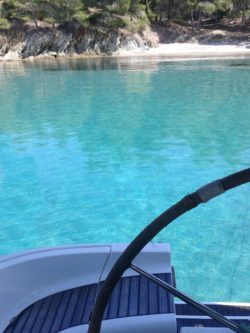
    Halkidiki sits in Northern Greece, southeast of Thessaloniki, with three peninsulas reaching into the Aegean. Kassandra is the first “leg” and the easiest for quick access and lively beach towns. Sithonia is the middle “leg” with more coves, pine trees down to the sea, and that wild feel when you round a cape and the water suddenly turns glassy. Getting here is straightforward: most guests fly into Thessaloniki Airport, then drive down. In summer, roads can get busy at weekends, so leaving Thessaloniki a bit earlier saves you some nerves, especially with kids.

    Before you plan your route, it helps to check official info for the area. For general travel planning and regions, the Greek National Tourism Organisation is a solid start: visitgreece.gr. For local administration and practical notices in the Sithonia area, you can also look at the Municipality of Sithonia: sithonia.gr. And for wind and weather, I always tell people to check the official HNMS forecast: hnms.gr.

    Happy fisheman after Fishing in Halkidiki with CharterAyachtHalkidiki fish are famously very tasty. My commercial fisherman friends tell me that the combination of fairly deep coastal waters, interesting underwater formations that create deep reefs, and the proximity to the mountain as a source of sweet water from rain, makes the crystal-clear waters a perfect place for fish to grow naturally. So even the humble sardines they fish in Toroneos gulf, between Kassandra and Sithonia peninsula, are tastier than the sardines a few miles offshore or in Thermaikos Gulf.

    That same mix of deep water close to shore and changing seabed is also why trolling can be fun here. You are not dragging a lure over empty sand for hours. You pass points, drop-offs, and current lines where baitfish gather. Some days you see birds working and you know there is life under you. Other days it looks quiet, and then boom, you get hit right next to a calm bay where everyone is swimming.

    Many people enjoy fishing. That is why we choose to offer it.
    The thing is that in order to do the kind of fishing technique of bait casting that most people know as fishing, you need to wake very early in the morning, at 04:00 or 05:00 come to our boats and sail for about 1 hour so you are over a fishing spot, a reef before the sunrise. That is the time when it’s almost still dark that you can catch normal adult fish of some size with bait.
    Of course, it’s very difficult to wake up so early on holiday, we understand.

    And it is not only the wake-up time. Proper bait fishing also needs preparation, fresh bait, and a plan for what you do with fish you do not want. On a family day cruise, the goal is simple: easy fun, a clean deck, and a chance to catch something decent without turning the trip into a hardcore fishing mission.

    Sport Fishing in Halkidiki Sustainability Concerns

    If we do bait casting during our normal trip, during the day, we will only catch baby fish or inedible bottom feeders, in essence to small-scale environmental destruction. And if everyone for fun kills baby fish this could be a problem. We choose to protect the environment of our seas and our country. And no, “just for the kids to play” is not ok to kill fish we will not eat afterward. It’s a pity to kill a small grouper of a few grams (that can grow to be more than 15kg fish) just to play.

    This is not a theory for us. We see the pressure on the coast every summer. More boats, more lines in the water, more people trying “just one small fish”. Multiply that by thousands and you understand why we keep it strict. If we fish, we try to fish for species that are fast-growing and are caught as proper adults with trolling, not tiny reef fish that should be left alone.

    It also keeps the trip nicer for everyone onboard. No piles of small fish, no smell, no drama. Just a clean, respectful approach and a chance to catch something that actually deserves a photo.

    However, we do troll fishing which gives us the opportunity to catch mature palamida 1-4kg (Atlantic bonito) or karvouni  1-10kg (Little Tunny) using this method all day. Sometimes we can also catch a bigger 6-20Kg Albacore Tuna and the best times to catch them are around midday and at sunset. Time of the day that is easier to sail in your holidays.
    In troll fishing, we put fake lures behind the boat about 15-25m, that look like small squid or bait fish. All surface hunter fish love them and attack them. When a fish is caught we stop the boat and fight it and bring it onboard.
    We have special equipment on board and special rods made for this kind of light troll fishing.
    Sometimes we catch nice swordfish or Mediterranean marlin.
    As you can understand you can make a trip with the whole family, go for some swimming and do troll fishing while going between beaches and coves.

    A practical note from a skipper: trolling is not about sitting still. It is about covering water. We keep an eye on the sea surface, birds, and colour changes in the water. When we get a strike, we slow down, clear the other line if needed, and coach the angler. The first 20 seconds are the messy ones, then it becomes a clean fight. If you have kids onboard, we handle the rod with them, so they feel the pull but stay safe.

    Sea and outdoor activities depend on the weather and your own fitness level. Always follow local safety advice and skipper instructions.

    What a normal day looks like onboard (with fishing included)

    Most guests want a mix: a couple of swim stops, a bit of exploring, some cold drinks, and a chance to fish while we move. That is exactly how we run it. We usually start from a marina or a small harbour on Kassandra or Sithonia, then we cruise along the coast and pick anchorages based on wind and sea state.

    We do not publish exact start times in a blog post because they change with weather, season, and the port we use. If you tell us where you stay, we suggest the easiest meeting point and the smoothest route for the day. Parking can be tricky in peak season near popular harbours, so arriving a bit early helps a lot.

    Timetables, opening hours and routes can change without notice. Always double-check locally before you travel.

    While we cruise, we can troll. When we stop to swim, we bring the lines in. Simple. After swimming, we set the lures again and continue. If you like snorkelling, bring your mask. The water clarity in Sithonia can be excellent, especially outside the busiest weeks. If you want a proper dive or to combine your boat day with scuba, have a look at portoscuba.com for local diving info and options.

    Light troll Fishing in Halkidiki target fish species

     
    Fishing in Halkidiki information - Diferences between Albacore Tuna (Άλμπακορ ή άσπρος Τόνος), Little Tunny (Καρβούνι) and Atlantic Bonito (Παλαμίδα)
    Albacore (Thunnus alalunga), little tunny (Euthynnus alletteratus), Atlantic bonito (Sarda sarda)

    When we hit bonito or little tunny, you will feel it immediately. They are not shy fish. They run hard, they circle, and they make people laugh because they think it will be easy, then their arms start burning. If we are lucky and a bigger tuna shows up, that becomes a proper event onboard. Not every day, but it happens.

    If you want to read a bit more about the species and the naming confusion, Wikipedia is actually fine for the basics, and it helps guests understand what they caught and how it fits in the tuna family.

    Here is a great article that clears things up about the most common tuna species and similar species. Bonito vs Skipjack Tuna vs Little Tunny: What’s the Difference?

    Season and weather issues for fishing in Halkidiki.

    Of course like all fish, the species that we are targeting go crazy and eat anything they can find just before the rain.
    But after a storm, especially noisy thunderstorms, they go for deeper waters and it may take up to 3 days for things to return to normal. Also, debris carried by water from land after rain makes it difficult to fish as the lures keep catching weeds and leaves, and unfortunately, the fish we are trying to catch are not vegetarians. So we need to clean our lures all the time to the point that sometimes it’s impossible to fish.
    Also during July and the beginning of August, the top surface water is too hot for fish so practically there is no fishing. But the rest of the year it’s very good.

    Local feel matters here. In early summer, June is often a sweet spot. Warm water, still decent appetite from the fish, and not the same crowds as late July. September is also excellent. The sea is still warm for swimming, the light is softer, and the coast calms down a bit after the big holiday rush.

    Wind-wise, the north winds can pick up and make some routes bumpy, especially if you try to cross open stretches. That is why we plan the day based on conditions. On a sailboat, you can enjoy a proper sail when the breeze is right. On a motor yacht, we can tuck into the lee side and keep it comfortable. Either way, comfort comes first, and fishing comes when it makes sense.

    Who this kind of fishing trip suits

    This setup is made for normal holiday people, not only for dedicated anglers. Families like it because the kids can swim and still have that moment of “I caught something!” Couples like it because it is relaxed, with a bit of action and a nice lunch after. Groups of friends usually turn it into a fun competition, who lands the first palamida, who gets the bigger karvouni, who loses the fish at the boat. It happens.

    If you are older or you just want it easy, tell us. We can keep the pace calm, choose smoother anchorages, and still troll between stops without making the day tiring.

    About Tuna game fishing (professional) catch and release

    The other kind of Fishing in Halkidiki that we do is tuna game fishing. Big Tuna schools come to the open Aegean Sea close to Halkidiki after the water temperature drops in late September and stay in the area until the middle of November, feeding on the surface.
    We love to go out and hunt them. The programme is to catch, take photos and release unless the fish is hurt and will not survive. In that case, as required by law, the fish is donated to the homeless children’s foundation and other charities.
    Tuna pro game fishing is a whole-day experience as we need about 3 hours sailing to get to the hunting area, south of Kassandra or Sithonia. Our pro local fishermen are always on the lookout for us, they are like a local secret service for fish, and they keep us up to date on sightings, so we usually know where the fish are and what they are feeding on. We start as early in the morning as possible, 06:00 or 07:00, and return around 16:00. Good breakfast, snacks, wine, fruit, etc. are included so nobody gets hungry.
    The season starts after 15 September, after the first few cold autumn showers cool down the water. We can go fishing in up to 3 Beaufort of wind. Anything more is too uncomfortable and the lines are practically tangled all the time.
    On board we have equipment for pretty big fish. We use fake plastic lures while searching for the feeding schools and fresh bait on social trolling gear near the feeding frenzy area, with the largest equipment. Our crew is very knowledgeable about these kinds of fishing and usually can find and catch the fish.
     

    This is a different world from light trolling on a family cruise. It is longer, more focused, and it depends heavily on conditions. When it works, it is one of those days you remember for years. Big fish on the surface, birds diving, the sea boiling. When it does not work, you still get a serious offshore experience and you learn a lot about how wild the Aegean can feel just a few hours from the beach bars.

    Sea and outdoor activities depend on the weather and your own fitness level. Always follow local safety advice and skipper instructions.

    Find out more about our game fishing trips

    Our philosophy about fishing and the good life

    There is the old Greek wisdom that says “the fisherman’s and the hunters’ plates are full ones out of every 10 days” so no guarantees that we will actually catch fish. But the day will be fun for sure with good drinks, good talk, and stunning Halkidiki views.
    As a great Greek fisherman once told me “the quality of fishing is directly related to the number of beers” (or tsipouro I would add).
     

    That is really it. We go out to enjoy the sea. Fishing is a bonus, not a promise. If you want the pure holiday version, we mix it with swimming and sightseeing. If you want the more serious version, we plan a dedicated game fishing day when the season is right.

    If you are thinking about coming around a Greek holiday period, book early. Weekends and long weekends get busy fast, especially when the weather is stable and the sea is flat. Just send us a message with where you stay and what kind of day you want, and we will suggest the best boat and route.

    Not sure where to start? Contact our local travel agency for friendly, personalised advice, seasonal offers and travel options.

    Lifejackets

    We have a couple of swimming aids available, but these are only for young children. The emergency lifejackets on board are more than enough for everyone, but please note these are for emergencies ONLY!
    We do not put on lifejackets before departing; there is really no need, it is not required by law, and it is not part of the long-standing Greek seafaring culture. The reason is that we don’t have strong tides or currents in our area like those found in so many Western European seas, so it is quite safe without them. If you have an older teenager who cannot swim, they should bring their own buoyancy aid, as we cannot provide one of that size. If you have an exceptionally active child and would feel safer with them wearing a safety aid, please ask the skipper to put one on them.

    Fire extinguishers

    We have at least two on board, as per the requirements of the marine surveyor protocols that regularly inspect the boat. They pass annual inspections and maintenance, as does all our safety equipment, and are certified by an authorised company.

    Other safety equipment

    The boat is equipped with a GMDSS system, meaning it has either two DSC-capable VHF radios with separate electrical systems, or one radio and an EPIRB emergency satellite beacon. These are also inspected and certified annually.
    Attention! This equipment is there for your safety and should be operated only by your skipper. Anyone fiddling with it may trigger an emergency declaration, resulting in Coast Guard boats and/or helicopters being sent to find us. In the end, you will be presented with a very large bill for calling out the authorities without reason. Please ensure nobody starts pressing any buttons they find, especially children.

    Discover Greece’s Undiscovered Gem with Catamaran Charters in the Saronic Gulf

    If you want a Greek sailing holiday that feels rich but not exhausting, the Saronic Gulf is one of the smartest picks. It sits right off Athens, so you get proper island hopping, history, and tavernas without long, open-water legs. For crews that want to actually sail and swim (not just commute), it delivers.

    Geographically, you are sailing the stretch between the Athens Riviera and the Saronic Islands, mainly Aegina, Poros, Hydra, and Spetses, with the Argolic coast close enough to tempt you south. Distances are friendly, anchorages are often protected, and plans are easy to adjust if the wind freshens or the crew wants a slower day.

    Catamarans are the ideal boats for a sailing trip around the Saronic Gulf because of their roomy decks, stability, and opulent facilities. You get that wide cockpit where everyone ends up gathering, a stable platform at anchor, and shallow draft that lets you tuck into bays that can feel too tight on a deeper monohull. The Saronic Gulf provides a wealth of adventures for all levels of sailors, whether you choose a crewed charter with a competent crew to take care of all your needs, or a bareboat charter where you assume control as the captain.

    If you are choosing between bareboat and crewed, be honest about what you want your week to feel like. Bareboat is hands-on and flexible, and it is perfect if you enjoy planning and docking as part of the fun. Crewed is more like a floating hotel with local knowledge, and it suits mixed groups where not everyone wants to think about lines, weather windows, or port etiquette. Both work beautifully here, and a catamaran makes even a first-time crew feel comfortable fast.

    call us: +306980700070

    send a message via WhatsApp

    call or text us on Viber

    send a message via Messenger

    Don’t forget to mention:

    • Number of persons, possible dates
    • The hotel you’ll be staying
    • The activity you are interested in

    Why the Saronic Gulf works so well for a sailing holiday

    Sailing in the Saronic Gulf has several benefits, including being close to Athens, the dynamic capital of Greece. This makes it simple to reach the charter’s departure location, cutting down on travel time and increasing your time on the water. You can board your catamaran close to Athens and set out to discover the undiscovered wonders of the Saronic Gulf.

    Getting there is straightforward. You fly into Athens International Airport and then transfer to the marinas along the Athens Riviera. Depending on traffic, it is usually about 30 to 60 minutes by road, which is a big deal if you are traveling with kids or arriving late. If you want, you can add a city day before boarding and do provisioning in Athens where choice is endless, then step onto the boat already sorted.

    Weather is another reason this area is so popular. Compared with the open Cyclades, the Saronic is generally more forgiving. In summer you still get breezes, often from the north and northeast, but the islands create lee and plenty of alternative routes. Water clarity is best from late spring to early autumn, and shoulder season can be a sweet spot with fewer boats and cooler nights, even if the sea is a touch fresher.

    If you like to read up before you go, the Greek National Tourism Organisation is a solid starting point for official travel info, and Wikipedia’s Saronic Islands overview gives a good sense of the geography and the island mix. For broader maritime context and advisories, you can also check the Hellenic Navy site, then confirm day-to-day details with the marina office once you are on the ground.

    Island-hopping highlights: Aegina, Poros, Hydra, Spetses

    A variety of beautiful islands, each with its own distinct personality and allure, can be found in the Saronic Gulf. The nearest island to Athens, Aegina, welcomes you with its charming harbour, lively waterfront, and historic archaeological treasures. Visit the magnificent Temple of Aphaia, indulge in some of the island’s world-famous pistachios, and take in the vibrant ambiance of the neighbourhood tavernas.

    Aegina is a great first stop because it settles everyone into the rhythm. The sail is short, the harbor is lively, and you can still fit in a swim before dinner. The Temple of Aphaia is worth doing in person, especially later in the day when the light softens. And yes, the pistachios are not just a souvenir thing. Stocking up for the boat is a good idea, just do not overdo it on day one, you will find good produce all week.

    Continue your voyage by sailing to the island of Poros, which is renowned for its verdant vistas, neoclassical structures, and picturesque lanes. Discover Poros Town’s winding lanes, see the old Clock Tower, and indulge in delectable Greek cuisine at the seaside eateries. Anchor in hidden bays, swim in the clear waters, and take in the peace and quiet of this island paradise while you can.

    Poros is one of those places that makes an easy evening feel special. The town climbs the hillside in that amphitheater shape, and the walk up toward the Clock Tower gives you a view that always lands, even if you have seen a thousand Greek sunsets. Around the island you can find calm coves for lunch stops, and on a catamaran it is simple: anchor, swim ladder down, and the day sort of runs itself.

    Another must-see location in the Saronic Gulf is the island of Hydra. Hydra is renowned for its distinct beauty and lack of motorised vehicles, and it has a timeless attraction. Enjoy the gorgeous architecture, wander the car-free cobblestone streets, and unwind at the seaside cafes. Hydra is a swimming and snorkelling paradise due to its pristine waters and secret bays.

    Hydra has a vibe the moment you enter the harbor. No cars, just footsteps, donkeys, and the sound of halyards in the breeze. Timing matters here because the main harbor can get busy in peak season, so arriving with daylight makes the whole stop feel calmer. For snorkeling days, bring proper masks and fins and do not rely on a cheap set bought last minute. If you want ideas for underwater days and local sea activities that pair nicely with sailing, have a look at portoscuba.com and plan around conditions.

    You can reach Spetses, a cosmopolitan island with a long maritime history, after a brief sail from Hydra. Discover the opulent town, tour the old houses, and take advantage of the island’s exciting nightlife. Additionally, Spetses has lovely beaches where you may relax and take in the sun and water.

    Spetses is where the Saronic starts to feel a bit more polished. The waterfront is made for an evening stroll, and the maritime story is not just a brochure line, you see it in the mansions and the way the island presents itself. If your group likes a livelier night, this is often the best fit, then you balance it the next day with a quiet anchorage and a long swim. Just keep an eye on your crew’s energy, it is easy to push too hard if you try to do everything.

    Beyond the islands: coastal towns and hidden anchorages

    The Saronic Gulf is home to more than simply islands; it also has charming coastal towns and undiscovered anchorages. The quaint beach hamlet of Nafplio combines historical significance with unmatched beauty. Explore the old Palamidi Fortress, stroll through the Old Town’s winding lanes, and unwind at a beachfront café with a view of the Gulf.

    Nafplio sits on the Argolic side, so it fits best if you have more than a week or you enjoy a longer leg. The Old Town is one of the prettiest in Greece, and Palamidi Fortress is a proper climb, so go early if the day is hot. Even as a day stop, it breaks up the island rhythm with something more historical and land-based, which older travelers often love.

    Between the headline stops, the real magic is in the small moments. A quiet bay for lunch. A late swim when the water goes glassy. A simple dinner on deck with the lights of a harbor town in the distance. In the Saronic, you can build a route that leaves space for that, and it is why people come back, even after they have “done” the big islands.

    call us: +306980700070

    send a message via WhatsApp

    call or text us on Viber

    send a message via Messenger

    Don’t forget to mention:

    • Number of persons, possible dates
    • The hotel you’ll be staying
    • The activity you are interested in

    What a typical route feels like (and how to keep it relaxed)

    You will be entranced by the stunning scenery, clear waterways, and peace that comes from being surrounded by nature’s grandeur as you cruise across the Saronic Gulf. The Saronic Gulf ensures a memorable and restorative sailing experience, regardless of whether you opt for a crewed charter or a bareboat charter, where you have the freedom to explore on your own.

    A common rhythm is short morning sails, a swim stop, and then an afternoon arrival with time to walk around and eat well. The legs are usually manageable, so nobody feels trapped on board all day unless you choose it. That is why it suits families and mixed groups so well. You get variety without stress, and you can always shorten the day if someone is tired or the kids are getting a bit grumpy.

    Provisioning is easy out of Athens and also on the bigger islands, but I always tell crews not to overbuy on day one. Fresh bread, fruit, and simple meals are part of the charm, and topping up as you go keeps the fridge from turning into a puzzle. A catamaran helps because storage is generous, but you still want the boat to feel light and uncluttered.

    One practical note: mooring style and harbor space can vary by island and by season. Sometimes you go stern-to in a busy port, other times you anchor outside and take the dinghy in. If you are not confident with docking, a skipper or crewed option can turn the week into a holiday instead of a stress test. No shame in it, honestly, especially if you want to focus on swimming, food, and the scenery.

    • Keep daily legs realistic: short sails leave time for swimming and exploring, which is what most crews remember.
    • Arrive with daylight when you can, especially in peak season when harbors fill up.
    • Have a plan B anchorage in mind so you are not forced into a crowded spot.
    • Respect quiet hours in small ports. You are sharing the waterfront with locals, not just other yachts.

    Catamaran comfort: why it matches the Saronic so well

    Catamaran charters in the Saronic Gulf provide a special chance to experience Greece’s stunning coastline while relaxing in the comfort and luxury of a well-appointed boat. The Saronic Gulf offers something for everyone, whether you’re looking for adventure, relaxation, or a combination of both. So raise the sails, let the cool breeze caress your face and set sail on a spectacular adventure through this alluring region’s undiscovered gems.

    On the water, the catamaran advantage is simple. More living space, less heeling, and a layout that keeps everyone together. People who think they do not like boats often change their mind on day one because it feels stable at anchor and you can move around without that constant balancing act. For groups of friends, the separate hull cabins also give privacy, which keeps the mood good over a full week, even if someone is an early riser and someone else sleeps late.

    If you want a bit more action, you can still sail properly here. There are days with a decent breeze where you trim sails, feel the boat lift, and cover miles with a grin. Then you tuck behind an island, drop anchor, and the sea goes calm again. It is a nice mix, not too wild, not boring either, and it suits couples who want romance as much as groups who want fun.

    Sea and outdoor activities depend on the weather and your own fitness level. Always follow local safety advice and skipper instructions.

    Best time to go: crowds, wind, and water clarity

    Take a catamaran charter in the Saronic Gulf and allow Greece’s secret treasure to enchant you. Every moment spent on the water will be filled with surprise and awe, whether it be from the historical sites or the breathtaking surroundings. Learn about the magic of the Saronic Gulf and make lifelong memories.

    Late May, June, and September are my personal favorites for the Saronic. The water is clear, the evenings are comfortable, and ports are less packed than high summer. July and August bring heat and more traffic in popular harbors, but they also bring that classic holiday energy, and the sea is warm for long swims. If you are sensitive to heat, plan longer swim stops and earlier arrivals, it makes a big diference.

    If your trip lines up with big Greek holidays, expect a different pace. Around Orthodox Easter, marinas and ferries can get busy, and many families travel. If you are planning near that period, check the dates here:

    Sun, Apr 12 2026

    . For the Holy Spirit holiday, long weekends can fill up popular spots fast, so it helps to plan early:

    Monday, June 1 2026

    .

    Starting from the Athens Riviera: easy logistics, great first day

    There are many benefits to starting your bareboat charter from the Athens Riviera that can improve your sailing experience. The Riviera offers simple access to the charter’s departure location as it is only a short distance from Athens’ centre. This allows you to maximise your time on the yacht by seamlessly transitioning from the busy city to the serene ocean. The Athens Riviera is renowned for its breathtaking coastline, which is dotted with lovely beaches, lively seaside communities, and upscale resorts. You may travel quickly from here to adjacent islands like Aegina, Hydra, and Poros to see their fascinating histories, beautiful architecture, and traditional Greek culture. The Athens Riviera also has first-rate marinas and facilities, guaranteeing a smooth departure and return. Whether you’re an experienced or inexperienced sailor, beginning your bareboat charter from the Athens Riviera creates the ideal setting for an unforgettable journey along the alluring Greek coastline.

    The Athens Riviera marinas are set up for charters, with fuel docks, nearby supermarkets, and easy access for taxis and transfers. If you arrive the day before, you can provision without rushing, have a relaxed dinner, and start early the next morning. That first sail out of Athens is always a good moment. The city fades behind you and suddenly you are in open water with islands ahead.

    Do keep in mind that check-in, briefing, and departure times can shift depending on the marina, the boat, and the season. It is normal to adjust the first-day plan once you see the actual conditions and how long the paperwork takes.

    Timetables, opening hours and routes can change without notice. Always double-check locally before you travel.

    call us: +306980700070

    send a message via WhatsApp

    call or text us on Viber

    send a message via Messenger

    Don’t forget to mention:

    • Number of persons, possible dates
    • The hotel you’ll be staying
    • The activity you are interested in

    If you want help choosing the right catamaran, a realistic route, or whether bareboat makes sense for your crew, send us a message.

    Not sure where to start? Contact our local travel agency for friendly, personalised advice, seasonal offers and travel options.

    If your group is more into curated days on the water than a full week, we can also point you toward the right kind of sailing experience and pacing.

    If you’d like to explore the coast, ask us about day trips at sea and sailing boat options.

    Ionian Sea Catamaran Bareboat Charters: Explore Greece’s Coastal Paradise

    Catamaran bareboat charters are the best option if you’re looking for the most amount of freedom and flexibility while exploring the alluring seas of the Ionian Sea. Set out on an exciting journey where you take the helm of your own ship and travel at your own leisure through the azure waters of Greece’s coastal paradise. The Ionian Sea provides an ideal environment for a bareboat catamaran charter experience with its gorgeous landscapes, quiet bays, and picturesque islands.

    The Ionian sits on Greece’s western side, between the mainland and Italy, and it is generally more sheltered than the Aegean. That matters when you are planning a week on your own boat. You often get calmer mornings, a build of breeze later in the day, and lots of anchorages where you can stop for a swim without making it a big operation. Still, it is the sea, so keep one eye on the forecast and one on your crew. A relaxed week comes from good habits, not luck.

    Catamarans are the perfect boats for bareboat charters because of their twin hull construction, roomy decks, and stability. You and your guests will have plenty of room on these opulent sailing ships to unwind, rest, and take in the beautiful beauty of the Ionian Sea. Catamarans are suitable for all levels of experience, whether you are a skilled or inexperienced sailor. They are simple to handle and have smooth sailing.

    From a skipper’s point of view, a catamaran also changes daily life in small ways that add up. The cockpit is social, the shade is better, and the boat stays flatter at anchor when people move around. The shallow draft helps you get closer to the beach in many bays, which is great for quick dips and easy dinghy rides. Just remember they have more windage, so slow-speed manoeuvres need calm communication. If the crew is shouting, docking goes bad fast, even on a perfect day.

    The Ionian Sea, which is off Greece’s western coast, is home to a number of alluring islands, each with its own unique charm and attraction. Set sail to discover the undiscovered treasures of this coastal paradise as you embark on a bareboat charter from one of the Ionian Sea’s major hubs, such as Corfu or Lefkada.

    Getting to the Ionian is usually straightforward. Corfu has an international airport and ferry links, while Lefkada is reached by road via a causeway from the mainland. For general planning and official travel inspiration, it is worth checking the Greek National Tourism Organisation: https://www.visitgreece.gr/. For weather, I like crews to cross-check what apps say with an official source like the Hellenic National Meteorological Service: https://www.hnms.gr/. Forecasts change, and the Ionian can surprise you with a breezy afternoon when you expected a lazy sail.

    Timetables, opening hours and routes can change without notice. Always double-check locally before you travel.

    call us: +306980700070

    send a message via WhatsApp

    call or text us on Viber

    send a message via Messenger

    Don’t forget to mention:

    • Number of persons, possible dates
    • The hotel you’ll be staying
    • The activity you are interested in

    Why the Ionian works so well for bareboat catamarans

    If you want sailing that feels like a holiday, the Ionian is hard to beat. Distances between islands are usually manageable, and there are plenty of bays to break up the day with a swim stop and lunch on board. In summer you often get a light to moderate afternoon breeze, with calmer mornings that suit easy departures and tidy anchoring practice.

    • Comfort at anchor thanks to the catamaran’s stability and big living spaces.
    • Lots of choice between marinas, town quays, and quiet bays, so you can mix lively nights with silent ones.
    • Great for mixed groups where some people want to sail and others just want to float, read, and snack.
    • Family-friendly waters, with many sandy coves and easy swim stops when conditions allow.

    Sea and outdoor activities depend on the weather and your own fitness level. Always follow local safety advice and skipper instructions.

    Season also changes the feel. May and early June are greener and calmer in the harbours, with water that is warming up but can still feel cool on the first swim. July and August are hot, busy, and loud in the famous spots, with very warm water and full quays by late afternoon. September is a favourite for many sailors, still warm, a bit calmer, and the sea stays clear. Around Greek holidays like Orthodox Easter, which changes every year, it helps to check dates if you are planning flights and marina nights:

    Sun, Apr 12 2026

    . The Holy Spirit holiday can also affect weekend traffic and availability in some areas:

    Monday, June 1 2026

    .

    Corfu: a well-liked place to begin bareboat charters

    The northernmost island in the Ionian archipelago, Corfu, is a well-liked place to begin bareboat charters. Corfu provides a wide variety of experiences and is well-known for its beautiful scenery, Venetian architecture, and energetic nightlife. Visit historical sites, stroll around the Old Town, a UNESCO World Heritage Site, and take in the colourful ambiance of the island’s waterfront tavernas.

    Corfu Town is worth giving time, even if you are itching to cast off. The Old Fortress area and the Liston are easy on foot, and provisioning is usually simple with plenty of options near the port. If you want a quick read on the island’s background while you plan your route, this is handy: https://en.wikipedia.org/wiki/Corfu. It also helps the crew understand why Corfu feels different from the rest of the Ionian, a bit more cosmopolitan, a bit more layered.

    When you leave Corfu, plan the first day with the crew’s confidence in mind. A short hop to a nearby bay or a sheltered harbour is often the best move. People settle into watches, lines, and the rhythm of the boat. If you start with a long leg and a tricky mooring, you can burn the mood early, and then the week feels like work. Nobody wants that, not even the keen sailors.

    Lefkada: pristine waters, magnificent beaches, and charming towns

    An additional great starting point for your bareboat experience is Lefkada, which is connected to mainland Greece by a floating bridge. Lefkada is a treasure just waiting to be found with its pristine waters, magnificent beaches, and charming towns. Go swimming, snorkelling, and sunbathing as you sail to the well-known Porto Katsiki, a beach that is noted for its spectacular cliffs and turquoise waters. You can also anchor in isolated coves along the shoreline.

    Lefkada is ideal if you want an easy arrival by road and a smooth first night before departure. Many crews do a calm marina evening, get the boat systems sorted, and leave next morning without rushing. On the water, the west coast beaches are stunning, but they are exposed. If there is swell running, it can turn an anchorage into a washing machine, and then nobody sleeps. The east side is often calmer, with more protected water for relaxed lunches and beginner-friendly anchoring.

    If your group likes underwater exploring, bring masks and snorkels. Water clarity can be excellent in summer, especially after a few calm days. For local pointers on diving conditions and the general underwater scene in the region, you can also look at portoscuba.com. Even if you do not dive, it gives you a feel for what the sea is doing and what to expect.

    Plan your route to the charming islands of Paxos and Antipaxos from Corfu or Lefkada. Paxos, a treasure of the Ionian Sea, is home to peaceful beaches, picturesque villages, and olive trees. Explore the winding alleyways lined with tavernas and boutique shops, moor your boat in the natural harbours of Gaios or Lakka, and relax on this serene island. Don’t pass up the chance to swim in the famed Blue Caves’ green waters.

    Paxos is one of those islands where a catamaran feels like the perfect base. You can spend the day hopping between small coves, then come into a harbour for an evening walk and a simple meal. In high season, popular spots fill up, so arriving earlier helps. Have a backup plan too. It keeps stress low when the first choice is busy, and it avoids that late-day scramble that makes crews grumpy.

    The Blue Caves are spectacular in the right light, but treat them with respect. Swell can rebound inside, and traffic can be busy with boats coming and going. Go slow, keep a sharp lookout, and do not push close if the sea state looks wrong. The best photos come when everyone is calm, not when you are trying to be brave.

    A little neighbouring island called Antipaxos offers a unique paradise. Anchor in a sandy cove, plunge into the clear water, and take in the sea’s vivid colours. Get lost in the tranquilly of this pristine oasis, away from the crowds and busy tourist spots.

    Antipaxos is best enjoyed with a simple plan. Go early, swim, have lunch on board, then leave space in the day to move on if it gets crowded or the wind comes up. The water can look unreal, milky turquoise over sand, and it is exactly the kind of moment people remember from an Ionian charter. Keep your anchoring tidy and give other boats room. It makes the bay nicer for everyone and it makes your own departure easier too, which is the part people forget.

    Continue your bareboat charter by sailing south to the gorgeous island of Ithaca, known for its verdant terrain, precipitous cliffs, and legendary past. Visit the Cave of the Nymphs, stroll through the lovely towns of Vathi and Kioni, and explore the historic sites that bring the tales of Odysseus to life.

    Ithaca has a softer feel than some of the bigger islands. Green hills, small harbours, and evenings that are more about a quiet table than a big party. Vathi sits deep inside a natural bay and is often well protected, so it is a good place to reset with a longer stay. Kioni is postcard pretty, but it can be tight in peak weeks, so be ready to anchor out if needed and take the dinghy in. It is not a problem if you plan for it, it is only a problem when you pretend it will be empty.

    If your crew likes walking, plan it for morning or late afternoon in summer. Midday heat can be heavy and sticky, and you do not want to be climbing when the sun is at its strongest. A hat and water sounds obvious, but people still forget, and then the walk turns into a slog. Happens every season, even with smart crews.

    call us: +306980700070

    send a message via WhatsApp

    call or text us on Viber

    send a message via Messenger

    Don’t forget to mention:

    • Number of persons, possible dates
    • The hotel you’ll be staying
    • The activity you are interested in

    Zakynthos: iconic scenery and famous stops

    Another gem of the Ionian Sea, Zakynthos, is waiting with its well-known Shipwreck Beach, Navagio. Admire the breathtaking environment, which is framed by high cliffs and the shipwreck that gave the beach its name. Visit the island’s Blue Caves, undiscovered sea caves drenched in hypnotic blue hues, or unwind on Gerakas Beach’s golden beaches, which serve as a loggerhead turtle nesting ground.

    Zakynthos can feel more dramatic, and more popular, especially in July and August. Navagio is a must-see, but treat it like a viewpoint and a photo stop rather than a place you control. Conditions and access rules can change, so check local guidance and do not assume you can linger wherever you like. Gerakas is special because of the turtles, and that means you behave like a guest. Keep noise down, respect protected areas, and do not chase wildlife. It sounds basic, but you would be surprised how many people forget the moment they see a fin in the water.

    Kefalonia: natural wonders and long beach days

    As you travel farther south, Kefalonia will wow you with its breathtaking scenery and array of natural wonders. Explore the Melissani Cave’s underground wonders, go hiking through Mount Ainos’ stunning scenery, or unwind on the well-known Myrtos Beach, which is tucked away among towering cliffs.

    Kefalonia is big enough that it rewards a bit of planning. If you want caves and inland drives, choose a port where it is easy to arrange transport, and build time for it. Melissani is famous for a reason, especially when sunlight hits the water, but it can get busy. Going earlier usually feels more relaxed. Myrtos is stunning, but like other west-facing beaches it can be exposed. Do not force an overnight plan there if the swell looks wrong, even if someone on board says “it will be fine”. It might be fine for an hour, then it is not.

    How to make a bareboat week feel easy

    The freedom to discover the undiscovered gems of the Ionian Sea is the allure of a catamaran bareboat hire. Anchor at peaceful coves, explore undeveloped beaches, and delight in being surrounded by the beauty of nature. Take advantage of the freedom to plan your own itinerary, spend as much time as you like in each location, and make priceless memories with your loved ones.

    In real life, the best weeks balance ambition with comfort. Two longer sailing days are plenty for most groups, with shorter hops in between. Build time for provisioning, lazy lunches at anchor, and the occasional early arrival so you can enjoy the harbour instead of hunting for space at the last minute. If you are travelling with kids or older family, that slower rhythm is not a compromise. It is the secret, and it keeps everyone smiling.

    • Keep a flexible route so you can swap islands if the wind or swell changes.
    • Choose one or two “must-do” highlights, then leave the rest open for discovery.
    • Arrive earlier when you can, especially in popular bays in high season.
    • Plan dinners with options, one taverna night, one simple onboard meal, and one special meal out.

    Food is part of the sailing too. In the Ionian, a simple routine works. Coffee and a light breakfast, then a swim stop, then a proper lunch on board when the sun is high. In the evening, you dock or anchor, shower, and go find a taverna. Fresh fish, Greek salad, and something slow-cooked is usually the move. If your crew likes cooking, catamarans make it easy, more space, more fridge, less bumping elbows. Just do not overbuy on day one. You will find shops in most towns, and the less clutter you have, the better the boat feels.

    Starting from Preveza: easy accessibility and a strong base

    By letting you experience Greece’s coastal paradise up close and personal, a catamaran bareboat charter in the Ionian Sea provides a getaway from the everyday. This sailing experience enables you to customise your journey to suit your preferences, whether you’re looking for adventure, relaxation, or a combination of the two. Learn the mysteries of the Ionian Sea, savour the peace of remote anchorages, and let the wind lead you to the delights that await.

    There are many benefits to beginning your bareboat charter from our Preveza location in the Ionian Sea that will improve your sailing experience. Because of its close proximity to important transportation hubs and a well-connected airport, Preveza, which is located on the mainland, offers easy accessibility. This makes it simple to arrive and go, saving you time and facilitating a seamless start to your sailing journey. Additionally, Preveza is a fantastic place from which to explore the breathtaking Ionian Islands. From here, you may travel without difficulty to well-known locations like Lefkada, Corfu, and Paxos as well as lesser-known treasures like Meganisi and Kastos. Preveza’s advantageous location gives you the freedom to create your own itinerary, guaranteeing that you can travel to the places that most pique your interest. Starting your bareboat charter at Preveza prepares you for a memorable adventure along the gorgeous Ionian Sea, whether you’re looking for a buzzing nightlife, immaculate beaches, or a taste of traditional Greek culture.

    Preveza is also practical for crews that want a smooth first day. You can arrive, do the briefing, shop for supplies, and still have time for a calm dinner before departure next morning. If someone in the group is nervous about docking, starting from a well-organised base helps a lot. Take ten minutes to run through lines, fenders, and a simple docking plan with the whole crew. It saves arguments later, and it keeps the skipper from doing everything alone.

    If you want to read up on the town and the wider area before you arrive, this is a solid reference: https://en.wikipedia.org/wiki/Preveza. Info changes, but it gives you the geography and the basics, and that helps when you are picking flights and ground transport.

    Not sure where to start? Contact our local travel agency for friendly, personalised advice, seasonal offers and travel options.

    A few practical notes before you cast off

    Get on a catamaran for a bareboat charter on the Ionian Sea and see the Greek coastline’s charm come to life. You’ll make memories that will last a lifetime with each and every sunset, secluded beach, and uncharted island that you find. So prepare the sails, plot your path, and set sail for an amazing journey on the Ionian Sea.

    If you want help matching the right catamaran to your group, or you want a realistic route based on your start base and experience level, ask us and we will set it up properly.

    call us: +306980700070

    send a message via WhatsApp

    call or text us on Viber

    send a message via Messenger

    Don’t forget to mention:

    • Number of persons, possible dates
    • The hotel you’ll be staying
    • The activity you are interested in

    And one last dockside truth. The Ionian rewards crews who keep it simple. A clean deck, a calm cockpit, and a plan that leaves room for a surprise swim stop. Do that, and the week almost runs itself, even if the weather gets a bit grumpy one afternoon.

    Day boat trip to Chalkidiki, Sithonia or Kassandra, aboard a sailing yacht. Your 2026 summer holiday is the perfect time to join in a skippered sail for the day.

    Group day sailing boat trips in Kassandra or Sithonia are unforgettable experiences that allow you to explore the stunningly beautiful Halkidiki island while basking in the warm Aegean sun. As they sail around this historical and mythical sea, visitors can discover incredible hidden bays, magnificent beaches, and gorgeous crystal-clear waters.

    Kassandra and Sithonia are two of the most beautiful peninsulas in Macedonia’s Halkidiki region, surrounded by the breathtakingly beautiful turquoise waters of the Aegean Sea. Group day sailing trips allow you to experience the beauty and complexity of these breathtakingly beautiful islands, both of which have rich and fascinating histories.

    Potential visitors who want to join a group day sailing trip in Kassandra or Sithonia must first decide which type of sailing voyage they want to participate in.

    Options include:

    • a 3-hour sunset cruise
    • 5-hour-long sailing excursion

    Depending on the type of trip, each can offer the opportunity to discover hidden coves, sail through islands, travel around beaches and bays, and take in breathtaking views. After deciding on the type of trip, the next step is to make a reservation. This can be done at our sailing tour agency in Kallithea, Kassandra (Smyrnis and Konstantinoupoleos str) or online. If you are staying in or near Kallithea, Pallini, Kryopigi, Polyhrono, Haniotis, Pefkochori, Paliouri, or Chrousso beach, transportation is included in the price. If you have your own transportation, you can save money and come by yourself. There is no transportation provided for departures from Neos Marmaras, but most hotels in the area provide service to and from the port. There’s a trip for every budget and every location!


    For all our join a sailing trip prices include:

    • ticket for the boat
    • skipper
    • fuel
    • taxes
    • travellers insurance
    • marinas & ports fees
    • drinking water
    • coffee or tea
    • & transportation (if it is available for your area)

    Once the trip is booked and the day of sailing arrives, group members need to make sure they are prepared by taking adequate clothing and protection from the sun, as well as any food, drinks and snacks. Once the boat has set off, it is a perfect opportunity to take in the stunning surroundings, the movements of the boat and the tranquillity relaxed atmosphere at sea. Depending on the type of trip chosen, experienced crew members will make sure visitors are provided with the chance to SUP, go swimming, snorkel, fish and more.

    call us: +306980700070

    send a message via WhatsApp

    call or text us on Viber

    send a message via Messenger

    Don’t forget to mention:

    • Number of persons, possible dates
    • The hotel you’ll be staying
    • The activity you are interested in

    Group day sailing trips in Kassandra or Sithonia are unforgettable experiences which offer the chance to explore incredibly beautiful areas of Greece in relative comfort. Whether taking part in a standard sailing tour, a fishing trip, a sunset cruise or a day excursion, each provides the chance to take in the stunningly beautiful bays and beaches which encircle the two peninsulas of the Halkidiki region in Macedonia.

    Sailing around the ‘legs’ of Halkidiki for a day can be a unique experience. We leave in the morning from Neos Marmaras port, Porto Carras marina or Hrousos pier at 10:00, 13:00 or 19:00  for a sailing tour of Toroneos Gulf.

    The best thing to do in Halkidiki is to join groups on a sailboat in the Halkidiki region.

    This region, Chalkidiki is sailing heaven. Every day from noon to sunset during the summer holidays of 2026, a sea breeze forms. Just strong enough to make sailing fun, and just right for beginners to enjoy the amazing feeling of moving with the wind on the water. Without a car, it’s just you and nature. The Halkidiki region has beautiful beaches and a pine forest that goes right down to the water. It’s a typical hot summer day in Greece. So, if you want to spend your holiday in our area, you must do a boat charter, which is a trip to Sithonia or Kassandra with a skipper on one of our sailing boats.

    Day sailing trips from Thessaloniki

    The trip from Thessaloniki to Neos Marmaras takes 1 hour and 15 minutes, which might seem like too long, but it is well worth it. If you choose this excursion, you will have a full day that includes driving through a beautiful pine forest on the way to one of the best times you’ve ever had on the water.

    It is rated as one of the best Halkidiki excursions on Tripadvisor
    We can help you get a rental car or a transfer for your group.

    Halkidiki day sailing – Yacht charter starting point

    Access to the embarkation point of Neos Marmaras, Sithonia, Halkidiki – Greece is easy from Gerakini, Psakoudia, Metamorphosis, Nikiti, Akti Elias, Lagomandra, Vourvourou, Ormos Panagias, Agios Nikolaos, Pyrgadikia, the 2nd leg of Halkidiki – Sithonia in general, where we start our sailing tours. From the 1st leg of Kassandra, we use  Hrousos pier for guests from N. Moudania, Nea Fokea, Athitos(Afitos), Sani, Kallithea, Kriopigi, Polychrono, Haniotis, Pefkochori(ex Kapsohora), Paliouri, Loutra Agias Paraskevis, Skioni, Possidi, Fourka, and Siviri boat charter. Free transfer is provided from the east Kassandra coast villages that are southern to Kalithea.

    Itinerary of the Halkidiki Day sailing from  Sithonia

    Our first stop is Kelyfos, also known as Helona (which means Turtle or ереаа). Swim in crystal clear waters or snorkel because the rocky bottom is rich in marine life. After that, the usual sea breeze passed, and we set sail for the south to Gerochristos Island and Lemos Beach. The sea is on both sides of the sandbar that connects the peninsula to the mainland. Famous movie star yachts have visited the beach. It used to be just the two of us, but now everyone wants to go to Angelina Jolie’s beach. On the yacht, you can eat your sandwiches. After lunch, we tour the secret coves south of Neos Marmaras and stop for one last swim before returning to Kamenos, one of Halkidiki’s most scenic beaches. The green of the trees reaches all the way to the clear waters here.
    The itinerary may change due to weather, the skipper’s discretion, or if the guest wishes to do something else, such as eat lunch on the way for more sailing time.

    call us: +306980700070

    send a message via WhatsApp

    call or text us on Viber

    send a message via Messenger

    Don’t forget to mention:

    • Number of persons, possible dates
    • The hotel you’ll be staying
    • The activity you are interested in

    About fishing on your day trip

    We exclusively do troll fishing on our day trips, sustainable practice with little impact on the fish populations.
    Read more information about it in this guide…>

    For a day trip, you can sail from Kassandra, the Hrousos pier at Paliouri Beach, or the Miraggio marina. If you want to get away from the tourists for a day, go sailing. You can rent one of our boats. Have more fun than ever with the sun, the sea, and the breeze.
    Checkout our online booking system for private fishing trips here:

    Or you can book any of our “typical” trips and ask the skipper to do some troll fishing while hopping from one beach to the next. Its a lot of fun as our routes bring us over some excellent fishing spots, and the skipper will deviate from the route if possible to go near fish signs on the water.
    There is a small extra charge of 10 euros per person for this paid onboard.

    Itinerary of the Halkidiki day sailing from Kassandra.

    • We pick you up from Hrousos Pier at Paliouri Beach at 10:00, 13:30 or 19:00 depending on the tour you have chosen.
    • 5 hour trip, to visit the Spalathronisia area, laimos beach, Gerochristou island peninsula, The water is warm and crystal clear.
    • Then last stop at Kelyfos Island before returning back
    • 3 hour or 2 hour trips take a different route along the Kassandra waterfront North or South depending on the weather. We take you to some beautiful areas and beaches.

    This package of the sailing day is ideal for birthdays, anniversaries and any kind of party you can think of.

    • Surprise your loved one or friend
    • Let us know to take care of the cake, champagne, wine or any other surprise you like.
    • Away from the tourist crowds.

    The only things that you really need are a hat, swimsuit, beach towel, suntan, and sunglasses.

    Join a day trip on a luxury sailing yacht! It will be the best part of your holidays to Halkidiki.

    All boats have a minimum of 8 guest capacity, WC, hot water, fully equipped kitchen, safety equipment, Radio CD player, Bimini top (tent over the cockpit), cockpit pillows and SUP. One cabin is at your disposal to store your stuff, change clothes, for the kids to rest, etc.

    Why do we go sailing to West Sithonia

    • It is a very beautiful place.
    • With a lot of hidden coves that can’t be reached by car where guests who like privacy can swim and relax alone.
    • It has a few beach bars that only the Greeks who live there know about. Those who like to party can go there.
    • Most of the time, the winds are calm, and the boukadoura wind (sea breeze) comes from the south around noon, which is a great time to sail.
    • The main reason we don’t start the tour earlier is that there is usually no wind in the morning.
    • If the Meltemi wind is a bit strong, we can sail close to land to avoid a rough ride or use it to sail better and faster.

    Because of this, our base is in Neos Marmaras, Sithonia, at Halkidiki, Greece. This also lets us pick up people from the Kassandra peninsula and take them away from the crowded beaches to some of Sithonia’s most beautiful places.

    What about Mount Athos? Can we tour it as part of our trip?

    Mount Athos is too far away from where we are staying to be included in our itinerary. In fact, there is nowhere in Halkidiki where we could begin that would justify a sailboat trip to Mt. Athos. It takes about 2 hours to get there and 2:30 hours to get back. Plus at least 2 hours to look around at the closest spots, such as Skala Sykias. This means that the boat will be sailing (or, more likely, motoring) for more than 6:30 hours without stopping for swimming as a result, our visitors would spend the majority of the day outside in the sun, with no time for swimming or lunch breaks.

    We’ve all been there and done that, and no one liked it. Remember that the monasteries can be seen from at least 500m away (it is prohibited to go closer to land and regularly enforced). The monasteries are beautiful, but it’s not the same as actually being in one. It’s like looking down from a nearby hill at the Parthenon. If you want to see Mt. Athos, we recommend taking one of the large boats from Ormos Panagias and spending the morning there. And another day of relaxing on the water with us.

    For private trips, call us or book directly to:

    To join other groups for a sailing trip book here:


    or contact us for details and last-minute offers

    Extra cleaning measures

    Our yachts were always meticulously cleaned. Even more so these days, we have an extra checklist to make sure everyone, guests, and crew are safe. Luckily we have the salt of the sea and the strong sunlight on our side as they kill the virus very fast. On top of our usual cleaning routine we will:

    • Only one trip per day so more than 16 hours of airing time.
    • Let at least 3 hours airing of the boat between trips that last less 4 hours.
    • No sleeping allowed in the cabins.
    • Make sure all toilet, surfaces that are touched, stainless steel and cockpit area are sprayed with alcohol-based disinfectant (alcohol 70%)
    • A clean sheet will be laid on the cabins

    The passengers and crew health Logbook, cleaning actions and suspected infectious disease infected guest action plan

    We keep a logbook checklist of the important actions and measures carried out and to record them in enough detail (e.g. including date and time a disinfectant was used, by whom, where, etc.). This logbook can be used to improve the actions implemented.

    A second logbook will be kept with the information of everyone the has been onboard, date and time of embarkation/disembarkation, and body temperature measurement.

    Also, we will have onboard a written plan of actions in case of a suspected infectious disease infected guest, with all the necessary disinfectant and equipment needed to implement it as disposable gloves, surgical masks, eye protection, long sleeve disposable waterproof garment, shoe covers, chlorine and alcohol-based disinfectants and dangerous waste disposable bags to put everything in after finishing cleaning. The plan includes  1st actions, letting know of the proper authorities, which symptoms are considered suspicious, contract with a doctor for supervising these actions via the tel, and checking at the port suspicious incidents.

    We have at your disposal at several places onboard:

    • Germicidal disinfectant for cleaning.
    • Face masks. (disposable) Note that disposable face masks can only be used once
    • Gloves. (disposable)

    In our medical kit, we include the following items:

    • Germicidal disinfectant/wipes for surface cleaning Tissues.
    • Face/eye masks (separate or combined, face shield, goggles). Note that disposable face masks can only be used once (see Advice on the use of mask).
    • Gloves (disposable)
    • Protective apron (disposable)
    • Full-length long-sleeved gown
    • Biohazard disposable waste bag

    Monitoring of guests who are possibly ill before embarcation

    We will take the temperature of everyone, on the dock, before getting on board, with an IR thermometer. Unfortunately, anyone with a temperature above 37 Celcius will not be able to do the trip. So everyone will be safe. Or any other symptoms like couching, shortness of breath, etc (The latest definition of a suspected case of COVID-19 can be found on WHO website.). Please if you have any symptoms stay in your hotel room.

    Refunds

    Tips that are canceled even at the last minute because of symptoms like couching, shortness of breath, high temperature will be fully refunded (once symptoms are verified by the hotel reception or a doctor)

    As always we only do private trips so onboard will be only the people you have already been in contact (and the skipper)

    Snorkel with Wild Dolphins — A Rare, Respectful Encounter at Sea

    Out here in Halkidiki, the sea can go from glassy to lively in a minute. One moment you are floating in clear, open water with the sunlight dancing across the surface, and the next the water around you comes alive. Sleek shapes glide effortlessly beneath you. A pod of wild dolphins passes by, curious, calm, completely free. No cages. No feeding. No tricks. Just a brief, honest meeting between humans and one of the most intelligent creatures in the ocean.

    This is not a dolphin show.
    This is not a guaranteed “swim-with” attraction.
    This is a real marine experience, and that is exactly what makes it unforgettable.

    If you are staying anywhere around Kassandra or Sithonia, this is one of those days that can become the highlight of your holiday without trying too hard. You are not ticking a box. You are spending a full day offshore on a proper boat, in the Aegean, in northern Greece, just below Thessaloniki.

    What This Experience Truly Is (and What It Is Not)

    Snorkeling with wild dolphins is about being present in their world, not forcing an interaction. Dolphins here are not trained, conditioned, or dependent on humans. They choose if and how close they come. Sometimes they circle the boat playfully. Sometimes they swim past at a distance. Occasionally, if conditions are right and the dolphins are relaxed, they may approach swimmers out of curiosity.

    That unpredictability is the essence of authenticity.

    If you are looking for a guaranteed selfie, touching, or riding dolphins, this trip is not for you.
    If you want a respectful, emotional, once-in-a-lifetime encounter with wildlife in its natural habitat, this trip is exactly that.

    From a skipper’s point of view, the best encounters happen when everyone on board accepts one simple idea. We are visitors. We watch. We wait. If the dolphins decide to come close, it feels like a gift, not a product.

    And yes, sometimes the “best moment” is not in the water at all. It is the first time you spot them from the bow, the way they cut the surface, the way the group moves like one body. You can feel the mood of the sea change, and everybody goes quiet for a second.

    Why This Area Is Special for Dolphin Encounters

    The waters here are deep, clean, and rich in marine life, an ideal environment for several species of dolphins that naturally migrate and hunt in this region. The combination of underwater geography, currents, and fish populations creates a natural dolphin corridor, especially during certain months.

    Unlike crowded tourist zones, this area remains relatively untouched. Boat traffic is limited, and professional captains know how to read the sea without disturbing marine life. This dramatically increases the quality of encounters, not in quantity, but in calmness and authenticity.

    Geographically, we are in northern Greece, in the Aegean Sea, just below Thessaloniki. Halkidiki has three peninsulas, and our trips focus south of Sithonia where the water drops deeper and the offshore life is more active. If you want to get your bearings before you arrive, the official tourism board is a solid start: visitgreece.gr. For local weather patterns and wind, I always tell guests to check an official source like the Hellenic National Meteorological Service the day before.

    That southern Sithonia offshore zone is also where you feel the Aegean properly. In summer, the afternoon breeze can build, not always strong, but enough to put texture on the water. On a sailboat, that is part of the fun. On a day when the wind is up, we plan the route so the ride stays comfortable and we do not end up with tired faces on the way back.

    Where We Go and How to Reach the Area

    Most visitors land in Thessaloniki and drive down. Kassandra is usually the quickest peninsula to reach, while Sithonia takes longer but feels wilder once you are there. Roads in summer can be busy, especially weekends, so plan some buffer time and do not try to arrive at the marina at the last minute. Parking near popular marinas can be tight in August, so a taxi drop-off is sometimes the easiest option for groups.

    If you are staying on Sithonia already, you are close to the action. If you are based on Kassandra, it is still very doable for a full-day trip, you just need to start your day a bit earlier. We will always confirm the most practical meeting point for your group, depending on where you sleep and how you travel.

    Timetables, opening hours and routes can change without notice. Always double-check locally before you travel.

    If you like to check maps and distances from official sources, the Halkidiki regional unit website is useful for general orientation and local updates. I still tell people to keep it simple. Get to Halkidiki the day before, sleep well, and start the sea day calm. It makes a big diference.

    Snorkel (or scuba dive) with the tuna or the dolphin schools, a lifetime experience in your 2026 summer holidays

    CharterAyacht with Porto Scuba is organising in 2026 snorkel trips with the tuna schools and wild Dolphins schools, south of Sithonia, Halkidiki, Greece, using totally eco-friendly sailboats for transfer and locating the tuna or the dolphins in the deep waters of the Aegean.

    These full-day trips offer a thrilling once-in-a-lifetime experience. Here is the video from our day trips
    We organise eco-friendly sailboat private tuna or dolphins-watching snorkel or scuba trips for your group that include a master diver instructor to make sure you are safe and make the experience as rewarding as possible. Equipment is available for rental.

    When tuna are around, the sea can feel electric. You might see baitfish pushed to the surface, birds working above, and then those fast, powerful shapes moving like arrows below. It is not always dolphins, and we never pretend it is. The Aegean decides the program, and that is why people who love the sea keep coming back.

    On the boat, the day is not only “search and jump in”. We sail, we scan, we take our time. You will also get a proper swim stop later, usually somewhere quiet, where you can float, snack, and reset before the ride home.

    Private starting points from Kassandra and Sithonia. For a special offer:
    Typical Itinerary:
    • Pickup at 11:00
    • A master diver and skipper briefing on procedures of going in the water getting out, and proper behaviour while observing the dolphins.
    • Sail towards the area where we find the dolphins and make rounds until we spot them
    • Enjoy a once-in-a-lifetime experience.
    • Return towards Marathias or another remote beach for a relaxing swim
    • Return at about 18:00

    That timing works well for most summer days. It gives us enough daylight to search calmly offshore, and it also keeps the day comfortable on board, with time for a proper swim stop and a slow sail back. If the forecast calls for afternoon breeze, we adjust the route so the ride home stays smooth and enjoyable, not bumpy and tiring.

    It is required that all participants who will snorkel are adults and know how to swim and use the snorkel equipment very well. If you are unsure of your skills, it is better to go to Nomad Diving School for a lesson a couple of days before the trip.

    Even strong swimmers sometimes struggle the first minutes with a mask and snorkel, mostly because they rush their breathing. A short practice session before the trip makes a huge difference. Also, if you wear glasses, tell us early so we can advise you on options. It is a small detail, but it can save the day.

    Sea and outdoor activities depend on the weather and your own fitness level. Always follow local safety advice and skipper instructions.

    How the Trip Works

    The experience begins with a relaxed departure from the marina aboard a well-maintained boat designed for comfort and safety at sea. Before heading out, your captain and guide will explain:

    • dolphin behavior and body language
    • strict ethical rules for observation and snorkeling
    • safety procedures in open water
    • how to enter the water calmly without stressing the animals

    We then cruise offshore, scanning the surface for natural signs: birds, water movement, and subtle changes that indicate dolphin presence. This is not a chase, it is patient tracking.

    Once dolphins are spotted, the engine is reduced or stopped entirely. If conditions allow and the dolphins remain relaxed, small groups may enter the water quietly to snorkel, always following the guide’s instructions.

    On sailboats, we also use the wind whenever it helps. Less engine noise, less disturbance, and honestly it just feels right. Some days we motor out and sail back. Other days we sail both ways if the breeze is kind. If you have never spent a full day on a sailing yacht, you will be surprised how much calmer the whole trip feels.

    What to Bring (So You Enjoy It More)

    Keep it simple. Bring swimwear, a towel, reef-safe sunscreen, a hat, and something light for the ride back when you are wet and the wind picks up. If you have your own mask that fits your face well, bring it. A leaky mask is annoying, and it steals your attention right when you want to be relaxed. Oh, and do not forget water. We have fresh water on board, but I always like guests to have their own bottle too, just in case.

    If someone in your group gets seasick, tell us before we leave. We can position people in the right spot on the boat and keep the pace comfortable. Most of the time, a little planning solves it.


    The Snorkeling Moment: What It Feels Like

    People often expect excitement and adrenaline. What surprises them is the stillness.

    In the water, sound disappears. Movements slow down. Dolphins may pass silently beneath you, their bodies reflecting sunlight like liquid metal. Sometimes they make soft clicks and whistles. Sometimes they simply observe you, eye to eye, before continuing on their path.

    Many guests describe this moment as emotional, grounding, and even spiritual. It is not about action. It is about connection.

    And sometimes, dolphins choose not to engage at all. That, too, is part of respecting wild nature.

    One small tip from years at sea. If you get in, do less. Kick slowly, keep your hands quiet, and float. The calmer you are, the more natural you look in the water, and the better the chance the dolphins stay relaxed. People who splash and chase always see less, and they do not even realise it in the moment.


    Ethical Rules We Never Break

    This experience follows strict marine-life ethics:

    • ❌ No feeding
    • ❌ No touching
    • ❌ No chasing or blocking dolphins
    • ❌ No loud noises or splashing
    • ❌ No pressure to enter the water

    The dolphins’ well-being always comes first. If they show signs of stress or disinterest, we keep our distance or move on. This is non-negotiable.

    We believe that the right to say “no” belongs to wildlife.

    These rules are not just a nice idea. It is how you keep this kind of trip possible for the next years. If every boat pushed for a “moment”, the dolphins would simply avoid the area or change their behavior. As locals, we do not want that. We want the sea to stay healthy, and we want visitors to meet it in a way that feels honest.

    If you want to read more about dolphins in general and why respectful distances matter, the overview on Wikipedia is a decent starting point, especially for species and behavior basics.


    Who This Trip Is Perfect For

    This experience is ideal for:

    • travelers seeking authentic nature, not attractions
    • couples and solo travelers looking for meaningful moments
    • ocean lovers and snorkelers comfortable in the open water
    • families with older children who understand how to respect wildlife
    • photographers and filmmakers who value natural behavior

    It is not recommended for:

    • very young children
    • people uncomfortable swimming in the open sea
    • anyone expecting a guaranteed interaction

    Honesty upfront ensures the right expectations and the best memories.

    If you are traveling with a mixed group, some strong swimmers, some not, it still works well. Snorkeling is optional, and watching from the deck is often just as impressive. You can stay dry, take photos, and enjoy the ride, while the more confident swimmers enter the water in small groups.

    For couples, it is a surprisingly romantic day, not in a fancy way, more in a real way. For groups of friends, it is a shared story. For older travelers who love the sea, it is often perfect from the boat, with the option to swim later at the quiet stop.


    Safety and Comfort

    Your safety is always our priority. The boat is equipped with:

    • life jackets and flotation devices
    • snorkeling masks and fins (or you can bring your own)
    • fresh water and shaded areas
    • an experienced captain trained in marine conditions

    Snorkeling is optional. Guests who prefer to stay on board can still enjoy incredible sightings from the boat.

    Comfort also means pacing. We take breaks, we hydrate, and we keep the day enjoyable even if the sea is a bit choppy. If the weather is not right, we will say it. There is no point forcing a long offshore day when conditions do not allow safe, calm snorkeling. Better to reschedule than to have a hard day that nobody enjoys, right?


    When Is the Best Time?

    Dolphins are present year-round, but sightings depend on:

    • the season
    • sea conditions
    • water temperature
    • natural feeding patterns

    Some days are magical. Others are quiet. We never promise dolphins, we promise an honest effort, local knowledge, and respect for nature.

    Seasonally, Halkidiki changes a lot. June usually brings great water clarity and a calmer feel before peak crowds. July and August are hot, busy on land, and the sea is warm. September often feels like a secret, fewer people, still-swimmable water, and softer light. In spring and late autumn, you can still get sightings, but the sea can be cooler and the weather shifts faster, so the trip needs more flexibility.

    If you are planning around Greek holiday periods, keep an eye on long weekends because the roads fill up fast. Around

    Monday, June 1 2026

    and around Orthodox Easter

    Sun, Apr 12 2026

    , you can feel the difference, especially on the drive from Thessaloniki into Halkidiki.


    Why Guests Remember This Trip for Years

    Because it does not feel staged.
    Because it does not feel rushed.
    Because it reminds people that nature does not exist for entertainment, and that makes the encounter even more powerful.

    Many guests say this experience changed how they see the sea. Some return year after year, knowing that every trip will be different, and that is the beauty of it.

    And even on days when dolphins keep their distance, you still get a proper Aegean day. Deep blue water offshore, the smell of salt, the rhythm of the boat, and a swim stop at a quiet beach. People often tell me the best part was not one single moment, but the whole flow of the day.

    If you want to add more sea time to your holiday, ask us about other routes too. Quiet coves, sailing days, sunset runs, or multi-day trips when the weather is stable.

    If you’d like to explore the coast, ask us about day trips at sea and sailing boat options.


    A Final Thought Before You Book

    If you want a checkbox experience, choose something else.
    If you want a story you will tell quietly, with a pause and a smile, this is it.

    Snorkeling with wild dolphins is not about conquering nature.
    It is about meeting it, briefly, respectfully, and on its own terms.

    If you are ready to plan it, send us your dates, where you stay in Halkidiki, and how many people are in your group. We will tell you what is realistic for the season and the forecast, and we will keep it straight.

    Not sure where to start? Contact our local travel agency for friendly, personalised advice, seasonal offers and travel options.

    Is Halkidiki a good place to go on holiday?

    If you like clear water, pine forests that touch the sea, and evenings that can be either quiet or loud, you will feel at home here. Halkidiki sits in Northern Greece, just southeast of Thessaloniki, and it still feels local even when the season is busy.

    In one word, yes! And here are some of the reasons to go on Chalkidiki holidays 2026:

    Ten reasons to spend your 2026 summer holidays sailing to Chalkidiki, an undiscovered Greek heaven

    Halkidiki is perfect for sail yacht vacation because:

    1. Very beautiful. Even the Greeks think it’s a great vacation spot, it’s just that international tourist hasn’t been informed, yet. There are places that are like the tropics, without jetlag. Coasts are inaccessible by land with pine tree forests touching the sea.

      From a skipper’s point of view, this is the big win. You approach a bay in Sithonia and you see that deep green line first, then the turquoise shelf in the shallows. Some coves have no road at all, so the only way in is by boat, and the whole day feels calmer because of it.

    2. You can have both family or a group of friends on holiday. The area offers a variety of entertainment both intense and relaxing. You can do the Beach bar- club hopping or relax on the secluded remote beaches. It’s up to you and your friends.

      Families usually love the short sailing legs and the easy swimming stops. Groups of friends tend to mix it up: a quiet morning anchorage, a long lunch in a harbor, then a late return with music on deck. Couples often ask for one simple thing, a quiet sunset and a taverna that feels honest. Halkidiki can do all of that in the same week.

    3. The food is great. Fresh fish, local, traditional meze to go with the ouzo or tsipouro. Traditional Greek food at its best. You will find it difficult to return to your normal diet when back home.

      Sailing helps here because you are not stuck in one place. You can cook on board with market finds, then step ashore for grilled octopus, fried zucchini, and a simple salad that somehow tastes better in the North. In small ports, ask what fish came in that morning and keep it simple. When the locals eat it, you want it too, trust me.

    4. It is safe. Very safe! And the people will give you directions and go out of their way to help you get to your destination.

      On the water the vibe is the same. In harbors, someone will often help you catch a line or point you to the best spot to moor. Still, the sea is the sea, so we keep it sensible with weather checks and good planning.

      Sea and outdoor activities depend on the weather and your own fitness level. Always follow local safety advice and skipper instructions.

    5. History. many traditional villages and historical sites to visit. Ancient history! Aristotle was born in Halkidiki. Plenty of archaeological places to visit. And Petralona cave which was one of the oldest human skeletons in Europe was found.

      If you want to add a land day, Petralona Cave is a solid choice and it is well known for good reason. For background on Aristotle and the region, even a quick read helps before you go: Aristotle on Wikipedia. For the cave itself, start here: Petralona Cave.

    6. Halkidiki nightlife. You can do quiet or go clubbing all night. Seriously most clubs stop in the morning and not only on weekends.

      What I like is that you can choose the intensity. One night you are in a calm harbor with a walk on the promenade and an ice cream. Another night you tie up, shower, and head out. In peak season, popular waterfronts get crowded, so it helps to come in earlier rather than hunting for space late in the day.

    7. The winds are generally mild, but just right for sailing. Every day a healthy 8-14 Knots sea breeze from the South comes around 12:00. Just right to go fast and the drinks keep right on the cockpit table

      That midday breeze is one of the reasons week charters work so well here. Mornings are often calmer for coffee and swimming at anchor, then around lunchtime the sails fill and the boat starts to feel alive. Conditions vary by month and by coastline, so always check an official forecast before you set off. Most locals use the Hellenic National Meteorological Service: HNMS.

    8. Products. Honey, Wine, Herbs and Spices, Olive Oil, Olives, Cheese, Soap, and more.

      If you like taking something real back home, skip the plastic souvenirs. Take honey, olive oil, or herbs for cooking. On a sailing trip we usually stop for supplies in a harbor, so you can stock up little by little. Boat storage is limited though, so do not overdo it on day one, ok.

    9. A lot of natural scenic ports where you can spend the night, safe in the harbour and go out for shopping, fresh fish at the Taverna or Souvlaki, or clubbing

      Harbor nights are easy nights. You refill water, take a proper walk, and everyone sleeps better with the boat steady. Start times and routing can change with weather, marina availability, and your crew’s pace, so we keep the plan flexible.

      Timetables, opening hours and routes can change without notice. Always double-check locally before you travel.

    10. And you can do all that and go sailing away from the crowds at the beach. Or drop the anchor in front of the beach bar and start your beach bar hopping campaign Halkidiki holidays style.

      This is the real magic. You choose your crowd level. If a beach is packed, we move 15 minutes and find a quieter corner. If you want the energy, we anchor nearby, swim in, and you are part of the scene. The boat becomes your base, your shade, your fridge, and your escape route when you have had enough.

    Where Halkidiki is and how to reach it

    Halkidiki is the three-pronged peninsula in Central Macedonia, with Kassandra to the west, Sithonia in the middle, and the Athos Coast to the east. Most visitors fly into Thessaloniki and continue by car or transfer. Driving time depends on traffic, but in summer it is normal to allow extra time, especially on weekends when everyone moves at once.

    If you are planning a sailing holiday, arriving the day before you board makes life easier. You have time for provisioning, a relaxed dinner, and a proper sleep. For a quick official overview of Greece and regions, the national tourism portal is a good starting point: Visit Greece.

    If your trip lands around Orthodox Easter, the atmosphere is special in the villages, even if you are mostly sailing. Dates change each year, so check them here:

    Sun, Apr 12 2026

    . If you are traveling around the Holy Spirit holiday, expect more Greek weekend traffic and fuller marinas:

    Monday, June 1 2026

    .

    What to do on a sailing holiday here (beyond just sailing)

    Most weeks are a mix of short hops and long swims. A normal day looks like this: breakfast at anchor, a swim while the sea is glassy, then a sail when the breeze builds, then another stop for lunch and snorkeling. In Sithonia the water clarity is often excellent in the morning, before the day boats arrive and stir things up.

    If you are into diving or you want one organized underwater day, portoscuba.com is a practical option. It fits nicely into a sailing week because you can keep the rest of the trip relaxed, without turning everything into a strict schedule.

    On land, it is easy to add a cultural half-day when the crew wants a break from saltwater hair. Traditional villages, small churches, and simple walks are part of the charm. If you are the type who likes official local info, you can also check the region’s portal: Region of Central Macedonia.

    Seasonal feel: crowds, heat, and sea conditions

    Late spring and early summer are my favorite for comfortable temperatures and easier berthing. The sea is warming up, the days are long, and you can still find quiet corners without trying too hard. Mid-summer brings the warmest water and the most nightlife, but also the most traffic on the roads and in popular ports, especially in Kassandra.

    September often feels like a secret second summer. The sea stays warm, the light gets softer, and the pace drops a notch. Some tavernas and beach bars start winding down later in the season, so do not expect everything to be open the same way it is in August. Wind-wise, the typical pattern stays similar: gentler mornings, then a more reliable sea breeze around midday.

    Who Halkidiki suits best

    This area works for a lot of travel styles, but it really shines for families who want safe swimming and short distances, couples who want privacy and sunsets, and groups of friends who want to mix beach bars with quiet anchorages without committing to one scene all week. It is also great for older travelers who like comfort and simple evenings, and for nature lovers who care about clear water and pine-backed bays.

    Halkidiki is a yachting paradise! Go sailing with our Chalkidiki holidays 2026 summer

    For Chalkidiki holidays 2026 have a look to our seven days Halkidiki holidays or our four days Halkidiki holidays sailing packages if you have needed more information.

    If you are not sure which one fits your crew, tell us how many people you are, what you like doing, and whether you prefer more sailing time or more beach time. We will suggest a route that makes sense for the season and for your comfort level.

    If you’d like to explore the coast, ask us about day trips at sea and sailing boat options.

    call us: +306980700070

    send a message via WhatsApp

    call or text us on Viber

    send a message via Messenger

    Don’t forget to mention:

    • Number of persons, possible dates
    • The hotel you’ll be staying
    • The activity you are interested in

    Our local team of skippers, travel agents and scuba instructors with over 20 years of experience in Halkidiki is here to help you.

    Practical skipper tips (the stuff that saves your day)

    • Pack light and bring soft bags only. Hard suitcases end up in the way on boats.
    • Bring sunscreen, a hat, and a light long-sleeve top. The sun hits harder on the water even when it feels breezy.
    • Water shoes help on rocky entries and slippery steps in some harbors.
    • If someone gets seasick, start early with prevention. Once it hits, it is harder to fix. Keep them hydrated and in fresh air.

    And one small thing people forget: phone chargers. Bring a spare cable, because someone always loses one by day two, and then the mood gets wierd.

    About fishing on your Halkidiki holidays

    We exclusively do troll fishing on our day trips, sustainable practice with little impact on the fish populations.

    Read more information about it in this guide…>

    For more information, you can have a look at our pages about 2026 Halkidiki sailing holiday packages

    If you want to lock in dates early for busy weeks, send us a message and we will talk through boat type, crew needs, and the best starting point for your route.

    Not sure where to start? Contact our local travel agency for friendly, personalised advice, seasonal offers and travel options.

    If you want one more official reference before you travel, especially for protected areas and rules that can change, the Ministry of Environment and Energy is a safe source to check: ypen.gov.gr.

    Seven days Sailing holidays to Halkidiki. It’s the vacation of a lifetime in yachtsman’s secret heaven. Review our packages for 2026 below.

    Halkidiki sits in Northern Greece, just southeast of Thessaloniki, and it honestly feels like it was designed for week-long sailing. Three peninsulas, short distances between bays, and water that stays clear even when the rest of Greece is packed.

    Halkidiki as you probably know (or finding out into our site) is not only a fantastic destination for tourists but also well-hidden yachting heaven. You can either visit the cosmopolitan east shore of the “Cassandra” peninsula or enjoy unspoilt by tourism west “Sithonia”. Or make it a mixed program so you will have the best of both. Sailing holidays to Halkidiki with a skipper is one of the best options for people without any experience on sailing.

    Where exactly you will be sailing

    From the skipper’s view, Halkidiki is not one place. It is a small sailing world. Kassandra is the lively peninsula with beach bars, busy waterfronts, and easy nights ashore. Sithonia is greener and quieter, with more coves, more wild anchorages, and that “we found our own beach” feeling.

    Our base at Neos Marmaras is placed at exactly the correct spot so we can give you the best options. We can run south into the calm bays of Sithonia, or cross toward Kassandra when the group wants more action. If you want official destination info and maps, you can also check the Greek National Tourism Organisation.

    Is Halkidiki a good place to go on holiday?

    In one word, yes! And here are some of the reasons:

    • Very beautiful. Even the Greeks think its a great vacation spot, it is just that international tourist hasn’t been informed, yet. There are places that are like the tropics, without the jetlag
    • The food is great. Fresh fish, local, traditional meze to go with the ouzo or tsipouro. Traditional Greek food at its best. You will find it difficult to return to your normal diet when back home.
    • It safe. Very safe! And the people will give you directions and go out of their way to help you get to your destination.
    • History. Ancient history! Aristotle was born in Halkidiki. Plenty of archaeological places to visit. And Petralona cave was one of the oldest human skeletons in Europe was found.
    • Halkidiki nightlife. You can do quiet or go clubbing all night. Seriously most clubs stop in the morning and not only on weekends.
    • Products. Honey, Wine, Herbs and Spices, Olive Oil, Olives, Cheese, Soap, and more.
    • And you can do all that and go sailing away from the crowds at the beach. Or drop the anchor in front of the beach bar and start your beach bar hopping campaign Halkidiki holidays style.

    The natural backdrops are stunning!

    From the cockpit you get the full show. Pine trees coming right down to the water, rocky headlands with hidden sand patches, and sunsets that turn the whole gulf orange. On calm mornings the sea can look like glass, and you can see the anchor chain sitting on the bottom in five or six meters. Some days it is so clear it feels unreal, even for me and I sail here all the time.

    If you like checking conditions before you pack, have a look at the Hellenic National Meteorological Service. Weather in the Aegean can change quickly, so we plan each day to keep it comfortable.

    Who these 7 days suit best

    This week works well for mixed groups. Couples who want romance and quiet swims. Families who need short legs, easy anchorages, and beaches where kids can hop in and out. Groups of friends who want one or two nightlife stops on Kassandra, then back to the calm of Sithonia.

    If you are worried about seasickness, tell us early. We can keep the first days gentle and choose more protected waters. It helps a lot, and most people are fine after the first afternoon, realy.

    When to come: seasonal feel and Greek holiday weekends

    May and early June are bright and green. Water is cooler but super refreshing, and anchorages are calm. Late June to August is peak summer, more boats, more beach traffic, warmer nights. September is my favorite, sea still warm, the light softer, and the crowds drop fast after the first half of the month. October can be beautiful too, but we plan more carefully around weather windows.

    If you are traveling around Orthodox Easter, dates shift each year, so check

    Sun, Apr 12 2026

    when you plan days off. Also keep in mind the Holy Spirit holiday weekend is very popular with Greek travelers, so roads and marinas can feel busier around

    Monday, June 1 2026

    .

    This year you have at least seven days for holidays. Great! Let us take care of you. Do the Halkidiki holidays sailing package. Best Halkidiki holidays package, ever!

    Your Halkidiki holidays will start with meeting our transport crew at “Macedonia” Airport of Thessaloniki (SKG). It’s about 1:30 min drive to our base at Neos Marmaras and the road goes through the Mediterranean forest near the sea. It’s a beautiful start of your vacation with us. Coming to Neos Marmaras your skipper will take care of you, show you the yacht, basic safety rules and take you to the supermarket for provisioning. And then we go!

    How to reach it is simple. Fly into Thessaloniki, then drive south into Sithonia. If you arrive with a rental car, parking in Neos Marmaras is usually ok on weekdays, but in July and August it can take a few loops. If you want to add a city night before or after the sailing, Thessaloniki is close and worth it for food and a waterfront walk. For practical city info, the Municipality of Thessaloniki site is useful.

    Timetables, opening hours and routes can change without notice. Always double-check locally before you travel.

    What “skippered” really means on a week like this

    A skipper is not only the person holding the wheel. On a good week, I am also your local planner, weather reader, and the one who knows which bay has good holding and which taverna is worth the walk. You can be as hands-on as you want. Some guests want to learn the basics and steer for an hour. Others want to read a book and jump in for swims. Both are perfect.

    Our local team of skippers, travel agents and scuba instructors with over 20 years of experience in Halkidiki is here to help you.

    Sea and outdoor activities depend on the weather and your own fitness level. Always follow local safety advice and skipper instructions.

    What to pack without overthinking it

    Soft bags, not hard suitcases. Light layers for evenings, especially in May, June, and September when the breeze picks up after sunset. A hat, reef-safe sunscreen, and shoes that do not mark the deck. If you like snorkeling, bring your own mask for a better fit, although we usually have some on board. And one windbreaker per person saves the day more often than you would think.

    7 Days best Holidays Sailing Halkidiki for 2026 route plan.

    1. Once you finish provisioning we will take you to a nearby heavenly beach to relax after a long day flying and travelling. Its “Kamenos” beach one of Porto Carras secret coves, practically inaccessible by boat. Then in the evening, you return to Neos Marmaras for your wine and cheese tasting experience before dinner.
    2. Next day we visit Akti Elias, Kalogria Beach, Agios Ioannis beach, do some sailing snorkelling, and spend the night at Nikiti marina. Nikiti waterfront walkway is always lively in the evening.
    3. Next, we explore the beach to Metamorphosis, passing from Danae villas resort Vatopedi, Psakoydia, Potidaia and stop for the night under the Byzantine tower at Nea Fokea.
    4. It’s time for good sailing while we explore the east of Cassandra peninsula passing from Afyto, Kalithea, Kryopigi, Polychrono, Haniotis. A taverna and shopping stop at Pefkohori is a must and then stop at Glarokavos Golden Beach, and finally Hrousos Paliouri beach, before spending the night at the brand new Miraggio five star resort at Kanistro.
    5. Sail to the South most tip of Sithonia, the secluded inaccessible beach of Marathias and around to the east side with stops at Kalamitsi, and finally spend the night at Sykia fishing village. Fresh fish at the taverna is a menu option here.
    6. Return to the west side after stops at Klimataria beach, at the unbelievable Kriaritsi (now this is a place directly from the tropics that you can really appreciate only on a boat) and finally stop at the Porto Koufo fishing village famous for the fish tavernas.
    7. Explore west Sithonia, start with a swim under ancient Toroni citadel, Tristinika and the Ethnic beach bar, Aretes beach, Spalathronisia islands, my favourite beach at Agia Kyriaki and spend the night at a small cove.
      The next morning return to Marmaras by 10:00.

    Little local notes that make this route even better

    Day 1 is all about landing softly. After flights and transfers, most people do not want a long leg. Kamenos is perfect for that, protected and calm, with that Porto Carras coastline that stays green even in late summer. Then you finish back in Marmaras for something relaxed and local.

    Day 2 around Akti Elias and Kalogria is often crystal clear in the morning. If you like underwater photos, that is your moment. If you want to add scuba instead of snorkeling, there are options in the area and we can point you in the right direction. A good starting point is portoscuba.com.

    Day 3 to Nea Fokea is a nice change of vibe, and that Byzantine tower makes the evening feel special without trying too hard. If you want a quick read on the wider region’s background, the Chalcidice page on Wikipedia is a decent reference.

    Day 4 on Kassandra can be as social as you want. A stop in Pefkohori is genuinely useful for supplies too. People always end up buying a phone cable, extra sunscreen, or that one thing they forgot at home.

    Days 5 and 6 are why most sailors fall in love with Sithonia. Marathias and Kalamitsi have that open-sea feeling, but we time it right so it stays comfortable. Kriaritsi is one of those places where guests go quiet for a minute when we round the headland. It is that blue. Porto Koufo is a proper natural harbor, and on windy evenings it can be the coziest night of the whole week.

    Day 7 along Toroni and the west coast is the classic finish. A swim with the old citadel above you, then beaches and little islands, then a quiet cove so you sleep well before returning. The 10:00 return is realistic, but it still depends on the sea and on how the last night goes, so keep your flight plans flexible when you can.

    About fishing on your holidays to Halkidiki

    We exclusively do troll fishing on our day trips, sustainable practice with little impact on the fish populations.

    Read more information about it in this guide…>

    If someone in the group really wants to try it, tell the skipper early in the day. Trolling works best when we are moving between spots, not when we are doing tiny hops from beach to beach. Also, not every day is a “fish day”. That is the sea. When it happens though, cooking fresh catch on board is a memory people keep for years.

    Food, tavernas, and provisioning tips from the cockpit

    Provisioning is easy in Neos Marmaras. We do one solid supermarket run, then top up with fresh items during the week when we stop near towns. My advice is simple. Keep breakfasts easy, plan a couple of lunches on board, and keep dinners flexible for tavernas. That way you do not overload the fridge and you can say yes when you find a good place.

    On the fish side, Porto Koufo and Sykia are strong choices, and Nikiti has plenty of variety for families. If you love local products, pick up Halkidiki honey and olive oil early. They also make the best gifts, and they travel home better than you think.

    Comfort on board, and what a week feels like

    Cabins are cozy, like on any yacht, but the real living room is outside. Most days you will be in swimwear, drying in the sun, then throwing on a shirt for a taverna. Freshwater is limited, so we show you the easy habits that keep everyone happy. Quick rinses, smart dishwashing, and no wasted water. It sounds strict, but it becomes normal on day one.

    If you have a special request, like a birthday on board, a quiet proposal spot, or you want to organize something for a small celebration, tell us. We can usually make it happen in a simple, local way, not overproduced, just done right.

    Route flexibility and why it matters

    As a matter of fact, the route may change. It depends on the group. Our skippers are very experienced and can very quickly get a feeling of people’s wave movement tolerance. So, depending on what you like (cosmopolitan and beach bar partying or Halkidiki’s best secluded beaches) he will make recommendations.

    Sometimes the best day of the week is the one we did not plan. A bay is too busy, so we move 20 minutes and find peace. The wind shifts, so we swap the order and suddenly the sail is smooth and quiet. That is the advantage of a skipper who knows the coastline well.

    Want a shorter getaway?

    Have a look to our four days Halkidiki holidays sailing packages if you have more days to relax.

    Ready to talk dates and boat options?

    If you tell us your group size, the vibe you want, and your travel dates, we will suggest the right yacht and a realistic plan. Some people want more sailing time, others want more swim stops. Both are doable, just say it from the start.

    If you’d like to explore the coast, ask us about day trips at sea and sailing boat options.

    Not sure where to start? Contact our local travel agency for friendly, personalised advice, seasonal offers and travel options.

    call us: +306980700070

    send a message via WhatsApp

    call or text us on Viber

    send a message via Messenger

    Don’t forget to mention:

    • Number of persons, possible dates
    • The hotel you’ll be staying
    • The activity you are interested in

    More information

    For more information, you can have a look at our pages about 2026 Halkidiki sailing holiday packages

    Four days in the secret yachting paradise, Halkidiki Sailing holidays packages for 2026. Let’s review the options.

    If you have four days and you want the sea to do the heavy lifting, Halkidiki is one of the easiest places in Greece to make it happen. You get real sailing, clear water, and ports that still feel like working villages, not theme parks.
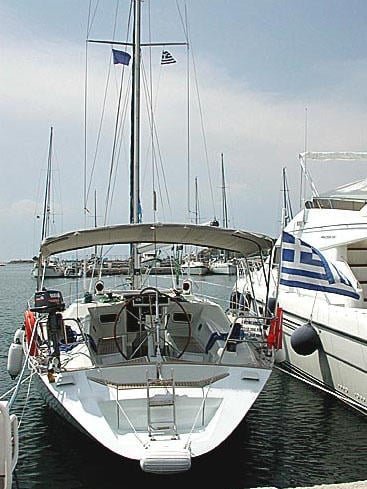
    Geographically, Halkidiki sits in Northern Greece, just southeast of Thessaloniki, and it stretches out into the Aegean like three “fingers”. Kassandra to the west is lively and organized, Sithonia in the middle is greener and wilder, and the Athos coast to the east is the monastic area you admire from the sea.

    What is “Chalkidiki” or Halkidiki 2026 holidays sailing packages and why should I choose it for my limited relaxing time?
    It’s one of the least known tourist areas of Greece, that has been enjoyed mainly by the people of Thessaloniki (a city known for the cuisine and lively nightlife). More and more travellers are starting to discover this largely unspoilt area with its unbelievable natural beauty, warm weather and fresh fish tavernas.

    Most visitors fly into Thessaloniki International Airport and drive down to Sithonia. The roads are good and well signposted, and once you reach the marina you stop thinking about traffic. If you are already staying in Kassandra, you can reach Neos Marmaras by transfer and avoid changing hotels, which is a small detail that makes the first day feel longer.

    Chalkidiki is a blessed place!

    Now when you go yachting and sailing instead of the road, it’s on another level. Sure some of the places you can visit them by car, but the best coves, islands and reefs are inaccessible, too far down the dirt road, or impossible to find unless you are on a yacht for your holidays. Not to mention the scenic little ports that are most enjoyed on a boat than any other way. Believe me, I have done it both ways. And some taverna restaurants you would never find them without your local skipper.

    On land, you spend time parking, walking in the heat, and hunting for a free patch of sand. On a yacht, you anchor where the water is cleanest, swim before the beach crowds arrive, and if the vibe is not right you move ten minutes and reset the whole day. Mornings in the lee of Sithonia can be glassy, and that first swim feels like cheating.

    One local detail people underestimate: a lot of the “secret” beaches in Sithonia are down long dirt tracks. In high season, cars get stuck, dust gets everywhere, and half a day is gone. By boat you arrive calm, you swim, you eat, and you leave with salt on your skin, not grit in your shoes. It is a diferent kind of holiday.

    Halkidiki holidays sailing packages is just that, great holidays.

    Here is the proposed itinerary. Halkidiki sailing holidays will take you on a tour of some of the most beautiful places and villages of Chalkidiki. The distances covered each day are not too large, so there will be plenty of time to get there sailing and make stops for swimming, snorkelling, relaxing, beach bar hopping, it’s everybody’s choice.

    In practice, “not too large” means you are not stuck doing long offshore passages. Most legs are short enough that kids stay happy, and adults still get a proper lunch stop plus a second swim. If you like snorkelling, bring your mask. Visibility is often very good outside the busiest bays. If someone wants to add diving, there are reputable local operators around and you can get a feel for what is possible on portoscuba.com.

    If you are planning around Greek long weekends, ask early. Halkidiki fills up fast with crews coming down from Thessaloniki, especially around Agiou Pneymatos. The dates change each year, so check

    Monday, June 1 2026

    and lock your preferred days while there is still a good choice of boats.

    Why Halkidiki sailing holidays for four days

    The 4 day trip has been designed for travellers that want to spend some time at a hotel and then on a yacht, or for people who want to get as much as possible out of the limited time they have for holidays. It’s the way to the best places to visit in Halkidiki

    It also suits people who want comfort without the full week commitment. You can do a couple of nights on board, enjoy the rhythm of anchoring and swimming, then finish with a hotel pool and a long shower. Couples love it because it stays romantic and quiet. Families like it because the days are structured but flexible. Groups of friends like it because you can mix beach bars with calm coves depending on mood.

    Where we start, and how boarding usually works

    Our base for this route is Neos Marmaras in Sithonia, on the western side of the peninsula facing Kassandra. Boarding is relaxed. We do a quick walk-through, a safety briefing, and we stow bags properly so the cabins stay tidy for the trip.

    Start times and return times can shift a little depending on weather, port traffic, and the exact yacht you choose. Keep your first day flexible and do not book anything tight right after disembarkation.

    Timetables, opening hours and routes can change without notice. Always double-check locally before you travel.

    On board, we keep things simple and safe. The sea here is friendly, but it is still the sea. Kids wear lifejackets when needed, we brief everyone on moving around the deck, and we do not cut corners.

    Sea and outdoor activities depend on the weather and your own fitness level. Always follow local safety advice and skipper instructions.

    Sailboat cruise to Kassandra, Sithonia route

    Vacation itinerary

    1. Departure from Neos Marmaras after 16:00 to a nearby heavenly Halkidiki beach to relax after a long day travelling to our base. Return to Marmaras for our local wine and cheese tasting. Marmaras is a Halkidiki nightlife hot spot!

      That first afternoon is all about switching off. A short hop, an easy swim, and you sleep close to town so you can walk the waterfront later. Neos Marmaras has bakeries for the morning, pharmacies if you forgot something, and plenty of places for a late drink. If you want quiet, we keep you on the calmer side of the harbour.

    2. Leave the morning and Explore Cassandra peninsula south-east. Stop at Pefkochori village for a coffee, Glarokavos, Golden beach, Hrousos, do some sailing, and dock at Miraggio Marina for spa and gourmet restaurants and the night.

      This day gives you the Kassandra feel without being stuck in Kassandra traffic. Pefkochori is a proper stop for a walk and a coffee, and it is an easy place to pick up extra water or snacks if you under-bought on day one. Glarokavos is a lagoon-like spot people love for photos, and the water is usually calm early. Later, when the breeze fills in, we stretch the sails and make the trip itself part of the holiday, not just the transfer.

      Miraggio is a more polished marina experience, which is nice for a change. If someone in the group wants spa time and someone else wants a cocktail and a shower, it works well. It is also a comfortable place to overnight if the forecast hints at stronger wind.

    3. Sail to the south most tip of Sithonia, Marathias beach, Porto Koufo for lunch, Toroni and Tristinika beaches and spend the night at Agia Kyriaki cove where there is a taverna for fresh fish.

      This is the day that makes people fall in love with Sithonia. The coastline opens up, the pine forests come right down to the sea, and the anchorages feel more natural. Porto Koufo is famous among sailors because it is a deep, protected natural harbour. Even if there is weather outside, inside it can be calm enough to eat lunch in peace. For local background and events, the Sithonia municipality site is a useful reference: https://www.sithonia.gr/.

      Toroni and Tristinika are classic Sithonia beaches with that mix of sand and clear water that makes the region so popular. In high season the beach can be busy from midday, but from the boat you still get space. We pick swim stops based on how the bays are breathing that day. Some afternoons the water is so clear you can see the anchor chain like it is floating.

    4. Early swim and return to Neos Marmaras by 10:00

      That early swim is the real luxury. The sea is cooler, the light is soft, and you often have the whole cove to yourself. Then we head back while the day is still young, so you can continue your trip by car, settle into a hotel, or head back to Thessaloniki for one more night of food and city life.

    Seasonal feel in Halkidiki

    Late spring and early summer are my personal favourites. Water clarity is often excellent, the evenings are comfortable, and the ports are not yet packed. July and August bring the warmest water and the most energy, plus more beach bars and more families on the move. September is the sweet spot for many couples and mixed-age groups. The sea stays warm, the sun is softer, and the anchorages feel calmer again.

    Wind-wise, we commonly get the “boukadoura” south-west sea breeze, usually around 8 to 14 knots, which is perfect for holiday sailing. Sometimes we get a healthy Meltemi from the north-east, but around Sithonia it is often milder on the leeward side. For official weather references in Greece, the Hellenic National Meteorological Service is the one to check: https://www.hnms.gr/.

    Best Halkidiki holidays package, ever!

    We decided not to hide any costs, so the prices include airport transfers, V.A.T., fuel, Skipper, bed linen & towels, toiletries, pretty much anything you will need. You don’t have to buy toilet paper, we have. Also, plates, glasses, forks and knives, pots and pans, the kitchen of the yachts is fully equipped. We even got you covered, for a first evening to start with a local wine and cheese tasting before going for dinner. And the skipper always has some nice surprises onboard so you ‘ll taste local produce. Remember all our local skippers have deep knowledge of Sithonia, Kassandra and mount Athos.
    We only didn’t include food and drinks and for good reason. After all, it’s your holidays and you should choose the quality of your food and beverages. So the first day the skipper will take you to a supermarket to get whatever you need. It’s close by and has a large variety of everything. Now there are two trends of yacht provisioning on Halkidiki holidays sailing packages:

    • I want to eat out system means you buy wine, fruits, sandwiches fillings, sodas, etc and you plan for the boat to be in a port every evening so you can have dinner at a taverna.
    • for the cook on board enthusiasts, buy everything (not to worry, the boats refrigerators are deep and big) and enjoy cooking. this means that the boat can stay to a scenic cove for the night if you want to live the experience.

    A practical note from the skipper side: soft bags work better than hard suitcases. They stow easily and keep the cabins neat. Bring reef-safe sunscreen, a light jacket for the evening breeze, and charging cables that actually reach the socket. If someone gets seasick, tell us before we leave. We can plan the first leg short and pick calmer water until everyone finds their sea legs, no heroics.

    I have to say that the actual route you will be doing may vary. It’s up to you really, you can even do a Sporades trip in 4 days. Just listen to your skipper, while on your Halkidiki sailing holidays, he knows what the coming day’s weather is, can very fast assess your waves movement tolerance and will suggest the most interesting and comfortable program for you.

    About fishing on your holidays to Halkidiki

    We exclusively do troll fishing on our day trips, sustainable practice with little impact on the fish populations.
    Read more information about it in this guide…>

    If we catch something legal and in season, we handle it properly and keep things respectful. No promises though. Most of the time the best seafood is still in the tavernas, grilled simply with lemon and olive oil, and you can taste the difference when it is fresh.

    A quick local picture of Halkidiki

    Halkidiki is a peninsulas series just South of Thessaloniki, a (1 million population) Northern Greece city. Mainland is a large mountainous area, but it also has 3 long and thin forested peninsulas with a lot of secluded beaches in Halkidiki and some small islands. One them is Mount Athos, an ancient monastic sanctuary, with 1000-year-old monasteries and a forbidden avaton for women. Last few years a number of small ports have been constructed making it a little-known yachting heaven.
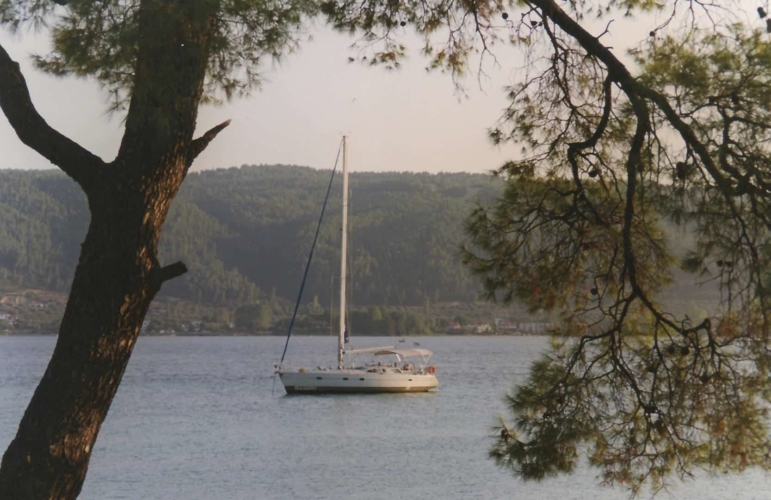
    From the deck, Athos is a special sight at sunrise, with the mountains behind the coastline and the monasteries tucked into the cliffs. We keep a respectful distance and follow local rules. If you want background on what you are seeing, this is a decent overview: https://en.wikipedia.org/wiki/Mount_Athos.

    Unlike other popular destinations that are blistering with yachts, its possible to find a place to dock any time, so you can stay and enjoy the sea until late. You don’t have to be at the port by 16:00 like it is in the Ionian sea (or you won’t find a spot for mooring). By the way, the sailing is better than Ionian as we do get a boukadoura south-west sea breeze, 8-14 Knots of the wind, every day. Exactly right for vacation sailing, novice or expert sailors. Sometimes we have a healthy Meltemi wind from the North East but it normally is much much milder around force 4 and on the leeward of Sithonia. And with the ports and coves no more than 10-15 NM it’s probably one of the safest places for sailing anywhere in the Mediterranean sea. No tides worth mentioning by the way.

    That spacing is a big deal. If someone wants a longer sail, we can do it. If someone is tired, we keep it short. And if the forecast changes, there is always a nearby plan B. This is why four days here can feel like a full week somewhere else.

    Why Halkidiki is great for Halkidiki holidays sailing packages

    Halkidiki, when you visit it and go around by car is a great vacation spot. You see it’s both south enough not to freeze a lot in the winter and has plenty of rainfall, so its magnificent pine forests can grow all the way down to the beach. By God’s design, the beaches are generally exposed to the harsh winter southerlies that grind the rocks to a comfortable sand, just thick enough to enjoy and not irritate (like the tropics). And the bays are large enough for the water to freely clean everything so you get the perfect combination of forest, beach and crystal clear waters. That is why every year hundreds of thousands of tourists come and enjoy it. Halkidiki sailing holidays is one of the easiest ways to have a short sailing trip.

    If you are here around Orthodox Easter, the atmosphere in the villages is something else, with candles, food, and families gathering late into the night. If that timing matters for your trip planning, check

    Sun, Apr 12 2026

    . Also, for general official travel info about Greece, the Greek National Tourism Organisation is a solid starting point: https://www.visitgreece.gr/.

    Who this four-day plan suits best

    This is how I see it after years on this coast. It works best for couples who want privacy and dinners ashore without rushing, families who want short passages and safe anchorages, friends who like a mix of beach bars and quiet coves, and nature lovers who care about clear water, pine forests, and that “not overbuilt” feeling that Sithonia still has in many areas.

    A few words about our crew and local knowledge

    Our local team of skippers, travel agents and scuba instructors with over 20 years of experience in Halkidiki is here to help you.

    That local knowledge matters most in small decisions: where the water stays clean after a busy day, which side of a bay is quiet when music carries, and which taverna is consistent even when the crowds show up. It is not about being fancy. It is about getting you a better day with less stress.

    If you want to book, ask questions first

    If you are choosing between a sailboat and a motor yacht, or you want to tweak the route for a birthday, a calm trip with grandparents, or more sailing time, just tell us. We will suggest what fits your group, not what looks good on paper.

    Not sure where to start? Contact our local travel agency for friendly, personalised advice, seasonal offers and travel options.

    call us: +306980700070

    send a message via WhatsApp

    call or text us on Viber

    send a message via Messenger

    Don’t forget to mention:

    • Number of persons, possible dates
    • The hotel you’ll be staying
    • The activity you are interested in

    Have a look to our seven days Halkidiki holidays sailing packages if you have more days to relax.

    For more information, you can have a look at our pages about 2026 Halkidiki sailing holiday packages

    If you are already in Halkidiki and you just want a taste of it before committing to a multi-day charter, we also run easy day sails with the same philosophy: swim well, eat well, and keep the route comfortable.

    If you’d like to explore the coast, ask us about day trips at sea and sailing boat options.

    Halkidiki boat hire – day sailing yacht charter cruise of Chalkidiki. Rent a sailboat for a day with a skipper for your 2026 summer holidays.

    Sailing around the “legs” of Halkidiki for a day is one of those trips you talk about long after you go home. Pine trees down to the sea, turquoise water, and that quiet moment when the engine is off and you move only with the wind. We leave in the morning from Neos Marmaras port, Porto Carras marina, or Pefkochori pier at 11:00 for a sailing tour of Toroneos Gulf.

    Neos Marmaras is on the west side of Sithonia, facing Toroneos gulf, so the route is naturally protected and full of small bays. If you drive, come a bit earlier because parking around the port can get busy, esp in August weekends. If you stay in Sithonia, the roads are scenic but curvy, so leave extra time if you have kids in the car.

    Start times and pickup points can shift a little depending on weather, port traffic, and which pier is best that day.

    Timetables, opening hours and routes can change without notice. Always double-check locally before you travel.


    Halkidiki boat hire region sailing boat charter, the top of Halkidiki activities

    This region, Chalkidiki is sailing heaven. In the summer of 2026 holiday season, every day, a sea breeze is forming from midday to sunset. Just strong enough for pleasurable sailing, exactly right for novice sailors to enjoy the amazing feeling of moving on the water with the wind. No motor, just you and nature. Halkidiki region is blessed with great beaches, and a pine forest coming down to the seaside. The weather is typical Geek summer hot weather. So a boat charter, a trip to Sithonia or Kassandra with a skipper on board one of our sailing boats, is a must if you are planning to spend your holidays in our area.

    From a skipper point of view, Toroneos gulf is ideal for day trips because you get real sailing time without spending the whole day crossing open water. Mornings are often calm and glassy, perfect for an easy first swim. Around noon the boukadoura sea breeze builds, and that is when we get the nicest sailing stretch, with steady wind and a comfortable angle along the coast.

    If you like checking conditions before you book, use an official forecast like meteo.gr. Weather changes fast inside the gulfs, and it helps you understand why some days we sail more and other days we choose extra swimming stops.

    Thessaloniki day sailing trips

    It sounds maybe too far 1:15 transfer time to get to Neos Marmaras from Thessaloniki, but it is really worth it. Even the drive through the beautiful pine forest on the way to one of the best experiences you ever had on the water is part of the full day you will be having if you choose this excursion. It is rated as one of the best Halkidiki excursions on Tripadvisor

    We can help you get a rental car or a transfer via our partners. If you want a quick geography overview before you arrive, Chalkidiki on Wikipedia is handy, and for official travel info in Greece, start from Visit Greece.

    Halkidiki day sailing – Yacht charter starting point

    Access to the embarkation point of Neos Marmaras, Sithonia, Halkidiki – Greece is easy from Gerakini, Psakoudia, Metamorphosis, Nikiti, Akti Elias, Lagomandra, Vourvourou, Ormos Panagias, Agios Nikolaos, Pyrgadikia, the 2nd leg of Halkidiki – Sithonia in general, where we start our sailing tours. From the 1st leg of Kassandra, we use Pefkochori(ex Kapsohora) pier for guests from N. Moudania, Nea Fokea, Athitos(Afitos), Sani, Kallithea, Kriopigi, Polychrono, Haniotis, Paliouri, Loutra Agias Paraskevis, Skioni, Possidi, Fourka, and Siviri boat charter
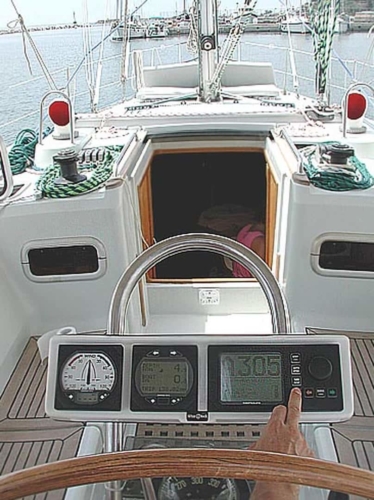
    If you are staying on Kassandra, pickup from Pefkochori is the easiest way to avoid driving all the way around the gulf. If you are staying in Sithonia, Neos Marmaras and Porto Carras are straightforward, and you also get a nice walk around the port before we leave.

    Itinerary of the Halkidiki day sailing from  Sithonia

    Kelyfos is also known as Helona (means Turtle or черепаха) is our first stop. Swim the crystal clear waters or snorkel as the rocky bottom has a lot of life to observe. After that, the time for the usual sea breeze is up and we open sails for the south to Gerochristos island and Lemos beach. Here the sandbar that connects the peninsula with the mainland has the sea on both sides. The beach has been visited by famous movie star yachts. Used to be just ours, but now everybody wants to visit Angelina Jolie beach. Next, it’s time for our stop at a Taverna. You can enjoy your sandwiches on the yacht or order fresh fish at the Taverna.  After lunch, we tour the secret coves south of Neos Marmaras and stop for one last swim before returning to one of the most scenic beaches of Halkidiki, Kamenos. Here the green of the trees comes all the way to the clear waters.

    Kelyfos is a classic first swim because it is close enough to reach without rushing, and the snorkeling is honestly better than most people expect. If you bring your own mask, perfect. If not, ask us early and we can usually help with basic gear. In the coves south of Neos Marmaras, the water often turns bright emerald when the sun is high, and you will see small fish around the rocks.

    The Itinerary may change because of the weather or if the guest likes to do something else, for example, eat lunch on the way for more sailing time.

    If you want to add a proper underwater experience on another day, have a look at portoscuba.com. It is a good local reference for diving in Sithonia, and it pairs really well with a sailing holiday without trying to squeeze everything into one trip.

    Halkidiki sailing day trips and excurtions. Beneteau 12m at Chalikidi blue lagoon waters


    call us: +306980700070

    send a message via WhatsApp

    call or text us on Viber

    send a message via Messenger

    Don’t forget to mention:

    • Number of persons, possible dates
    • The hotel you’ll be staying
    • The activity you are interested in

    About fishing on your Halkidiki boat hire day trip

    We exclusively do troll fishing on our day trips, sustainable practice with little impact on the fish populations.

    If you are interested, tell the skipper at the start. Fishing depends on conditions and route, and we never make it the main focus of the day unless the whole group wants it. Most guests prefer swimming and sailing, and maybe a short try when we have the right speed and depth.

    Read more information about it in this guide…>

    Sailing from Kassandra, Hrousos pier at Paliouri beach, Miraggio marina or Pefkochori (ex Kapsohora) pier for a private day trip

    Go sailing to get away from the tourist crowds of Kassandra for a day. Charter one of our yachts. Enjoy the sun the sea and the breeze like never before.

    call us: +306980700070

    send a message via WhatsApp

    call or text us on Viber

    send a message via Messenger

    Don’t forget to mention:

    • Number of persons, possible dates
    • The hotel you’ll be staying
    • The activity you are interested in

    Kassandra is the busier peninsula in summer, with more big resorts and beach bars. A private sailing day is the fastest way to find quiet water again, especially if you are traveling as a couple, a family, or a group that wants space and privacy.

     Starting point

    From Sani, Fokea, Potidea, Nea Moudania, Kalyves, Afytos, Kalithea, Kassandria, Siviri, Posidi, Siviri, Paliouri, Miraggio, Hrousos, Hanioti, Polychrono, Kryopigi, the 1st leg of Kassandra in general, we use Hrousos pier at Paliouri beach, Miraggio marina or Pefkochori (ex Kapsohora) pier for pickup.

    If you are unsure which pickup point is best for your hotel, send us your location and we will tell you what makes sense for the day. It saves time and it keeps the start relaxed.

    Not sure where to start? Contact our local travel agency for friendly, personalised advice, seasonal offers and travel options.

    Itinerary of the Halkidiki day sailing from Kassandra.

    • We pick you up from Hrousos pier at Paliouri beach or Pefkochori (ex Kapsohora) pier at 11:00 in the morning.
    • We visit the spalathronisia area, laimos beach, and the Gerochristou island peninsula, The water is warm and crystal clear. Away from the tourist crowds.
    • Then we stop at Neos Marmaras to visit or have lunch at “Ta Kymata” taverna restaurant for fresh fish or whatever local delicacy you would like to try (the best in Halkidiki).
    • Then last stop at Kelyfos island before returning back at 19:00.

    That 11:00 start is not random. Early mornings in Toroneos are often calm, which is great for a swim, but not for sailing. Around noon the breeze fills in, and that is when we get the best sailing time. If the forecast shows a stronger Meltemi, we adapt the route and keep it comfortable, especially if you have children or someone who does not like waves.

    This package of private sailing days is ideal for birthdays, anniversaries and any kind of party you can think of.

    • Surprise your loved one or friend
    • Let us know to take care of the cake, champagne, wine or any other surprise you like.

    The only things that you really need are a hat, swimsuit, beach towel, suntan, and sunglasses. If you burn easily, bring a light long-sleeve too, because the breeze makes you forget the sun. Also bring a dry top for the ride back, it can feel cooler on the water even on hot days.

    The highlight of your holidays starts here – charter a luxury sailing yacht.

    All boats have a minimum of 8 guest capacity, WC, hot water, fully equipped kitchen, safety equipment, Radio CD player, Bimini top (tent over the cockpit), cockpit pillows/ One cabin is at your disposal to store your stuff, change clothes, for the kids to rest, etc.

    On board, we keep things simple and comfortable. Shade when you need it, sun when you want it, and enough space to move around without stepping on each other. Families like that kids can swim in calm water and then rest in the cockpit. Couples like the quiet moments under sail. Groups like that you are not stuck to a loud schedule like the big boats.

    Safety is not a speech, it is the routine. Briefing before departure, clear rules for swimming stops, and we keep an eye on weather all day.

    Sea and outdoor activities depend on the weather and your own fitness level. Always follow local safety advice and skipper instructions.

    Halkidiki activities: What about fishing during our day trip?

    Our Jeanneau 11m is very well equipped for fishing with equipment for both, light troll for Palamida ( a mackerel type of fish) as well as tuna game fishing in Halkidiki. Some of the other yachts are also equipped for light troll fishing. We only do this type of fishing as it’s the best way to actually catch something big enough to have fun in the middle of the day. All other types of fishing require you to start the trip way too early before the sun rises, and normally, most people don’t want to do this on their holidays.

    If fishing is important for your group, mention it when you book so we put you on the right yacht and plan the day around it without ruining the relaxed pace. For most guests, a short try between stops is more than enough.

    Why we sail at west Sithonia trip

    • It’s an area that is very beautiful.
    • With a lot of secret coves inaccessible by a car that you can swim and enjoy alone, for guests that like privacy.
    • It has a few beach bars with a character that only the local Greeks know about for guests that like to party.
    • The winds are generally mild and boukadoura wind (sea breeze) comes from the south at about 12:00 and it’s just right for sailing. That is the main reason that we don’t start the tour earlier as usually there is zero wind early in the morning.
    • If the Meltemi wind is a bit strong we can sail close to land and avoid a bumpy ride, or use it to sail better, and faster.

    This is why we choose Neos Marmaras, Sithonia, and Halkidiki – Greece for our base. This also gives us the opportunity to pick people up from the Kassandra peninsula and take them away from the crowded beaches to some of the most beautiful Sithonia areas.
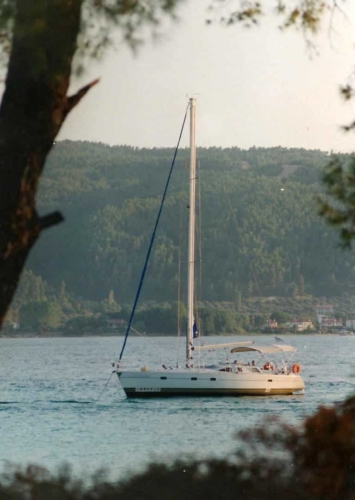
    West Sithonia also gives you that classic Halkidiki look. Green hills, rocky points, and small beaches that are hard to reach from the road. In high season, the popular beaches on land fill up fast, but on a yacht you just slide into a calm bay, drop anchor, and it feels like you found your own spot.

    Motor yacht Halkidiki boat hire trips

    We can also offer motor yacht trips, please check our “Halkidiki 2026 VIP motor yacht day trip” page for more information.

    Motor yachts are a good fit if your priority is covering more distance with less dependence on wind, or if you want a very specific lunch stop and extra time at anchor. Sailing yachts are for guests who want the feeling of the boat working with the breeze, and a slower rhythm.

    Half-day sailing trips in Kassandra or trip Sithonia, Halkidiki region

    We do not recommend Private half-day or less than 5 hours trips as we feel we would be cheating our guests. Simply there is not enough time to see the best places in the area (which, unlike Fokies and Afytos, has a lot more to see than cliffs). Not to mention that you are chartering a yacht to relax, not run from beach to beach because there is not enough time. The price difference is not that big, to begin with.

    A proper day gives you time to do it right. One long swim, one easy sail, a relaxed lunch, and another swim without watching the clock. With only a few hours, you spend most of it getting out and back, and you miss the best part, the slow pace.

    What about Mount Athos, can we include a tour of it in our itinerary?

    Unfortunately, Mount Athos is just too far away from our base to include a tour of it in our route. Actually, there is no place in Halkidiki where we could start that would make a tour of Mt Athos a good idea for a sailboat route. At the closes places like Skala Sykias you need about 2h to go and 2:30h to come back, plus at least 2h tour. this means that for more than 6:30h the boat will be sailing (or early in the morning probably motoring) without the possibility to stop for swimming. So our guests would spend most of the day out in the sun, no swimming, no stop to relax and lunch. Been there, done that, and nobody was happy. Keep in mind that you see the monasteries at a distance of at least 500m (it is prohibited to go closer to land and regularly enforced). The monasteries are fantastic, but it’s like looking at the Parthenon from the nearest hill, not the same as actually being in it. So we recommend getting one of the big boats from Ormos Panagias and spending a morning seeing Mt. Athos. And another day relaxing on the water with us.

    If you are planning your trip around Greek holidays, keep in mind that roads and tavernas can be extra busy, and marinas have more traffic. For Orthodox Easter dates, check

    Sun, Apr 12 2026

    . For the Holy Spirit holiday weekend, check

    Monday, June 1 2026

    . Those are popular times for Greek families to travel, so booking earlier helps.

    Your 2026 Halkidiki yachting vacation

    If you want a week that feels like real Northern Greece, not just a hotel balcony, get on a boat in Halkidiki. From Neos Marmaras we can be in clear water fast, with short hops, calm nights, and a different view every morning. It is the kind of place where even first-timers relax quickly, because you are never far from a protected bay.

    Sail Chalkidiki a great way to discover yachting.

    The beauty of Halkidiki sailing holidays in Northern Greece is unparallel. You can discover by chartering a sail or a motor yacht. The yacht’s base is in Porto Carras Marina, at the second ‘leg’ of Halkidiki, called Sithonia. Our skippers are very experienced and have an in-depth knowledge of not only Chalkidiki area, but of the Northern Sporades, Limnos, Samothraki and Thasos.
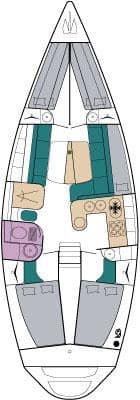
    Geographically, Halkidiki sits south-east of Thessaloniki, like three fingers reaching into the North Aegean. That shape is perfect for cruising because you can always find a side with smoother water depending on the wind, and you are never too far from a safe harbor or a quiet anchorage. The winds are usually mild and there are a number of coasts to visit, accessible only by sea.

    How to reach the base is simple. Most guests fly into Thessaloniki Airport (SKG) and drive down. Neos Marmaras is roughly a 1.5 to 2 hour drive depending on traffic, with the last part being a scenic road through pine forest. If you come by car, parking around the port is usually ok, but in July and August it gets busy, especialy on weekends, so arrive a bit earlier and keep it stress-free.

    There are a lot of small fishing villages all around Halkidiki that provide safe ports of unique beauty and fresh fish. The first peninsula, Sithonia, is more vibrant with bars, clubs, taverns and festivals. The weather is generally great and hot from May until late September. It is an easy and relaxing sailing destination with many coasts to visit and swim or dive in crystal clear waters.

    There are a lot of touristic facilities and the two big private marinas, one in Porto Carras and the other at Sani beach hotel, can provide you with anything that you might need. Also, the best way to see the beauties of the third peninsula, Mount Athos, and admire the old monasteries built on rocks, with amazing natural surroundings is by the sea since no women are allowed to visit the land.
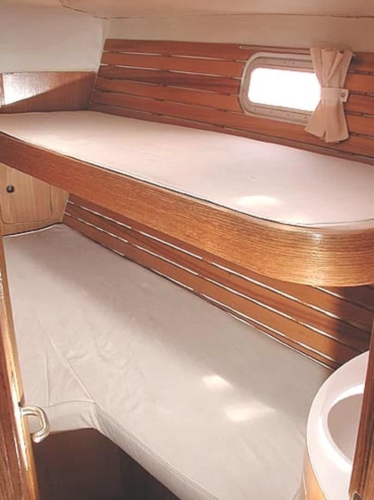
    For weather and wind you can always check official sources before you travel. The Hellenic National Meteorological Service is the one I trust for the bigger picture, and then we fine-tune the plan day by day on the water. If the forecast shifts, we do not fight it. We just pick the nicer side of the peninsula and keep the week smooth.

    Halkidiki is perfect for yachting

    Halkidiki is perfect for sail or motor yacht holidays because:

    • the winds are generally mild

    • has a lot of natural ports where you can spend the night

    • offers a variety entertainment both intense and relaxing

    • open sea game fishing, diving

    • coasts inaccessible by land with pine tree forests touching the sea

    • many traditional villages and historical sites to visit

    • can have both family and group of friends holidays

    • safe sailing routes for small children and people with disabilities

    What this means in practice is fewer long open-sea crossings and more time for the good stuff. Morning coffee in a quiet bay, a swim before lunch, then a short sail to the next spot. If someone gets seasick easily, Halkidiki is one of the friendliest places to start because we can keep legs short and stay in sheltered waters.

    Families love it because kids can swim almost every day and still sleep in a proper harbor when needed. Couples love it for the sunsets and the privacy at anchor. Groups of friends like the mix of beach bars in Kassandra and the quieter, wilder feel of Sithonia. And for anyone into underwater life, water clarity is often excellent, especially away from the main beaches after mid-morning boat traffic.

    If you want diving or snorkeling with a bit more structure, Halkidiki has a strong local scene. For scuba services and local knowledge you can also have a look at portoscuba.com, especially if you want to combine sailing days with proper dives when conditions allow.

    Halkidiki sailing package consists of a seven-day sailing trip starting from Neos Marmaras or Porto Carras Grand Resort Marina and takes you around both three peninsulas with many stops in remote beaches for swimming and many fresh fish taverns. During the night you can either choose to party on board or visit the crowded clubs and beach bars onshore. You will have a great time. And it so much cheaper to spend your holiday with a sailing yacht that to rent rooms or hotels and be stuck in the same place all the time.

    Seasonally, May and early June feel fresh and green, with cooler nights and very comfortable sailing. July and August are hot and busy, with warmer sea temperatures and lively ports. September is a favorite because the water stays warm, the light is softer, and the bays calm down again. If you are thinking about coming around Orthodox Easter, it changes date every year and it can be a beautiful time to be in Northern Greece, with local food and traditions in the villages:

    Sun, Apr 12 2026

    . For Agiou Pneymatos, locals often take a long weekend and the marinas can fill up quickly, so it is smart to plan ahead:

    Monday, June 1 2026

    .

    If you want official inspiration for the wider region beyond the boat, Visit Greece is a solid starting point. For Mount Athos background and rules, the official Holy Community site is helpful: mountathos.org.

    And don’t forget sailing!

    The vacation package offered, includes the sailing or motor yacht, skipper, port, marina fees, fuel and water. The boat’s kitchen is fully equipped and you can shop from the port and cook on board.

    Before we cast off, we do a quick briefing and a practical check of what matters on a yacht. How to move safely on deck, how we use the dinghy, where the lifejackets are, and what we do if the weather shifts. Kids are welcome, and for guests with mobility limitations we keep things simple and safe, choosing easy docks and calm anchorages when possible.

    Sea and outdoor activities depend on the weather and your own fitness level. Always follow local safety advice and skipper instructions.

    Provisioning is easy in Neos Marmaras. You have supermarkets, bakeries, and fresh fruit close to the port. If you like seafood, the fishing villages around the peninsulas are the real highlight. We can plan dinners ashore, or you cook onboard and eat under the stars. Some crews do both, depending on mood and how tired everyone is after swimming all day.

    Ports, start times, and what changes day to day

    The itineraries below are a solid base, but the sea decides the final version. Wind direction, heat, and how crowded a bay is can change our plan. Sometimes we leave a bit earlier for a quiet swim, sometimes we stay longer because the water is just too nice to go. If the crew wants more sailing time, we add miles. If the crew wants more beach time, we keep it short and sweet.

    Timetables, opening hours and routes can change without notice. Always double-check locally before you travel.

    Sailboat cruise to Kassandra, Sithonia, Mount Athos, Diaporos, Ammouliani route

    7 days Vacation itinerary

    1. Departure from Neos Marmaras at 17:00 to Potidea, pass through the canal to Thermaikos gulf and Nea Moudania port to stay for the night

    2. Sail to Sani resort marina for a coffee, Cape Possidi to swim and other beaches and stop at Skioni fishing port for the night.

    3. Cruise around Kassandra towards Sithonia stop at Marathias, Kalamitsi, Kriaritsi beach before dropping the iron to Skala Sartis for the night.

    4. Sail to Amouliani Island passing in front of West Mount Athos Monasteries (optional). swim at Alykes or Karagatsi beach and stay at Ouranoupolis for the night.

    5. Sail to Diaporos and Vourvourou area, stop at many unbelievable places, like the blue lagoon and stay at Ormos Panagias Or Kryfo cove for the night.

    6. Sail around Sithonia and stops at Armenistis, Platanitsi, Kavourotrypes, Klimataria.

    7. Return all the way to Porto Koufo and its fresh fish taverns. Sail West Sithonia Back to Neos Marmaras

    A few local notes for this route. The Potidea Canal is always a fun pass, and it is a nice way to feel you are properly starting the trip. Around Sani and Possidi you get beautiful sand and long shallow water, great for an easy swim. Skioni is a classic fishing port stop with proper tavernas and a relaxed evening walk.

    On the Sithonia side, Kalamitsi and Kriaritsi are known for clear water and rock formations, great for snorkeling. Vourvourou and Diaporos are the postcard part of Halkidiki, with calm turquoise bays when the weather is right. In peak season they are popular, so we go early or we choose a quieter cove nearby. Porto Koufo is a very safe natural harbor and one of the best places for a fresh fish dinner when the crew wants a comfortable night.

    For the Athos coast day, we keep it respectful and by the rules. Viewing the monasteries from the sea is a unique experience, and it is also the only way for women to enjoy that coastline because access on land is restricted. If you want general historical context before you come, Mount Athos on Wikipedia is a decent overview.

    Let us make your special 7 days program Kassandra, Sithonia, Mount Athos, Ammouliani, Diaporos route or 4 Days program Kassandra and Sithonia Route

    The 4-day sailing trip Halkidiki sailing package consists of a starting from Neos Marmaras and takes you around both peninsulas with many stops in remote beaches for swimming and many fresh fish taverns. During the night you can either choose to party on board or visit the crowded clubs and beach bars on shore. You will have a great time. And it so much cheaper to spend your holiday with a sailing yacht that to rent rooms or hotels and be stuck in the same place all the time.

    If you are not sure about a full week, the 4-day plan is a great taste of the area. It also works well for long weekends, celebrations, or when you want to combine sailing with a couple of nights in Thessaloniki. Kassandra gives you the lively side, Sithonia gives you the nature and the quiet anchorages, so you still get both moods.

    If you tell us your crew style (more swimming, more sailing, more tavernas, more quiet nights), we shape the route around it. Some guests want early starts to catch empty bays, others want slow mornings and late departures. Both work here, and that flexibility is the real luxury.

    If you’d like to explore the coast, ask us about day trips at sea and sailing boat options.

    We can also help you choose between sailboat and motor yacht depending on your group. On motor yachts the days can include more stops and less time underway. On sailboats we aim for a nice balance, enough sailing time to enjoy it, but never so much that it feels like a delivery. If someone in the crew wants to learn, I am happy to show the basics, trimming, steering, and anchoring, step by step and without pressure.

    What to bring on board (and what not to)

    Keep luggage soft, not hard suitcases, because storage is limited. Bring a light jacket for evenings in May, early June, and September. Reef shoes are useful on rocky entries, and a mask and snorkel are always worth it here. If you are sensitive to sun, a long-sleeve UV top makes a big difference after day two, trust me.

    Please avoid bringing too many glass bottles. Cans and plastic are safer on deck, and we always manage waste properly when we are back in port. If you have special food needs, tell us before you arrive so we can plan the first provisioning stop without running around last minute.

    Who this trip suits

    Halkidiki works for first-timers because distances are friendly and there are plenty of sheltered options. It suits families who want safe swimming and short sails, couples who want quiet coves and sunsets, and groups that want beach bars one night and a calm anchorage the next. Nature lovers usually prefer Sithonia and Diaporos, while people who enjoy nightlife tend to lean more to Kassandra.

    Local crew, local habits

    We are not a random boat that shows up for the season. We live here, we know which bays get swell with a north wind, which harbors fill up on Sundays, and where the best swim is when the meltemi decides to visit the North Aegean for a day or two.

    Our local team of skippers, travel agents and scuba instructors with over 20 years of experience in Halkidiki is here to help you.

    Booking and questions

    If you want, send us your dates, how many people, and whether you prefer sail or motor. We will reply with the best route for the season and your crew, plus what to expect for sleeping in marinas versus anchorages.

    Not sure where to start? Contact our local travel agency for friendly, personalised advice, seasonal offers and travel options.

    North Sporades sailing, summer, 2026 reviews

    If you want a week on the water that actually works for kids, couples, and mixed groups, the North Sporades are one of the easiest wins in Greece. From Halkidiki we do one proper open-sea leg, then the rest is protected bays, small ports, and clear swim stops.

    I run these routes out of Sithonia and what I like most here is the balance. You get real sailing when the breeze is right, but you also get calm anchorages and short hops when the family wants a slower pace, and that keeps everyone smiling.

    Vacation for all the family

    One of the greatest sailing destinations in Greece is North Sporades, a group of islands in the Northern part of the Aegean Sea, located about 40 NM of the mainland. The winds are mild the weather is typical great from May until October. There are plenty of places to visit at the three top Islands Skiathos, Skopelos, Alonissos and the smaller Pelagos or Kira Panagia and the uninhabited Peristera, Skantzoura, Yioura, Piperi, and Psathoura.

    Geographically you are in the north Aegean, but the feel is greener than the Cyclades. Pine comes down close to the sea, and in many coves the water stays a deep blue even when the sun is high. For families, that means comfortable swim stops with shade nearby, and for snorkelling it means good visibility on calm days.

    How to reach it is simple and usually stress-free. Most guests fly into Thessaloniki and drive down into Halkidiki, then continue to Sithonia. Neos Marmaras is practical for boarding because you have parking, supermarkets, bakeries, and last-minute bits close to the marina area. If you are already on Skiathos by plane, you can still do the islands by boat, but the classic multi-day route from Halkidiki gives you that proper “voyage” feeling from the start, and the kids love the first long sail.

    The NE part of the island complex is a National Wildlife Park, famous as one of the last breeding places of the Mediterranean Monk Seal (Monachus monachus).

    This protected zone is the National Marine Park of Alonnisos and Northern Sporades, and it is the reason we keep our distance from certain caves and islets, and we stay quiet in specific anchorages. If you are travelling with nature lovers, it is a big highlight, even if you only feel it in the silence and the wild coastline. Official info and rules are here: National Marine Park of Alonnisos and Northern Sporades.

    The Northern Sporades are perfect for sailing and motor yachting because:

    • there are a lot of safe and equipped ports
    • Mild winds, ideal for sailing
    • plenty remote protected gulfs to spend the night on anchor
    • many beautiful traditional villages to visit
    • An unlimited number of beautiful beaches, some private and some organized with beach bars, lifeguards, etc.
    • Easy access
    • great food ( Skopelos is famous for its pies, Skiathos is famous for its goat meat, and Alonissos is known for the fresh fish )
    • unbelievable sunrises and sunsets
    • open sea game fishing
    • vibrant nightlife at Skiathos and Skopelos

    A practical note from the helm. In summer you will often see a light to moderate northerly pattern and the sea state is usually friendly compared to more exposed Aegean routes. Still, the open leg between Sithonia and Skopelos can kick up if a system passes, so we plan departures with a weather eye and we keep the first day flexible. For official forecasts, check the Hellenic National Meteorological Service.

    Seasonal feel matters a lot here. May and early June are my favorite for quiet ports and clear water, cooler nights so you sleep well. July and August are lively, especially Skiathos town and Skopelos harbour, and you need earlier arrivals for the best spots. September is a sweet spot again, warm sea, less noise, and sunsets that feel slower. If your trip lands around big Greek holidays like

    Sun, Apr 12 2026

    or

    Monday, June 1 2026

    , expect fuller marinas and more local travel, so we adjust the plan and choose calmer bays.

    Who it suits. Families who want safe swim stops and easy walks in town, couples who like a mix of quiet bays and a proper dinner ashore, groups who want a bit of nightlife without committing to it every night, and nature lovers who want the marine park side of Alonnisos. It also works for older travelers because once you are in the islands you can keep daily distances short, and there is always an option for a calm evening in a sheltered gulf.

    Sporades sailing package

    The Sporades sailing package consists of seven – day sailing. The journey starts from Porto Carras Grand Resort Marina in Halkidiki and takes you around most of the North Sporades islands, with plenty of stops for swimming, snorkelling, sunbathing. It’s a dream holiday.

    On board, the rhythm is easy. We sail a few hours, drop anchor for a long swim, then move again when the sun is softer. Kids usually love the routine because it is simple, and there is always something to do, mask and fins, a bit of fishing, or just floating around the boat. If anyone in the group wants to add a proper dive day, a good local reference for planning is portoscuba.com, especially for the Halkidiki side before or after the trip.

    Sailing the Sporades with a sailing boat is a cheap and alternative way to spend your holiday than to spend a week in just one island staying at a “rent a room”. Especially if you consider the cost of ferrying yourself and your automobile to the aisle.

    It is also a different kind of holiday. You do not pack and unpack every two days, you do not sit in ferry lines, and you are not stuck with one beach. If the wind is wrong for a spot, we go somewhere better. If the kids are tired, we shorten the day. That flexibility is what people remember, even more than the photos, and it makes a mixed group work without drama.

    Before we cast off, we usually do a provisioning run in Neos Marmaras or nearby. Fresh fruit, easy breakfasts, snacks for the cockpit, and a few simple meals for nights when you prefer to stay at anchor. Soft bags are better than hard suitcases because they stow easily, and a light jacket is smart even in August because the evening breeze can feel cool after a long swim, trust me.

    And don’t forget the sailing!

    The vacation package offered, includes the sailing boat, skipper, port and marina fees, fuel and water. As the boats have a kitchen is fully equipped, it is possible to cook on board.

    You can keep it relaxed, but it is still real seamanship. We do a short briefing, show you where everything is, and explain how we move on deck and how we use the dinghy. If you want to learn, I am happy to let you take the helm, trim a sail, or help with mooring, always when conditions are safe and the crew is comfortable. Some guests come with zero experience and by day two they are doing the basics with confidence, and it feels good.

    Sea and outdoor activities depend on the weather and your own fitness level. Always follow local safety advice and skipper instructions.

    If anyone gets seasick, tell me early. We plan the first leg smart and keep everyone happy, no hero stuff. And if you are travelling with small kids, I always suggest bringing their favorite snacks and a thin long-sleeve for the afternoon sun, because on the water you feel it later and then it hits.

    Unforgettable yachting holidays!

    Skiathos, Skopelos, Alonnisos sailing cruise itinerary.

    This is the classic loop we run from Sithonia to the islands and back. It is designed for a mix of sailing time, beach time, and evenings ashore, with enough flexibility to avoid crowds when needed. If the group wants more quiet bays and less town, we do that. If you want a lively night, we plan for it.

    Timetables, opening hours and routes can change without notice. Always double-check locally before you travel.

    • Leave Neos Marmaras at 17:00. Make sure your stuff is tidy in the cabins, and we set sail for Glossa at Skopelos for the night. Along the way, we stop at The Southern edge of Kassandra and try our luck with trolling fishing for tuna (10-12 kg when in season)
    • Next morning sail to Skiathos, have a coffee, do some shopping and then visit some famous beaches like Koukounaries. early in the evening, we return to Skopelos and Neo Klima small fishing port with its fish taverns.
    • Sail around Skopelos to the Hora with stops at “Mama Mia” beaches Kastani, Panormo, Staphylo, Elia. Spend the night at Skopelos harbour to see the island and its nightlife. Good morning with a local pie.
    • Visit The North East of Skopelos and Southwest of Alonnisos beaches. Return to Skopelos Port for the night.
    • Sail to Alonnisos and early stop at Steni Vala, so you can take the bus to Alonissos Chora one of the best preserved traditional Aegean villages. Return for fresh fish at the Steni Vala tavernas.
    • Sail to Kyra Panagia and the remote area of the marine wildlife park of Monachus – Monachus Mediterranean seals. Sail to Agios Petros cove and spend the night at Planitis safe cove.
    • Return to Sithonia, stop at Psathoura small island with its lighthouse and Marathias beach on the way to and Porto Koufo fishing village. Then sail the west side of Sithonia and Return toy Neos Marmaras where we spend the night.
    • Leave the yachts by 9:00 in the morning.

    A few skipper notes to make this itinerary even better in real life. Glossa is a good first-night target because it lets us arrive without rushing, and you wake up already inside the island complex. Skiathos can be busy in high season, so we go early for coffee and supplies, then we escape to beach time. Koukounaries is famous for a reason, sandy, shallow, and family-friendly, but it is also popular, so timing is everything and we do not hang around the peak hours.

    Skopelos Hora is the evening that usually wins the trip. The harbour promenade, the steps up into the old town, and the viewpoints above the roofs are worth it. If you like a bit of background on the islands, this is a simple starting point: Northern Sporades. Not perfect, but it helps you place the names before you arrive.

    On Alonnisos days, the vibe changes. More quiet, more nature. Steni Vala is a comfortable stop and it works well for families because it is easy to go ashore and back. Alonissos Chora is the kind of place you walk slowly, take photos, and stay for a relaxed dinner. In the marine park area we keep the boat tidy and the noise down. Sometimes you see wildlife, sometimes you do not, but the feeling of being in a protected zone is special, and you can feel how different it is from the busy ports.

    Back in Sithonia, Porto Koufo is a proper natural harbour and a good place to reset before the last sail. If the group wants a final swim, the west side of Sithonia has clear water and nice light late in the day. Then we return to Neos Marmaras for the last night so disembarkation is easy and nobody is running around in the morning with bags, thats the plan.

    Skiathos, Skopelos, Alonnisos map

    The itinerary may change because of the actual weather or Guest request. The skipper will advise for best route and place to see. You may decide not to visit crowdy islands in the foul season to spend more time in the remote areas. They are unspoilt and unique.

    That flexibility is important. Some weeks the best plan is more Skopelos and Alonnisos with extra anchor time. Other weeks you want one louder night in Skiathos and then quiet again. Tell me what your group likes, swimming all day, village walks, fishing, or just a calm cockpit with a book, and we shape it around that.

    For a bit of official destination info while you plan, you can also check the Greek National Tourism Organisation site: visitgreece.gr. It helps with the big picture, then we handle the local details on the water.

    If you’d like to explore the coast, ask us about day trips at sea and sailing boat options.

    2026 Fishing in Toroneos Gulf between Kassandra and Sithonia

    Toroneos Gulf sits right between Kassandra and Sithonia, and that geography makes a fishing day trip here feel easy. Deep water comes close to shore, you have structure, currents, birds, and plenty of options without wasting the morning on long transit.

    Most guests want real trolling time, but also a proper holiday day on the sea. So we keep it balanced. A few focused passes where the fish usually move, a swim stop when the water is clear, and if you like, a simple onboard lunch that smells like Greece.

    About fishing on your day trip

    We exclusively do troll fishing on our day trips, sustainable practice with little impact on the fish populations.
    Read more information about it in this guide…>

    Get ready to experience and have fun with a game fishing day trip. Our experienced captains will take you to places with plenty of fish and especially tuna not very far from the coast. For those with no previous experience, we will fully inform you on the methods of game fishing, how to use fishing gear and how to find fish. A typical tuna size is 8 Kg and more. The boat takes off early in the morning from Neos Marmaras or Pefkochori. The only thing you need to bring with you is your sunglasses your hat and sunscreen and a camera. Enjoy the journey and return with fish to barbeque with friends.

    Neos Marmaras is on the west side of Sithonia, and Pefkochori is on the east side of Kassandra, so whichever peninsula you stay on, you are usually close to a start point. From Thessaloniki and the airport you drive down into Halkidiki, then continue to your peninsula. In July and August the roads can get busy, so leaving a bit earlier keeps the mood calm and you arrive without stress.

    Early departures are not about being strict. It is just when the sea is often flatter, the light is better for spotting birds and color changes, and the fish tend to be more active. We confirm the plan the day before and we keep it practical.

    Timetables, opening hours and routes can change without notice. Always double-check locally before you travel.

    We can go fishing for a lot of kinds of fish. Tuna, bluefin, albacore, yellowfin mainly. Sizes differ from 10 kg to 60-80. The season starts from late July to late November. Swordfish and Mediterranean marlin (very rare) all seasons, Mackerel (palamida) from late June to late November.

    Toroneos has a very clear seasonal feel. Late June and July is when the water warms up and light trolling becomes productive. August can be hot and crowded near the beaches, but once you are outside the main swimming corridors it opens up and gets quiet again. September is my favorite month, warm sea, less traffic, and those glassy mornings that make trolling a joy. October and November can be excellent for bigger fish, with faster weather changes, so we choose the day carefully and we do not push it when forecasts say no.

    If you like checking conditions yourself, the Hellenic National Meteorological Service is the reference we use. A quick look the day before helps you pack right and set expectations, especialy in shoulder season.

    We focus on these game fish species to provide the best experience for clients. All these are trolling species.

    That also means the trip is active but not complicated. No messy bait stations, no long waiting with rods sitting still. We work the lures, we change speed, we adjust the spread, and we read the sea. Birds, current edges, temperature shifts, and those small color lines where the water changes. Tiny details, but they matter a lot in Toroneos.

    And if Tuna is nowhere to be found Mackerel typically end up on our grill. Kynigos (Mediterranean mahi-mahi) also is great fishing as its a very strong fish.

    That is the honest part of fishing. Some days the tuna show up, some days they do not. When they do not, we do not drag the day into a tired marathon. We switch tactics, target palamida, and still make it a full day with a swim stop and good food. Most guests tell me the same thing in the end. They came for tuna, but they loved the whole day anyway.

    Besides as one of our regular guests has said:

    “Fishing quality depends on Beer (or Ouzo) Quantity…“

    … and our appetisers I would add.

    The best part is the expert fishermen that with full knowledge of the area can make this trip a great experience. Cooking of the catch immediately on board and Greek specialities along with ouzo and tsipouro make it a day to remember.

    On the practical side, we keep onboard cooking simple and tasty. If we keep fish, we clean it properly and cook it in a way that fits a boat galley. Fresh, quick, and no drama. If you prefer catch and release for certain species, tell us before we start and we respect that. Some guests want the experience and photos, not the grill, and that is totally fine.

    If you want to add snorkeling, Toroneos can have very good visibility on calm days, especially away from sandy shallows. For scuba info and local diving options, have a look at portoscuba.com and we can coordinate a plan that makes sense with the route.

    Fishing gear is included. At any given time we troll a minimum of 5 big game gears. Each rod reel combination, depending on the target species is optimised. Typical medium-size gear is 30-50 lb Penn rod with senator 9/0 Penn reel and 800m of 0.8 clear fishing line. This combination is good enough for 100 kg fish and bigger. The Large gear is 80lb wide 2 speed Penn international with more than 1100m 1.1 line and 80 lb Shimano rod. Leaders are made of high-quality fluorocarbon lines. There are larger gear and smaller gear. We have an electronic tuna teaser, and forward-looking sonar (on a specially prepared sailboat) also uses an aftco harness. Very extensive lure collection with a lot of Rapala and Williamson lures and squids. Actually, the most effective lures are handmade by us.

    If you are new to big game gear, do not worry. We show you how to sit in the harness, how to pump and reel without burning your arms, and how to keep the line angle safe. Kids can participate too, usually with lighter setups and with help, and only when conditions allow. Some days the sea has a short chop and it is not fun for small ones, so we keep it flexible.

    We also keep the boat tidy during the action. Hooks and heavy tackle are not toys, so we run a clear routine when a fish hits. One person on the rod, one person ready to assist, and everyone else behind the safe line.

    Sea and outdoor activities depend on the weather and your own fitness level. Always follow local safety advice and skipper instructions.

    Take the best photographs of your holidays.

    All boats have a minimum of 8 guests capacity, WC, hot water, fully equipped kitchen, safety equipment, Radio CD player, Bimini top (tent over the cockpit), dinghy (small inflatable boat with engine).

    For photos, the morning light in Toroneos is soft and the sea often looks like a mirror. If you want the classic shot, keep your phone in a dry pouch and have it ready when we set the spread. The take is fast, and the best moments are usually the first seconds. A hat with a string helps too, because the wind can grab it at the worst time.

    This day works for different groups. Couples like the quiet ride and the sunset feel on the way back. Friends like the action and the jokes when the rods start singing. Families like it because we can balance fishing time with swimming time, and we are never too far from the coast if someone needs a break.

    Toroneos Gulf is also a great sailing area when the north winds are not too strong. If you want a calmer day with more sailing and less trolling, we can do that too, and still keep a couple of lines in the water when it makes sense.

    If you’d like to explore the coast, ask us about day trips at sea and sailing boat options.

    The map above shows the wider playground we work in. Routes change with weather and with the fishing, but the idea stays the same. We stay in the Toroneos area between Kassandra and Sithonia, we avoid long unnecessary runs, and we keep options for shelter if the wind turns.

    If you want to read more about the region itself, the official Visit Greece site is a good start, and Halkidiki on Wikipedia gives a clear picture of the three peninsulas and the geography.

    What a typical day feels like (and who it suits)

    A normal plan is simple. Meet at the marina, quick briefing, coffee onboard, and we are off. We set the trolling pattern and work along likely lines. When we get action, it is full focus. When we do not, we keep moving and we keep it enjoyable.

    • families who want a safe boat day with some real fishing, plus a swim stop
    • couples who want something different than the beach, with a relaxed ride back
    • groups of friends who want a fun day with ouzo, laughs, and a proper sea story
    • nature lovers who enjoy seabirds, changing sea colors, and sometimes dolphins

    If you get seasick easily, tell us early. We can pick the calmer side of the gulf, adjust speed, and plan more sheltered legs. It helps a lot, and it keeps the day enjoyable for everyone.

    Seasonal notes for Toroneos Gulf

    Late spring and early summer bring clear water and comfortable temperatures. July and August are hot, with more boat traffic near popular beaches, especially around midday. September is still summer but with a calmer vibe, and October can be magic when the weather holds. In November we often get fewer crowds and better fishing windows, but also quicker changes, so we stay conservative with decisions.

    If your trip is around Greek holidays, marinas and roads can get packed. Agiou Pneymatos is one of those weekends where Halkidiki fills up fast, so it is smart to plan ahead.

    Monday, June 1 2026

    Included:

    • all the necessary equipment for game fishing, light and heavy trolling
    • VAT.
    • Boat fees, Professional skipper, marina fees.
    • Fuel (for sailboats), Water, Electricity.
    • Drinking water
    • coffee or tea
    • snacks
    • soft drinks
    • sandwiches
    • we cook on board some appetisers and lunch

    Not included:

    • Fuel (for motor yachts)
    • dinner
    • beach towels

    If you are choosing between a sailboat and a motor yacht for this, here is the simple way I explain it onboard. Sailboats are smooth and relaxed, and they make the journey part of the day. Motor yachts cover ground faster and can chase a bite more aggressively when needed. Both work, we just match the boat to your group and the plan.

    One more practical note. Bring a light jacket even in summer because the early run can feel cool, and pack shoes that can get wet. If you have your own lucky lure, bring it, we love that kind of superstition, but the handmade ones onboard usually win.

    If you want to tell me what dates you have, where you stay, and what kind of fishing you dream about, tuna hunt or relaxed light trolling, send a message and we will set it up with the right boat and the right start point.

    Not sure where to start? Contact our local travel agency for friendly, personalised advice, seasonal offers and travel options.

    Mount Athos PRIVATE 2026 motor Yacht tour & Holy Monasteries

    Mount Athos is on the easternmost peninsula of Halkidiki, across the water from Sithonia, and it hits you differently when you approach by sea. The coast gets steep, the forests go dark green, and the monasteries sit on the rock like they were placed there on purpose. If you want the view without crowds and without stress, a private motor yacht day cruise is the cleanest way to do it.

    Discover the unique peace and beauty of Mount Athos by chartering a motor yacht for a day cruise. Leaving early in the morning from the Neos Marmaras port or Porto Carras Grand Resort Marina, you will set course towards the third ‘leg’ of Halkidiki Peninsula, Agio Oros. Since there are no women allowed on land, the best way to see the stunning monasteries and the amazing nature is only by the sea. You will cruise very close to the shore so you will be able to see all the monasteries very clear and do some sightseeing. After enjoying your cruise, we make a stop at Toroni Porto Koufo beautiful fishing village for launch. On our return cruise back to Neos Marmaras, you can sit back and enjoy the journey stop for a swim and watch the beautiful sunset. Mount Athos private motor yacht tour.

    From a skipper’s side, starting early is not just tradition. Morning is usually calmer, the light is better for photos, and we avoid the midday heat. If the north wind decides to show up later, we are already on the way back with a plan, not rushing it at the end.

    Mount Athos is a self-governed monastic state within Greece, with strict access rules on land. From the sea you still get the scale of it, the working ports, and the layout of the monasteries that were built for protection as much as for prayer. If you want a bit of background before you come, the overview on Wikipedia’s Mount Athos page is a good quick read, so the names you hear on board actually stick.

    Starting point

    Access to the embarkation point of  Ormos Panagias is easy from Gerakini, Psakoudia, Metamorphosis, Nikiti, Elia, Toroni, Sarti, Sykia, Vourvourou, Armenistis, Neos Marmaras, Agio Nikolaos, 2nd leg of Halkidiki – Sithonia, where we start our motor yachting tours.  From the 1st leg of Kassandra, we use Hrousos pier at Paliouri beach, Miraggio marina or Pefkochori (ex Kapsohora) pier for guests from N. Moudania, Nea Fokea, Athitos(Afitos), Sani, Kallithea, Kriopigi, Polychrono, Haniotis, Paliouri, Loutra Agias Paraskevis, Skioni, Possidi, Fourka and Siviri. From the 3rd leg, Ierissos, Eagles, Nea Roda, we start from Ouranoupolis.

    If you are staying in Sithonia, Neos Marmaras and Porto Carras are usually the easiest for a smooth start. Neos Marmaras has everything close by, but in July and August parking can be a bit of a pain after 10:00. Porto Carras Grand Resort Marina is calmer for meeting up and loading bags, and it feels more relaxed when you arrive with kids or older family.

    From Kassandra, the drive is longer and you want to leave early. It is not complicated, but summer traffic around the main junctions can slow you down, especially on weekends. From the Athos side, Ouranoupolis is the natural gateway, and it is also a nice place to stay the night before if you want to wake up already close to the peninsula.

    We usually confirm the exact meeting point the day before, depending on which yacht you choose, local marina traffic, and the weather.

    Timetables, opening hours and routes can change without notice. Always double-check locally before you travel.

    The route along the Athos coast

    Once we clear the last coves of Sithonia and point east, the horizon changes fast. On clear days you can see the peak of Athos itself, and the sea gets that deeper blue that makes your phone photos look edited, but it is real. We keep the ride steady, comfortable, and quiet enough that you can actually take it in.

    We follow the legal navigation limits and keep a respectful distance while still giving you the best view. The “500m away” line is the one most guests remember, because it is close enough to see balconies, towers, and the little boat houses at the waterline. If you are curious about underwater life in Halkidiki, visibility can be excellent in late spring and early autumn. For local conditions and diving info, have a look at portoscuba.com before your trip.

    During the cruise you will be able to see from 500m away:

    • Agias Annis Skiti
    • Nea Skiti
    • Holy Monastery of Aghiou Pavlou
    • Holy Monastery of Dionysiou or ‘Nea Petra’
    • Holy Monastery of Gregoriou
    • Holy Monastery of Simonopetra
    • Dafne port
    • Holy Monastery of Xeropotamou
    • Holy Monastery of Panteleimon or Rossikon (Russian)
    • Xenofontos Skiti
    • Holy Monastery of Xenofontos
    • Holy Monastery of Docheiariou
    • Arsanas (port of) Holy Monastery Zographou
    • Arsanas (port of) Holy Monastery of Chilandariou

    A few highlights people always point out: Simonopetra looks like it is floating when the sea is calm, and the shadow under the rock makes it even more dramatic. Panteleimon stands out with its distinctive style, easy to recognize even from far. Dafne port is the working gateway, so you often see small boats coming and going, which makes the whole coast feel alive, not like a postcard only.

    If you are into photos, bring a zoom lens if you have one, and be patient. The best shots come when the boat is steady and you take a moment. Sometimes the simple picture is the best one, a monastery, a line of cypress trees, and the sea like glass.

    If you visit Halkidiki around Orthodox Easter, the villages feel different and it is a beautiful time to be here. Dates change each year, so if you plan around it check

    Sun, Apr 12 2026

    and book early. For the Holy Spirit holiday, which is a busy long weekend in Greece, the dates are here:

    Monday, June 1 2026

    . Those periods bring more boats on the water, so we keep departures early and the day well paced.

    Stops, swimming, and lunch in Porto Koufo

    After enjoying your cruise, we make a stop at Toroni Porto Koufo beautiful fishing village for launch. Porto Koufo is one of the safest natural harbors in Sithonia, and that is not marketing, it is geography. The entrance is narrow, the water inside is usually calm, and even on windy days you can sit comfortably and eat without chasing plates around the table.

    For lunch, most groups like simple local food. Fresh fish, fried calamari, Greek salad that actually tastes like tomatoes, and something cold to drink. If you prefer, you can also bring your own food and we can set it up on board, but Porto Koufo tavernas know how to do it right, and it is a nice break from the sun and salt.

    On the way back to Neos Marmaras, we often add a swim stop if the sea is inviting and the timing works. Water clarity is usually best from late May through June and again in September, when the sea is warm but the air is not too heavy. In high summer the water is still great, but the heat can be strong at midday, so hats and sunscreen matter, even for people who “never burn”, they always do in Greece.

    Seasonal feel, winds, and what to expect

    April and early May can be quiet on the water and the light is amazing, but the sea can feel chilly for long swims. June is the best balance for many guests: warm water, long days, and not too many boats. July and August are busy with more marina traffic and more people wanting the same calm bays, so we keep the day organized and we do not leave things to chance.

    September is golden. The sea is still warm, the sunsets are often the best of the year, and the pace in the marinas calms down. October can still give you beautiful days, but weather is more changeable, and we plan with more flexibility.

    The wind that affects this route most is the north wind. When it blows, it can build chop on the open stretches, especially later in the day. We plan around it and keep the ride as comfortable as possible, but it is good to know the sea is not a swimming pool every day. Before your trip, check the official forecast on meteo.gr. For broader destination planning, the Greek National Tourism Organisation is a solid starting point.

    On board, safety comes first. We do a short briefing, we explain where everything is, and we keep an eye on kids and non-swimmers when we stop. If someone gets seasick, tell us before we leave, it makes a big difference when we plan the pace and the stops.

    Sea and outdoor activities depend on the weather and your own fitness level. Always follow local safety advice and skipper instructions.

    Who this cruise suits

    This day cruise works well for couples who want something special without crowds, for families who want a relaxed day with swimming and sightseeing, and for groups of friends who like a bit of comfort. Older travelers also enjoy it because you get the views without hiking, stairs, or long transfers under the sun.

    It is also good for mixed groups. One person watches the coastline, another sunbathes, kids nap in the cabin, someone else just enjoys the ride with a coffee. That flexibility is why private charter beats a crowded boat, especially on peak weekends when everybody is trying to do the same thing.

    The best day of your life starts here!

    What’s included

    All boats have a minimum of 8 guests capacity, WC, hot water, fully equipped kitchen, safety equipment, Radio CD player, Bimini top (tent over the cockpit), cockpit pillows, dinghy (small inflatable boat with engine). One cabin is at your disposal to store your stuff, change clothes, for the kids to rest, etc

    Included:

    • VAT.
    • Boat fees, Professional skipper, marina fees.
    • Water, Electricity.
    • Drinking water, soft drinks, snacks, coffee or tea

    Not included:

    • Fuel, Petrol (unless specified in our offer)
    • lunch & dinner
    • beach towels

    What to bring (so you are comfortable all day)

    Keep it simple and you will enjoy the day more. Swimwear, hat, sunglasses, sunscreen, and a light top for the return when the sun drops. Soft bags are better than hard suitcases, and a phone dry pouch is always handy if you are the one taking photos near the water.

    Small tip: bring beach towels from your accommodation, and do not overpack food. We already have drinks and snacks on board, and lunch in Porto Koufo is easy to arrange.

    Private charter options and small upgrades

    Most guests do this as a full-day cruise, and it is the right call because the distances are real. If you want a slower pace, we can also discuss a longer itinerary outside peak season, mixing Athos sightseeing with calmer anchorages around Sithonia. Multi-day trips give you those quiet mornings when the sea is flat and the coffee tastes better on deck.

    If you want to combine this with other sea days in Halkidiki, have a look at our sailing ideas too.

    If you’d like to explore the coast, ask us about day trips at sea and sailing boat options.

    Local crew, local knowledge

    Our local team of skippers, travel agents and scuba instructors with over 20 years of experience in Halkidiki is here to help you.

    We know the marinas, the fuel docks, the wind corners, and the best timing for each stretch. That is what makes the day feel smooth. You are not guessing where to stop, you are just enjoying it.

    Mount Athos Map – 2026

    If you are ready to plan your day, send us your dates, the number of guests, and where you stay in Halkidiki. We will suggest the best starting point and a realistic route based on the weather and sea state.

    Not sure where to start? Contact our local travel agency for friendly, personalised advice, seasonal offers and travel options.

    Bachelorette Party on a Yacht for the Bride 2026 (Hen Party or Bachelorette)

    Some celebrations belong on the sea. You get space, privacy, sun, and that feeling that the day is yours, not booked in 2-hour slots like a restaurant table.

    Halkidiki sits just south of Thessaloniki, with Kassandra and Sithonia reaching into the Aegean and giving us a mix of open water and sheltered bays. That geography is why yacht parties work so well here, even when the wind has opinions.

    The year 2026 marks an important turning point. A wedding is approaching, plans are being made, and life is about to move into a new rhythm. Before that happens, there is one rare opportunity to celebrate friendship, freedom and shared memories in a way that feels truly special. A bachelorette party is not just a night out. It is a moment in time, and it deserves something more meaningful than a crowded bar or a standard dinner.

    For your bachelor or bachelorette party, what could be more exciting and impressive than chartering a private yacht, sailing or motor, exclusively for you and your friends, and hosting an unforgettable celebration at sea for one or more days? A yacht gives you space, privacy and flexibility. You are not tied to a venue, a timetable or a dress code. The sea becomes your setting, and the day unfolds naturally around your group.

    A yacht bachelorette party combines elements that are difficult to find together elsewhere. There is music, sun, swimming, laughter and movement, but also moments of calm and connection. There is no rush, no pressure to move on to the next place. Everything happens at your pace. You can dance, relax, swim, talk, celebrate and simply enjoy being together.

    If you are coming from abroad, it helps to know what you are booking in real terms. This is not a packed “boat tour” with strangers. It is your own boat, your own skipper, and a route that changes depending on the weather and what kind of day you want. For a quick look at the region and how it’s set up, this overview is useful: Chalkidiki (Halkidiki). If you are combining the trip with city time, official city info is here: Municipality of Thessaloniki.

    No previous sailing experience is required. This is one of the most common questions we receive, especially from international guests. A professional skipper is always on board and takes care of navigation, safety and the technical side of the trip. Your only responsibility is to enjoy the experience. If you wish to take part in sailing activities, learn a few basics or help with the sails, you are welcome to do so, but it is never required.

    Many groups are surprised by how much they enjoy the sailing itself. Feeling the wind, hearing the water, and moving smoothly without engine noise creates a sense of escape that is difficult to describe. For others, the yacht becomes a floating lounge, a private beach club where music plays, and drinks are shared under the sun. Both approaches work perfectly, and the experience adapts to your group.

    Choosing between a sailing yacht and a motor yacht is mostly about the vibe. Motor is great when you want to cover more distance and hop between swim stops with less time underway. Sailing is for the groups that want the real sea feeling and that quiet glide when the sails are pulling. Either way, you get shade, a proper toilet, and room to spread out. Just pack light, please. Every season I watch a group arrive with hard suitcases and then we all play Tetris with the cockpit lockers, it’s a whole thing.

    Our skippers know the area in detail. This is not a standard route repeated every day. Depending on weather conditions, sea state and your preferences, the skipper will suggest the best spots for swimming, relaxing or stopping for food and nightlife. We can also provide recommendations for beach bars, seaside restaurants and clubs that fit the style of your group.

    Some bachelorette groups prefer a relaxed and elegant atmosphere, with cocktails, photos and sunset views. Others want energy, music and non-stop celebration. Some want a mix of both. A yacht allows all of this to happen naturally, without changing locations or dealing with crowds. The plan is flexible and can be adjusted during the day.

    Season changes the whole feel. May and June are fresh, with clear water and fewer boats in the bays. July and August are hot and busy, and you need to be smart with shade and hydration. September is my quiet favorite because the sea stays warm but the anchorages calm down. For weather reality checks close to your dates, use official forecasting tools like meteo.gr and keep in mind that forecasts can shift fast around capes.

    This will be a pre-wedding celebration that neither you nor your friends will forget. Many brides later tell us that their yacht bachelorette was one of the few moments before the wedding where everyone truly relaxed, laughed and felt present. There are no distractions, no phones needed, just time together.

    Bachelor Party on a Yacht for the Groom 2026 (Stag Party or Bachelor)

    Bachelor or Bachelorette Yacht Party in 2026

    Whether you are planning a bachelor party for the groom or a bachelorette party for the bride, the idea is the same. Do something that feels different from everyday life. Not another night in town, not another table reservation, but an experience that becomes part of the story you will all remember.

    A yacht bachelor party creates a shared journey. You arrive together, board together, and spend the day moving through the sea as a group. There is a strong sense of privacy and unity that you do not get in public venues. The yacht is yours, and that changes everything.

    Most groups ask one thing first: “Will we be bored on a boat all day?” No chance. You swim, you float, you play your own music, you take photos, you stop for food if you want, or you stay in a quiet bay and just enjoy being together. If the weather turns, we adjust. That is the whole point of having a skipper who actually knows the local corners, not just the postcard route.

    Where We Start

    If you are starting from Thessaloniki, access is simple. You drive to the port of Neos Marmaras, where boarding takes place. There is public parking directly in front of the docks, making arrival easy even for larger groups.

    If you are already staying in the first peninsula of Halkidiki, Kassandra, and enjoying your pre wedding holidays, we can arrange pickup from the pier in Pefkochori or from the Miraggio hotel marina. We have arranged free access to the marina area for our guests, so there is no extra hassle on the day.

    The port of Neos Marmaras is easily accessible from many areas of Sithonia, including Psakoudia, Metamorfosi, Nikiti, Elia, Toroni, Sarti, Sikia, Vourvourou, Armenistis, Ormos Panagias and Agios Nikolaos. For Kassandra, the pier in Pefkochori serves guests coming from Nea Moudania, Nea Fokea, Afitos, Sani, Kallithea, Kriopigi, Polichrono, Hanioti, Paliouri, Agia Paraskevi baths, Skioni, Possidi, Fourka and Siviri.

    From Thessaloniki Airport, it is roughly one to two hours by car depending on where you embark and traffic. In summer weekends, traffic into Halkidiki can be heavy, especially Friday afternoon and Sunday evening, so plan for that instead of stressing at the last minute. If you are building a tight schedule around flights, leave breathing room. It makes the whole day better.

    Timetables, opening hours and routes can change without notice. Always double-check locally before you travel.


    Where Do We Go on the Yacht Bachelor Party?

    The Route of the Day Sailing Trip

    The first stop is usually Kelyfos Island, located in the Toroneos Gulf. This small island is known for its clear waters and is ideal for swimming and snorkeling. The rocky seabed attracts marine life, making it a favorite spot even for guests who have traveled extensively.

    If you want to add a bit more underwater fun, we can also point you toward local scuba options and sea conditions. A good starting point for diving info in the area is portoscuba.com, and then we fit it around your route and experience level.

    After swimming, when the sea breeze typically rises, we sail towards the island of Gerokhristos and the famous Limanaki beach, also known as Lemos. This unique beach is a narrow strip of sand with water on both sides and is often visited by well known figures. Sailing here is one of the highlights of the day.

    A stop for lunch at a traditional seaside taverna is optional and can be arranged in Neos Marmaras or another location of your choice. If you prefer to stay on board, you are welcome to bring your own food and drinks. The yacht is equipped with a fridge and kitchen, allowing you to save time and money while enjoying more swimming and relaxation.

    After lunch, the trip continues with a tour of the small ports south of Neos Marmaras and the Porto Carras area. The final swimming stop before returning is usually at the beach known as Kamenos, one of the most beautiful beaches in Halkidiki, accessible only by sea.

    The schedule is not fixed. It can change depending on weather conditions or simply the mood of the group. You decide how the day flows. More swimming, more music, more relaxation or more sailing. This flexibility is what makes a yacht bachelor party different from any organized tour.

    On board, the small choices make the day smoother. Eat something early. Bring enough drinking water. Keep heavy drinking for later, after the main swims. If someone gets seasick, it is usually worse on an empty stomach. And if you bring decorations, go simple and secure them, because anything that flies away ends up in the sea, and we do not do that here. Keep the Aegean clean, ok?

    Sea and outdoor activities depend on the weather and your own fitness level. Always follow local safety advice and skipper instructions.

    Any Other Route You Choose with the Help of Your Skipper

    If your group is here on a big Greek holiday weekend, it changes the pressure on marinas and popular bays. Agiou Pneymatos weekend is a classic for Greek getaways and it can feel like the whole country is heading to Halkidiki. If your dates are flexible, ask us what’s better. If your dates are fixed, book earlier and keep expectations realistic for quiet anchorages. The holiday dates are here:

    Monday, June 1 2026

    .

    Also, if you are planning around Orthodox Easter, many tavernas and shops change schedules and some areas get busy with local families. It is a beautiful time to be in Greece, just a different energy than peak summer party season. The dates are here:

    Sun, Apr 12 2026

    .

    If you’d like to explore the coast, ask us about day trips at sea and sailing boat options.

    Day Sailing in Halkidiki – Prices

    Contact us to receive information about special offers, especially during the low season.

    Bachelor Party

    If you are interested in a multi-day trip or your group is larger than 10 people, contact us so we can suggest the most suitable solution.

    Multi-day is where you feel the difference. You wake up already in a bay, morning coffee on deck, a quick swim, then an easy sail or cruise to the next spot. Cabins give you privacy when you need it, and the cockpit is where everyone ends up anyway. Bring one warm layer for the evening breeze, and shoes that will not mark the deck.

    Bachelor Party on a Yacht in Halkidiki – What Is Included

    All yachts have a capacity of 9 to 11 guests. For larger groups, we can offer larger sailing yachts up to 25 guests, a traditional wooden boat for up to 40 guests, or a combination of two or more yachts sailing together. All boats are equipped with a toilet, hot water, a fully equipped kitchen, safety equipment, a radio CD system, a shaded cockpit area and cushions. A cabin is available for storing personal belongings and changing clothes.

    Food and drinks are where you personalize the day. Some crews want a simple cooler setup with beers, soft drinks, fruit, and snacks. Others want a proper onboard spread and keep it classy. If you want to bring your own, we will tell you what stores are easiest near the marina. If you want us to help arrange provisioning, we can do that too, just tell us what kind of vibe you want and if there are allergies. And please do not forget drinking water, it is the first thing people underbuy when the sun is strong.

    Bachelor Party

    Included in the price:

    • VAT, yacht taxes, skipper, port fees, fuel, water, electricity, drinking water, coffee or tea

    Not included:

    • Meals, alcoholic drinks and beach towels


    General information about sailing trips with skipper


    Frequently Asked Questions (FAQ)

    Do we need sailing experience?
    No. A professional skipper is on board and takes care of everything.

    Can we play our own music?
    Yes. The yacht is private and you control the music and atmosphere.

    What happens if the weather changes?
    The route or schedule can be adjusted for safety and comfort.

    Is this suitable for mixed groups?
    Yes. Many bachelor and bachelorette groups are mixed and enjoy the experience.

    What should we bring with us?
    Swimwear, sunscreen, drinks, snacks and a good mood.

    If you want to get a feel for Greece beyond the party, official travel info is always worth checking for seasonal openings and local rules: Visit Greece. Things change from year to year, especially around shoulder season.

    Not sure where to start? Contact our local travel agency for friendly, personalised advice, seasonal offers and travel options.

    call us: +306980700070

    send a message via WhatsApp

    call or text us on Viber

    send a message via Messenger

    Don’t forget to mention:

    • Number of persons, possible dates
    • The hotel you’ll be staying
    • The activity you are interested in

    call us: +306980700070

    send a message via WhatsApp

    call or text us on Viber

    send a message via Messenger

    Don’t forget to mention:

    • Number of persons, possible dates
    • The hotel you’ll be staying
    • The activity you are interested in

    Private motor yacht cruise of Kassandra, Sithonia in 2026

    Halkidiki is made for the sea. Two peninsulas close together, lots of small coves, and water that stays clear even when the beaches are full by noon. If you want a relaxed day with your own space, a private motor yacht cruise is the easiest way to do it.

    Enjoy the luxury of a Motor Yacht with a day cruise around Halkidiki. Take your friends or family away from the crowded beaches, and discover your own remote natural ports perfect for swimming. Relax and sunbathe on the deck while cruising, stop for lunch in traditional fish taverns by the coast and return to the marina after you have enjoyed a wonderful sunset and cold drinks on board. Chartering a motor yacht is definitely an experience for those who enjoy easygoing holidays.

    Geographically we sit in the sweet spot. Neos Marmaras is on the west side of Sithonia, facing the gulf between Sithonia and Kassandra, so we can reach calm bays fast and still have the option to cross over if the weather allows. If you want a quick overview of the three legs of Halkidiki, this is accurate and simple: https://en.wikipedia.org/wiki/Halkidiki.

    Starting point

    Access to embarkation point of Neos Marmaras is easy from Gerakini, Psakoudia, Metamorphosis, Nikiti, Elia, Toroni, Sarti, Sykia, Vourvourou, Armenistis, Ormos Panagias, Agio Nikolao, 2nd leg of Halkidiki – Sithonia, where we start our sailing tours. From the 1st leg of Kassandra, we use Pefkochori(ex Kapsohora) pier for guests from N. Moudania, Nea Fokea, Athitos(Afitos), Sani, Kallithea, Kriopigi, Polychrono, Haniotis, Paliouri, Loutra Agias Paraskevis, Skioni, Possidi, Fourka and Siviri.

    Most guests arrive by car from Thessaloniki and the airport. Driving time is usually about 1.5 to 2 hours to Neos Marmaras, depending on traffic and where you stay. In July and August, the last stretch into town can get slow, and parking near the marina fills up, so arriving a bit earlier keeps the morning calm and unrushed.

    If you are staying on Kassandra, meeting at Pefkochori pier often makes the day smoother. You skip the cross-peninsula drive and you start already close to the water. For anyone who likes to check practical local info, the municipality site is helpful for the wider area: https://www.sithonia.gr/.

    Timetables, opening hours and routes can change without notice. Always double-check locally before you travel.

    One more real tip from the dock. In summer the afternoon breeze can pick up between the peninsulas, especially in the open part of the gulf, so we plan the route with that in mind. I always check official forecasts before we cast off, and it is worth a quick look from your side too: https://www.hnms.gr/en/.

    Itinerary

    We will take you to see most of West Sithonia including Kelyfos also known as Helona(means Turtle or черепаха), Gerochristos island, lemos beach, Porto Koufo. Marathias(Sithonias west edge), Tristinika “ethnic” beach bar. Swim the crystal clear waters or snorkel as there is a lot of life in the water to observe. The skipper will arrange a stop to a stop to a taverna whatever time you want so you can enjoy the fresh fish. After lunch, we tour the secret coves south of Neos Marmaras and stop for one last swim before returning to one of the most scenic beaches of Halkidiki, Kamenos. Here the green of the trees comes all the way to the clear waters.

    Kelyfos is a classic first stop when conditions are right, because it is close and the water around it is often glassy in the morning. People call it Turtle Island for the shape, and from the yacht you can see it straight away. If you like snorkeling, bring your mask. You will usually spot sea grass meadows and small fish right under the swim ladder, and on a quiet day the visibility can be really impresive.

    If you want to go a bit deeper, Sithonia has diving options too, and it is good to know what is available around the area. A solid local reference for sea activities is https://portoscuba.com. Even if you do not dive on this day, it gives you a feel for the underwater life and the conditions.

    Porto Koufo is a special place. It is one of the safest natural harbors in Greece, deep and well protected, and it can feel like a lake when the open sea is choppy. If we time it right, lunch here is a treat. Fresh fish, grilled calamari, and a simple salad with local olive oil, that is the real holiday food. For many guests, this is the moment the day slows down and turns into proper vacation.

    Marathias and the west edge of Sithonia give you that wide-open coastline feeling, with long beaches and clear water that stays clean even when the mainland is busy. Tristinika has its own vibe too. Some people want a quick stop for a drink and photos, others prefer to keep it quiet and anchor in a calmer cove nearby. We can do either, it depends on your mood and the sea that day.

    The Itinerary may change because of the weather or if the guest like to do something else, for example, eat lunch on the way for more sailing time.

    That flexibility is not marketing talk, it is how we keep the day comfortable. If the wind turns north, we stay tucked into west coast bays. If it turns south, we adjust again and pick coves that stay clean and calm. Some days guests want more swimming and less cruising. Other days they want to cover distance and see more coastline. We talk it through on the dock, then again once we are out and I can feel what the sea is doing.

    If you are visiting around big Greek holidays, it helps to plan early because marinas and tavernas fill up fast. Agiou Pneymatos is a busy long weekend and it can change the vibe in the ports, especially around Neos Marmaras and the popular lunch spots. If your dates are close, check

    Monday, June 1 2026

    and tell us your plan so we can suggest the right start and route.

    This package of private motor yacht day cruise is ideal for birthdays, anniversaries and any kind of party you can think of.

    • surprise your loved one or friends
    • Let us know to take care of cake, champagne, wine or any other surprise you like.

    It also suits families with kids who get bored on one beach all day. On a yacht, they swim, jump, snack, then rest in the shade. Couples like it for the quiet moments, especially late afternoon when the sun drops and the water turns darker blue. Groups of friends like it because nobody has to drive, nobody fights for sunbeds, and you can keep your music at your own level without bothering anyone around you.

    The only things that you really need are hat, swim suit, beach towel, suntan, sunglasses.

    I would add a light jacket in May or late September, because after the swim the breeze can feel cooler than you expect. Also bring a phone charger or power bank if you take lots of photos. And please skip hard suitcases, soft bags stow easier and keep the deck tidy, it makes a diffrence.

    Sea and outdoor activities depend on the weather and your own fitness level. Always follow local safety advice and skipper instructions.

    Seasonal feel and sea conditions

    Every month has its own mood here. May and early June are my favorite for water clarity and space in the coves. The sea is still warming up, but the visibility is often excellent and you can really see the seabed near the rocks. It is also the time when you can find quiet anchorages even close to town.

    July and August are the warmest and the liveliest. Expect more boats around popular stops, so we usually leave a bit earlier and aim for quieter bays first. The afternoon breeze is more common then, so we plan lunch and the longer swim stops in protected water. September is gold. The sea stays warm, the light is softer, and the tavernas feel more relaxed.

    October can still be beautiful on the right day, but we keep a closer eye on weather windows and daylight. If you are traveling in spring around Orthodox Easter, the atmosphere in the villages is special and roads can get busy at specific hours. If your trip is near Easter week, check

    Sun, Apr 12 2026

    and we can suggest a cruise day that avoids the busiest times in town.

    What you will do on board

    This is not a rushed tour. Most guests want a simple rhythm: cruise, swim, snack, cruise again, then lunch, then one last swim before we head back. The deck is for sunbathing, the cockpit is for shade, and the swim ladder is where the fun happens. If you like to float quietly, we find a protected spot. If you like to explore, we stop near rocks and small beaches where you can snorkel along the edge.

    On a motor yacht, comfort is the big advantage. You have shade when you want it, a proper toilet, and space to move around without stepping on each other all day. The dinghy helps us reach small beaches if the depth is shallow, and it is also handy for getting to a taverna pier when needed. If someone in the group is older, or not a strong swimmer, we choose anchor spots with easy water access and calm conditions.

    If you want to add a little extra style for a special day, tell us early. We can plan the best anchorage for photos, usually with calm background and clear water. Proposals work great on these routes, but timing matters more than anything. The light near sunset is perfect, but we also need a safe place to stop and enough time to return comfortably.

    Not sure where to start? Contact our local travel agency for friendly, personalised advice, seasonal offers and travel options.

    The highlight of your holidays starts here

    All boats have a minimum of 8 guests capacity, WC, hot water, fully equipped kitchen, safety equipment, Radio CD player, Bimini top (tent over the cockpit), cockpit pillows, dinghy (small inflatable boat with engine). One cabin is at your disposal to store your stuff, change clothes, for the kids to rest, etc

    We keep the day easy, but we also keep it organized. Before departure I run through the basics, where to sit while we are moving, how we enter the water, and what to do if someone feels seasick. Most people are totally fine in these waters, especially on the west side of Sithonia where it is often calm in the morning, but a quick briefing keeps everyone relaxed.

    Map of the route area

    Included

    Included:

    • VAT.
    • Boat fees, Professional skipper, marina fees.
    • Water, Electricity.
    • Drinking water, soft drinks, snacks, coffee or tea

    Not included

    Not included:

    • Fuel, Petrol (unless specified in our offer)
    • lunch & dinner
    • beach towels

    Good to know before you book

    Fuel depends on route, sea state, and how much you want to cruise. If you tell me your priorities, more swimming time or more coastline, I can suggest a plan that fits. Lunch is usually in a coastal taverna, but if you prefer, we can also do a longer swim stop and eat later back in the marina area. In peak season, popular spots can be fully booked, so a quick message the day before helps a lot.

    If you are not sure whether a motor yacht day cruise is the right fit, ask. Sometimes a sailing day is better for guests who love the quiet and the feeling of moving with the wind. If that sounds like you, have a look at our sailing options too:

    If you’d like to explore the coast, ask us about day trips at sea and sailing boat options.

    Thessaloniki, in Northern Greece, is a city connected with the sea. It has always been since founded, a major port on the Thermaic Gulf, facing the Aegean. Most of the city monuments like its trademark White Tower are linked with the sea, and the waterfront is where locals go when they want to feel the city breathe.

    If you want to see Thessaloniki the way sailors and traders always did, you do not start from the streets. You start from the water, where the skyline makes sense and the history sits right on the edge of the waves.

    The best way to tour Thessaloniki

    So one of the best ways to get the feeling of the city is to make a waterline and port tour from the sea with our sailing yacht. The Skipper is a local with intimate knowledge of the city and its history, and also the small practical stuff that matters on a boat, like where the chop builds up, where the wind funnels, and when the light hits the waterfront best for photos.

    Thessaloniki sits at the top of the Thermaic Gulf, and that gives it a special sailing character. In summer you often get a gentle sea breeze later in the day, while mornings can be calmer. When the north winds pick up, the water can get a bit more lively out in the open gulf, but along the city waterline it is usually comfortable for a sightseeing sail. If weather asks for changes, we keep it simple and safe, and we still make sure you see the highlights.

    We start from Kalamaria Marina at the east of the city (easily accessible by public transportation bus) at 11:00 and we make a big circle around the city waterline while sailing to come back at 13:00. Depending on the date the programme may be repeated several times until sunset, so please contact us to find out more details. Start times and the exact route can shift a little with wind and port traffic, especially on busy weekends.

    Timetables, opening hours and routes can change without notice. Always double-check locally before you travel.

    Getting to Kalamaria Marina is straightforward if you are staying in the centre. A taxi is easy, and the bus is also a good option. If you come by car, parking is usually possible around the marina area, but in peak summer it can be a little tight, so plan to arrive a bit earlier. Once you are onboard, everything slows down in a good way. You sit, you watch the waterfront slide by, and you finally understand why this city has always looked outward to the sea.

    In case your group is larger than 10 persons we can (and very often do) arrange two or more sailing boats. Also, it is possible to book the yacht for a full day and go swimming in Peraia and Epanomi. Those are on the opposite side of the gulf from the city and they are popular for a reason. Peraia is close and easy for a relaxed dip, while Epanomi is known for clearer water on good days and a more open, natural feel. Water clarity changes with wind and recent weather, so some days it is glassy and other days it is more mixed, that is normal for a gulf.

    If you are visiting around big local holidays, the city can feel extra alive and the waterfront gets crowded. Sailing is still one of the nicest escapes because you get the view without the noise. For dates around Orthodox Easter, check

    Sun, Apr 12 2026

    . For Agiou Pneymatos weekend, which many Greeks use for the first proper summer break, see

    Monday, June 1 2026

    .

    Before we cast off, I always do a quick safety briefing and show you where things are on the yacht. Nothing complicated, just the basics so everyone feels comfortable. If you have kids with you, tell me their ages and I will suggest the best seating spots and what to bring.

    Sea and outdoor activities depend on the weather and your own fitness level. Always follow local safety advice and skipper instructions.

    Want to combine the sail with something underwater after? Thessaloniki and Halkidiki have a strong diving scene too. If you are curious about scuba options and training in the area, have a look at portoscuba.com and we can also talk about how to fit sea time into your trip.

    If you’d like to explore the coast, ask us about day trips at sea and sailing boat options.

    call us: +306980700070

    send a message via WhatsApp

    call or text us on Viber

    send a message via Messenger

    Don’t forget to mention:

    • Number of persons, possible dates
    • The hotel you’ll be staying
    • The activity you are interested in

    Itinerary

    From 11:00 to 13:00 for a day trip that will take you from Kalamaria marina to

    • Thessaloniki Sailing yacht club
    • Thessaloniki Concert Hall,
    • Sailing Club of Thessaloniki
    • New waterfront
    • White tower
    • Old town waterfront
    • Aristotelous Square
    • The external old port area
    • and many more seaside monuments and landmarks of Thessaloniki
    • and sail back to Kalamaria marina for the return.

    Along the way, you will notice how the city changes from east to west. The newer seafront is open, wide, and modern, made for walking and cycling. Closer to the centre you get the classic postcard view: the White Tower standing right on the waterline, with the promenade curving behind it. From the sea, the tower looks exactly like it should, guarding the bay. If you want to read a bit of history before you come, the White Tower of Thessaloniki page is a good quick overview.

    When we pass the Concert Hall area, you will see the sailing activity that locals know well. Thessaloniki has a real sailing culture, not just tourist boats. On some days you will spot training sessions, regatta practice, and the steady rhythm of boats coming and going. It is a working waterfront, not a theme park, and that is why it feels authentic.

    As we approach the old port side, the city feels more industrial and historic at the same time. The port has always been one of the big gates of Northern Greece, connecting the Balkans and the Aegean. You can get a sense of that scale from the water, where the infrastructure and the long shoreline make more sense than they do from land. For official background on the city and what is happening on the cultural calendar, you can also check the Municipality of Thessaloniki site.

    And then there is the simple pleasure part. The smell of the sea, the gulls, the sound of the wake, and the way the city noise fades once you are a few hundred meters out. Some guests come for photos, others come because they are tired from walking, and some just want to sit quietly with a coffee and watch Thessaloniki move. All of those are good reasons.

    Day sailing tour of Thessaloniki waterline 2026 and port, what’s included

    Included in the price are Skipper, fuel, VAT, coffee, tea, drinking water.

    Not included are food or drinks,. You can bring your snacks, fruits, sandwiches and drinks and use the refrigerator, plates and glasses of the yacht. There is the option for snacks on-board (quality white wine, local cheese and fruits, snacks, juices, sodas, beers) at 9€ per person. Also, we would be happy to arrange champagne and/or a cake for birthdays or special occasions at the cost we buy them. Just let us know when you contact us.

    A small tip from a skipper: bring a light jacket even in summer. On the water it can feel cooler, especially if the breeze comes in. Sunglasses and a hat are a must, and if you are sensitive to sun, bring sunscreen. For families, a spare t-shirt for kids is never a bad idea, because someone always gets a little splash and then complains for ten minutes.

    How to reach Thessaloniki and why sailing fits perfectly

    Thessaloniki is the main city of Central Macedonia, and it is the natural base for visiting both the city and the nearby coasts. Most visitors arrive via Thessaloniki Airport (SKG) and then head into town by taxi or bus. If you are already in Halkidiki, Thessaloniki is usually about an hour to an hour and a half away by car depending on where you stay and the traffic, and traffic can be heavy on summer Fridays. If you want a reliable overview of weather patterns before you plan your day on the sea, the National Observatory of Athens weather service is one of the sources locals check.

    What makes a sailboat tour special here is the shape of the bay. Thessaloniki is built like an amphitheatre around the water. From onboard, you get the whole panorama in one glance, and you also avoid the city heat. In July and August the centre can be hot and sticky at midday, while on the yacht you have airflow and shade options. In spring and autumn, the light is softer and the city looks even more cinematic from the sea.

    Seasonal feel: what to expect on the water

    April to early June is my favourite period for a relaxed city sail. The temperatures are comfortable, the sea is not crowded, and the visibility is often very good. Around Orthodox Easter the city fills with visitors and locals returning home, and the waterfront has a special energy. If you are planning around those dates, check

    Sun, Apr 12 2026

    and book early because boats and restaurants get busy.

    Mid June to late August is peak summer. The sea breeze is usually your friend, but the marina and the promenade can be busy, especially on weekends and holiday Mondays like Agiou Pneymatos, see

    Monday, June 1 2026

    . September is excellent again, with warm water and fewer crowds. October can still be lovely on calm days, but you need to be flexible with weather. Some days are perfect, some days the gulf reminds you it is open water.

    Who this tour suits best

    This is an easy, social sail that works for many types of travellers. Couples like it for the views and the calm. Families like it because kids can see the city in a new way without walking for hours. Groups of friends enjoy it as a warm-up before going out in Ladadika, and older travellers often tell me it was the most relaxing part of their Thessaloniki stay.

    If someone in your group gets motion sick, tell me before we leave. Most days inside the bay are gentle, but it helps to choose the right seat and keep eyes on the horizon. Also, if you have any serious medical conditions, it is better to mention it early so we can plan comfort and safety. It is not a hospital, it is a boat, and we keep things sensible.

    Practical notes from a local skipper

    Bring soft shoes with good grip, or go barefoot if you prefer, many guests do. Hard soles can slip. Keep your phone on a strap if you are the type that takes photos leaning over the rail. The sea has taken more than a few phones over the years, and it never gives them back.

    Onboard etiquette is simple. Listen during docking, keep bags tidy, and do not stand up suddenly when we are turning. If you want music, we can usually do that, but most people end up enjoying the natural sound of sailing. And if you want a specific photo moment with the White Tower, tell me. I know the angles and the timing, and we can slow down a bit if conditions allow.

    We have made an effort to keep the prices affordable by taking out anything that used to add to the price (as snacks)

    • Kids age up to 14 years old.
    • Prices include VAT and local taxes
    • Price includes transportation from and to partner hotels
    • Prices may change without notice
    • Itinerary may change due to weather, season, or other. restrictions
    • Any days tour may be cancelled due to weather, or if a minimum number of guests is not met, up to 2 days before its date. The guest then have the option of full refund or reschedule to a different date
    • Children must be accompanied by an adult
    • Minimum alcohol drinking age is 18 years
    • Not recommended for participants with back problems
    • Not recommended for participants with heart complaints or other serious medical conditions
    • Not recommended for pregnant women
    • Due to uneven surfaces, this tour is not recommended for those with walking disabilities or using a wheelchair
    • Passport name, number, expiry, home address and country is required at time of booking for all participants
    • Operates in most weather conditions, please dress appropriately
    • Please inform the skipper if you are not an adequate swimmer.
    • Essentials: sun glasses, hat, lunch box with plenty of fluids.

    If you are thinking of a private trip for a proposal, birthday, or a small celebration, tell us what you have in mind and we will keep it realistic and nice. Thessaloniki from the sea is already romantic, you do not need to overdo it. A simple cake, a bottle chilled properly, and the city skyline, that is enough.

    Not sure where to start? Contact our local travel agency for friendly, personalised advice, seasonal offers and travel options.

    call us: +306980700070

    send a message via WhatsApp

    call or text us on Viber

    send a message via Messenger

    Don’t forget to mention:

    • Number of persons, possible dates
    • The hotel you’ll be staying
    • The activity you are interested in

    Halkidiki is one of those places that looks good on a map and even better from the bow. Three green “fingers” in the North Aegean, short distances, lots of shelter, and water that stays clear even when the mainland gets busy.

    I have been running charters here for years, and the best part is how fast the mood changes. One hour you are in a lively marina, next hour you are alone in a pine-scented cove with the anchor set and the sea flat like glass.

    Halkidiki, Greece: easy distances, big variety, and real sailing days

    Sometimes written as Chalkidiki or Chalcidice, any way you write it is a paradise for yachting and Halkidiki sailing

    In Central Macedonia South region, cut out from the mainland is Halkidiki, Greece. It is Greece’s secret paradise. Shaped as three legs has the Climate of the Northern Aegean Islands with hot summers and mild winters. Kassandra, Sithonia, and Holy Mount Athos are the three peninsulas. Regarding tourism, Kassandra is the most well-developed with many hotels, marinas, yachting, and chartering. Sithonia still has a lot of perfect places to visit especially from the sea. For Halkidiki sailing, we provide bareboat, skippered, and crewed yacht charters. Make reservations early and get the best rates.

    Geographically you are sailing below Thessaloniki, between the Thermaikos Gulf and the Strymonikos Gulf. That matters at sea because you can usually find protection depending on the wind direction, especially around the bays of Kassandra and the long, indented coastline of Sithonia. It makes the area forgiving for first-time charter guests, and still fun for experienced sailors who want to keep moving.

    If you are planning the trip, it helps to check official destination updates and travel info from the Greek National Tourism Organisation. For a simple overview map and background, the Chalkidiki page on Wikipedia is also handy when you are sketching routes.

    Are you looking for a unique and exciting way to spend your 2026 summer vacation? Consider sailing around the beautiful Halkidiki peninsula in northern Greece. With its crystal-clear waters, stunning beaches, and charming villages, Halkidiki is the perfect destination for an unforgettable sailing holiday.

    How to reach it is straightforward. Most guests fly into Thessaloniki International Airport, then drive down to the marinas. Depending on your base, it is usually about one to two hours on the road. In July and August, leave a bit of extra time because the peninsula turnoffs and the resort towns can get slow with traffic, and parking near busy promenades is not always easy.

    2 sailing boats at secluded cove at sunset after halkidiki sailing

    Halkidiki sailing – Charter a Sailboat

    If you’re an experienced sailor, consider chartering a sailboat and exploring the coastline on your own terms. With many different types of boats available, ranging from small and agile to large and luxurious, you’re sure to find the perfect vessel to suit your needs.

    If you’re not an experienced sailor, don’t worry. Many charter companies offer skippered and crewed charters, so you can sit back, relax, and let the professionals take care of everything.

    From a skipper’s point of view, sailing yachts are perfect here because the days can be built around short legs and long swim stops. You sail for an hour or two, anchor early, and the afternoon becomes snorkeling, lunch, and a nap in the shade. In the coves of Sithonia, when the land drops straight into the sea, you can literally smell the pine trees from the cockpit, it is that close.

    Motor yachts also make a lot of sense in Halkidiki, especially for day cruises. You can cover more coastline, do more swim stops, and still be back in port at a comfortable hour. It is also a good option when someone in the group does not love the idea of heeling, or when you want maximum comfort without thinking about sail trim and lines.

    Tip from onboard: if you are choosing between bareboat and skippered, think about what you want your days to feel like. Bareboat is freedom and responsibility. Skippered is freedom with zero stress. If you want to learn a few things while you sail, just say it. Most skippers love teaching, and you will pick it up fast.

    Halkidiki sailing Routes

    Halkidiki offers plenty of opportunities for exploration, with three distinct peninsulas to discover: Kassandra, Sithonia, and Mount Athos. Each peninsula has its own unique character and charm, so be sure to explore them all.

    Kassandra is the most developed of the three peninsulas, with plenty of lively towns, restaurants, and bars to explore. Sithonia, on the other hand, is quieter and more unspoiled, with pristine beaches and charming fishing villages. Finally, Mount Athos is home to a unique monastic community that has been thriving for over a thousand years.

    Most guests do not realise how customizable routes are here. If you want calm water and easy anchorages, we stay in the sheltered areas between Kassandra and Sithonia. If you want more open sea feeling, we plan longer legs and spend more time outside the bays. Couples often like a mix of quiet nights at anchor and one or two evenings in a lively port. Groups of friends usually want a bit of everything, plus a good taverna that serves fresh fish and cold beer.

    On the Athos side, the experience is different and more respectful. You do not “visit” the monastic community by boat, but you can cruise along the coast and admire the monasteries from the water at a proper distance. The coastline feels dramatic and quiet, and the sea can look deeper and darker there. For background and cultural context, the UNESCO page for Mount Athos is worth a read before you go.

    Timetables, opening hours and routes can change without notice. Always double-check locally before you travel.

    Halkidiki sailing with a Jeanneay offshore sailboat

    Things to See and Do

    While sailing around Halkidiki, there are plenty of things to see and do. Explore secluded coves and hidden beaches, snorkel in crystal-clear waters, and try your hand at water sports like windsurfing and jet skiing. Take a stroll through charming villages, enjoy traditional Greek cuisine at local tavernas, and soak up the sun on one of Halkidiki’s many beautiful beaches.

    If you like diving, you will love the visibility on calm mornings, especially before the breeze wrinkles the surface. A simple mask and snorkel is enough for most guests, but if you want proper dives or training, check local options at portoscuba.com. You will often see small bream, octopus hiding in rocks, and sea grass meadows that keep the water clear. Some days the underwater world is better than the view above, and that says a lot here.

    Food is part of the rhythm. A typical sailing day is coffee onboard, a swim stop, then a late lunch in a small port where the tables are almost touching the water. Ask what is fresh, and keep it simple. Grilled sardines, calamari, and a Greek salad taste different after a morning at anchor. If you are sailing with kids, we plan at least one stop with calm, shallow water so everyone can relax. It makes the day smoother for the whole crew, honestly.

    When to sail: weather, winds, and the feel of each month

    Halkidiki has hot summers and mild winters, but the sea experience changes through the season. Late spring has bright days and cooler water, with fewer boats around and easier berthing in the popular marinas. Early summer is my sweet spot. Warm enough for long swims, still not packed, and the sunsets feel like they last forever.

    July and August are the hottest months and the most crowded around the famous beaches and resort areas. The sea is warm and clear, but popular ports can fill up and afternoons can bring a stronger breeze. September calms down again, with warm water and a more relaxed pace in the villages. If you are travelling around Orthodox Easter, check the dates with

    Sun, Apr 12 2026

    because it affects opening days, local traffic, and the general buzz in town. The same goes for Agiou Pneymatos, since long weekends change marina availability and road crowds, and you can confirm the dates here:

    Monday, June 1 2026

    .

    For a realistic local forecast close to your departure, many skippers use the National Observatory of Athens meteo.gr. Just keep in mind forecasts change, so check again the evening before you sail, not only a week earlier.

    Sea and outdoor activities depend on the weather and your own fitness level. Always follow local safety advice and skipper instructions.

    Booking Your Sailing Holiday

    To book your 2026 sailing holiday to Halkidiki, simply find a reputable charter company and browse their selection of boats and packages. Don’t forget to book well in advance to secure the best deals and availability.

    What I tell guests to decide first is simple. Choose your base and choose the style of trip. Day cruise, long weekend, or a full week. After that, picking the right yacht becomes easy. If you want to start from Neos Marmaras, Porto Carras, Miraggio, or Sani Marina, we can suggest a route based on the wind, your group, and how much time you want at anchor versus in ports. Some people want quiet nights under the stars. Others want showers, promenades, and cocktails. Both work here.

    If you want help matching the right yacht to your group size and comfort level, send us your rough dates and what you want to do onboard. A quick message saves time later.

    Not sure where to start? Contact our local travel agency for friendly, personalised advice, seasonal offers and travel options.

    Yacht Charters in Chalkidiki

    If you are planning on sailing in Greece, you should seriously consider renting a yacht in Halkidiki. The weather is perfect for sailing, with crystal clear waters, and a scenic landscape of green pine and olive trees. The beaches are probably the best in the world, with 40 of them having European  Blue Flags. Beaches range from golden to white sand.

    With a yacht charter, you are more flexible in your exploration of Halkidiki. Discover and swim in secluded bays, coves, and beaches. Sail close to Athos and snap some pictures of the ancient monasteries. Halkidiki is a paradise for yacht charters especially for sailing yachts but also luxury motor yachts and is a great opportunity for you to enjoy a place away from the crowded popular yachting destinations.

    You can rent a Sailing yacht and start your holidays around Halkidiki from our base in Neos Marmaras, Porto Carras, Miraggio, or Sani Marina.

    Neos Marmaras is practical because you are right on Sithonia, close to calm bays and also close to Kelyfos Island for an easy first sail. Sani Marina is polished and convenient if you want resort facilities nearby. Miraggio is a good option for Kassandra departures when your group wants a mix of beach life and quieter anchorages. Porto Carras has a big, protected marina, and it is ideal when you want the first day to be easy and not rushed.

    We offer a variety of day sailing Halkidiki boat trips, private charters only. You can go sailing to Kelyfos Island and discover the secluded Porto Caras coves, or do the Fishing excursion for light troll or tuna game fishing. Do your Bachelorette party in Kassandra or Sithonia, Halkidiki, or Have a family sailing day out to activate the kid’s interest in the sea and its wonders.

    All yachts can be equipped with snacks, fresh fruits, and an open bar with beverages and drinks depending on the package you select. You can have a great lunch at a traditional fishing port, just ask the skipper to take you to a sea tavern for fresh fish. If someone has food allergies or you want more vegetarian options, tell us early, it is not a big deal, we just need to plan it.

    Either way, day cruises are the best idea to visit places in Halkidiki that cannot be approached by car, avoid crowded beaches and discover your remote places along with your friends, family, or colleagues, and spend a day you will never forget.

    If you’d like to explore the coast, ask us about day trips at sea and sailing boat options.

    Day sailing Halkidiki

    Game fishing day trip

    Day cruise Halkidiki on a motor yacht

    Mount Athos Private cruise on motor yacht

    Halkidiki sailing boat Holiday charters

    Halkidiki is perfect for yachting

    Halkidiki is ideal for sail or motor yacht holidays because:

    • the winds are mild
    • has a lot of natural ports where you can spend the night
    • offers a variety of entertainment both intense and relaxing
    • open sea game fishing, diving
    • coasts inaccessible by land with pine tree forests touching the sea
    • many traditional villages and historical sites to visit
    • can have both family and group of friends holidays
    • safe sailing routes for small children and people with disabilities

    Located in northern Greece near the city of Thessaloniki a large peninsula between two bays, Thermaikos and Strymonikos, extends three lower peninsulas: Kassandra to the west, Sithonia in the middle, between Toroneos and Siggitikos Bay and Mount Athos to the east. The three “legs” of Halkidiki as they are also called, have the longest coastline (550 thousand) of all land prefectures of Greece. It is a place where clear blue waters meet with the green area. Here the magnificent rock-rotation arms, coastline, and sand pine Bay mountain, shock the viewer and encourage them to stay to enjoy the crystal clear sea and revitalize in the wonderful shades of pine forests. There is no better way to see what Halkidiki is all about than you travel by boat. There are organized private marinas on both “legs” as well as small fishing ports in almost every village by the coasts.

    One practical note that visitors love. Many of the best swim spots are not the famous beach names you see online. They are small coves you reach only by boat, where the water turns turquoise over sand and deep blue over rock. Early morning is usually the clearest, then later you get a bit of chop and it looks more “alive”.

    Kassandra

    The peninsula of Kassandra is the most famous area of Halkidiki. It is considered one of the best holiday destinations in Northern Greece, as it has been highly touristic development.

    If you want nightlife, Cassandra is the place. Many of the settlements of the peninsula have a large range of restaurants, pubs, cafes, bars, and clubs to satisfy all tastes.

    The villages in Kassandra are traditional. The land is characterized by thick vegetation and traditional houses. Kassandra is even more famous for its stunning beaches, many of which have green trees, golden sand, and blue waters. The forests and hills of Cassandra, are Ideal for exploring and hiking. Sightseeing in the region gives visitors the opportunity to admire the historical monuments dating from ancient times. Some of the most famous villages of Kassandra are Afytos, Hanioti, Fourka, Kallithea, Kryopigi, Pefkohori, Polihrono, Posidi, and Sani. All of them have unique beauty, amazing beaches, great nightlife, and several cultural events such as concerts during summertime. Especially in the Sani hotel where every summer, Sani Festival takes place, visitors from all around gather. There is also Sani Marina where you can anchor your yacht and enjoy your holidays.

    From the helm, Kassandra feels like the social side of Halkidiki. You can do a swim stop, then head into a port where the promenade is busy and you can walk after dinner. It suits groups who want comfort and options, and it is also good for older travelers who prefer being close to facilities most nights. In high season, the popular places can get busy, so arriving a bit earlier in the afternoon helps if you want a specific berth.

    Sithonia

    Sithonia is the second peninsula of Halkidiki. The spectacular landscape of the middle leg excites nature lovers and tourists seeking relaxation and adventure. The coast is very diverse – a combination of fish

    Picturesque small harbors, deserted beaches surrounded by trees. At every turn, you will find beautiful beaches with crystal waters, small secluded coves with unique rock formations, and pine forests. You can visit traditional villages and some impressive historical sites that reveal the historical importance of the region over the centuries. Some of the most famous places in Sithonia are Agios Nikolaos, Kalamitsi, Nikiti, Sarti, Vourvourou, Porto Koufo, Neos Marmaras, and much more. Near Neos Marmaras is the Porto Carras hotel with a colossal and organized private marina, and other facilities where you can safely anchor and enjoy the scenery. On the northeast coast of Sithonia, the beaches are beautiful. In Vourvourou you will find beaches with clear green waters and coves that look like pools.

    Sithonia is where I take guests who want the real “wow” factor from the sea. The coastline is cut with little inlets, and the water changes color depending on the bottom. Sand gives you that bright turquoise. Dark rock gives you deep blue. It is also a nice area for relaxed sailing days because you can keep distances short and still feel like you discovered something new every day.

    Who it suits? Nature lovers, photographers, families that want calm water for swimming, and couples who want quiet evenings under the stars. It also suits mixed groups because you can do a peaceful day at anchor, then still have a lively night in Neos Marmaras when you feel like it. Some days the best plan is simply: swim, eat, nap, repeat, and nobody complains.

    Our local team of skippers, travel agents and scuba instructors with over 20 years of experience in Halkidiki is here to help you.

    call us: +306980700070

    send a message via WhatsApp

    call or text us on Viber

    send a message via Messenger

    Don’t forget to mention:

    • Number of persons, possible dates
    • The hotel you’ll be staying
    • The activity you are interested in

    2026 Private Toroneos Cruises

    Toroneos Gulf is the bit of Halkidiki I never get tired of. In one day you can swim in water that looks like glass, tuck into coves you would never reach by car, and still be back in time for dinner in Neos Marmaras.

    Our company offers private cruises, giving travellers the opportunity to enjoy the beautiful beaches of Halkidiki by boat or enjoy activities like fishing and snorkelling all to themselves! We have yachts available for private cruises with a capacity of up to 8 passengers. Thanks to our boat’s layout, you can easily move around the deck and take in different views depending on the situation. You’ll have plenty of room to get comfortable and truly enjoy your cruise. We would be delighted to offer you a private cruise and show you our stunning beaches at some of the lowest prices you will find in Halkidiki! Our boat is equipped with lifejackets for everyone and all the necessary safety equipment required for cruise boats, along with a professional and highly experienced skipper.

    Where you will be cruising (and why Toroneos is special)

    Toroneos Gulf sits between the Kassandra peninsula on the west and Sithonia on the east, with Kelyfos Island right in the middle like a natural landmark for skippers. The coastline here is a mix of long sandy beaches, pine-covered slopes, and small rocky bays where the water turns that bright turquoise you came to Greece for.

    If you want to get your bearings before you arrive, have a look at the official region page from Visit Greece and the local info from Halkidiki Regional Unit. For weather and wind patterns, I always tell guests to check meteo.gr the day before and again in the morning, because it can change faster than you think.

    How to reach Porto Carras dock

    We start from the Porto Carras marina area, just outside Neos Marmaras on Sithonia. Most guests come by car from Thessaloniki and the airport, then follow the main road down the peninsula. In summer, allow extra time for traffic around Nikiti and the Neos Marmaras turnoff, especially on Saturdays when everyone seems to arrive at once.

    If you are staying in Kassandra, you can still reach us easily by driving around via the main road network, or by arranging a transfer. Just tell us where you are based and we will suggest the simplest option, no drama. Parking is usually easiest earlier in the morning, and it gets busy when day-trippers roll in.

    Timetables, opening hours and routes can change without notice. Always double-check locally before you travel.

    Choosing your cruise: beaches, islands, or fishing

    You can choose from a few of our suggested itineraries, such as daily cruises along the beaches of Kassandra or Sithonia and Kelyfos Island, or you can arrange a fishing trip to secret spots that only professional fishermen know about. The departure time is usually 11:00 am for full-day cruises.

    That 11:00 am start works well for most people. The sea is often calmer late morning, the sun is already warm, and you still have plenty of time for long swim stops. If you are travelling with small kids, or you want more time at anchor, ask us about an earlier departure. We keep it flexible when we can, depending on the day and the weather.

    What to bring on board (simple, practical)

    Keep it light. On a private yacht you do not need much, but the right few things make the day smoother. A soft bag is better than a hard suitcase, and please skip high heels on deck, they are trouble.

    • Sun protection: hat, sunglasses, and sunscreen.
    • Swimwear and a light cover-up. Even on hot days, a breeze at speed can feel cool.
    • Towel and a change of clothes for the ride back to the marina.
    • Waterproof phone pouch if you like taking photos in the water.
    • Any personal meds. If you get motion sickness, take something before we leave, not after you feel it.

    Safety and comfort on a private yacht

    Comfort is a big part of why people choose a private cruise. You are not rushing to keep up with a group, and you can spend longer in the spots you love. On the safety side, we keep things straightforward. Listen to the skipper’s briefing, keep an eye on kids, and let us know if you are not a confident swimmer. We can always choose anchorages with easy entry and calm water, and we will.

    Sea and outdoor activities depend on the weather and your own fitness level. Always follow local safety advice and skipper instructions.

    Daily Kassandra cruise

    Our boat departs from the Porto Carras marina and heads south whilst you take in the gorgeous views of Porto Carras and the nearby beaches from the water. Our first stop is Golden Beach, where you can swim in crystal-clear waters, relax on the quiet, sandy shore, or snorkel near the rocky areas of the bay. Next, we head to Xenia Beach, one of the most attractive and popular beach destinations in Kassandra. Our third stop is Kavo Paradiso, one of the quietest beaches in the area. It is very difficult to access by land, tucked away in a beautiful corner where the mountains meet the sea. Our final destination is the new 5-star Miraggio Hotel, where you can see for yourself why it has become so popular and desirable!

    What this route feels like on the water

    Kassandra’s south coast has a nice mix of open stretches and protected bays. In the morning the water is often clear enough to see the seabed in a few meters, especially when there is no wind from the south. By mid-afternoon, depending on the day, you might feel a bit of breeze and light chop on the way between stops. Nothing wild, just that proper Aegean feel.

    Golden Beach is a great first swim because everyone is fresh and keen to jump in. If you like snorkelling, the rocky edges of the bay are where the fish hang out. For guests who want a proper underwater session, I always recommend checking out the local dive community at portoscuba.com before your trip. Even if you are not diving that day, their tips on conditions and marine life are spot on.

    Who this cruise suits best

    This one is perfect for couples and groups who want a bit of everything, with a couple of lively beach areas and a couple of quieter corners. It also works well for families with teenagers because there is plenty of swimming and photo stops. If you are travelling with very small kids and you want the calmest possible water all day, we might steer you more toward Sithonia’s sheltered bays depending on the wind.

    Daily Sithonia cruise

    Our boat departs from the Porto Carras marina and heads towards Sithonia whilst you enjoy the freedom of the open sea. Our first stop is Villa Carras Beach, a small paradise with clear green waters that is completely surrounded by nature and accessible only by sea. The second stop we make is Neos Marmaras, a traditional Sithonia village that has been a major tourist attraction for many years. Our last destination is Kelyfos Island, which is located exactly between Kassandra and Sithonia. Here, you can swim and snorkel in a pristine area untouched by crowds, and experience what it feels like to be on a secluded, uninhabited island.

    Why guests love the Sithonia side

    Sithonia is greener, with more pine right down to the water in many places. Villa Carras Beach is the kind of stop that makes people go quiet for a minute. The color is unreal on a sunny day, and because you arrive by boat it feels like you found your own secret, even if I have been there a thousand times.

    Neos Marmaras is a nice change of pace mid-cruise. If you want a quick stroll, a coffee, or just to see a real village working around tourism, it’s ideal. It is not a museum village, it is a proper place where people live, and that is what makes it fun. Some days, we keep the stop short and spend more time at anchor. Other days, guests want to stretch their legs. We adapt, simple as that.

    Kelyfos Island: the “turtle” of Halkidiki

    Kelyfos is uninhabited and rocky, and from a distance it looks a bit like a turtle floating on the sea. The snorkelling here can be excellent when visibility is good, especially along the edges where the seabed drops away. It is also one of the best places in the gulf to feel like you are far away from everything, even though you are still close to the coast.

    If you want a bit of background on the area and the wider peninsula, Wikipedia’s Halkidiki page is a handy overview for first-timers.

    Seasonal feel: crowds, water clarity, and wind

    Halkidiki changes a lot through the season, and that is part of the charm. Late May and June usually bring clearer water and fewer boats. July and August are peak months, with more traffic near popular beaches and more activity around the main villages. September is a skipper’s favorite, warm sea, softer light, and a calmer vibe, with plenty of tavernas still open.

    Wind-wise, the gulf is often friendlier than the open Aegean, but it is still the sea. Some afternoons you can get a fresh breeze, and that can change which side of a bay we anchor on. It is normal. We pick the best spot for comfort and safety, and we do not force a plan if the conditions say no. Sometimes guests are surprised how quickly it all shifts, but that is Toroneos.

    Fishing trips and snorkelling days

    If your idea of a perfect day is less beach-hopping and more doing something hands-on, tell us. We can plan a fishing-focused trip to areas that are known locally, with the right depth and seabed for the day. It is not about big promises, it is about spending time on the water the way locals do. When the bite is on, it’s a proper thrill, even for people who “never fish”.

    For snorkelling, Toroneos is great because you can choose between sandy shallows and rocky edges. Sandy bays are easy and relaxing. Rocky areas have more marine life and better photos. If you are bringing your own mask, make sure it fits well. A leaky mask can ruin your mood fast, trust me.

    Holidays and busy dates to plan around

    If you are visiting around big Greek holidays, it is smart to book early. Orthodox Easter can shift each year, and it brings a lot of local travel and full restaurants along the coast. The dates are here:

    Sun, Apr 12 2026

    .

    Another weekend that can get busy is Agiou Pneymatos, with plenty of Greek families heading to their summer houses. If your trip lines up with it, check the dates and plan ahead:

    Monday, June 1 2026

    .

    Customize your private cruise

    Private means you are not stuck with a rigid schedule. Want longer swim stops and fewer places. Easy. Want to spend more time around Kelyfos and do a slow afternoon at anchor. Also easy. If you have older travellers in the group, we can keep boarding and swimming simple and choose the calmest spots. If you are a group that wants music and a lively vibe, we can do that too, within reason and always respectful of other boats nearby.

    A lot of guests ask about food. We can suggest what works best depending on your cruise length and your plans in Neos Marmaras after. Some people bring light snacks and fruit, others prefer to keep it simple on board and eat properly after the cruise. Just message us with what you like, and we will keep it practical.

    Not sure where to start? Contact our local travel agency for friendly, personalised advice, seasonal offers and travel options.

    Local crew, local knowledge

    Our local team of skippers, travel agents and scuba instructors with over 20 years of experience in Halkidiki is here to help you.

    I have run these routes in different conditions, with families, couples, and groups of friends, and the best days always come down to the same thing. A relaxed pace, good communication, and choosing the right anchorage for the moment. We keep an eye on the wind, the heat, and the comfort of everyone on board, so you can just enjoy the ride.

    Map of the area

    Booking and questions

    If you want help choosing between Kassandra and Sithonia, tell us where you are staying, who is coming, and what kind of day you want. We will point you to the route that fits, and we will be honest if the weather suggests a different plan. If you are already in Halkidiki and unsure about wind, check meteo.gr again in the morning and we will do the same.

    If you’d like to explore the coast, ask us about day trips at sea and sailing boat options.

    Booking with charterAyacht information

    Most people who message us about sailing in Halkidiki want the same thing. Clear info, no surprises, and a trip that feels easy from the first email to the last swim. Below is how we run our charters in Northern Greece, with the small local details that make a big difference once you are actually on the water.

    We sail around the three peninsulas of Halkidiki, just southeast of Thessaloniki. Depending on your days and the weather, we may stay in the more sheltered gulfs between Kassandra and Sithonia, work our way down the Sithonia coast, or plan longer legs toward the Athos Coast where the scenery gets wilder and the sea can feel more open. If you want a quick official overview of the region, start here: Visit Greece, Halkidiki.

    General information for yacht vacations

    All our yachts are open waters sailing yachts maintained and skippered by their very experienced owners. All yacht have:

    • 3 double cabins min
    • W/C with hot water and shower
    • fully equipped galley with kitchenware
    • a diesel engine that allows them to move with our wind
    • small inflatable dinghy with motor
    • bimini top for shade in the cockpit area
    • pillows for the cockpit seats
    • all necessary navigation and safety equipment (with rigorous yearly inspections)
    • 12v car type sockets for mobile car chargers
    • sheets, pillowcases, and towels are offered for more than 3 days charters.

    On a typical Halkidiki route, you spend most of your time in the cockpit and on deck, not down in the cabins. That is why shade, a decent dinghy, and a clean, practical layout matter more than people expect. In July and August the sun is strong and the heat sits on the water, so the bimini is not a luxury, it is what keeps the day comfortable.

    A quick note on electricity and charging because it always comes up. On a sailing yacht the power is limited, so we ask guests to charge phones and cameras in a sensible way, especially overnight. If you have a medical device that needs charging, tell us early and we will plan it properly. It is never a problem, we just do not like surprises.

    The Skipper is there to navigate the boat, sail and make sure you are safe and happy, not to cook or clean. He may ask for your assistance sometimes.

    That help is usually simple and takes seconds. Hold a line while we dock, pass a fender, keep a child away from the edge when we are manoeuvring. If you want to learn a bit of sailing, I am happy to show you how to trim a sail or read the wind on the water. If you want to do nothing at all, also fine, just tell us so we set the pace right.

    Safety comes first on every trip. Before we leave we do a practical briefing: how to move on deck, where to sit when we tack, why we do not jump into unknown water near rocks or inside ports even if it looks calm. It is common sense stuff, but it keeps the holiday relaxed.

    Sea and outdoor activities depend on the weather and your own fitness level. Always follow local safety advice and skipper instructions.

    Don’t forget to have:

    • swimsuit
    • sunglasses
    • hat (and a spare)
    • beach towel
    • suntan

    A few extra things that make life easier on board in Halkidiki. Soft bags instead of hard suitcases because storage is in lockers, not wardrobes. Light deck shoes with a non-marking sole if you plan to move around a lot. A thin jacket for the evening, even in summer, because after sunset the breeze can feel cool when you are still a bit wet. Also bring a simple dry pouch for your phone. People always say they will be careful, then the first wave proves them wrong.

    If you are sensitive to seasickness, bring what works for you and take it early, not after you already feel bad. The gulfs between Kassandra and Sithonia are often kind, but wind against current can still make a short chop. It comes and goes, no drama, just be ready.

    Where we are and how you reach the boat

    Halkidiki sits in Central Macedonia, south of Thessaloniki, and it is easy to reach by road. Most guests fly into Thessaloniki Airport (SKG) and then drive down. Kassandra and Sithonia are both straightforward, but in high season the traffic around the main junctions and beach towns can be heavy, especially Friday afternoons and Sunday returns. Give yourself a buffer, it saves stress and it keeps the first day on the boat calm.

    For local background and events around the city, Thessaloniki tourism is useful: thessaloniki.travel. For weather planning close to your dates, I always recommend checking a reliable marine forecast from the official service: Hellenic National Meteorological Service. Forecasts change, and on the sea the difference between a gentle breeze and a messy afternoon can be just a few knots.

    What you actually do on a yacht vacation here

    The simple routine is swim, sail, eat well, repeat. The nicer part is how flexible the days can feel. A calm morning sail, a long stop in clear water, then an evening in a small harbor for a walk and a proper meal. Water clarity is usually best in late spring and early summer, and again in September when the sea is still warm but the crowds are lower.

    If you love snorkelling or diving, tell us. We keep it realistic with the route and conditions, and when it fits we can point you to local pros. For general dive info around the area, have a look at portoscuba.com and then message us with what you want to do. We will tell you what works with your sailing days.

    Seasonal feel, winds, and crowds

    May and June are my favorite months for relaxed sailing. The anchor spots feel spacious, the air is warm without being heavy, and you can take your time. July and August are peak season with family holidays, busy roads, and full tavernas near popular areas. It is still beautiful, you just need earlier starts and a skipper who knows where to hide when an anchorage fills up.

    September is a sweet spot. Warm water, less noise, and sunsets that feel slower. October can still be great for experienced travelers, but we plan more conservatively because weather can change faster. Some years it stays summer-like, other years it turns quickly, so we keep the plan flexible and we check updates often.

    Booking procedure

    Obviously, the earlier you make a reservation more discount we are able to give you. After contacting us we will send you an offer via email. Should you choose to accept it will put the dates on option for 7 days which means that you should transfer 50% of the agreed amount to our bank account (or PayPal account or charge your credit card). Then we will verify your booking. If in the meantime we have a “hot” customer interested for the same dates we will ask you either to complete the transfer in the next day or cancel. You may ask for 7 days more if you need it. The rest of the bill must be paid no later than 20 days before the charter. We will need full name address, I.D. or passport number and tel number of the person or company making the money transfers and the VAT number if you are an E.U. resident. as well as the names address and passport or ID numbers of everybody onboard. This is so we have all the necessary paperwork ready for your arrival. Before leaving port you will sign the charter agreement and we will take it to the coastguard for declaration along with a crew and passengers list as per Greek law.

    If you are booking during Greek holiday weeks, do it early. Around Orthodox Easter dates

    Sun, Apr 12 2026

    and the Holy Spirit holiday

    Monday, June 1 2026

    , roads get busier and the best boats go first. It is not only visitors. It is locals moving too, so the whole rhythm changes for a few days and even simple things like parking can become a headache.

    After your booking is confirmed, we also talk through the human side of the trip. Who sleeps where, who gets seasick, who likes early starts, who wants quiet coves, who prefers a lively harbor. These details matter more than people think and they help the skipper shape a route that fits your group instead of forcing you into a generic plan. If you are travelling with kids, we also talk about lifejackets, shade, and how long you want to stay underway in one go. Honest answers make the week smoother.

    Start times, meeting point, and provisioning

    We usually meet at the boat in the departure port, do a short briefing, stow luggage, and then head out when everyone is ready and the conditions make sense. If you want to start very early or arrive late, tell us in advance so we can plan it with marina rules and daylight. Some ports are easy for parking, others are tighter in high season, so arriving with a bit of buffer time saves nerves. If you are coming straight from the airport, do not plan it too tight. Flights are late sometimes, and traffic happens.

    Timetables, opening hours and routes can change without notice. Always double-check locally before you travel.

    For multi-day trips, most groups like to do a simple first-day shop for water, snacks, fruit, and breakfast basics. We can suggest what to buy and how much, based on your route and how often you want to eat ashore. If you have allergies or food restrictions, mention them early. Also, keep it simple the first day. Overbuying is the classic mistake. Boats have fridges, but not supermarket-sized ones, and nobody wants to play Tetris with watermelons.

    If you want to eat ashore often, we plan for harbors and easy dinghy landings. If you want quiet nights at anchor, we plan for good holding and protection for the expected wind. Either way, we keep an eye on the forecast and we avoid rushing. Rushing on the sea is how people get tired and grumpy.

    Who this kind of charter suits

    Families love the swim stops and the short hops between anchorages, especially on calmer routes inside the gulfs. Couples usually go for sunsets at anchor and quiet mornings with coffee in the cockpit. Groups of friends like a mix, one night in a harbor for dinner and a walk, then a night at anchor under the stars. Older travelers often prefer steadier pacing and comfortable stops, and we plan with that in mind, no rush.

    If someone in your group has limited mobility, tell us honestly. We will explain what is realistic on a sailing yacht, and we will choose the right boat and the right plan. Some days are super easy, some docks are not. Better to talk about it now than pretend it is fine and struggle later. Same with very young children. It can be a fantastic holiday, but we want the right rhythm and the right expectations from day one, ok?

    If you want to talk through dates, ports, and what kind of boat fits your group, send a message and we will set it up properly.

    Not sure where to start? Contact our local travel agency for friendly, personalised advice, seasonal offers and travel options.

    call us: +306980700070

    send a message via WhatsApp

    call or text us on Viber

    send a message via Messenger

    Don’t forget to mention:

    • Number of persons, possible dates
    • The hotel you’ll be staying
    • The activity you are interested in

    Changes to the Itinerary

    Tours and holidays suggested itineraries are not standard. In case the weather is not what we expected the skipper will suggest alternatives so you will have a smooth and safe trip. Depending on the mood of the group you may choose not to visit crowded destinations to spend more time at the unspoiled places.

    This is where local experience really pays off. In Halkidiki a forecast can look calm and then a thermal breeze builds in the afternoon, especially in the hotter months. Sometimes we flip the day. Sail early, swim and relax when the wind is up, then move again later if it calms. Other times we stay put because the anchorage is perfect and nobody wants to leave. That is a good day too.

    If you are aiming for the Athos Coast, we keep it respectful and within the legal navigation rules. You can enjoy the coastline views from the sea, and it is one of the most dramatic parts of the region. For background on the area, there is a straightforward reference here: Mount Athos (Wikipedia). Conditions can be more exposed there, so we only go when the weather window is right and your group is comfortable with longer legs.

    A few practical route ideas (without locking you in)

    If you want an easy, family-friendly feel, we focus on shorter distances with plenty of swim stops and time at anchor. If you want more sailing time, we plan longer crossings and pick anchorages that are comfortable in the expected wind direction. If you want a food-focused trip, we include harbors where you can step off the boat and eat well without a long walk in the heat. None of this is fixed. It is just how we shape the days so they feel natural.

    One more practical detail. In peak season, some popular spots fill up fast by late afternoon. If your group hates crowds, we go earlier or we pick quieter bays. If your group likes a bit of life, we time it so you can still find a place to tie up and enjoy the evening. The point is not to “do everything”. The point is to have days that feel right for you.

    Local crew, local habits

    We are not a call center far away from the sea. We are here, we sail here, and we know what a harbor looks like at 18:30 in August. That local reality is what keeps your vacation smooth.

    Our local team of skippers, travel agents and scuba instructors with over 20 years of experience in Halkidiki is here to help you.

    If a sailing day sounds like your kind of holiday, ask us about day trips and multi-day routes around Halkidiki. We will tell you what fits your dates and your crew, and what to avoid so you do not waste time.

    If you’d like to explore the coast, ask us about day trips at sea and sailing boat options.